
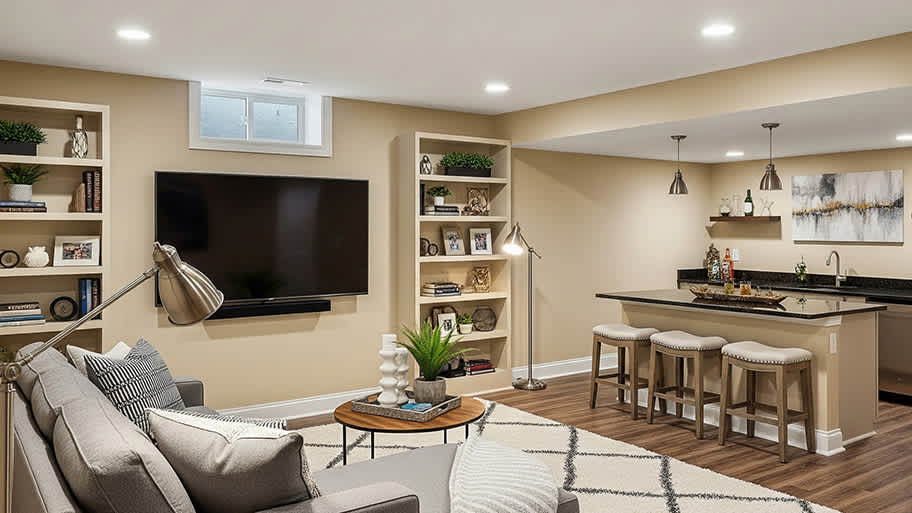
An unfinished basement has a lot of potential for a family room or guest suite. So how much does it cost to finish a basement? Read on for all cost factors.
A finished basement adds tons of value and utility without any structural work

A finished basement includes flooring, finished walls and ceilings, electrical service, heating, and at least seven feet of ceiling height for your space.
Finishing your basement adds 70% to 80% of the project cost back to your home value while creating fully usable living space.
You can add egress windows, exterior entrances, and proper lighting to make your basement safer and more comfortable for everyday use.
Hiring a local basement finishing professional keeps your project on track with proper permits, electrical work, and plumbing rough-ins for future bathrooms or kitchens.
A finished basement adds utility to your under-home area and drastically improves your home’s value, but there are big differences between fully finished basements, partially finished, and unfinished basements. In this guide, we’ll discuss exactly what is considered a finished basement, the pros and cons of finishing yours, what to consider in the process, and more.
A finished basement is usually defined as a basement with a ceiling height of at least seven feet that has flooring, a staircase for access, finished walls and ceilings, some form of heating, and electrical service. These are the bare minimum requirements for a basement to be considered finished.
Many finished basements also have egress windows installed as emergency exits and for basement ventilation, plumbing for additional bathrooms or kitchenettes, cooling systems, and walls to separate different rooms.
Some finished basements can still have small utility rooms that remain unfinished, but these are usually closed off from the rest of the basement by walls and access doors.
Just because your home is 3,000 square feet doesn't necessarily mean it's all considered livable space. What actually counts toward overall square footage is any space in your home with walls, a floor, a ceiling, and proper heating. This can include finished basements, stairways, hallways, closets, and pantries in addition to main living spaces like kitchens, bedrooms, and bathrooms.

There are three primary categories for basements: fully finished, partially finished, and unfinished. Understanding the differences between these is crucial whether you’re buying a home with a basement or plan on finishing the basement in the home you already own.
| Unfinished Basement | Partially Finished Basement | Finished Basement |
|---|---|---|
| No electrical | Electrical in finished portion | Electrical throughout |
| Exposed studs and flooring joists above | Finished walls and ceilings in at least 50% | Finished walls and ceilings throughout |
| Exposed utilities | Utilities usually housed in unfinished portion | Utilities in dedicated utility closet |
| Adds some value to home | Adds more value to home | Adds most value to home |
| Ceiling height between 4 and 10 feet | Ceiling height between 7 and 10 feet | Ceiling height between 7 and 10 feet |
| Typically used for storage and to house utilities | Typically half used for storage and half as living space | Usually used entirely as living space or as an accessory apartment |
Unfinished basements usually include your concrete foundation as the “floor” and either exposed studs or concrete block walls as the outer walls. You can typically see the floor joists and insulation above, as well as support beams throughout the space. They have minimal utility other than for storage and to house your utilities.
Partially finished basements have around 50% of the space unfinished and used for storage and utilities, while the remaining space is finished with flooring, painted walls, electrical, and more. Partially finished basements contribute less to your home value than fully finished basements, but they also cost significantly less.
Fully finished basements usually appear as completed living spaces, with electrical, plumbing, windows, flooring, and painted walls and ceilings. Finished basements add the most value to your property, but they’re the most expensive to install. Finished basements can sometimes serve as accessory apartments or “in-law quarters” with proper permits, so aging family members or friends visiting from out of state will always have a place to stay.

Finished basements are what most homeowners prefer beneath their homes, so they come with lots of upsides. But there are some drawbacks to be aware of.
| Pros of a Finished Basement | Cons of a Finished Basement |
|---|---|
| Adds value to your home | Most expensive type of basement to install |
| Increases your living area | Water damage is expensive to repair |
| Can potentially serve as an accessory apartment | Requires building permits |
| Provides space for storage and utilities | Can increase your property taxes |
| Energy-efficient, given the below-ground location and insulation | Construction can be time-consuming |
| Reduces the risk of pests entering the space | May decrease storage for unsightly items |
Finishing a basement adds value to your home—so the project is often well worth the cost. Although you may not recuperate all of the cost of finishing your basement, you should see a pretty significant increase in property value from the project, often accounting for around 70% to 80% of the project cost.
More importantly, finishing your basement adds utility to your home. While you can usually only use an unfinished basement as storage, a finished basement adds livable square footage. You can allocate the area as a play space for kids to keep your main floors neat and tidy, add extra bedrooms, install a spare bathroom, and even put in a second kitchen or kitchenette with proper permits.
Ultimately, you’ll have to decide if finishing your basement is worthwhile for you, but in general, it adds sufficient value to your home even without the utility to be a good investment.
If you’re planning on finishing your basement, there are a handful of things you might want to consider in your finished plans.
If you plan on ever adding a bathroom, kitchen, or wet bar to your finished basement, we recommend having a basement finishing professional near you rough in the plumbing for you now. Even if you’re not adding the feature until later, it will be much more affordable to install the plumbing while everything is exposed. Later, you’ll need to remove walls to install piping and then repair the drywall, which will cost more overall.
If you don’t already have an exterior entrance leading down into your basement, you may want to have one installed while you’re doing the basement remodel. A safe point of egress will not only help qualify your basement as a potential accessory apartment, but it will help keep you and your family safe in the case of a fire or another emergency.
Finished basements require egress windows in many municipalities, especially if you intend to use the space for bedrooms or living areas. Egress windows are expensive to install, but the well placed outside the window will provide a safe exit point for anyone inside in the case of an emergency.
Finished basements can often still look like unwelcome areas if they aren’t properly lit. Large windows can help let in some natural light, but we recommend installing recessed lights in the finished ceiling to brighten up your dark basement.
All finished basements have some type of heating, but you can opt to install air conditioning in yours for increased comfort in the summer months.
Basements are naturally prone to leaking and moisture, and leaks in finished basements are usually more costly to repair because of the increased damage to building material. It’s a good idea to install a moisture barrier behind your walls and prepare your outdoor space by installing gutters and grading the land away from your foundation wall to mitigate any risk.
Drop ceilings are an affordable option for finished basements, especially over time. These basement ceilings are made from a frame on which removable ceiling tiles sit. If you ever have a leak from the plumbing on your first floor, you can replace sections of the drop ceiling with ease and pretty affordably.
Since basements are prone to moisture accumulation, we recommend installing a floor that is resistant to mold and holding that moisture. Steer clear of carpets and hardwood and accessorize your flooring with area rugs if necessary.
Finally, we recommend installing carbon monoxide detectors. Most homes have boilers and utilities in the basement that can produce elevated amounts of carbon monoxide (CO). CO is a highly dangerous and deadly gas that can cause CO poisoning in high concentrations. Installing detectors is a great way to keep you and your family safe, especially if you plan on installing bedrooms down there.
According to data from Angi, most homeowners are looking for input from a professional, with around 57% wanting a recommendation and about 37% of homeowners wanting sketches or a basic idea for a project.
Finished Basements Plus was wonderful from beginning to end! First, they came out quickly for an estimate. I had 4 estimates and theirs was by far the best. (2 of the estimates were more than $20K higher than for the exact same work). Beyond their fair pricing, the work was excellent. They...
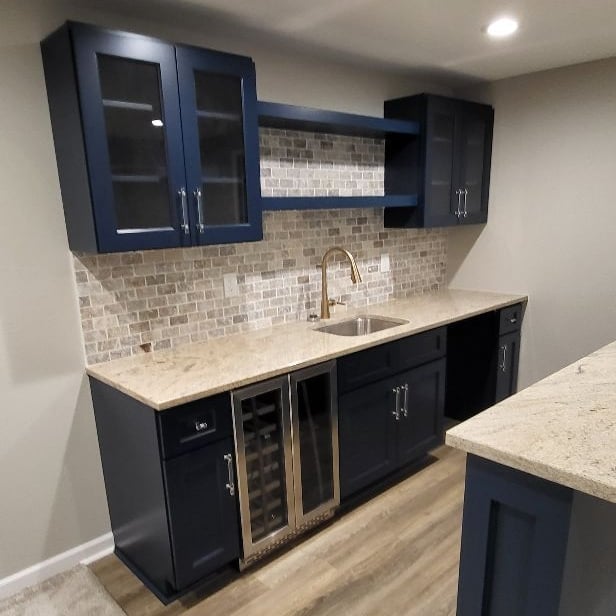 Finished Basements Plus Inc.
1st Choice Renew is simply the best! We hired them for a complete home renovation, and they transformed our space into something truly amazing. The team attention to detail and commitment to quality were evident throughout the project. They were easy to work with, very responsive, and always...
 Save A Dime
Amazing job. Efficient and quick without compromising quality. Basement feels brand new. Would use them again in a heartbeat.
 AffordaPro Restoration
Window Depot did an amazing job installing the windows in my basement! The process from start to finish was by far more than what I expected. I would highly recommend Window Depot if you want professionalism from the the consultation to the installation. Dont settle for mediocre when you can...
 Window Depot USA of Central Ohio
Look forward to them getting started in our basement here soon. Extremely professional, very detailed and was a pleasure to have around. Anything we needed to work on or change in the middle of the project, they were open and willing to work with me.
 Jones & Sons Construction LLC
They cleaned my very dirty basement. They were prompts, quick, thorough and their price was fair.
 JDE House Cleaning LLC
I am very pleased with the services performed by OTS. Bless my late Mother, but she was a bit of a pack-rat. The basement of her home was crammed with 40+ years of "stuff," and the other companies I contacted were concerned with possible mold contamination of the items due to the musty smell...
The company was very easy to work with. My family is now able to enjoy a space that at one point, only collected junk!!!! I feel like i have a whole new addition to the house!!! Wonderful work Blurock on our basement, will recommend!
 BluRock Services, Inc.
first time using home advisor and Grace Remodel was positively the right choice!!!! it was a large job and mark did an excellent job. the price was right, he worked long and hard every day, his attention to detail is impressive, and he finished on time. i have worked with many contractors...
 Grace Remodel & Paint, LLC
We met with Matt on July 1 to discuss a kitchen and bath remodel. We spent over an hour taking about what we wanted and shared our thoughts about timelines and budgets. It’s been over 3 months and we haven’t heard from him since. We would understand if there had been some communication, but...
 Elite Home Remodeling Inc
From average costs to expert advice, get all the answers you need to get your job done.
An unfinished basement has a lot of potential for a family room or guest suite. So how much does it cost to finish a basement? Read on for all cost factors.
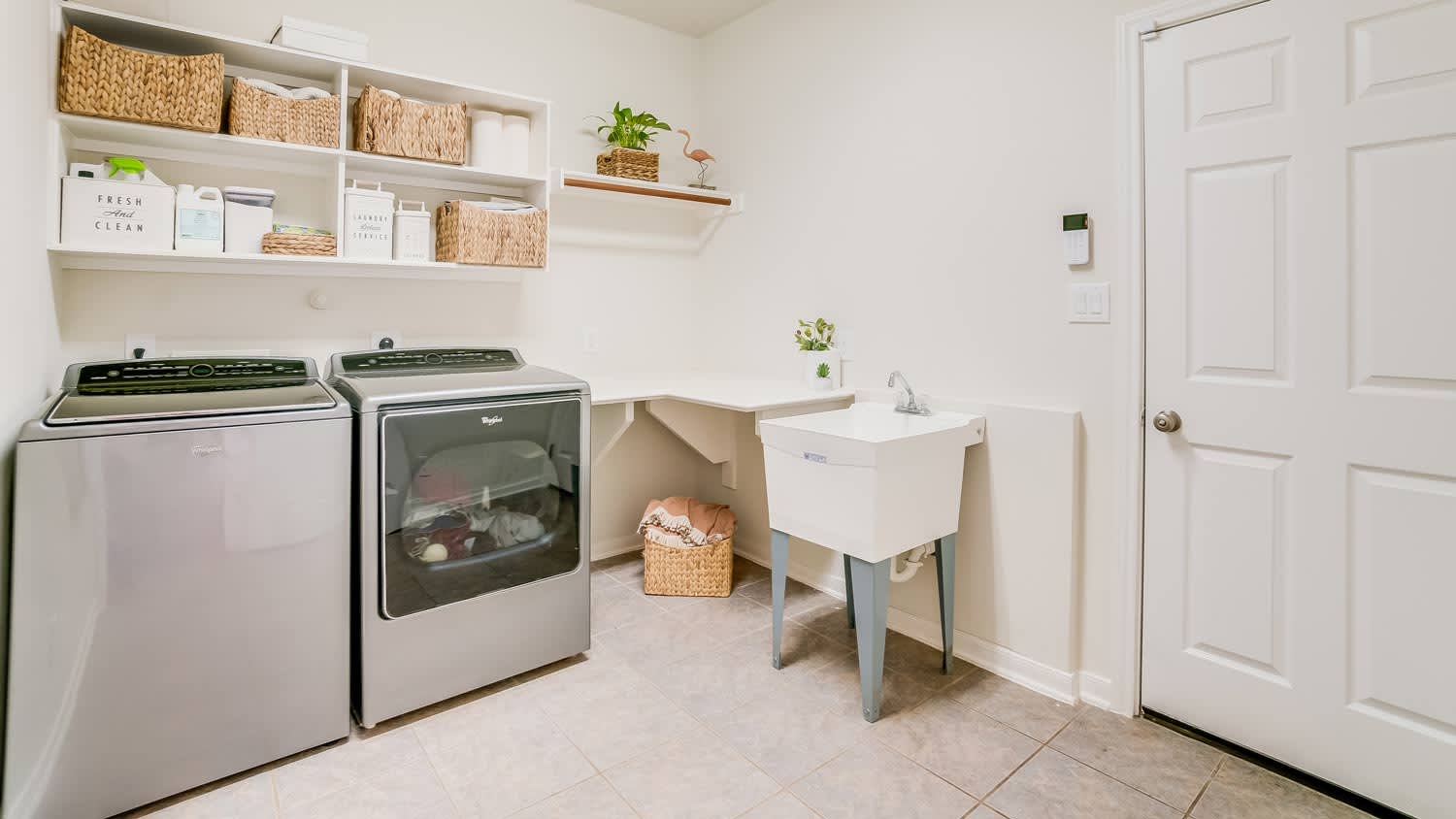
Discover the cost to finish a basement laundry room. Learn about average prices, key cost factors, and tips to budget your basement laundry remodel.
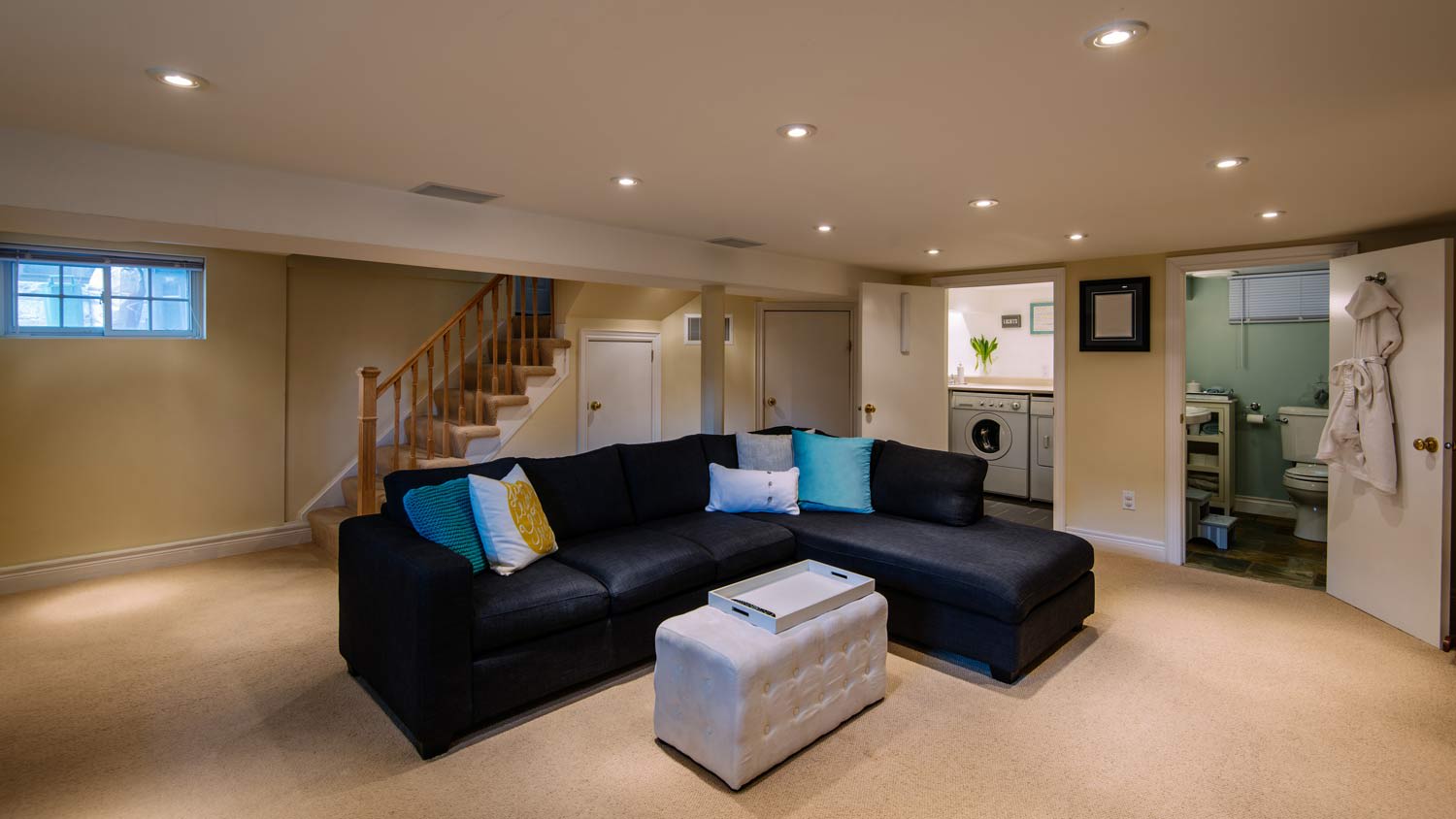
Ready to transform your lower level? Learn about basement finishing costs, design ideas, and how to hire a local basement remodeling contractor for the job.
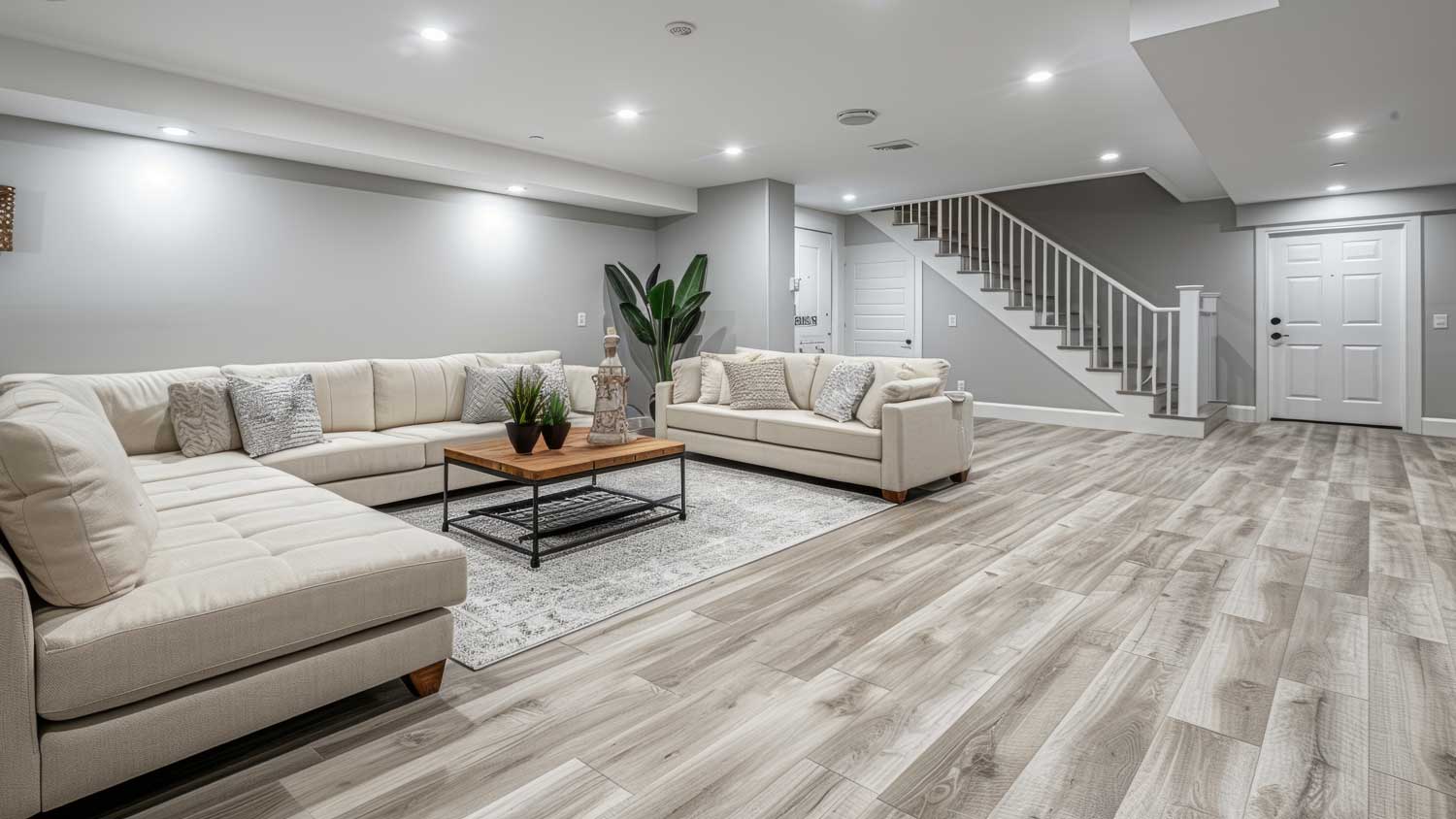
Finishing a basement can add huge value to your life at home. Here's what you need to know before you dive into a basement remodel.
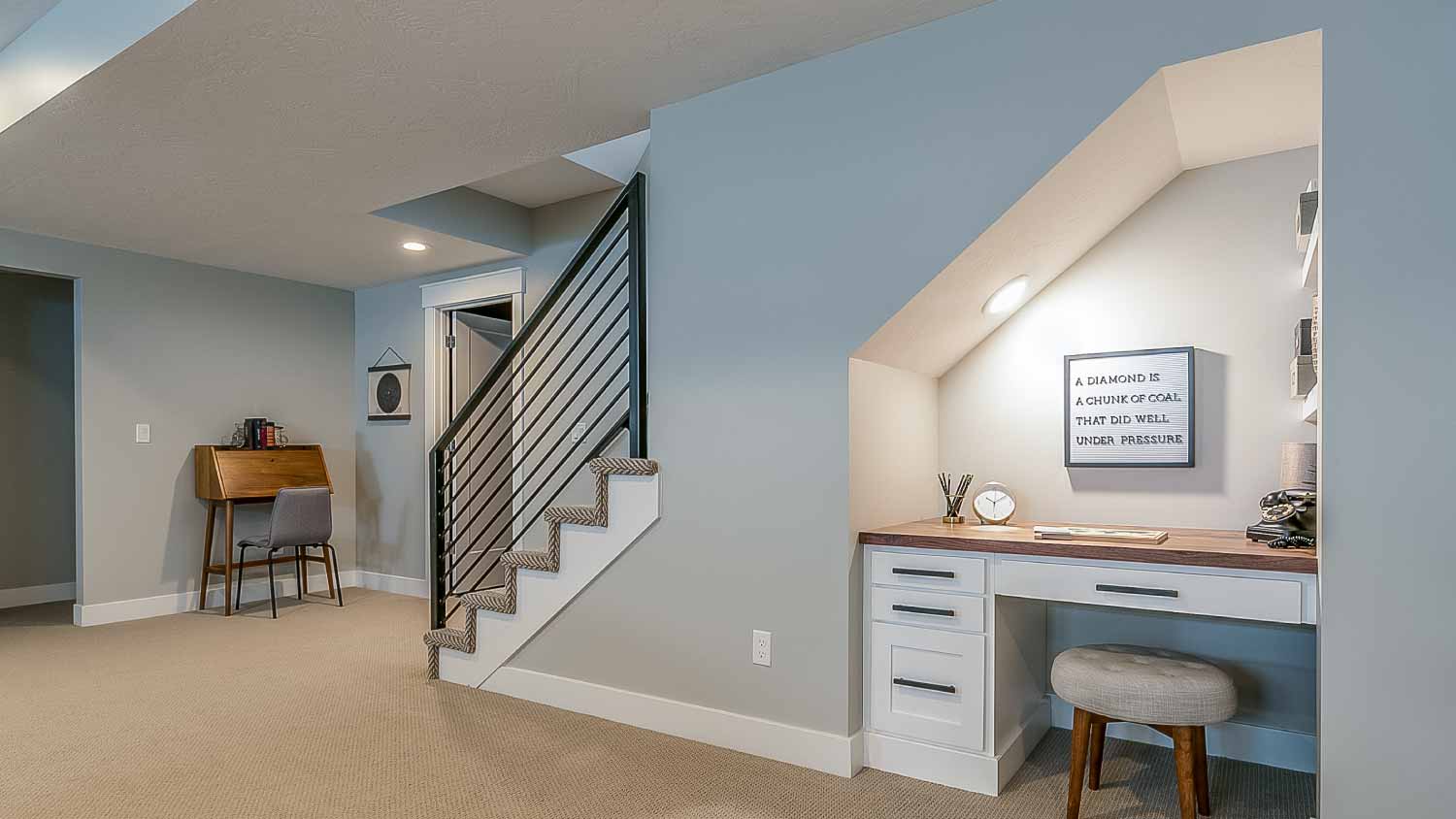
Finishing a basement isn’t always ideal. Learn about the differences between a finished and unfinished basement and which is right for you.

A finished basement adds valuable living space to your home. Learn how much value a finished basement adds to your home and what affects your return on investment.