

Bonded vs. insured contractors: Learn the difference and which to hire for your home improvement project. Protect yourself and your home by hiring smart.
A contractor’s bond is added insurance that protects your project investment

A contractor bond protects your investment by ensuring your contractor completes your project on time and within budget, or the surety company covers losses.
The surety company steps in if your contractor fails to meet contract terms, either sending another contractor to finish or providing you a payout.
Contractors with bonds have proven track records because surety companies perform extensive background checks and require strong financial history before issuing contractor bonds.
Hiring a local modular and mobile home remodeling professional with a bond gives you peace of mind that your project stays protected from start to finish.
When researching contractors for your home improvement project, you may have run across the term "bonded and insured”—bonding is a type of consumer protection. Homeowners that hire contractors with a surety company bond can sleep at night knowing that their contractor will complete their home renovation project on time, as agreed, and within their estimated budget. Otherwise, the surety company will have to pay out the difference to the customer or the suppliers, costing the contractor financially and making it harder to obtain future bonds.
A contractor has to apply for a surety bond using their company’s legal name, their license number and supply any additional local or state requirements for the area where the work is done. Depending on the scope of the project, the contractor may need to pay a premium to receive the bond. For example, some commercial contractors have to get bonded per job and submit building plans and budgets before being approved.
A construction bond protects a homeowner and other invested parties (like suppliers or third-party contractors) from financial losses that could pop up if something is damaged, incomplete, or if a contractor fails to meet the terms of their contract.
You’ve probably heard horror stories about half-finished bathroom renovations and kitchen remodels that get slowed down by delay after delay. Homeowners who hire bonded contractors have an added layer of protection against becoming one of these cautionary tales because someone else has to foot the bill if the contractor falls short.
If a contractor fails to hold up their end of the contract and a homeowner files a claim, the bonding company will step in. They may opt to send another contractor out to finish the work or offer a payout to the homeowner. When the bonding company has to do this, the financial burden shifts back to the contractor, who now owes the bonding agent. Construction bonds work by ensuring that even if the contractor fails to uphold their end of the contract, the homeowner won’t be left holding the bag in the end.
Surety companies issue construction bonds. There are a few different types of bonds that can be issued to contractors who may want (or need) the added layer of protection for their businesses:
Bid Bond: Used by contractors bidding on big jobs, this type of bond will help cover any losses if the winning contractor decides to withdraw their bid if it’s picked. This can prevent contractors from issuing low-ball bids and then disappearing when it’s time to start the job.
Performance Bond: This type of bond protects homeowners from any breach of contract that might happen if their contractor’s work fails to meet expectations or contractual obligations (e.g., a half-finished bathroom reno).
Payment Bond: Also known as a labor and material payment bond, this type guarantees that the contractor has the financial ability to pay their employees and order supplies.

Construction bonds aren’t issued lightly. Surety companies perform extensive background checks and require financial information from applicants before agreeing to cover the contractor and project.
Projects that can benefit from or require construction bonds:
Renovation or remodel projects like kitchen upgrades
If a contractor can get bonded, it means that they have a reliable history and likely a pretty long line of satisfied customers—making them a more solid choice for homeowners looking for extra peace of mind.
If you’re good people wanting to do business with good people, hire Matt. He is a consummate professional and utterly competent. He installed a water heater in my home at a price that beat competitors by hundreds of dollars with a promise to support the unit for its life (even after its 6 yr...
 Greene's Plumbing Services
This company does it right. Firstly, I want to say that Landan was a joy to work with. He was so kind, transparent, and had everything under control. His entire team showed up ready to work and they were all very respectful of the fact that we were in an office space. A little backstory – we...
 Krumlauf Floors
Finished Basements Plus was wonderful from beginning to end! First, they came out quickly for an estimate. I had 4 estimates and theirs was by far the best. (2 of the estimates were more than $20K higher than for the exact same work). Beyond their fair pricing, the work was excellent. They...
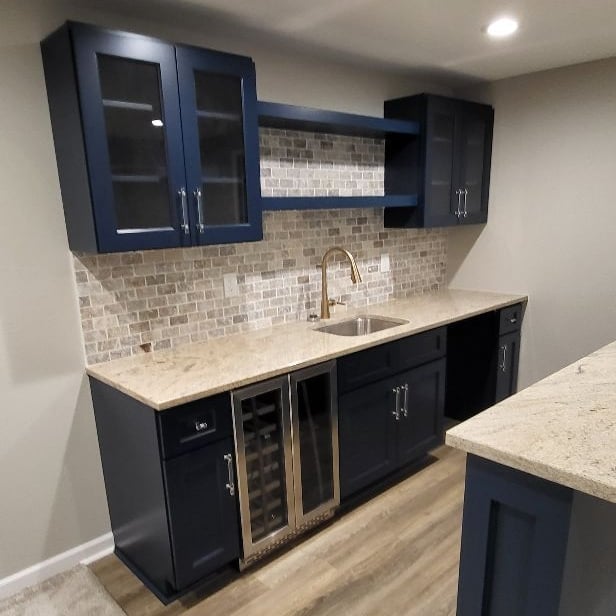 Finished Basements Plus Inc.
1st Choice Renew is simply the best! We hired them for a complete home renovation, and they transformed our space into something truly amazing. The team attention to detail and commitment to quality were evident throughout the project. They were easy to work with, very responsive, and always...
 Save A Dime
Supreme Brick & Chimney did an excellent job restoring the brick and mortar joints on my home. Their team was professional, knowledgeable, and completed the work on time. I highly recommend them and will hire them again in the future! Thanks!
 Supreme brick & chimney
Absolutely thrilled with the transformation of my home thanks to Custom Paint Jobs LLC! The attention to detail is outstanding.
 Custom Paint Jobs, LLC
We needed windows in our home, and we couldnt believe we got our entire home done for under $14,000. We have a lot of windows, and not only was it affordable, but it got done in a timely manner! Thanks guys, I truly appreciate you all!
 Window Depot USA of Central Ohio
The techs on my project, Shawn and Cliff, were great. They were prompt, courteous, and efficient. I am very happy with the results and would definitely contact Mr. Electric for any future electrical projects.
 Mr. Electric of Columbus
Working with Mike on our first home purchase was an absolute pleasure. Mike put us at ease and made the process of buying a home fun. Mike is knowledgeable, honest, professional, and punctual. He worked with our busy schedule and always made time for us. When a home came on the market that...
 Michael Marshall - Buyer's Resource Realty Svcs.
They work that 360 did on my kitchen cabinets is nothing short of amazing. I still cannot believe the difference from before and after. Jon and Jeff were both so incredibly professional throughout the whole process and their communications with me were constant and consistent. These guys...
 360 Painting Columbus
From average costs to expert advice, get all the answers you need to get your job done.
Bonded vs. insured contractors: Learn the difference and which to hire for your home improvement project. Protect yourself and your home by hiring smart.

Protect yourself when hiring a concrete contractor by asking if they’re licensed and bonded. Read on to find out everything you need to know before hiring a pro.

Hiring a contractor without a license might cost less, but it could result in repairs, fines, and even legal fees. Always verify a contractor’s license, bonding, and liability insurance. We’ve outlined the risks of unlicensed contractors here.

If a disappearing contractor left you without your deposit and services, here are the actions to take to remediate the project and get your money back.
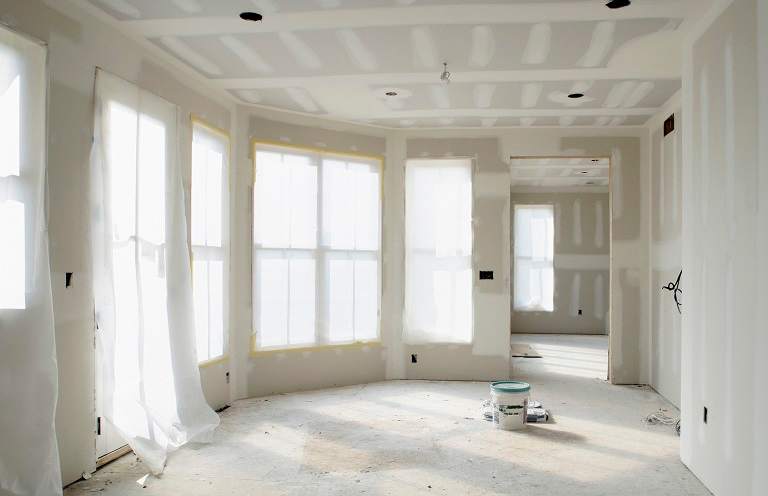
Learn how to find and hire the best contractor for home additions. Discover key qualifications, questions to ask, and tips to ensure your project succeeds.

Does your home need a refresh? Learn more about how home improvement loans work and how to find the right one for your renovation project.