
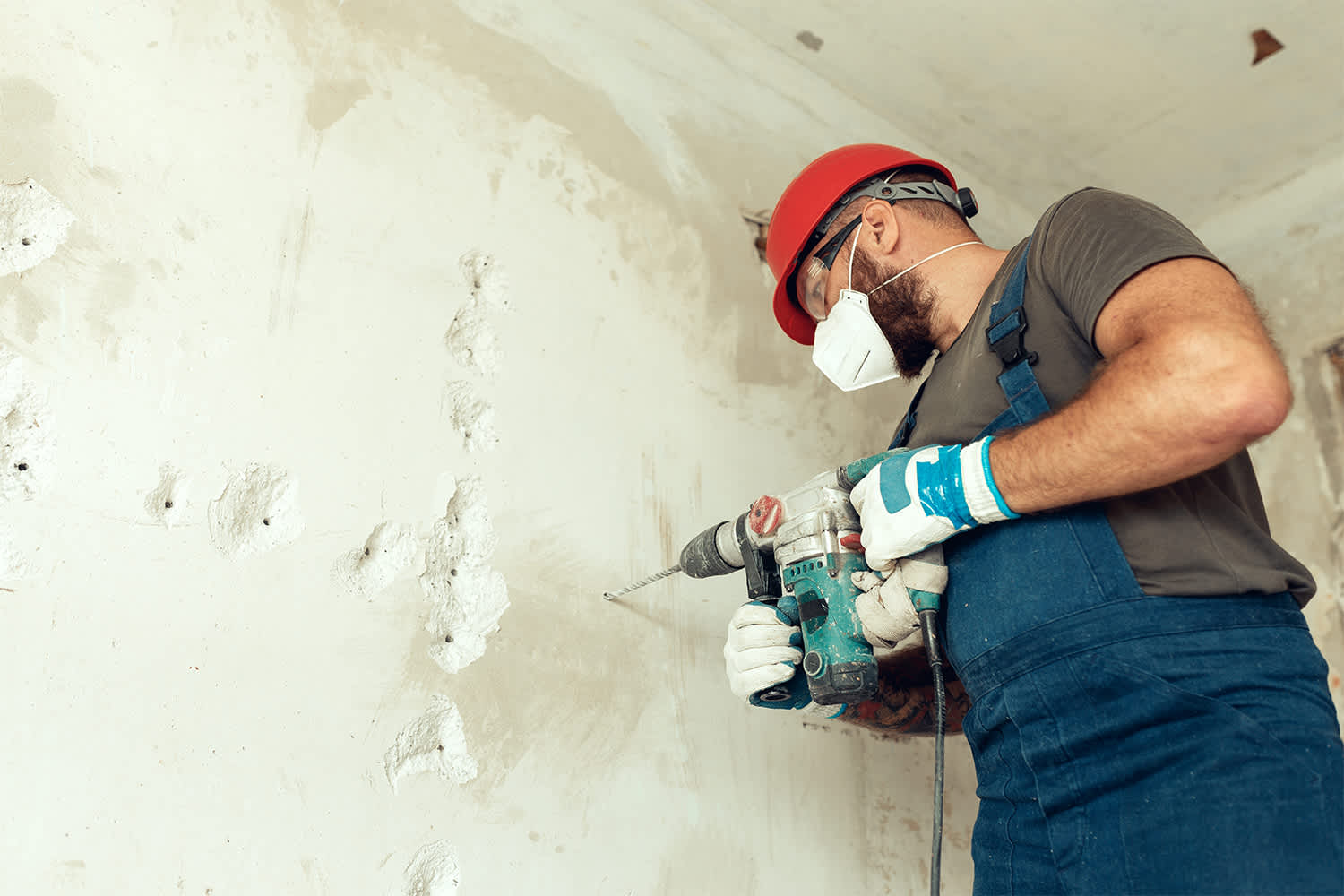
Time to get rid of that old chipped and crumbling walkway? Concrete removal costs can add up, but you have options to simplify the process. Learn more here.
Concrete contractors know how to cement their reputation

A concrete contractor's role includes site prep, formwork setup, mixing, pouring, leveling, finishing, and monitoring the curing process for your project.
Concrete work requires specialized equipment and precise techniques, so you avoid costly mistakes like cracking, uneven surfaces, or structural issues needing complete replacement.
Contractors who specialize in concrete follow local building codes, ensuring your driveway, patio, or foundation meets all safety and legal requirements.
Hiring a local concrete company provides reliable support with precision pouring and finishing, keeping your project on schedule and built to last.
Concrete is at the core of most construction projects, from your home's foundation to your backyard patio or driveway. So, if you are wondering what does a concrete contractor do, they are the pros who plan, prepare, and execute concrete tasks—laying the groundwork for so many things you enjoy in your abode and on your property.

A concrete contractor's expertise ensures that the material they mix and pour creates a durable foundation for structures. You can expect these experts to design and construct foundations, patios, walls, walkways, driveways, and even unique stained concrete flooring.
Just as important, locally qualified concrete contractors follow strict building and safety regulations, which makes them essential for the success of many home projects.
Before pouring concrete, the contractor will assess the site to ensure it is level. They’ll also take accurate measurements and layout markings at this stage to ensure the final structure meets design specifications.
Formwork is a must for pouring concrete. Forms hold the concrete in place while it hardens. Depending on the project, a concrete contractor will build the formwork out of wood, metal, or plastic. Extensive expertise is required during this process because formwork must be precise for stable and durable results.
Your concrete contractor will start mixing after carefully preparing the concrete materials to achieve the correct strength and consistency. They will then pour the concrete into the formwork, requiring precision for an even application.
Using tools like floats and trowels, the contractor will ensure the surface is uniform and free of air pockets that could compromise the structure's integrity. Projects that include decorative finishes, such as stamping patterns, will happen next.
As the concrete hardens, there is still work to do. The contractor monitors the curing phase, which can take a few days to weeks, depending on the type of concrete and environmental conditions. Once the concrete cures, the contractor may apply a coat of sealer for long-term projection.
Experienced DIYers with concrete experience and the right equipment can handle some cement projects. However, homeowners without expertise should know that concrete work is complex and is best left to the pros. Remember, pros know and adhere to local building codes, ensuring the work meets all safety and legal requirements for optimum results.
The work involves precision, specialized tools, and correct mixing and pouring. Remember, any misstep in the concrete process will lead to poor results, including cracked and uneven surfaces. Worse, it can result in structural instability. Whatever the case, poor outcomes are costly mistakes that often require tearing out the concrete and starting over again.
Exquisite workmanship from Custom Paint Jobs LLC. My home has never looked better.
 Custom Paint Jobs, LLC
Visited my home for estimate same day that I called. Painted on Saturday. Great job. Good price!
Window Depot did an amazing job on my deck. I wasnt sure what I wanted to do, but their composite decking was affordable and will last a long time. I am excited to have family over, and I am no longer embarrassed by my backyard. Jeff and the ground crew were polite, respectful, and caring for...
 Window Depot USA of Central Ohio
The guys did an outstanding job and we had a great experience with CarifaTile. I appreciated that Joe reviewed the quotes with me and set expectations prior to the install. The crews showed up as scheduled and always left the areas clean upon leaving the house. We will definitely use...
 CarifaTile
Beginning with the estimate, Larry and Peyton were super helpful in getting my new condo's interior re-painted. Not only was the job well done, but also done in a super timely manner as promised.
 Five Star Painting of Plain City and Powell
BJ Trim Carpentry rescued me in the middle of a do-it-yourself project. I found I needed more expertise than I had...and more TOOLS! BJ Trim Carpentry responded quickly and completed what I needed expertly, politely and with a little humor!
This brownstone is historical and the carpentry work is very detailed. I was very happy to secure a company in NY and living in OH to complete the request. Wood work on this brownstone has been existing since approximately 1888 and West side did a GREAT JOB. I will not be able to...
 Westside Home Improvement
We had a great experience with Mark Rodgers Construction. We were in the process of seeking out estimates for possible foundation work for our front porch. Mark came out himself to provide the estimate. Turned out that the company deals mainly with concrete, so we wouldn't be getting an...
 Mark Rodgers Construction
Overall this experience was incredible! I looked on Angies List for a cleaning service because I was planning a holiday party and wanted to make sure we found a reliable, thorough and efficient cleaning service to make sure everything was perfect for the party since we had co-workers and...
From beginning to end our experience with Joe was very good. He was professional and prompt in his estimate for the job and worked hard to meet our schedule so that he could remove our old backsplash the day before our new countertops were removed and return shortly after they were removed to...
From average costs to expert advice, get all the answers you need to get your job done.
Time to get rid of that old chipped and crumbling walkway? Concrete removal costs can add up, but you have options to simplify the process. Learn more here.

Protect yourself when hiring a concrete contractor by asking if they’re licensed and bonded. Read on to find out everything you need to know before hiring a pro.
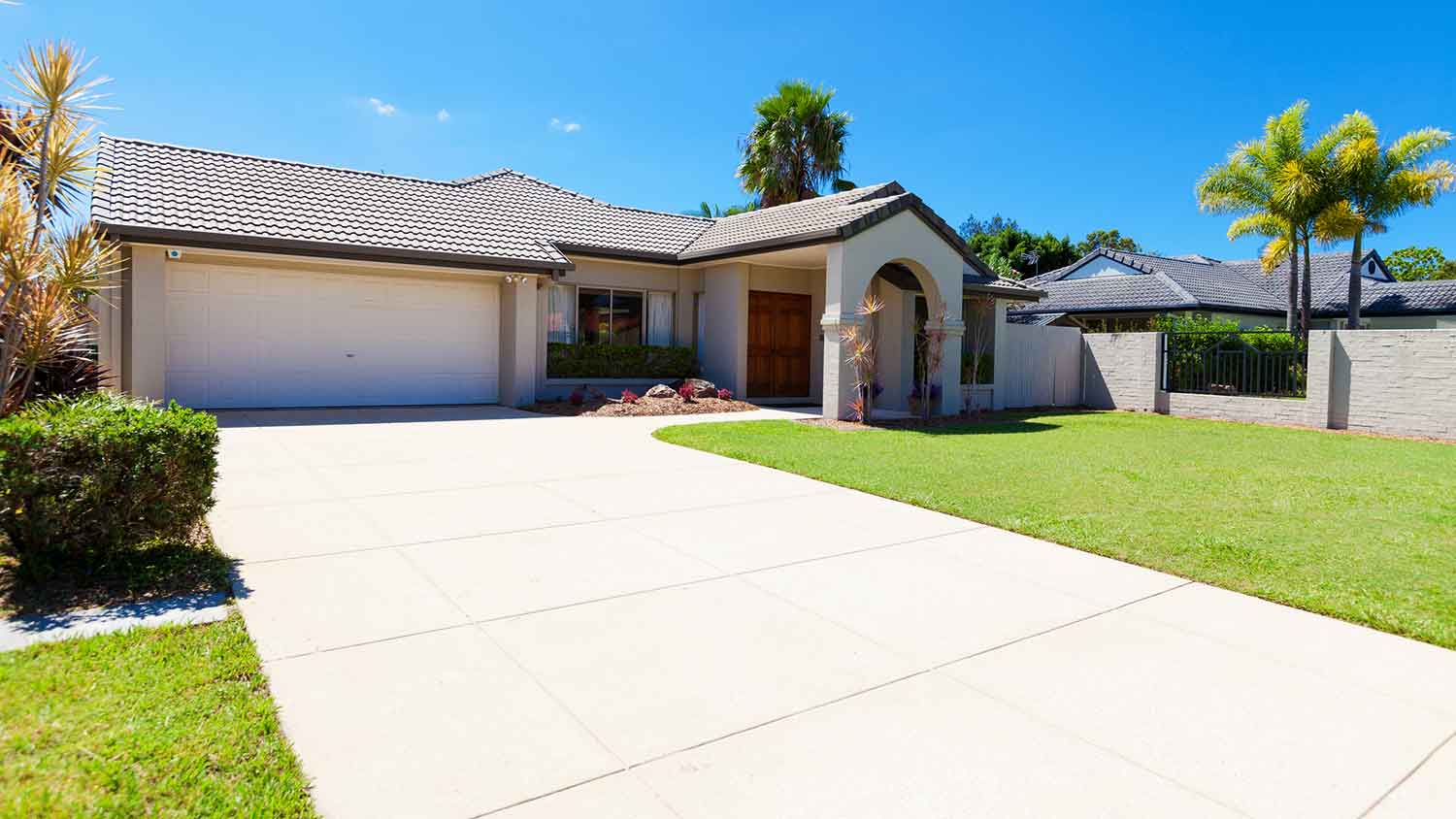
Hiring a pro for any job takes some thought. This guide explains how to hire a concrete contractor so your home project is set for success.

Ask these 16 questions about experience, pricing, timelines, and more to choose the best professional for your concrete project.

Unsure who to hire to install a concrete wall? Learn when to call a concrete contractor or mason, and see how pros get it done.
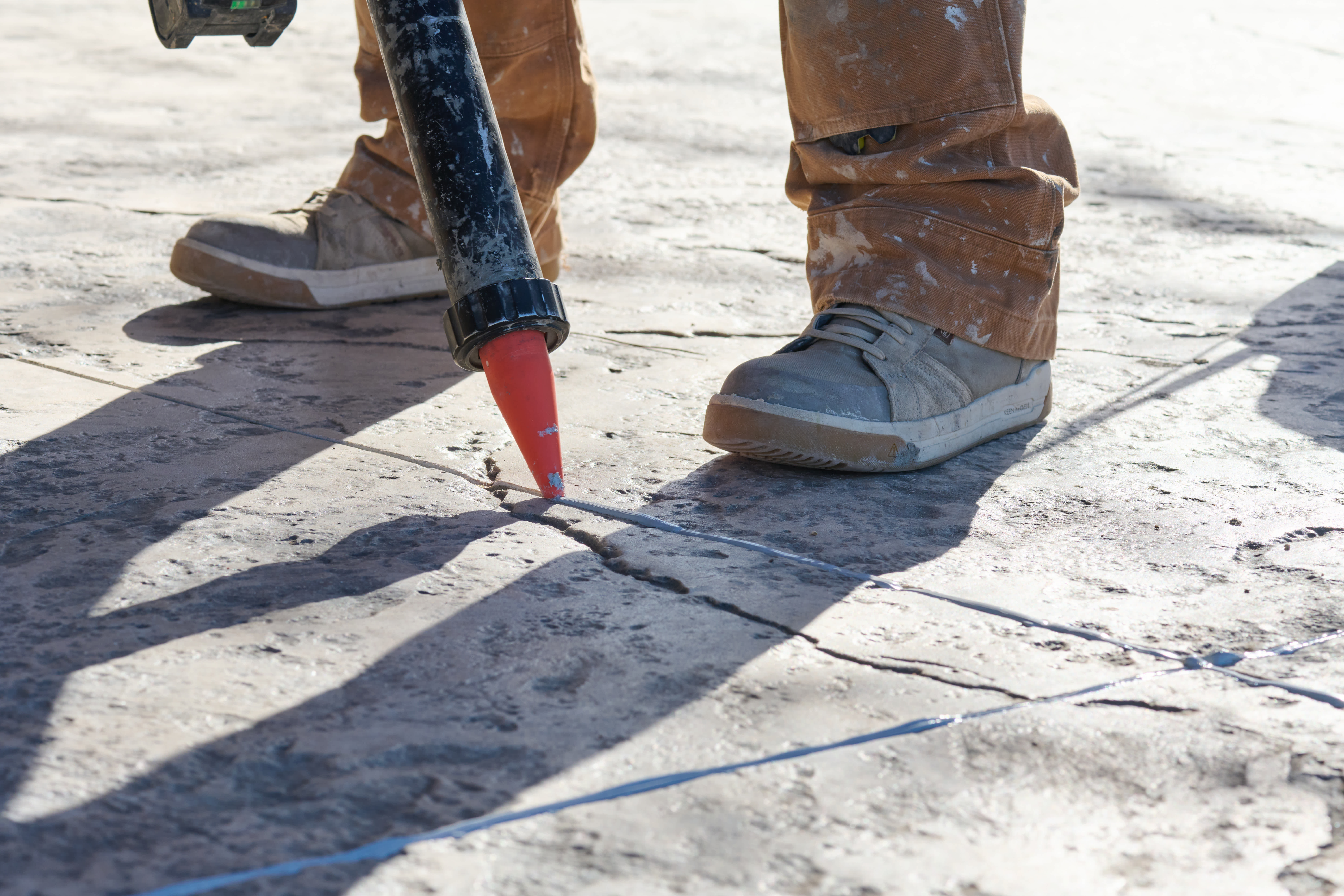
Dealing with cracked or crumbling concrete on your property? Learn who to call to repair concrete in this guide and the benefits of using a professional.