
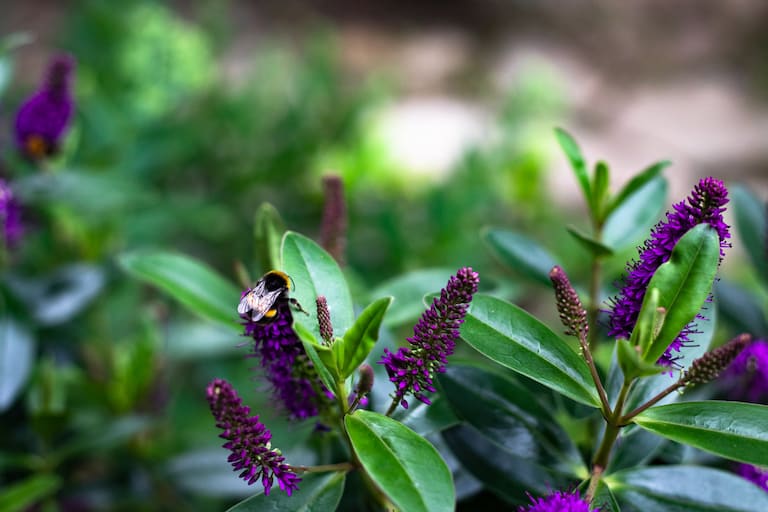
How much does bee removal cost? Learn what you’ll pay based on factors like hive location, size of the infestation, extermination or removal, and more.
Check out the diet of this common bee type

Carpenter bees feed on pollen and nectar from flowers like asters, zinnias, and lavender, making them vital pollinators for your garden and vegetable plants.
While carpenter bees don't eat wood, they bore tunnels up to 10 feet long in your deck, siding, or eaves to create nests for laying eggs.
You can deter carpenter bees by painting or sealing exposed wood, using essential oil sprays, or placing loud music near their nests without harming them.
Hiring a local wasp and bee removal professional provides safe removal help when you're allergic or need to protect your home from nest damage.
If there are bees buzzing near your house, you’re likely wondering what carpenter bees eat. Despite what some may think, these bees don't eat wood, but they bore into it to create tunnels for their nests. These bees are often misunderstood, but they are vital pollinators and an essential part of the ecosystem. Let's dive into the carpenter bees' preferred palate, how they can get into your house, and a few ways to remove these bees without harming them.
Carpenter bees feed on pollen and nectar from various plants and flowers. They prefer open flowers that are easy to access and that have an abundance of nectar. Some of their favorite flowers and plants are asters, daylilies, bee balm, zinnias, lavender, and even oregano.
These important bees are the largest native bees in the United States and are terrific pollinators for plants, flowers, and vegetables such as tomatoes and eggplants. So, they are great guests to have in your garden and flower beds.

Unfortunately, sometimes carpenter bees try to make a home in wood structures such as siding, eaves, fascia boards, decks, and porches. They bore a hole about one to two inches deep into the wood, then turn and tunnel to create cells to lay eggs.
The University of Maryland Extension reports that tunnels are between 6 and 12 inches long but can reach 10 feet long in extreme cases. Needless to say, this isn't ideal for any home, and it's best to try to deter carpenter bees from becoming your new housemate.
Since carpenter bees are vital pollinators and their existence is essential to the ecosystem, it's best to try to find ways to deter or remove them without exterminating them. Here are a few methods that are known for preventing and ridding carpenter bees more naturally:
Repel with an Essential Oil Spray: Certain scents are displeasing to these bees and can help evict them without hurting them. Mix an essential oil spray with scents such as peppermint, tea tree, or lemon and spray around the holes and area.
Play Loud Music or Use Wind Chimes: It may sound silly, but carpenter bees find loud noises and vibrations irritating. You can carefully place a speaker near the nest and turn up the volume to try to coax them to move elsewhere. Another option is to hang wind chimes near the entrance of their nest.
Seal the Holes Once They Leave: Carpenter bees tend to leave their nests during the fall, which can be a perfect time to repair and seal up holes they left behind. This method can prevent them from returning the following season.
Paint or Seal the Wood: You can paint or seal the wood to deter carpenter bees from setting up shop. They like weathered, untreated softwoods, and painting or sealing areas that are usually inviting to them can prevent the bees from trying to bore into the wood and create nests.
Keep in mind that these bees are known to be docile, but the females can sting. So, if you are allergic to bees or are unsure whether it's safe, then you should contact a bee removal service near you to discuss options to remove them safely.
Carpenter bees are of the genus Xylocopa, but there are several types that buzz around the U.S.
Eastern Carpenter Bee: This type of carpenter bees frequent the eastern part of the United States and parts of Canada. They are about the size of a bumble bee but carpenter bees have shiny black abdomens rather than fuzzy ones like a bumble bee does.
California Carpenter Bee: Known as the western carpenter bee, this type lives in the western regions of the United States, such as California, Arizona, Oregon, and Utah. They look quite different from their eastern relatives and have shiny black bodies with blue-green reflections.
Southern Carpenter Bee: These types of carpenter bees prefer warmer climates and are found in the gulf and coastal regions of the southeastern United States. These bees have a metallic black body with reflective green and blue tinges.
A reliable team for moves across state. My switch to a new place needed careful lifting through tight hallways. The movers checked the doorway first, then carried heavier pieces with slow, controlled movements. Their patience helped prevent damage, and I?d choose them again.
This company does it right. Firstly, I want to say that Landan was a joy to work with. He was so kind, transparent, and had everything under control. His entire team showed up ready to work and they were all very respectful of the fact that we were in an office space. A little backstory – we...
 Krumlauf Floors
I had FabClean 614 clean my apartment, and she did an outstanding job. She was so professional and efficient. My apartment looks absolutely spotless every surface, every corner, all cleaned to perfection. Definitely highly recommend FabClean 614 if you're looking for top-notch cleaning...
 Fab Clean 614
Raven and crew does absolutely fantastic job. They are very professional if any concerns were to occur with any of her work she always took responsibility and finished out with a great job. I have worked with her business for a year and have always been satisfied. Very trusted business and...
 Creations of Transformation LLC
I would recommend this company to anyone! He showed up on time, was friendly, completed a very difficult repair on our dryer vent cover, was responsive, and pricing was extremely fair and competitive. I would have him back to do any of our repairs or cleanings without hesitation!
 U.S.A. Dryer Vent, LLC
Best cleaning I've had at my property
Ace Fireplace Services' chimney sweep service is truly exceptional. They used advanced technology to ensure a thorough cleaning process, and my chimney has never looked better. I highly recommend their services.
 Ace Fireplace Services
This company went above and beyond with their work, chimney sweeps are usually pretty messy, but the clean up was spot on.!! Josh explained every thing that he was doing, and the things that he was checking to make sure the chimney was safe for me and my family. He was very professional,...
 Supreme brick & chimney
Good workers and they do a good job.
 Mira Construction
Mary Cleaning Service is fantastic! The entire team is professional and pay a great deal of attention to detail. They do such a thorough job of cleaning my house. I would definitely recommend!
From average costs to expert advice, get all the answers you need to get your job done.
How much does bee removal cost? Learn what you’ll pay based on factors like hive location, size of the infestation, extermination or removal, and more.
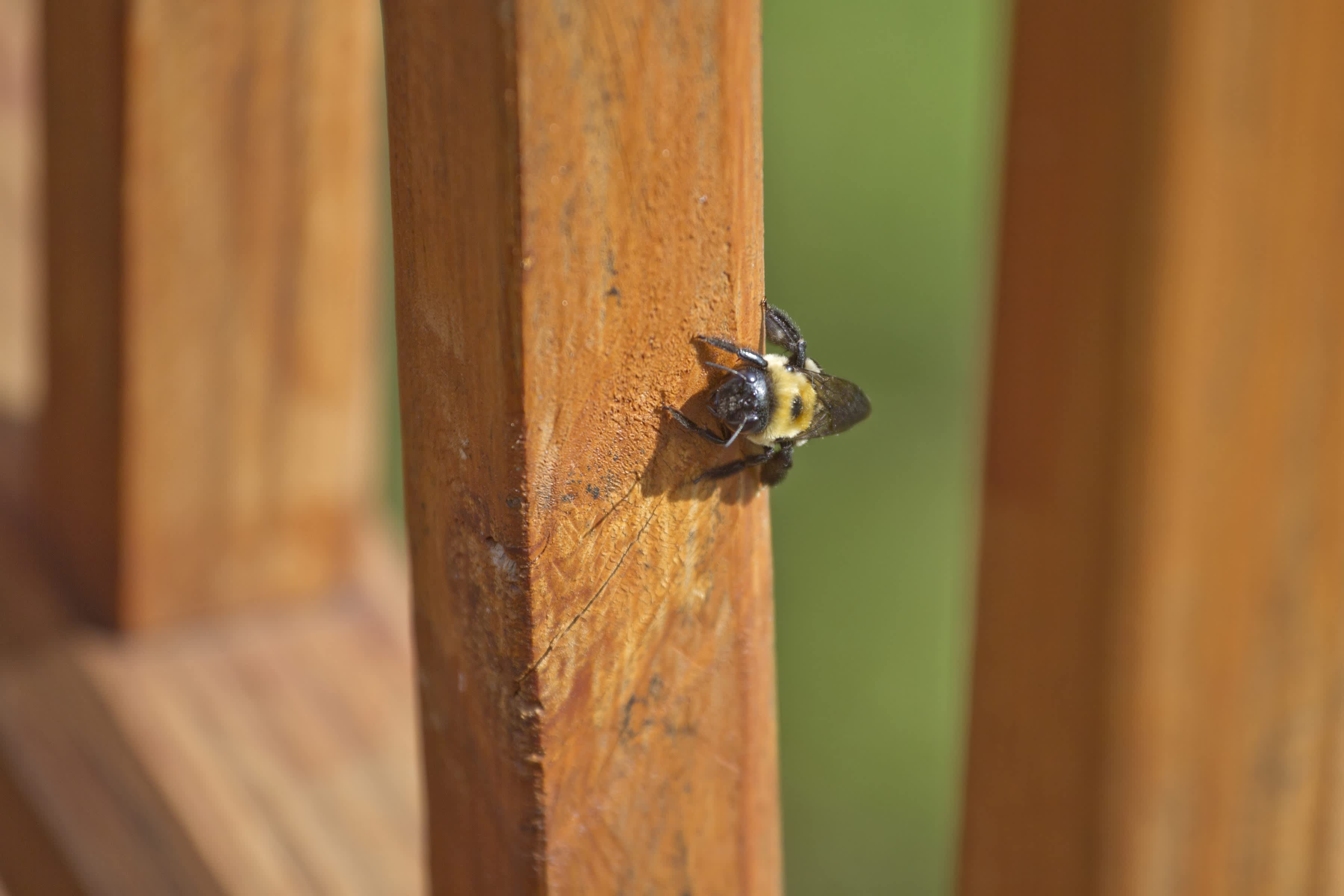
Learning how to get rid of carpenter bees naturally is important for the environment, ecosystem, and the structure of your home. Use this guide for easy DIY tips.

When it comes to carpenter bees versus bumblebees, only one can damage your wooden structures. Keep reading to find out the main differences.
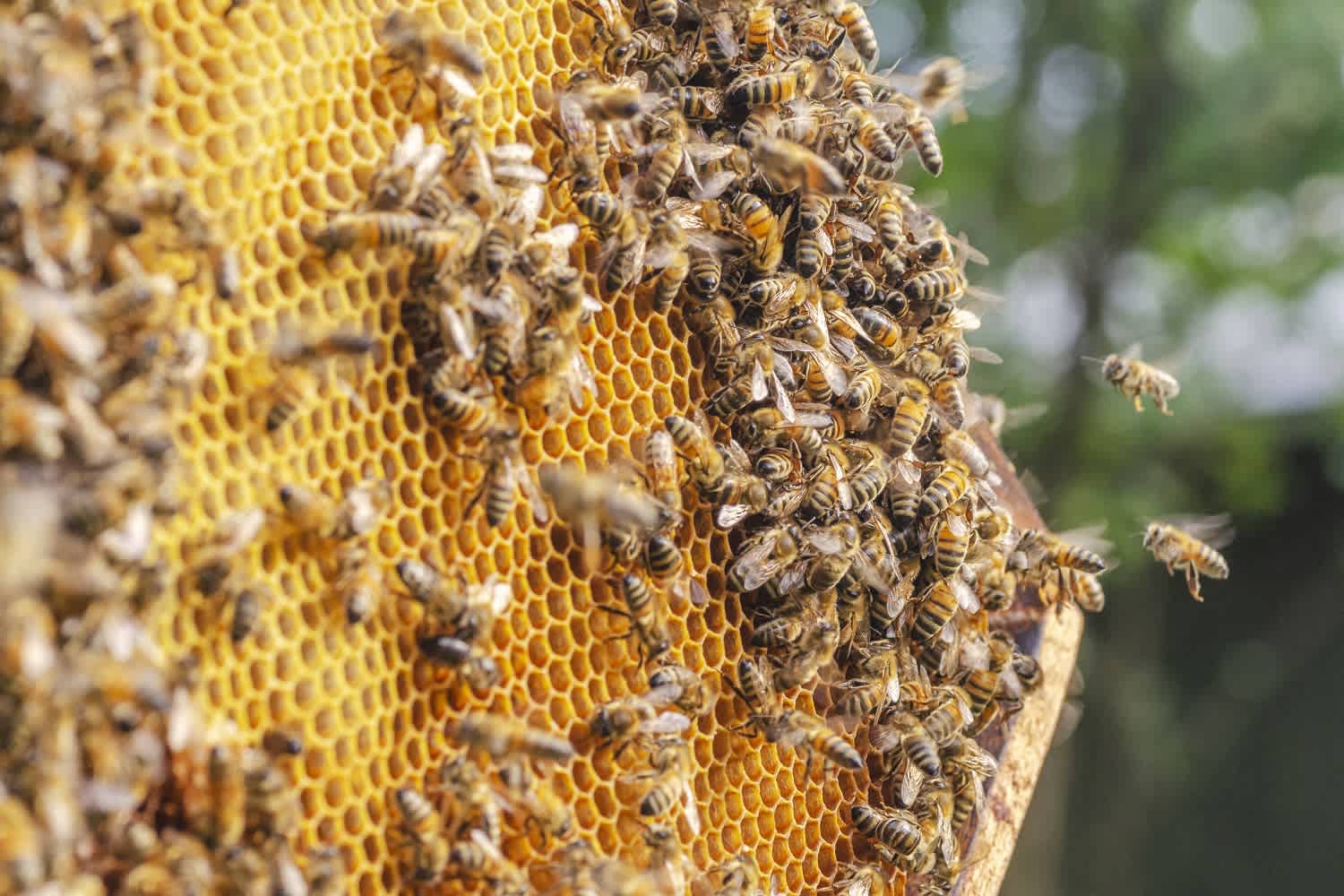
Honey bees, carpenter bees, and wasps can all do a number on your home if left unchecked. In this article, learn about the different types of bee damage to houses and signs to look for that might indicate you have a problem.
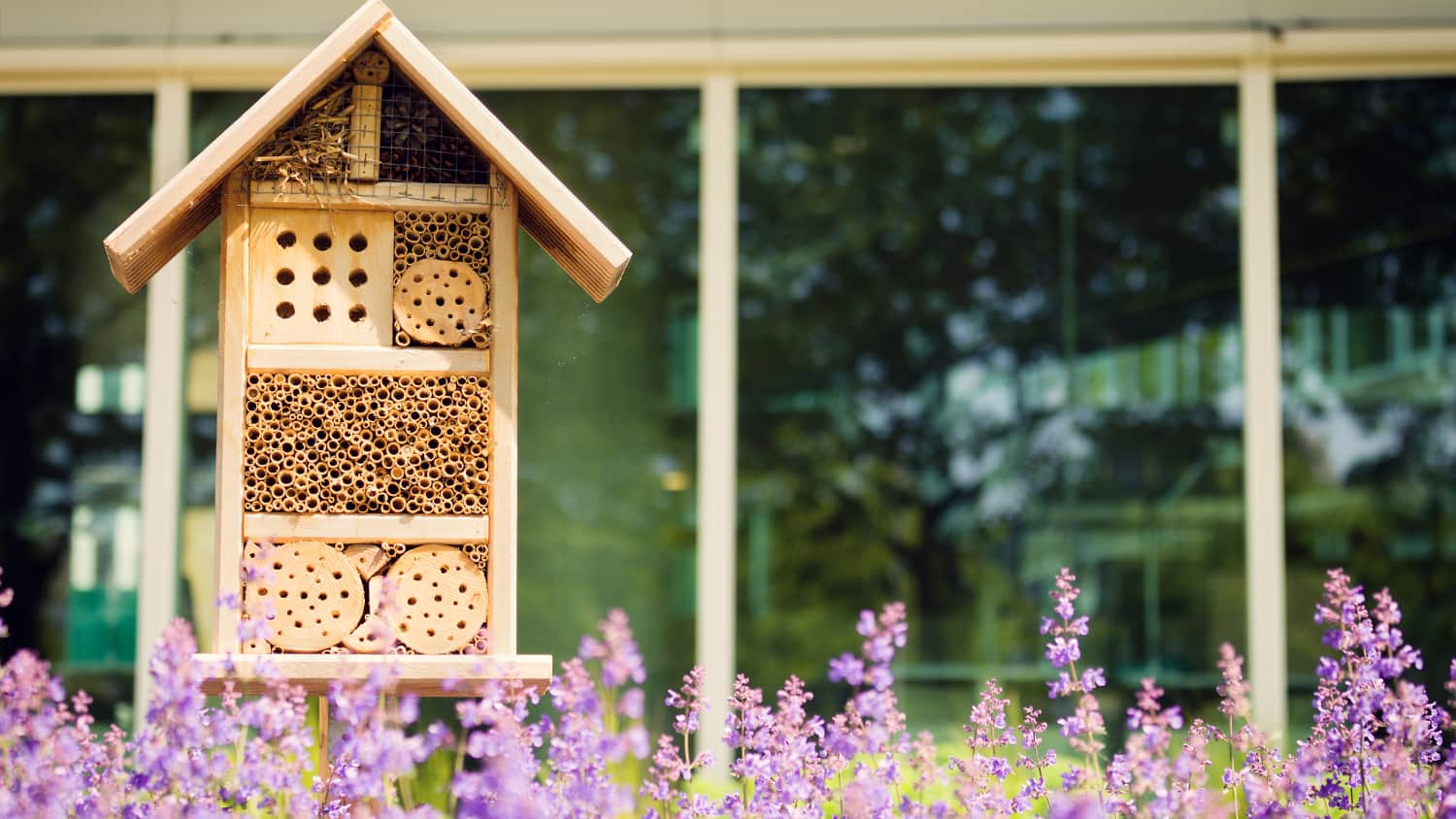
There are many species of bees, but this bee identification guide will help you spot the most common kinds of pollinators you’re likely to see in your garden.
What’s that stinging bug buzzing around your yard? Find out the many differences and several similarities between hornets vs. bees vs. wasps.