

The average cost to replace a bathroom faucet typically ranges from $170 to $360. Faucet installation costs often vary based on the selected fixture hardware.
Tap into solutions for low water pressure woes


Leaks, closed valves, and problems at the water company can all contribute to sudden low water pressure in your home.
Try cleaning dirty pipes and fixing broken system parts to increase your water pressure.
If clearing clogs in your system or opening valves doesn’t do the trick, it’s time to put down the wrench and call a pro.
Prevent low water pressure by keeping fixtures clean, maintaining your pressure regulator, flushing the water heater, and having regular inspections.
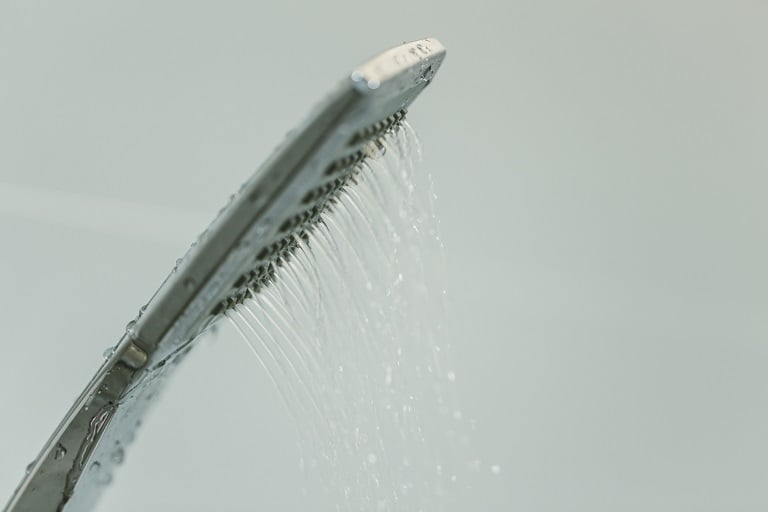
Trying to rinse your hair under a showerhead that’s barely producing a trickle can make mornings stressful. You could be experiencing low water pressure for several reasons, some of which may be specific to the room or might impact the entire house.
If you find yourself frustrated while washing dishes or filling the bathtub, here are some common causes of low water pressure and how to fix them.
One main cause of low water pressure is leaking pipes. Plumbing leaks divert water flow, leaving you high and dry. Some leaks are easy to identify by sound or moisture in the area. Others require shutting off all water taps in the house and recording the water meter. Check it a few hours later, and if it shows increased usage, then you likely have a leak on your hands
Most homes have two shut-off valves: a water meter valve and a main shut-off valve. If you notice low water pressure throughout the house, one of these valves might be closed or partially closed.
Blocked pipes are detrimental to good water flow. Old steel pipes are prone to corrosion buildup over time. Metal pipes have a lifespan of up to 100 years, after which they are more likely to rust or break down, leaving buildup within the pipes. If you live in an older home, you may have to deal with corroded pipes at some point.
Debris or minerals can also build up within pipes. These pollutants can occur naturally, as water may leave behind minerals or other residue while it moves through the pipes.
Some residences just can’t handle a high demand for water. If someone is showering in each bathroom while you run the dishwasher, you might just get a trickle of water for handwashing. Although it’s annoying, this issue is easy to resolve with some coordination.
Shared water lines, which are commonly found in multi-unit buildings and homes situated close to one another, can create low water pressure for several reasons. For one, if multiple households use the same water line at the same time, the water line needs to distribute the water to more channels, which lowers the pressure. So, if you’re sharing a water line, you’re more likely to experience low pressure during peak usage times, like the morning and evening.
Shared water lines might also be connected to pipes that aren’t big enough to accommodate the flow of water from all of the connected units, leading to a drop in pressure. Plus, the longer that the water needs to travel through shared pipes, the more pressure it loses along the way.
Pressure regulators help maintain a balanced water flow that is neither too high nor too low. If the entire home’s water pressure drops suddenly, this can be a clear indication of a broken pressure regulator.
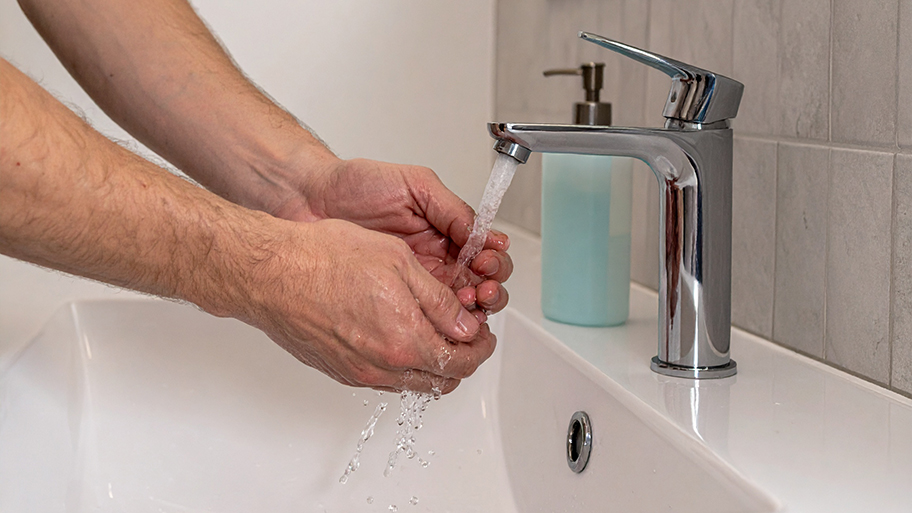
If you notice low flow with a specific fixture, such as low water pressure in your kitchen faucet or one showerhead, you’re likely dealing with a fixture issue. The fixture might be clogged or need a new aerator, or you might need to replace it altogether.
Talk to a few neighbors to find out if they’re also experiencing low water pressure. If so, the problem could be your water company. The company might be performing maintenance or repairs, which could lower your water pressure temporarily.
It’s possible the company could also be having issues that are affecting the local water supply. Call them directly or check their social media accounts for an update on when it’ll be fixed.
Corrosion could be the culprit behind your low water pressure. As corrosion develops, it narrows your pipes over time, slowly reducing water pressure. If your water has a red or orange tint that runs clear after a few seconds, you could be dealing with corroded pipes.
Now that you know how to identify the likely cause, let’s explore how to fix your water pressure problems:
Once you’ve identified a leak, you can clean and seal it yourself. More serious leaks may require replacements and help from a local plumber.
To find the water meter valve, locate your water meter. You can spot it on an exterior wall of the house, in your garage or basement, or in an underground box on the property. The valve is open when the valve handle is parallel to the water pipe.
Locate the main shut-off valve either on an exterior wall or in utility areas within the home, like the basement, laundry room, or garage. A gate valve looks like a wheel; spin it counterclockwise fully to open it. A ball valve has a lever; like the water meter valve, ensure the lever is parallel with the pipe to open it.
Plumbing chemicals are your friend for mineral or debris buildup in pipes. But if you’re dealing with corrosion, the pipes need to be replaced. This is a big job best handled by a professional. If left alone, the corrosion can lead to massive, costly damage. Corroded pipes can burst and flood your home.
Replacing pipes can cost upward of $10,000 in a two-bathroom home, but flooding can be more costly.
Try to coordinate with your fellow housemates to alleviate the strain on your water. Plan to run the dishwasher or washing machine at night while no one is showering or cooking. As an added bonus, you might also save money on utility bills by running water-consumptive appliances during non-peak times.
Is your pressure regulator failing? Sudden, house-wide changes in water pressure are a clear indicator of a broken pressure regulator. To confirm any suspicions, attach a water pressure gauge to an outdoor water spigot, where you hook up a garden hose.
If the water pressure is below the recommended threshold of 52 to 75 pounds per square inch, call a professional to fix the broken pressure regulator. This is not recommended as a DIY project because it involves shutting off the water and replacing the pressure regulator with an accurate model.
Faulty fixtures are one of the more common plumbing problems, and fortunately it’s a fairly easy issue to fix on your own. First, the showerhead or faucet might just be clogged, so give them a scrub to dislodge any dirt or buildup. Experts recommend changing faucet aerators about once a year and cleaning them regularly.
You can save money by fixing low water pressure problems yourself, but it’s not always a good idea. Most people can complete simple fixes themselves, like clearing minor clogs and closing water valves. But for more complex problems, like fixing extensive pipe corrosion or repairing major leaks in hard-to-reach areas, it’s best to hire a professional. Otherwise, you run the risk of creating more costly problems. So, when in doubt, save yourself the time and headaches and call a pro to tackle the problem for you.
Nobody likes a weak shower or a faucet that trickles instead of flows. To keep your home water pressure strong and steady, start with prevention:
Check for Leaks: Even a small drip can signal bigger plumbing issues, so keep an eye on your visible plumbing.
Remove Mineral Buildup: Minerals in pipes and fixtures slow things down. Regularly clean showerheads, faucet openings, and aerators with vinegar to remove buildup and keep them flowing. Call a faucet repair pro near you if your fixtures are damaged or need replacement.
Inspect Your Pressure Regulator: If your home has a water pressure regulator, make sure it’s functioning correctly. Faulty regulators can suddenly reduce water pressure or make it go sky high, which can cause frustratingly low flow or be bad for your pipes.
Flush the Water Heater: Sediment buildup at the bottom of a water heater tank can restrict flow, which can slow hot water to a trickle. Flush your water heater (or have a pro do it) annually or more often if you have hard water.
Consider Your Pipes: Aging galvanized steel pipes can corrode and clog over time, leading to systemic low water pressure.
Call a Plumber: Have a pro inspect your water system regularly, especially if you’re experiencing sudden water pressure changes.
I contracted them to remodel my kitchen and was so pleased with the results that I hired them again to remodel a bathroom The workmanship is excellent. He handled electrical plumbing painting and tile and fixtures installation. Nothing was ever a problem and he conducted himself in a...
 J&Co Remodeling
As an association board member, I was looking for a licensed and insured handyman, who would be available when we needed repairs for our 4 floor, 30-unit building. They needed to be responsible and experienced in a multitude of jobs. I also needed someone who would also be available for a...
 The Grove Handyman
When my kitchen sink commenced leaking, I knew I wished professional assist, so I contacted Sunrise Plumbing. Their group arrived right away, assessed the problem, and successfully repaired the leak. Their professionalism and attention to element were evident in the course of the technique....
Bobby, was great from the start of the project. He really listened to what we wanted and gave us great suggestions on our project. I was amazed at how detailed his work is as well as consideration for cleaning up after himself. He treated our home with the same respect as if it was his own...
My one negative comments is that the work was a bit pricey. Good, thorough, but too expensive, and the cut out in the garage to get to the plumbing in the master bath was not closed up.
 Custom & Master plumbing
I seeked plumbing services on Angi website and Ms. Natalie was the first person to instantly call upon requesting quotes. I was amazed and grateful that she was able to coordinate for a Plumber to come on the same day and within 30 minutes. I was sent the Plumbers information, Mr. Jose Ortiz....
 Florida Green Plumbing, Inc.
Everything went great, I had no problems reaching the office by phone and they were quick to schedule me. Carlos took care of everything just as needed. I would call on them again for plumbing help.
 George Salet Plumbing Inc
We hired C&D plumbing because we have a very complicated piping system and we had a clog that no other plumber was able to unclog. I found them on Angie's list and since the first day that Rosemary contacted me over the phone, they have been very on top of the issue and they have delivered...
 C & D Plumbing Inc
Good service on the phone. Expensive. I had a bad experience with a battery I bought from them. Picked up the generator to get it fixed at another place.
 Piper Construction
Ralph was amazing from A to Z plumbing. When you get your service ask for Ralph he is always on time and completes the job in a timely manner. Will keep A to Z locked in my phone for any future incidents. Don’t second guess calling A to Z ask for Ralph to be your tech. Wish I could give the...
 A to Z Statewide Plumbing
From average costs to expert advice, get all the answers you need to get your job done.
The average cost to replace a bathroom faucet typically ranges from $170 to $360. Faucet installation costs often vary based on the selected fixture hardware.

The cost to cap a gas line is relatively low, as plumbers can handle the job in roughly an hour. We break down cost factors and DIY considerations.

Under the sink, behind the tub, or through the walls—pipe replacement costs for small projects run the gamut. Here's what to know.
Replacing or upgrading plumbing in your home? Make sure you know how to measure pipe size accurately to avoid buying the wrong materials.

Read how to properly vent your toilet, sink, and shower and learn the importance of effective plumbing ventilation to ensure a well-functioning and odor-free bathroom.
Shower diverters will wear down over time and eventually need repairs. This guide will show you how to fix a shower diverter and get your shower working again.