
Raising the roof on a Cape Cod house adds valuable living space. Learn how much it costs to raise the roof on a Cape Cod house and what affects the price.
Cape Cods may be simple to look at, but there's no doubt they survived the test of time

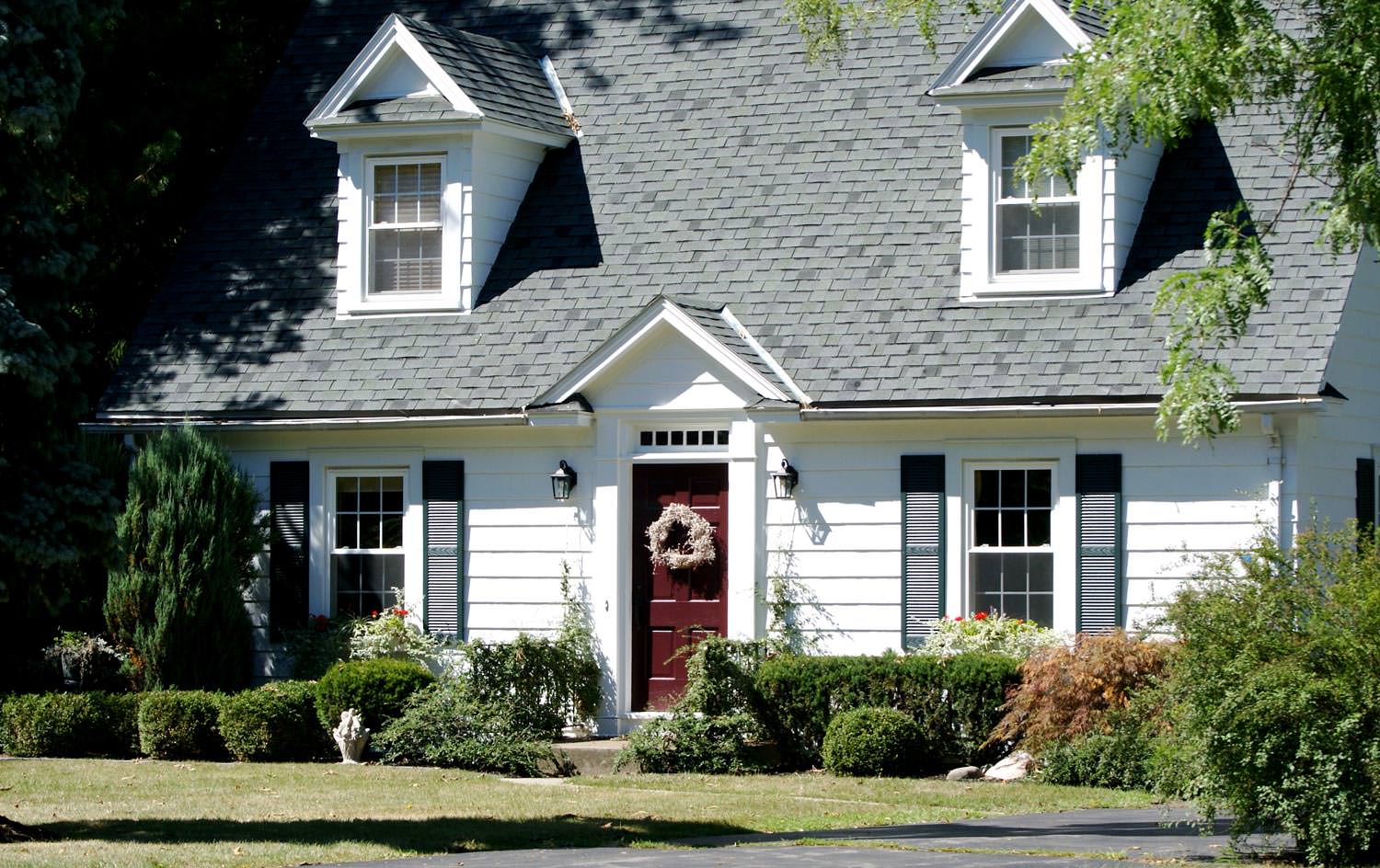
A Cape Cod style house features a symmetric rectangular frame, sharply pitched roof, and central chimney, designed to protect against harsh New England weather.
Your home's layout centers on simplicity and practicality, with one or two rooms on the main floor and a steep staircase leading upstairs.
Check your Cape Cod for outdated weatherproofing issues like poor insulation, water damage, and rot from permeable materials that need modern upgrades.
Hiring a local home building professional provides reliable guidance on restoring historic features and upgrading outdated systems while preserving your home's classic charm.
If you sailed across the Atlantic back in the days of the Puritans, there's a solid chance you would have ended up in a Cape Cod-style home. These New England colonial favorites celebrated pragmatism and simplicity—you could say it was one of the original minimalist movements. But they’re not just a thing of the past; Cape Cods made a roaring comeback in the middle of the 20th century, though with a few more modern amenities.
Seventeenth-century European settlers had a few obvious goals when it came to architecture: affordability, simplicity, and protection against the harsh New England weather we still know today.
The Cape Cod-style home is a great example of how to do a lot with a little. This design was the structure of choice for settlers of the New World, and it's easy to see why. The homes featured a sturdy, rectangular base with an affordable post-and-beam structure, a sharply pitched roof to deter snow accumulation, and a center chimney to warm the small interior. The clapboard or shingle-clad siding caught the heat of the sun and stood strong against seaside storms.
When the style became highly recognizable across the area, the Yale President of the time, Reverend Timothy Dwight, coined the term “Cape Cod” in reference to homes of the area.
Cape Cods hung around until the middle of the 19th century, but not without upgrades. Architects built a half-floor on top of the home for more space, installed hardwood floors for better insulation, and added dormer windows to allow more light and air upstairs.
You wouldn't spot another wave of Cape Cods until its revival period in the 1920s through the post-WWII era. The well-known architect Royal Barry Wills brought them back into fashion, aiming to support post-depression and post-war families in times when practicality and affordability became priorities once again.

It's quite easy to mix up a Cape Cod home with other similar styles, especially because trends blended throughout the 20th century. You'll find Craftsman homes with the Cape Cod structure, as well as bungalows and cottages with similar layouts. But there are a handful of unrefuted aspects of both the old-school Cape Cod home and one that sprung up in the past hundred years.
One of the first indicators of an old Cape Cod is its size. Often referred to as the Cape Cod cottage, the layout will typically fall between 1,000 and 2,500 square feet. But, of course, not all cottages are Cape Cods or vice versa.
Here are some additional ways to spot if you live in a historic Cape Cod from the 17th through 19th centuries:
Symmetric, rectangular frame
The door at the center of the facade is flanked by two windows
Windows with multi-paned glass (these were less expensive than large panes)
Very minimal ornamentation on the facade
Clapboard or shingle siding
Later homes have uninsulated crawl spaces
Gable and hipped roof, either facing the street or side of the house
Sharp slope to deter snow collection
Shingle roofing
One chimney at the center of the roof
Occasional dormer windows
One or two-room layout
Steep staircase leading to half-floor or full second floor
Otherwise, the bedroom was on the first floor as well
Pine floorboards
Low ceilings

Leap ahead a hundred years, as you'll find a wider range of Cape Cods with larger floor plans, more building materials, and modern amenities like up-to-code insulation, heating, and electricity.
Still quite small and symmetrical, up to around 2,500 square feet
Between two and four base-floor windows, dormer windows came later
Small stoop or entranceway, rarely a porch
Doorway sat off to the side in more cases than before
Wood or aluminum siding
Decorative shutters
More flexibility in style, including elements of the Tudor, Craftsman, or Colonial Revival designs
Still sharply pitched
Protected with stone, cement, or board-and-batten shingles
Chimney now set off to the side of the house
Gable still facing either the road or side of the home
Hallway or foyer added as a transition space
The traditional staircase lead to half or whole second floor
Central heating added
Insulated crawl spaces or basements

If the list above helped you finally narrow down exactly what type of home you live in, there are some things to know about restoring and caring for these classic dwellings. Even Cape Cod revivals from the ’50s or ’60s present upgrade challenges such as outdated knob-and-tube wiring or a ventless HVAC system. Here are some things to keep in mind specifically for restoring Cape Cod.
There's no question that a 17th century Cape Cod home is an early-American icon. Always be sure to chat with your local history society about additional permits you may need alterations. It's also important to work with a highly experienced contractor when making changes to old homes, especially those who have worked on several-hundred-year-old structures.
The original homes came with helpful tactics for fighting back the salty and cold air of the sea, but not all of them stood the test of time. Lower ceilings mean less space and lower natural light. Central fireplaces can clog up the layout and may need replacing for safety purposes. Water damage and rot are common issues with older Cape Cods due to their poor insulation and permeable building materials.
Whether you opted for a traditional Cape Cod or a revival, you're likely to have few rooms to work with when it comes to interior design. However, take advantage of an open floor plan by getting creative with a designated dining room, home office, and seating area in one space. You can either lean into the tiny house minimalist trend, or head the other direction, and embrace the cottagecore opportunities in your cozy space.
Cape Cod-style homes celebrate the ultimate New England charm, even when you find them across the entire Eastern Seaboard. In most cases, your home counts as historic or a revival—and both varieties need a little extra TLC from skilled and vetted local home builders to keep them up to code and cozy all year round.
If you’re good people wanting to do business with good people, hire Matt. He is a consummate professional and utterly competent. He installed a water heater in my home at a price that beat competitors by hundreds of dollars with a promise to support the unit for its life (even after its 6 yr...
 Greene's Plumbing Services
This company does it right. Firstly, I want to say that Landan was a joy to work with. He was so kind, transparent, and had everything under control. His entire team showed up ready to work and they were all very respectful of the fact that we were in an office space. A little backstory – we...
 Krumlauf Floors
Great communication throughout from discussion of the project, and its options, to installation. They found a number of unforeseen challenges when mounting my TV and soundbar to, what was found as, an untraditional wall that didn’t allow for wires to be hidden behind the wall. The team was...
 Tether House
Professional and great to work with. Reliable, detail-oriented and knowledgeable. Will hire again in the future!
 P&P Painting, LLC
Custom Paint Jobs LLC took our exterior from drab to fab! We couldnt be happier.
 Custom Paint Jobs, LLC
The guys at PaveWay are top notch. From the estimate to the job being completed,all was done in a timely and professional manner. I myself was a DOT Engineer Inspector(know what to look for) and got to talking with Cameron and he himself was a Contract inspector for a few years,same job as...
 All Star Paving and Sealing
Before choosing a real estate agent, we conducted a lot of research to see who would be the best choice. Homes that Click stood out as the best Columbus has to offer: their rankings are excellent, their social media presence was strong, and I could tell they put a lot of work into their...
 Homes That Click Realtors
I have witnessed Mary Goodwin's knowledge, determination, and persistence in real estate and the way she professionally guides her clients throughout the home buying process. I am in the early stages of looking for a home, but already feel confident in the process with Mary leading the way.
 Ed Huck Team
Called Mark on a Thursday morning. Not really knowing if he could help me or not. I was having driveway, flooding issues due to a clogged channel drain and I was trying to figure out what direction to take. Heavy rains had come on Monday and again on Thursday leading to flooding in my garage...
 Mark Rodgers Construction
These guys are the real deal! Their pricing was definitely competitive and fair; nothing really to write home about. But when it came to attitude and installation they knocked it out of the park. I had 3 estimates and while one was similar $$ to Eco's, the can-do and professionalism Steve...
 Eco Glass Designs
From average costs to expert advice, get all the answers you need to get your job done.
Raising the roof on a Cape Cod house adds valuable living space. Learn how much it costs to raise the roof on a Cape Cod house and what affects the price.

A cottage is a popular home style that has been around for centuries and is going through a resurgence. But what is a cottage? Find out in this complete guide.
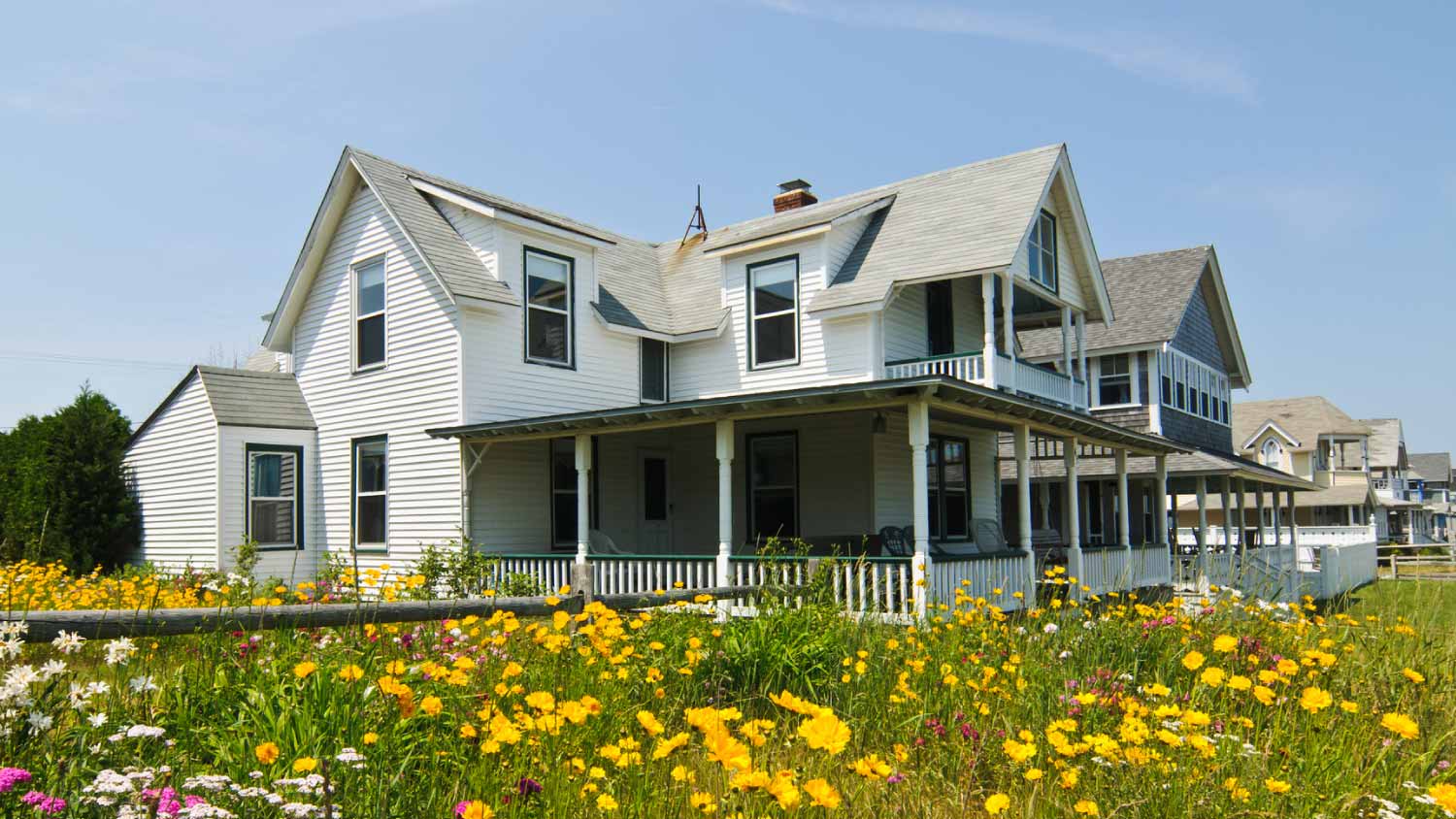
Choosing among the six best roofing materials for Cape Cod homes means finding the right mix of charm and durability. Learn more about your options.

The U.S. has a wide variety of popular house styles. Learn more about common architectural styles and which is best suited to your needs.
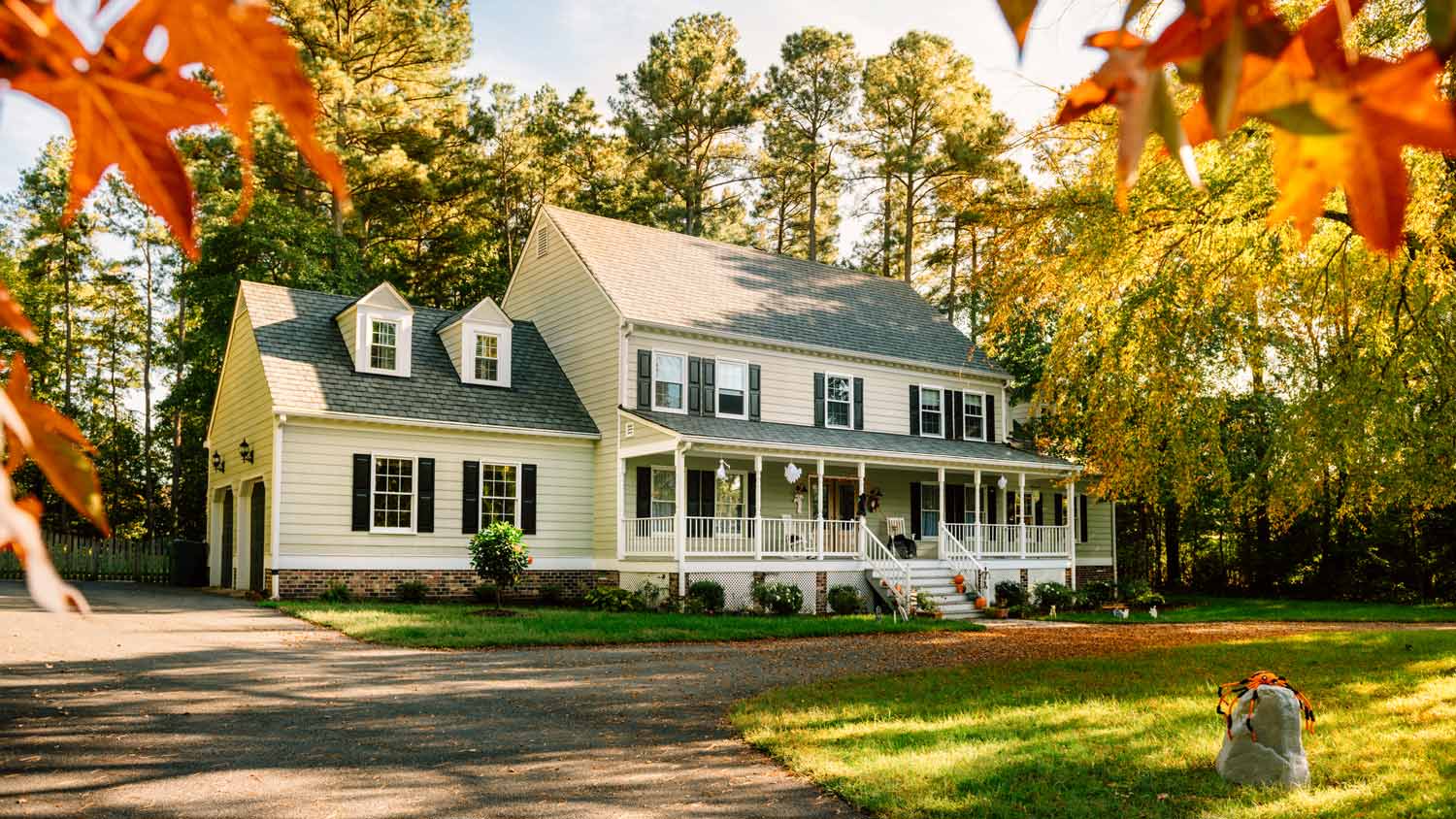
A Colonial-style house has much more to it than stairs and shutters. Learn about its history, types, and pros and cons here.

Are you a passionate DIYer or would you prefer to move into a fully renovated home? Let's discuss turnkey homes and whether it's best for you.