

The cost of asbestos testing varies based on location, property size, test type, and other factors. Here’s a breakdown of the costs to conduct an asbestos survey.
Learn how to seek out asbestos in your home like a pro

Homes built between the 1940s and early 1980s are the most common sign your house has asbestos, especially without major remodeling.
Typical costs range from $230 to $800 for asbestos testing and $1,100 to $2,800 for professional removal to keep your home safe.
Asbestos exposure causes serious health risks including mesothelioma, lung cancer, and asbestosis, which scars your lung tissue over time.
Hiring a local asbestos testing professional provides peace of mind through accurate testing and safe removal, keeping you and your family protected.
Like natural gas, asbestos is invisible to the naked eye, and it‘s odorless. If asbestos is invisible and odorless, how can you detect signs of asbestos in a house?
There are a few indicators of asbestos that a quick DIY investigation can identify, and then it’s best to hire a professional to test the suspect areas. Here’s a guide to what to look out for (and where to stay away from) to keep your home safe.
According to data from Angi customers, 31.1% of homeowners have had their ceilings tested for asbestos, and 16.8% have had insulation throughout their home tested. Other common areas for testing include drywall and siding. It’s important to test for asbestos throughout your home to prevent serious respiratory problems, so call an asbestos removal company for professional testing ASAP.
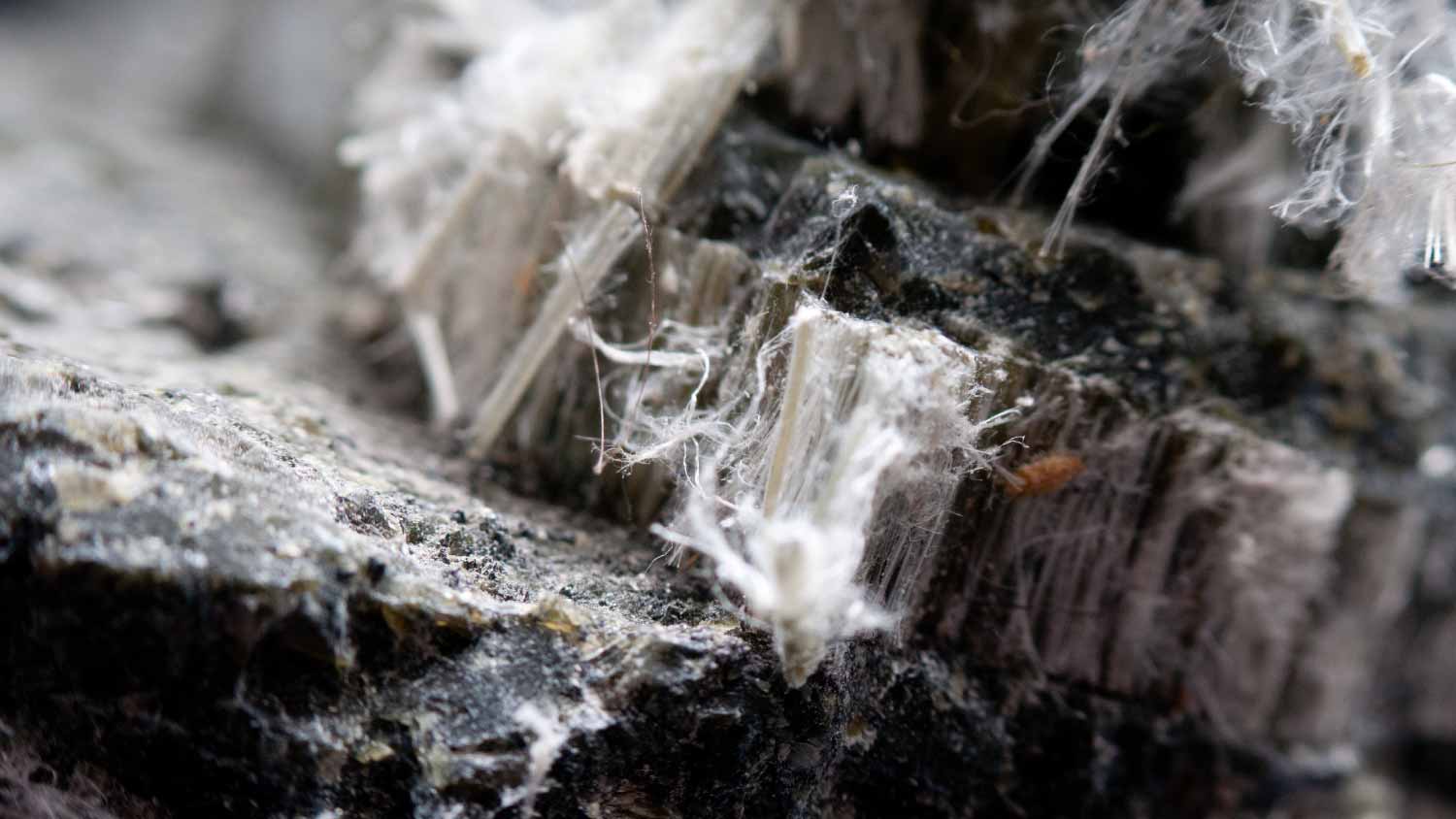
Asbestos refers to clusters of six natural minerals: chrysotile, amosite, crocidolite, tremolite, anthophyllite, and actinolite. Both the EPA and OSHA regulate the use of asbestos because it’s considered highly toxic. From the 1930s through the 1970s, asbestos was often used in construction materials like flooring tiles, insulation, and pipework, according to OSHA.
Even though you can’t see asbestos, it can cause major health concerns you’ll notice over time. Being exposed to asbestos can cause mesothelioma, in addition to lung, ovarian, and laryngeal cancers. Even more, some people can develop asbestosis, which is a condition where the lung tissue becomes progressively scarred.
It’s important to note that asbestos exposure is cumulative—that is, numerous short-term exposures can add up to cause the same health problems as long-term exposure.
Leave asbestos removal to the professionals. Long periods of exposure to a high volume of disturbed asbestos can have harmful effects on your health, including serious diseases like asbestosis, mesothelioma, and lung cancer.

Asbestos is commonly found in older homes' insulation, pipes, flooring, roofing, and textured ceilings. Before investigating, make sure you wear protective hear and avoid direct contact with materials that you suspect might contain asbestos. While these four signs may hint at asbestos, the only way to be completely sure is to have a professional test it.
If your home was built between the 1940s and the 1980s and you haven’t had any major remodeling, you most likely have asbestos in your home. But if asbestos is so harmful, then why was it used in homes before the 1980s?
Asbestos was an inexpensive, fire-retardant material that was an effective insulator. Besides these qualities, asbestos was also strong and resistant to chemicals, water, and electricity, making it almost the perfect construction material. Even though asbestos exposure was initially linked to cancer in 1934, it wasn’t until 1989 that the EPA started to phase out asbestos materials in the construction industry.
If you have an older home and are unsure of its history, consulting an asbestos testing pro near you will be your best bet to see if you have asbestos lurking somewhere you don’t want it.

Even if you have a home that was built after 1980, your home might have asbestos insulation or vermiculite insulation. This type of insulation was used from 1940 to the early 1990s due to its odorless and fire-resistant properties. Unfortunately, some vermiculite insulation can contain asbestos, putting you and your family at risk for health problems.
Vermiculite insulation is usually light and gravelly with a texture similar to tiny pebbles or coarse sand. To check, peek into your attic or any other area where insulation might be exposed. If your insulation has this granular appearance and shines a bit, it’s likely vermiculite. Be sure to avoid handling it directly.
It’s better to be safe than sorry—if you are unsure if your home is adequately air-sealed or has the proper insulation levels, call a professional to have your insulation tested.
If you think you have vermiculite insulation, do not attempt to remove it yourself. Any disturbance to the insulation can release asbestos fibers into the air. It’s always best to consult an asbestos specialist to handle the removal for you.
With some vinyl flooring installed between 1952 and 1982, asbestos can be found in the adhesives and backing of the floor tiles. Even more, companies like Congoleum and Armstrong used asbestos as a glossy finish on the top of their vinyl floor tiles to give it a “no wax” quality.
Similarly, millboard used as insulation and fire protection around furnaces and other heat sources can also contain asbestos. This was used between 1906 and 1990, making it a widely used health hazard. Note that repairing or removing an appliance with millboard around it could release asbestos fibers.
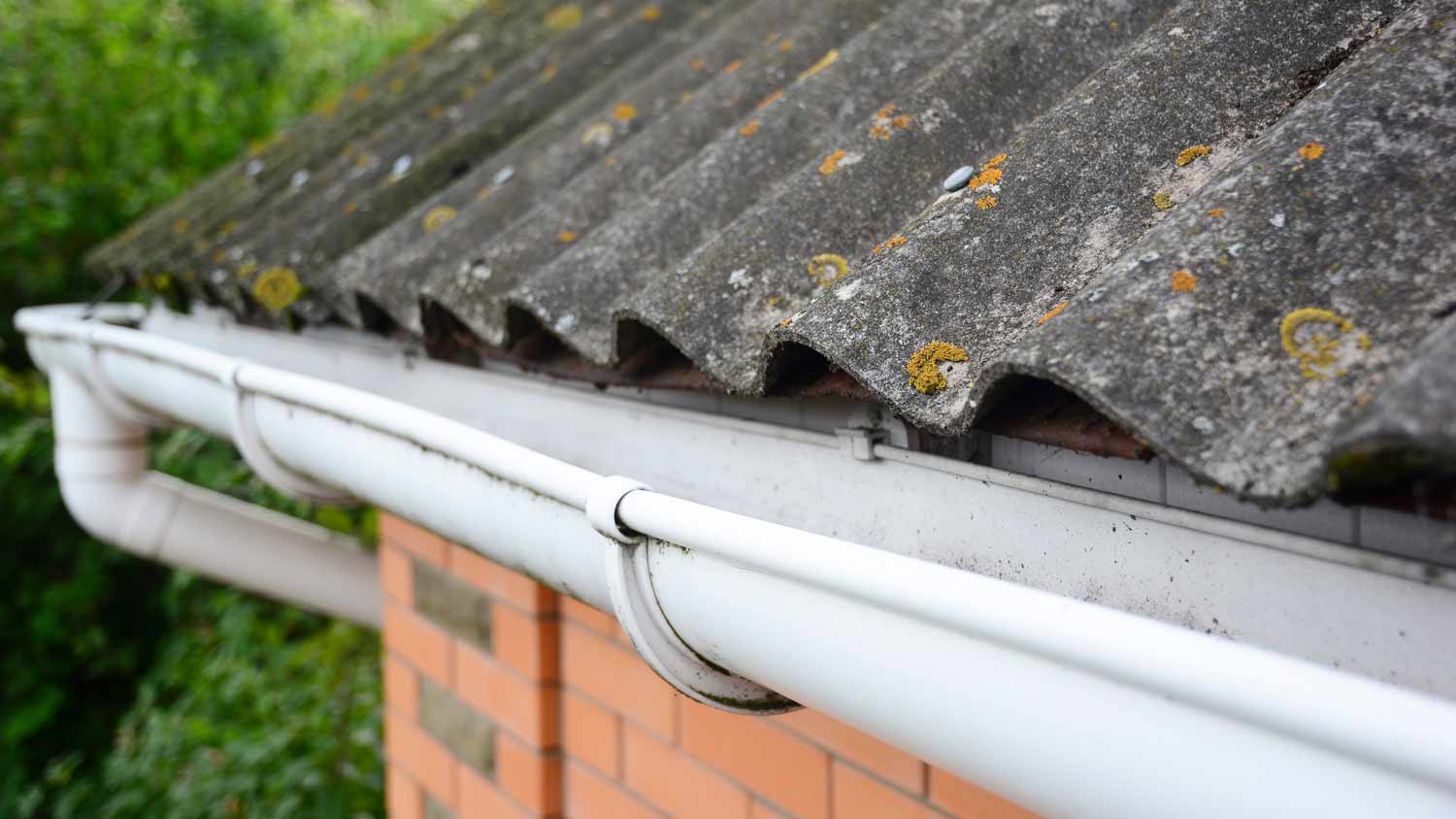
Your roof isn’t something you may look at often, but there could be hidden dangers right above your head. Corrugated asbestos sheets have previously been used in roofing, especially in factories and farms. Even though asbestos sheet production in the U.S. ended in the 1980s, it was legal to import from other countries until recently. There are new EPA asbestos regulations that completely ban the use of asbestos products.
Although the ban helps to protect future families, it’s still important to note that your home’s existing roof could have asbestos fibers. If the corrugated roofings has a slightly textured surface or looks a bit worn or brittle, it could be an older asbestos cement product. However, it’s difficult to tell just by looking. It’s best to call a pro to assess asbestos levels.
The EPA highly recommends hiring a professional to test for asbestos. Some states allow homeowners to test their properties themselves, in which case you can purchase kits from online retailers. Check with your local health department to determine if your community requires you to hire an asbestos specialist.
| DIY Asbestos Testing | Professional Asbestos Testing |
|---|---|
| Less expensive option | More accurate testing and results |
| Quick way to test your home | Less risk to your health |
| Potentially dangerous for your and your family’s health | Minimal disruption to potential asbestos fibers |
| May not meet regulatory standards in some states | Recommended by the EPA |
When it comes to removing asbestos from your home, we never recommend a DIY approach. Even disturbing the potential asbestos could cause you to inhale the fibers, which could cause severe health problems.
Your next steps after determining that your home has asbestos vary, depending on the type of asbestos, where it’s at, and whether or not it’s friable. Friable asbestos means that the material could easily break apart, allowing the material to become airborne (and dangerous). Some materials contain asbestos, but they are non-friable. These materials, in good condition, may still be safe.
Depending on the condition of the asbestos, your local asbestos removal specialist may choose to repair the areas containing asbestos with an encapsulant or remove it. If the professional determines that the asbestos needs to be removed, you’ll need to stay out of the home until they perform an air test to ensure all residue is gone.
The cost of asbestos removal can feel expensive, but it’s well worth the price. Asbestos removal costs between $1,100 and $2,800 on average.
Never attempt to remove asbestos from your home yourself.
One of my old tall evergreen trees was suddenly leaning toward the busy street in front of my house. I submitted a request for an emergency tree inspection, and Alejandro, owner of Cajete Tree Service, contacted me immediately and arrived to look at it just 20 minutes later. We agreed the...
 Cajete Tree Service LLC
Terrible experience. Walls/trim/floors/cabinets/doors all have drip marks, overspray, etc. Tiling at the fireplace had to be redone by another vendor due to incorrect and shoddy install by Profect. Contractor had his children in our house while he was on site without prior authorization or...
 Profect painting & exteriors
Lyle did a great job removing asbestos shingles from our front porch roof. They worked together with our roofer to make sure that the new roof was able to be installed on the same day that Lyle removed the asbestos shingles.
 Lyle Environmental
Involved an extensive bathroom remodel, including removing tub & installing walk in shower, new drywall, custome tile work to ceiling, plumbing, etc. Overall, job was done on time and on budget. Nick & his team were very professional and had high attention to detail. Quality was great. Highly...
 Stamos Flooring and Remodeling LLC
A team of 2 spent 5 hours, cleaning top to bottom (removed all light fixture and cleaned.... impressive!!!)
 Luzia's Cleaning
Great Job!!! Martin called me after I requested a estimate on Home Advisor. He was very professional and actually went the same day and looked at the tree I needed removed gave us a estimate and I felt it was very aggressive so I did not even call for any other bids. I asked him how soon he...
 Reyes Tree Service LLC - Home Facebook
Mike and his crew did a great job working through a very challenging task. The job required a full demolition of our ceiling, removing the blown in insulation and removing all the material from the site daily. It involved multiple inspections from the city and many challenges to get the...
 Rising Height Unlimited
Removed various items (furniture, lamps, other junk) from my home. They were on time, personable, professional, etc. I can't say enough positive things about this company. <br />
The task proved more difficult than anticipated. When they arrived the first day, they had no tools with them at all, and had to make a run to purchase appropriate tools. It was quickly determined that the paper had to be steamed off, and neither the workers, nor the company itself, had...
 ABS Interiors of Mid-Ohio LLC
We needed them to do extra work to remove existing wallpaper, and provide full primer and painting/trim work around existing furniture etc, during a move-in period. They did everything top-notch with minimal mess. They were always extremely on time, and very professional. They also cleaned...
From average costs to expert advice, get all the answers you need to get your job done.
The cost of asbestos testing varies based on location, property size, test type, and other factors. Here’s a breakdown of the costs to conduct an asbestos survey.
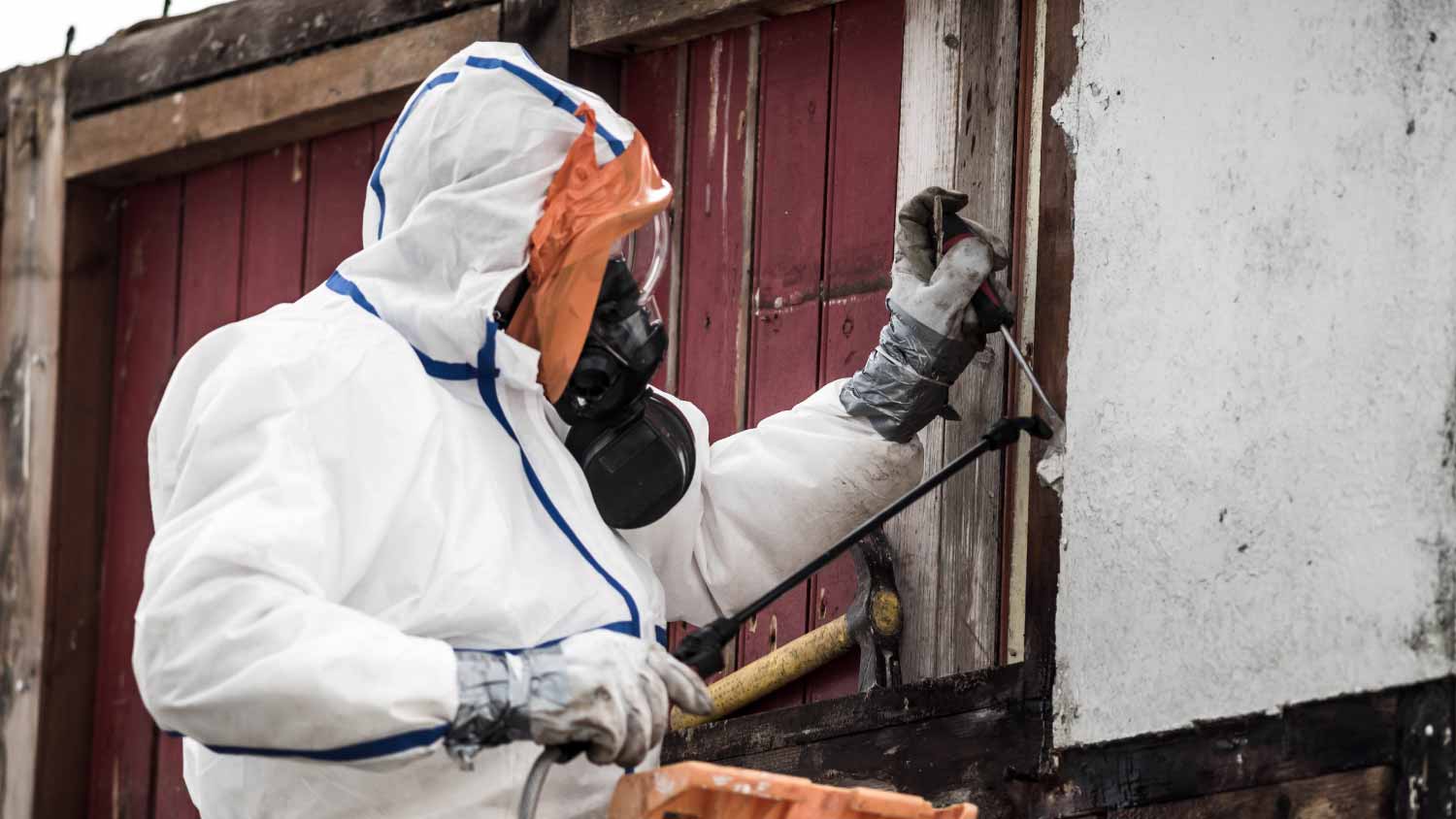
Cleaning your house after asbestos exposure can be risky. In most cases, you should hire a pro. Learn why dealing with this mineral is so dangerous.
When you are wondering how to test for asbestos, you can use a DIY at-home testing kit or you can reach out to a local asbestos testing company.
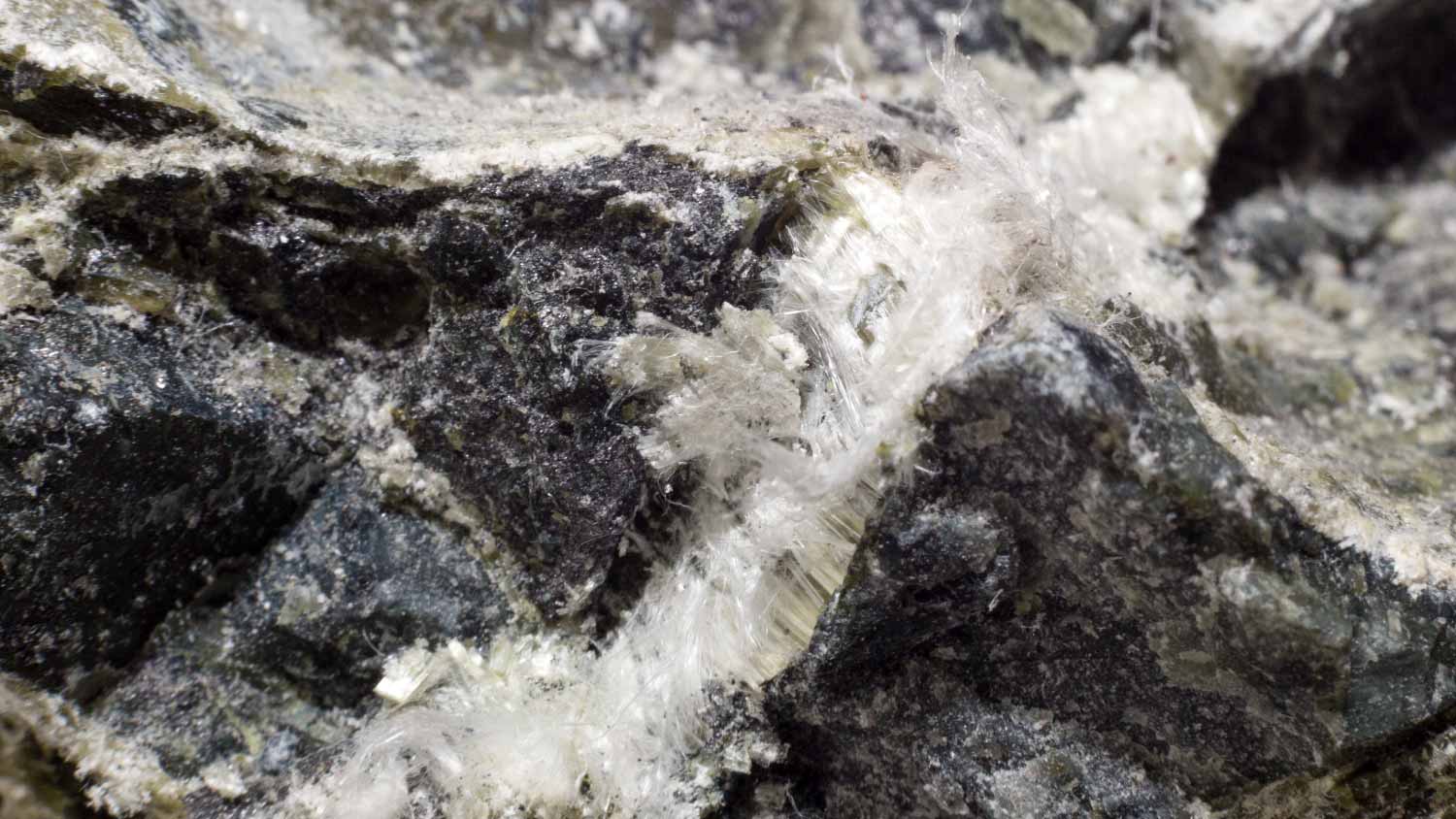
What is asbestos? It’s a naturally found mineral fiber used in home construction before the 1980s. Asbestos is carcinogenic when inhaled.
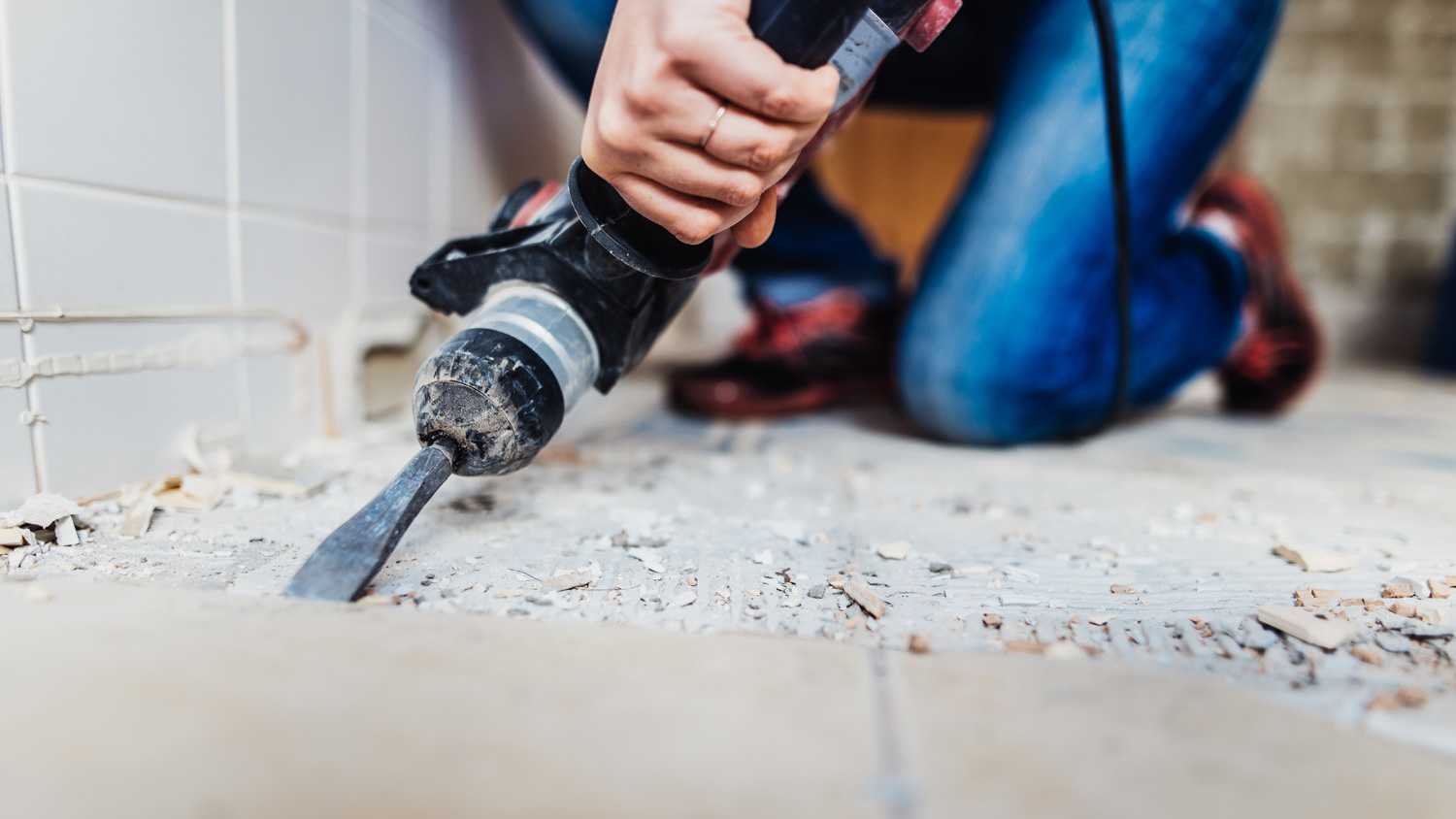
What are asbestos floor tiles and how can you tell if they’re in your home? Learn how to identify asbestos floor tiles, risk, and removal.
If you're wondering when was asbestos used in homes to ensure you're living in a safe environment, here's what you need to know about this ex-housing material.