
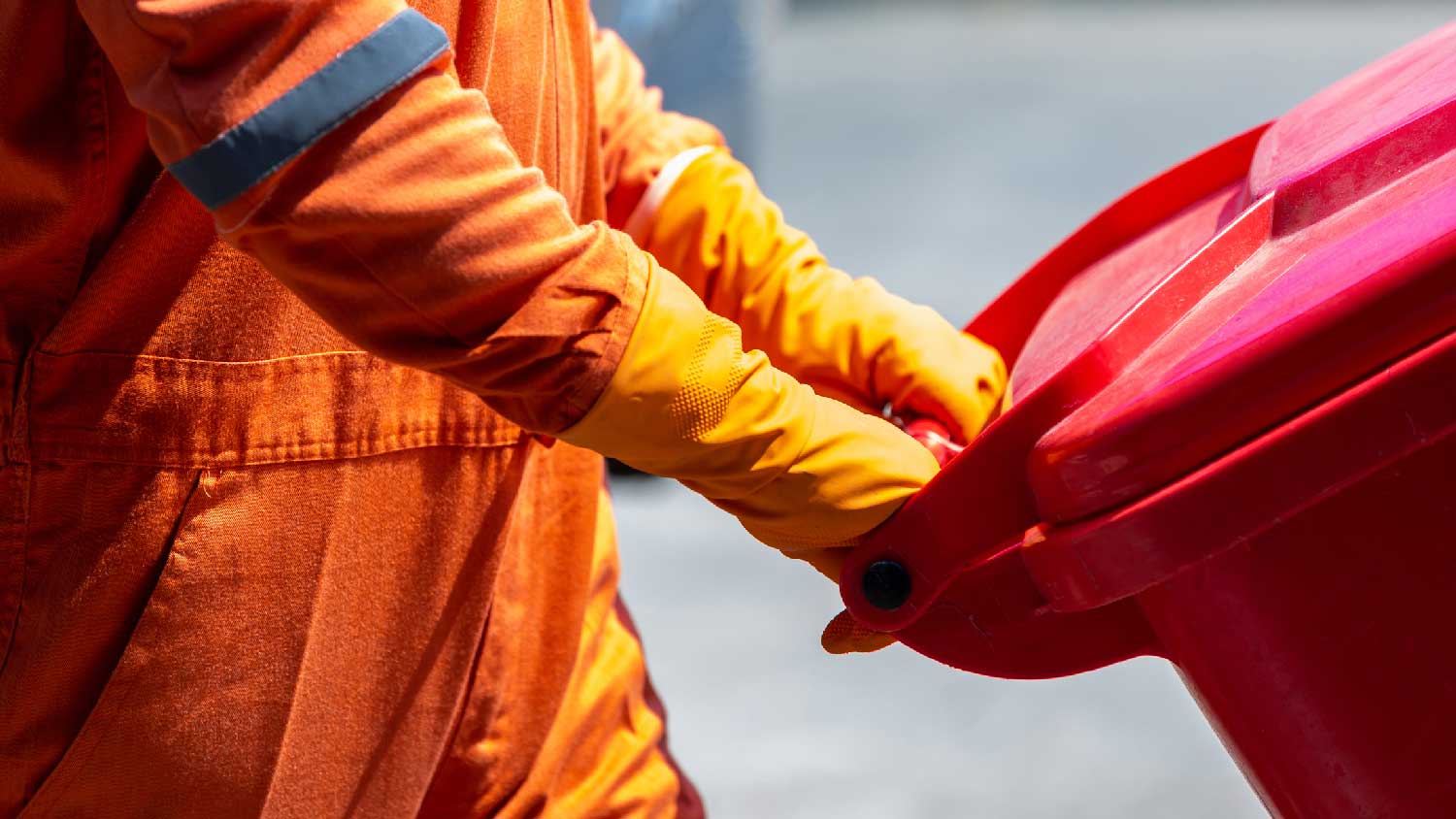
Need to get rid of paint, solvents, or other chemicals? Use this guide on hazardous waste disposal costs to see what professional removal will cost.
Ready for some trash talk?

Choosing the right waste disposal method depends on your waste type, with recycling for glass and aluminum, composting for organic matter, and landfills for most household trash.
Expect to pay $60 to $700 for junk removal services, with average costs around $250, while dumpster rentals range from $200 to $800 per week for larger projects.
Dispose of hazardous waste like paint, chemicals, or electronics through specialized collection programs to prevent contamination and keep your home and community safe.
Hiring a local junk removal professional provides reliable support with proper disposal methods and hazardous waste handling, keeping your home clean while protecting the environment.
Everyday life can generate a lot of waste, from product packaging to food scraps. Fortunately, there’s a wide variety of waste disposal methods to responsibly get rid of household waste. This guide explores some of the most common types of waste disposal, their benefits and drawbacks, and why it’s so important to make sure you dispose of your waste properly.

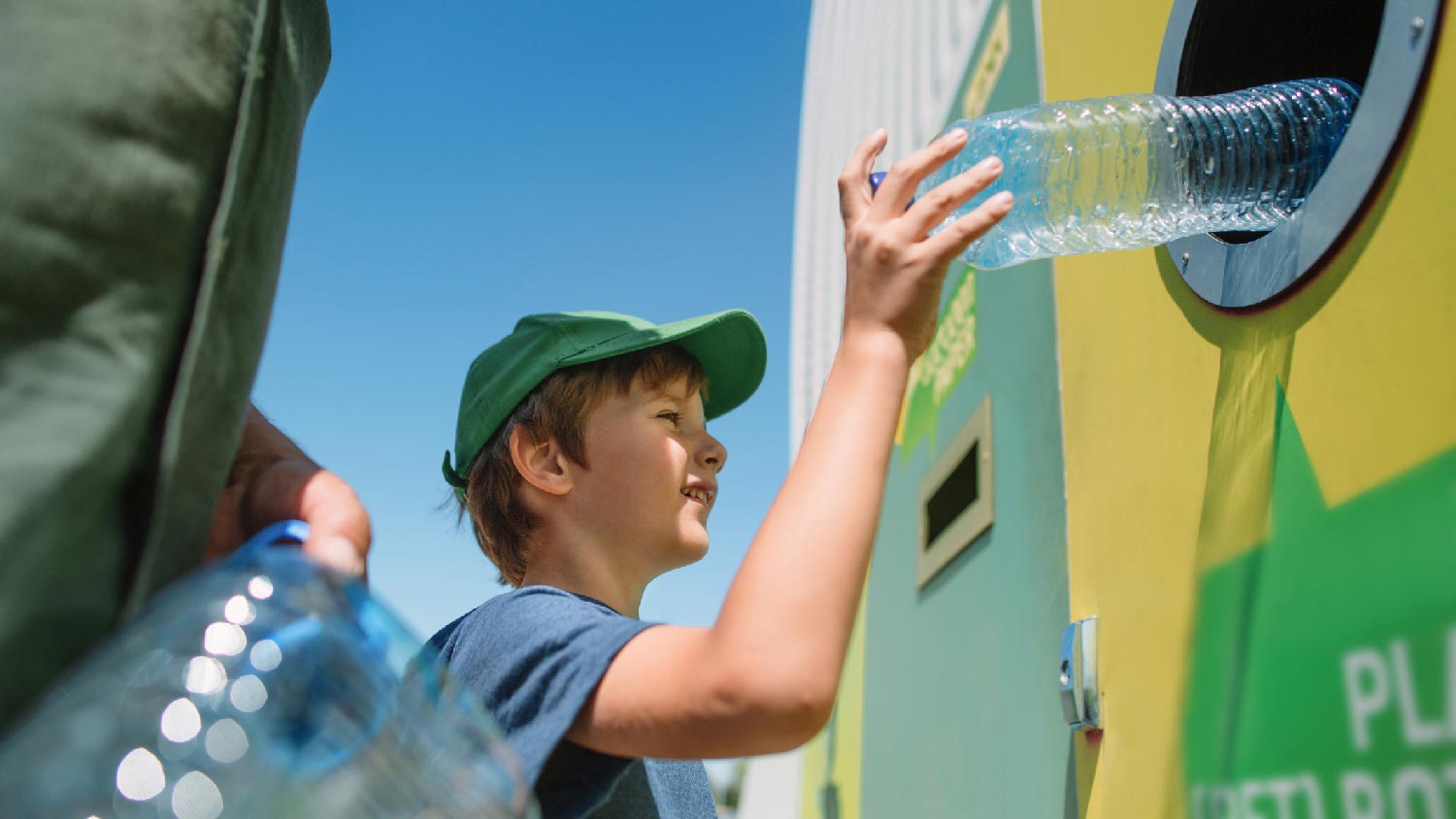
“Reduce, reuse, recycle” has been a popular slogan for the eco-conscious for decades, and household recycling is widely available in many areas. Once you’ve reduced household waste, you can send recyclable materials for processing to keep even more waste out of landfills.
Recycling takes household waste made of materials like glass, paper, aluminum, and some kinds of plastic and converts them into materials used in various consumer goods and industrial applications.
| Pros | Cons |
|---|---|
| Reduces total landfill waste | Expensive to process |
| Creates usable recycled materials | Batches can be easily contaminated |
| Reduces energy needed to manufacture new materials | Recycling process can harm the environment |
Best For: Household in areas with established recycling programs
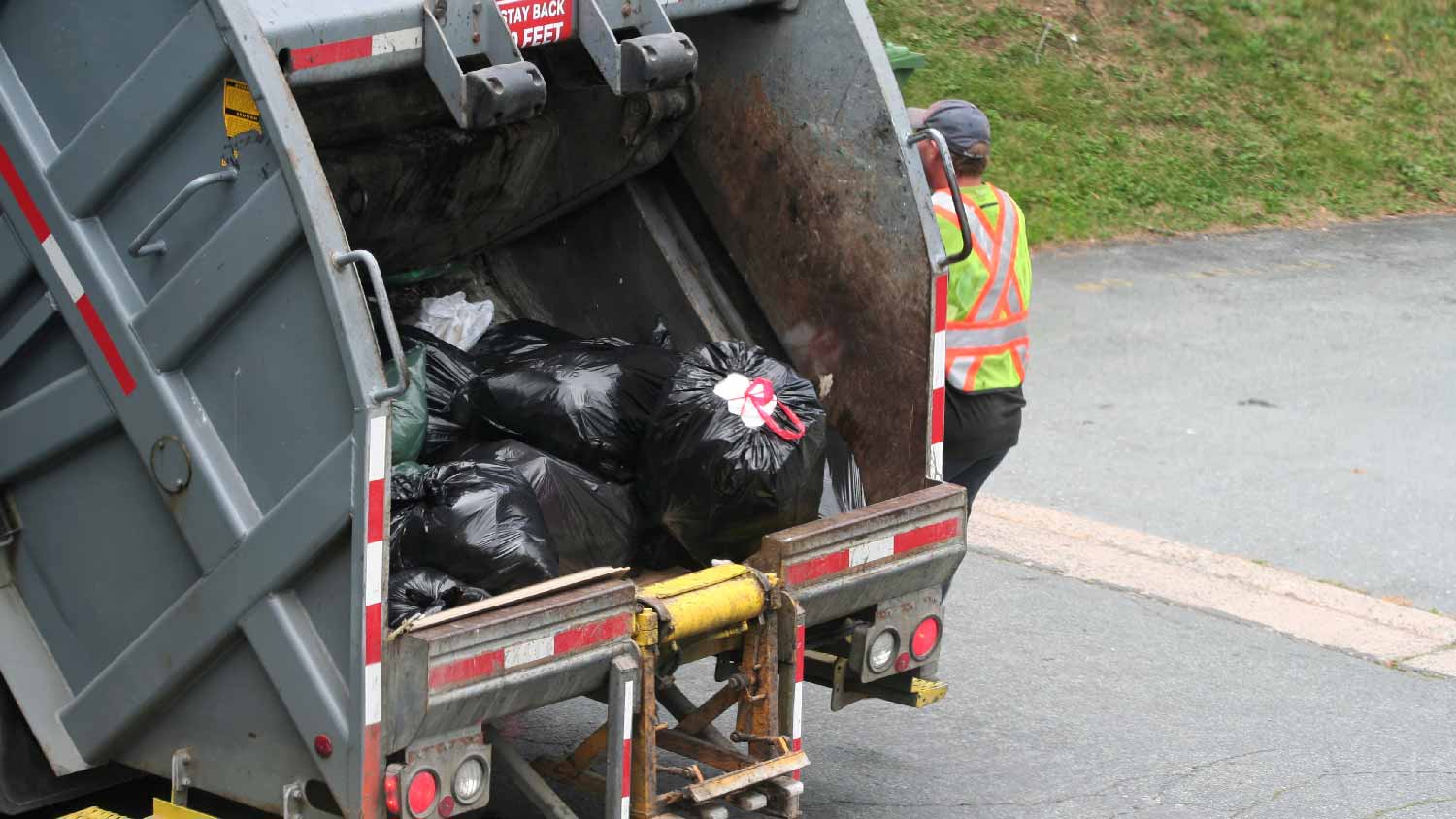
Landfills are where household trash that can’t be recycled ends up. A landfill is an area that contains layers of waste over a protective lining to protect the soil and groundwater. Layers of waste are covered with layers of soil to reduce odors and deter pests.
When you throw your trash in a garbage car or hire someone to haul your junk away, your items will most likely end up in a landfill. Disposing of recyclable materials or organic waste using another method can help keep landfill waste to a minimum.
| Pros | Cons |
|---|---|
| Convenient and easy | Can contaminate soil and groundwater |
| Helps keep populated areas clean and sanitary | Produces unpleasant odors |
| Well-established collection systems | Renders large amounts of land unusable |
Best For: Households in areas with municipal or private trash collection

Incineration uses combustion to burn waste, converting it to gases and ash. Incineration generates energy, which can be converted to electricity to feed back into the power grid. This waste disposal method reduces waste volume by 90% or more, but it’s not without its drawbacks. Incineration plants can emit pollutants, although newer facilities have modern treatment methods to reduce emissions and harmful byproducts.
| Pros | Cons |
|---|---|
| Reduces waste volume | Emits harmful environmental pollutants |
| Generates energy | Expensive to implement |
| Doesn’t require large amounts of land | Byproducts can be harmful to nearby residents |
Best For: Areas without large amounts of land for landfills
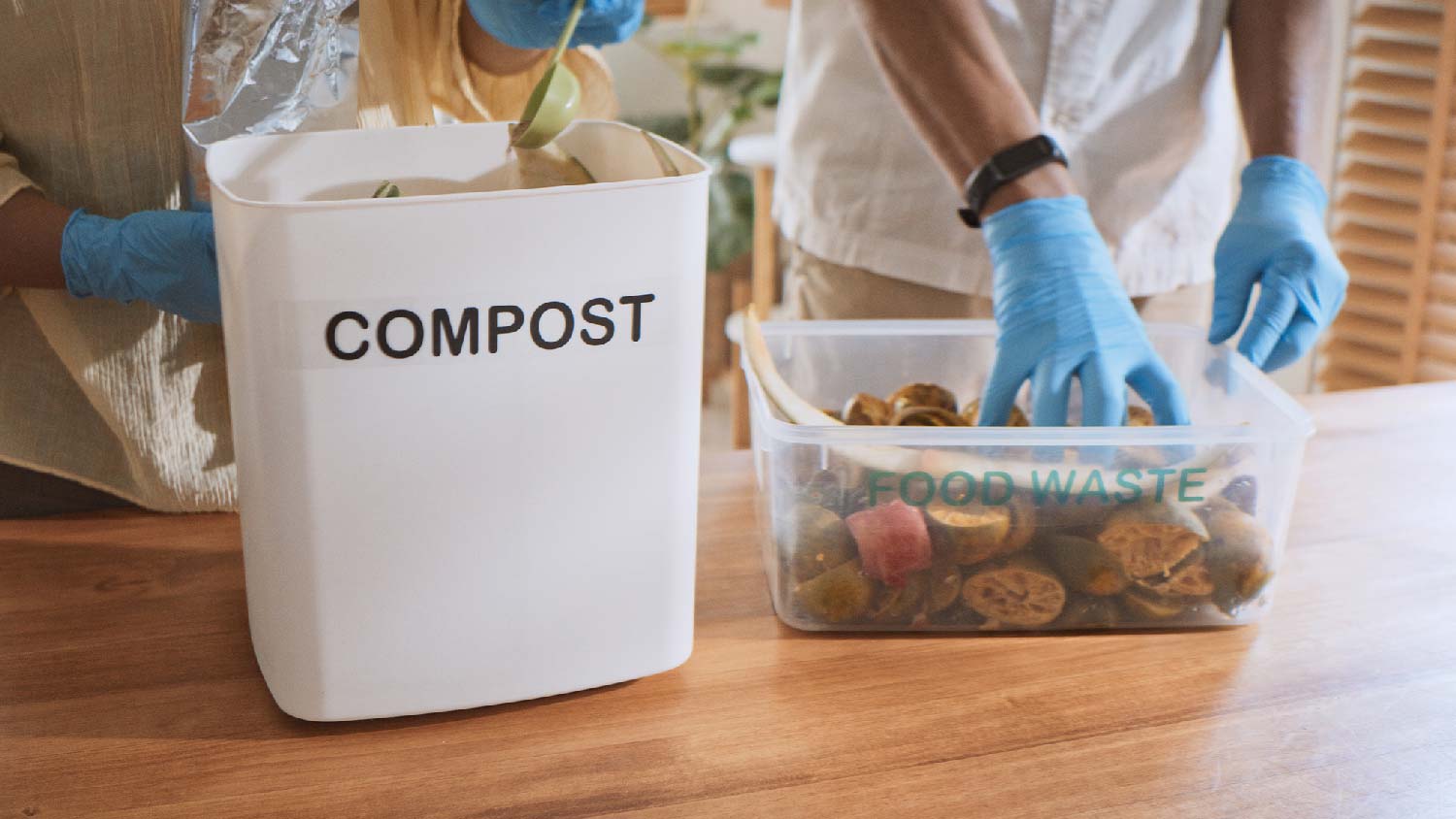
One way to dispose of organic waste is by composting. This method introduces microbes into accumulated organic waste, which turns it into usable fertilizer. Composting can improve soil quality and water retention and is a popular waste disposal method for both nature-loving households and agricultural areas.
Composting can be done easily at home with a small amount of ground space or a store-bought composter. In addition, many areas offer municipal or private composting programs that collect organic waste from residents and bring it to a central composting facility.
| Pros | Cons |
|---|---|
| Eco-friendly | Can attract pests and wildlife |
| Creates nutrient-rich fertilizer | Slow process |
| Reduces landfill waste | Can be labor-intensive |
Best For: Home gardeners and people in areas with large agricultural activity
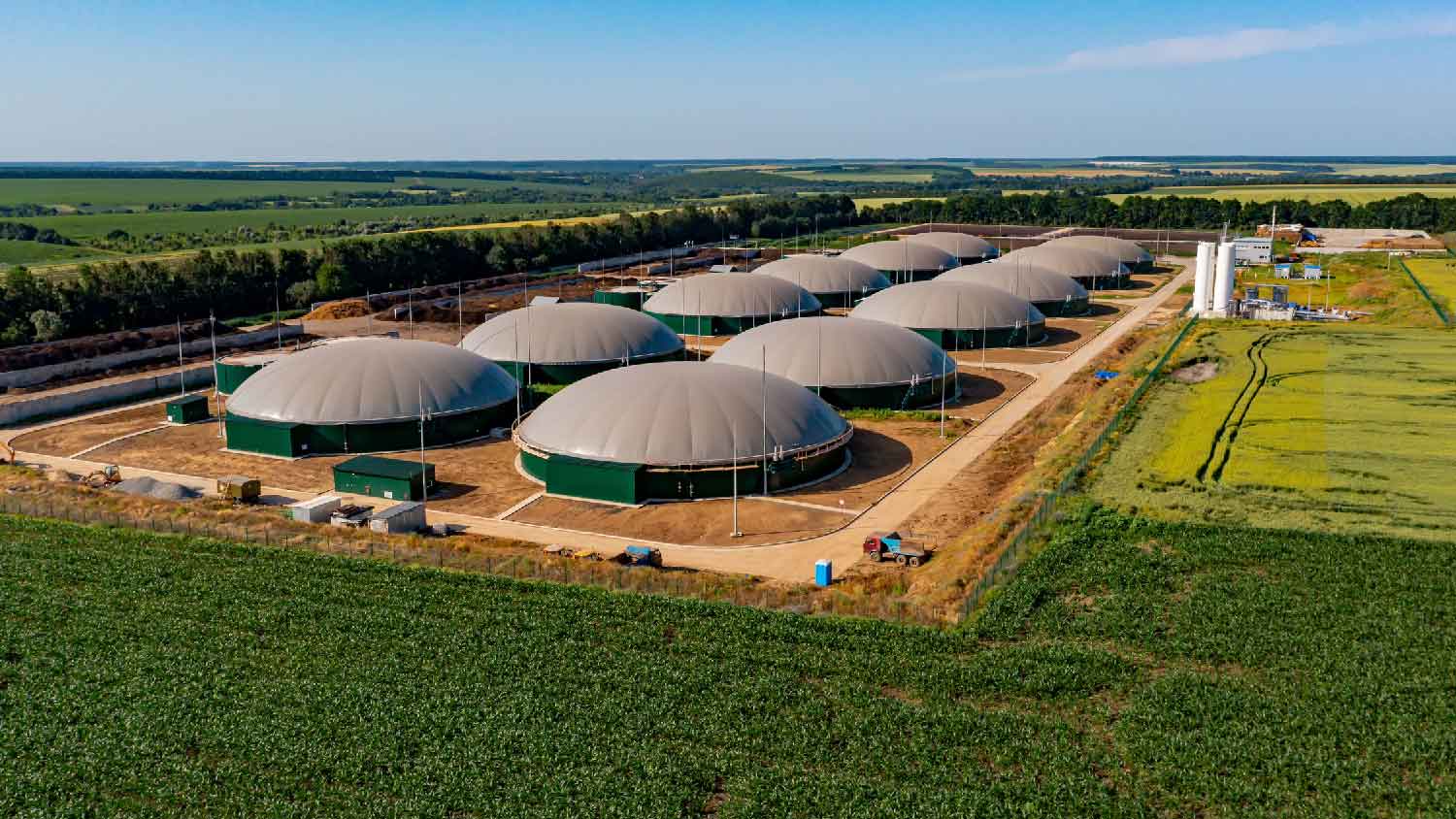
Biogas generation is the process of converting organic waste like food, crop waste, and animal waste into fuel. Bacteria is introduced to the waste in an oxygen-free environment, converting the waste into fuel that can be used to power engines, fuel cells, and microturbines. The residual byproduct of biogas generation can be used as fertilizer.
This process often takes place at biogas generator plants, although home biogas generators are becoming more readily available.
| Pros | Cons |
|---|---|
| Eco-friendly | Can only be used for organic waste |
| Sustainable fuel source | Limited processing plants |
| Repurposes both waste and the process’s byproducts | Can pose safety issues |
Best For: Areas with established biogas plants; homeowners living off-grid
Disposing of household waste properly benefits not only your home but the planet as well. Keeping residential areas free of waste helps deter pests and provides a clean, sanitary living environment. With so many options for disposing of organic waste, recyclable materials, electronic waste, and more, it’s easier than ever to dispose of waste responsibly.
Whether you use a local junk removal company, municipal trash or recycling collection, or a backyard composter, you can get rid of household waste conveniently and responsibly, making your home and the surrounding environment a cleaner place to live.
If you aren't able to put your waste out for regular municipal waste pickup service, then removal costs will vary by the method you use and the type of waste you have. Junk removal costs an average of about $250, but your total bill could range anywhere from $60 to $700.
Hazardous waste removal costs between $250 and $500 per ton
Furniture removal costs between $50 and $400 per item
Tree debris removal costs anywhere from $75 to $625, depending on the amount
Yard waste cleanup costs $200 to $600 on average
Construction debris removal costs $100 to $1,000 depending on project size
DIY waste removal can also vary in cost and complexity depending on the method. If you have a relatively small amount of waste and a large enough vehicle, you can bag the waste and haul it to the appropriate disposal facility for the cost of a landfill fee. Depending on the type of waste you have, you may be able to recycle or donate it instead.
This is much more time-consuming and inconvenient for large amounts of waste, for which the better solution is a dumpster rental. Dumpster rental costs between $200 and $800 per week in most places, and dumpsters can handle most types of waste, including yard waste and construction debris.
If you don't have the time or ability to perform waste removal yourself, there are professional services who can haul junk. These services are also ideal if you have hazardous waste such as paint, chemicals, or electronics. Pros are trained in safe hazardous waste disposal.
Amazing job. Efficient and quick without compromising quality. Basement feels brand new. Would use them again in a heartbeat.
 AffordaPro Restoration
Best cleaning I've had at my property
Scam. DO NOT use this company. We had a move where a Black Tie employee left the job site early (unknown to us until after the fact) and stole $40,000 worth of a private collection we had in a box that he watch use box up. On top of this we had several items missing and damaged where we had...
Fantastic group, very communicative, and they really did a great job cleaning my condo. Will be hiring them for recurring cleaning!
 eMaids of Northern Columbus
This company went above and beyond with their work, chimney sweeps are usually pretty messy, but the clean up was spot on.!! Josh explained every thing that he was doing, and the things that he was checking to make sure the chimney was safe for me and my family. He was very professional,...
 Supreme brick & chimney
I definitely recommend Ramonaâ s cleaning service! I have booked services with her many times and she arrives on time, ready to work and provides a great service.
 Your Cleaning Solutions LLC
Amazing! I’ve had plenty of services over the years and Mary Cleaning has gone beyond what I thought was possible. ❤️ them!
It was just fine. They did a good job. They cleaned what needed to be cleaned.
 Dezired Cleaners LLC
They cleaned my very dirty basement. They were prompts, quick, thorough and their price was fair.
 JDE House Cleaning LLC
The company was very easy to work with. My family is now able to enjoy a space that at one point, only collected junk!!!! I feel like i have a whole new addition to the house!!! Wonderful work Blurock on our basement, will recommend!
 BluRock Services, Inc.
From average costs to expert advice, get all the answers you need to get your job done.
Need to get rid of paint, solvents, or other chemicals? Use this guide on hazardous waste disposal costs to see what professional removal will cost.
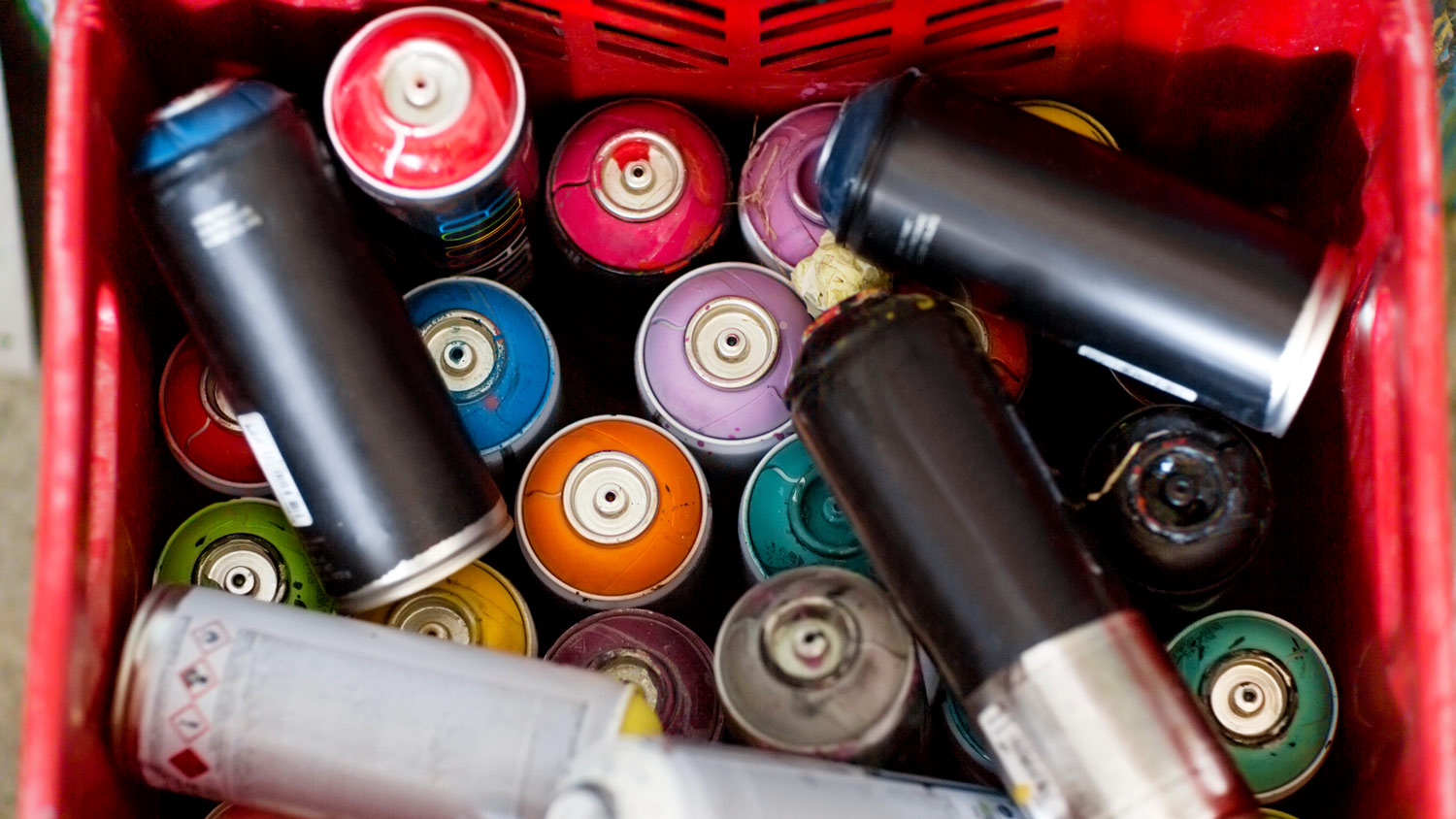
Found an old spray can while cleaning? Read our article about how to dispose of aerosol cans that are not empty and safely de-clutter your home.

Find out what is considered electronic waste, why these electrics are tossed rather than recycled, and why they can be harmful to the environment.

Properly disposing of hazardous waste ensures the health and safety of the environment. Learn who disposes of hazardous waste and how to find them.

Garbage disposals aren’t a fail-proof method of disposing food waste and other items. If misused, you can damage your appliance, the drainage system, or both. This guide discusses what to—and what not to—put into a garbage disposal.
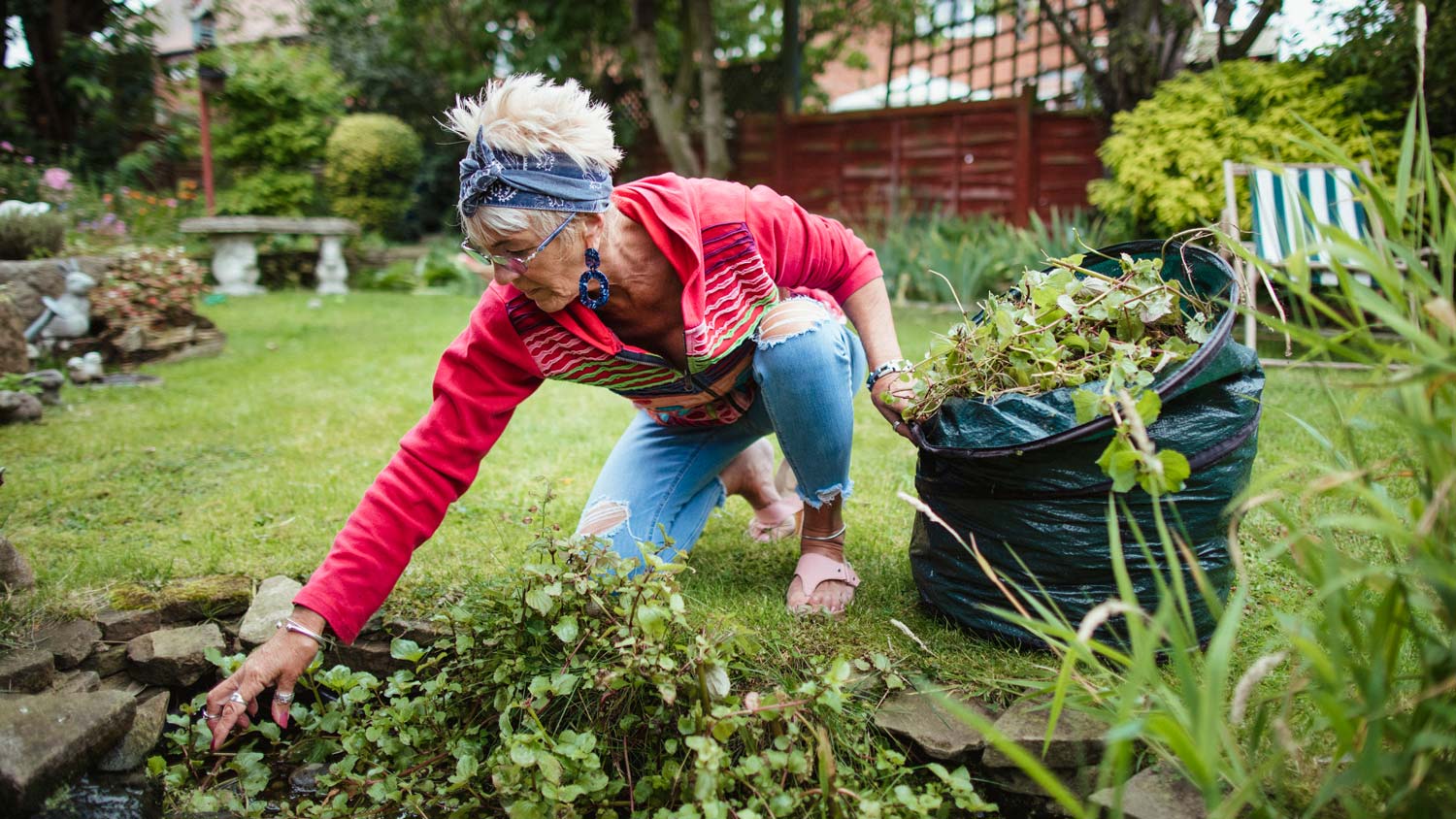
Cleaning up your yard can leave you with a lot of yard waste. Hire a yard cleanup service to pick up your yard waste and dispose of it.