

The cost to paint a hallway or foyer depends on several factors, including paint type, size of the room, and whether you DIY or hire a professional.
Pick the proper paint for your project

Different types of paint include water-based latex, acrylic, and oil-based options, and your choice depends on where you're painting and the look you want.
Acrylic paint works best for exterior projects because it resists weather damage and expands with temperature changes, keeping your home's finish looking fresh for years.
Interior paint comes in various sheen levels from matte to glossy, and you can choose latex for easy cleanup or specialty paints like chalk or milk paint.
Hiring a local interior painting professional provides expert guidance on paint selection and ensures smooth, even application for a polished, long-lasting finish.
Home painting projects are a great way to express your style and give your home the exact look you want. Even before you decide what paint color will look best, there’s a dizzying array of paint types to choose from. There are three main types of paint: water-based (latex), acrylic, and oil-based, and many additional types of specialty paint, each ideal for a different kind of project. We’ll explore ten types of paint so you can choose the best paint for your project.

Once you’ve decided on which type of paint and color works best for your home, you’re probably eager to get started on an interior painting project. According to Angi data on homeowners ready to paint up to five rooms, 45% want to complete the project within two weeks. About 22% of homeowners are still in the planning and budgeting stages, meaning they’ll need some help from a pro before finalizing any decisions.
Water-based, or latex, paint is the most common type of interior paint found today. It’s available in a range of paint sheen levels from matte to super-glossy and is easy to apply and easy to clean. Latex paint is a popular choice for wall and ceiling paint and is low in volatile organic compounds (VOCs), which makes it an environmentally friendly option.
| Pros | Cons |
|---|---|
| Comes in many sheen levels | Less durable |
| Low VOCs | Prone to fading |
| Easy to apply | Can cause wood to swell |
Best for: Interior walls and ceilings
Acrylic paint is known for its ability to adhere to a variety of surfaces and its durability once dry. It expands and contracts, so it’s less likely to crack or peel due to fluctuating temperatures. It’s also water-resistant, making it ideal for outdoor projects and rooms with high humidity, like bathrooms and kitchens.
| Pros | Cons |
|---|---|
| Durable | More expensive |
| Adheres to many surfaces | Higher VOCs |
| Water-resistant | Harder to apply |
Best for: Exterior projects and high-humidity rooms like bathrooms
Oil-based paint has become less popular than it was in earlier decades, falling out of fashion due to its complicated application and difficult disposal. This paint gives a durable, hard finish once dry and offers a polished, professional look, but if you’re interested in oil-based paint, you may want to hire a professional painter. This paint is hard to apply, takes a very long time to dry, and has strict regulations regarding its disposal. A local interior painter will be able to navigate the complexities of oil-based paint if you have your heart set on it.
| Pros | Cons |
|---|---|
| Professional, polished finish | Expensive |
| Durable | Difficult to apply |
| Doesn’t need frequent touch-ups | Strictly regulated disposal |
Best for: High-end trim and furniture, high-traffic areas like hallways
Enamel paint offers a high-gloss, hard-surfaced finish. Enamel paint is most often made with a mixture of solvents or water-based liquids and resins that begin to harden when exposed to air. This reaction leaves a strong, durable finish that makes enamel paint ideal for painting on metal, cabinets, appliances, and more.
| Pros | Cons |
|---|---|
| Hard, durable finish | High VOCs |
| Easy to clean | Difficult to clean up if spilled |
| Withstands heavy use | Expensive |
Best for: Metal, cabinetry, handrails, appliances
Chalk paint is a water-based paint that’s most often used to paint furniture. It can be used with various finishes and waxes to give a matte look that’s popular among fans of farmhouse vintage style. This paint can be thinned with water for an even more sheer finish or used full strength for more coverage. Chalk paint should be re-waxed every few years to maintain its vintage feel.
| Pros | Cons |
|---|---|
| Easy to use | Need to be re-waxed regularly |
| Requires little prep | Can’t be used on laminated wood |
| Easy to clean up | Can look streaky |
Best for: Refinishing wood furniture
If you love the luxe look of metallics, metallic paint allows you to get that high-shine finish on a variety of surfaces. Made to mimic various metals, such as gold, bronze, or copper, or adding a shimmery finish to a base color, metallic paints can be used as an accent or the main feature. Metallic paints come in a range of formulations for different surfaces, so be sure you pick one made for your type of project.
| Pros | Cons |
|---|---|
| Eye-catching style | May require extensive prep |
| Makes rooms look brighter | Can be difficult to get an even application |
| Adds a luxe feel | Expensive |
Best for: Trim, accent walls, furniture, decor accents
This environmentally friendly paint is typically made from milk proteins, lime, and natural pigments like clay and is a popular choice for restoring furniture. It’s often sold as a powder, so you need to mix it with water before use. Milk paint results in a vintage or distressed finish with a slight sheen, unlike chalk paint’s matte finish.
| Pros | Cons |
|---|---|
| Long shelf life | Needs to be mixed |
| Vintage finish | Difficult to apply consistently |
| Eco-friendly | May need to be sealed |
Best for: Furniture restoration, accent walls, wood mantels and hearths
While not technically a paint, primer is an important part of the painting process and is applied using the methods you use for paint. This base layer is brushed or rolled on before paint to act as a barrier between the paint and the surface being painted and to give an even, consistent paint finish. Primer covers stains and darker paint that may bleed through lighter paint colors, protects drywall, and allows paint to adhere properly for a long-lasting finish.
| Pros | Cons |
|---|---|
| Promotes paint adhesion | Adds time to painting process |
| Protects surfaces being painted | Extra cost |
| Cover stains and dark colors | Need the right primer for paint type |
Best for: Painting unfinished drywall or wood, covering darker paint colors
Interior paint is specifically made for interior walls and ceilings and is most commonly latex or acrylic. This paint comes in a range of sheen finishes, is easy to clean, and is available in an almost endless array of colors. Some homeowners choose to DIY interior painting projects, while others find it worth the cost to paint their home’s interior to hire a pro for the best results.
| Pros | Cons |
|---|---|
| Easy to clean | Less durable |
| Easy to apply | Needs multiple coats |
| Variety of colors and finishes | May need frequent touch-ups |
Best for: Walls, ceilings, interior finishes
Exterior paint is designed to withstand the elements and keep the outside of your house looking fresh for years to come. Acrylic paint is often used for exteriors due to its durability and resistance to mildew, mold, UV rays, and water damage.
| Pros | Cons |
|---|---|
| Long-lasting finish | More expensive |
| Resistant to weather damage | Moderate VOCs |
| Thick, durable coverage | Limited finish options |
Best for: Siding, shutters, doors, exterior features
Custom Paint Jobs LLC is the go-to choice for all your painting needs. They painted both the interior and exterior of my house flawlessly. Their work speaks for itself!
 Custom Paint Jobs, LLC
Beginning with the estimate, Larry and Peyton were super helpful in getting my new condo's interior re-painted. Not only was the job well done, but also done in a super timely manner as promised.
 Five Star Painting of Plain City and Powell
From average costs to expert advice, get all the answers you need to get your job done.
The cost to paint a hallway or foyer depends on several factors, including paint type, size of the room, and whether you DIY or hire a professional.

The best paint for a deck varies depending on where you live, your deck’s existing paint, and more. Read this deck paint guide to help you decide.
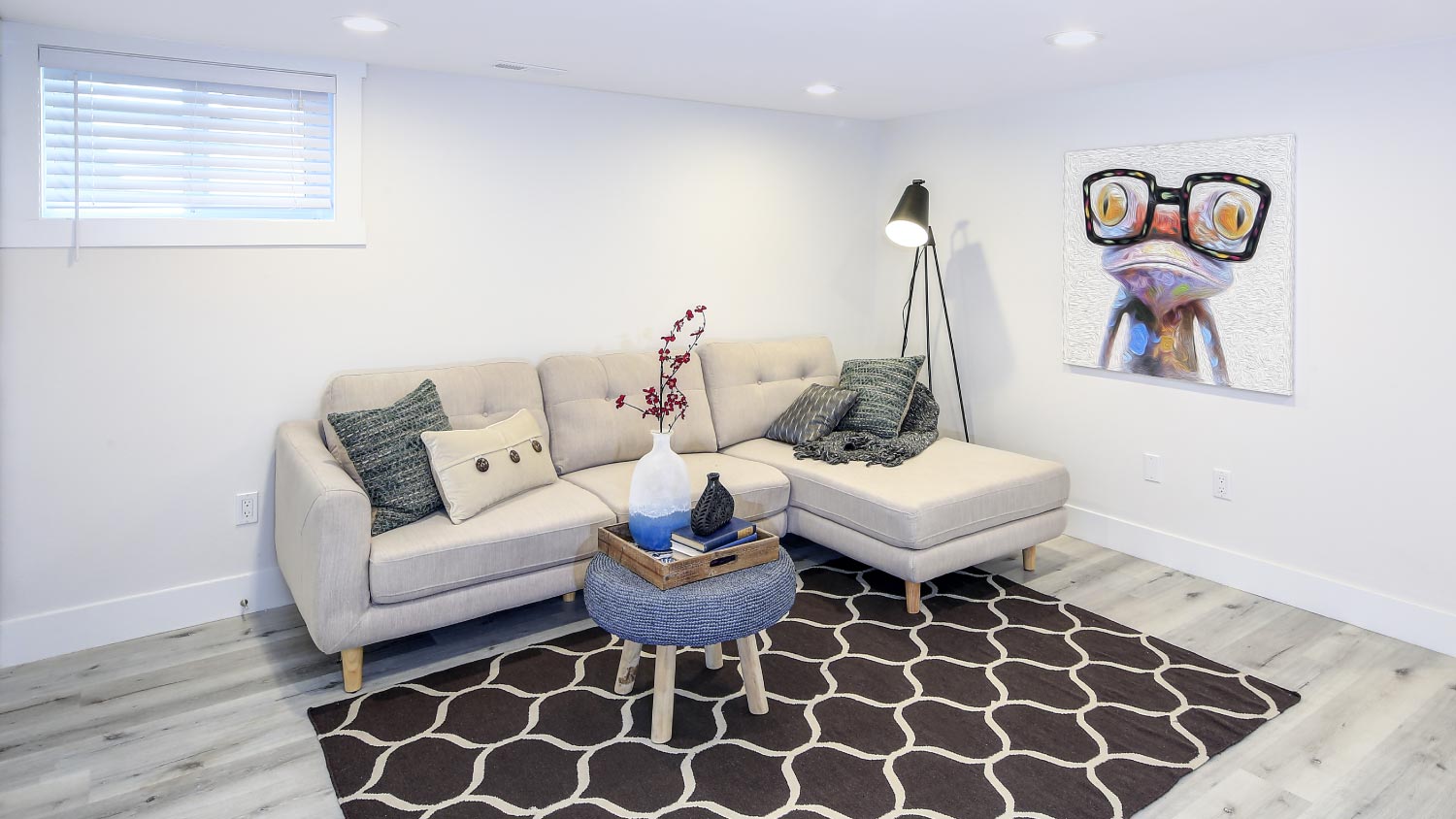
Waterproof paint is a quick and easy way to combat moisture in basement spaces. Learn why it may not be a permanent fix and what your best alternatives are.

When it comes to indoor air quality, don’t brush off paint safety concerns. Discover the best environmentally friendly paint options for your home project.
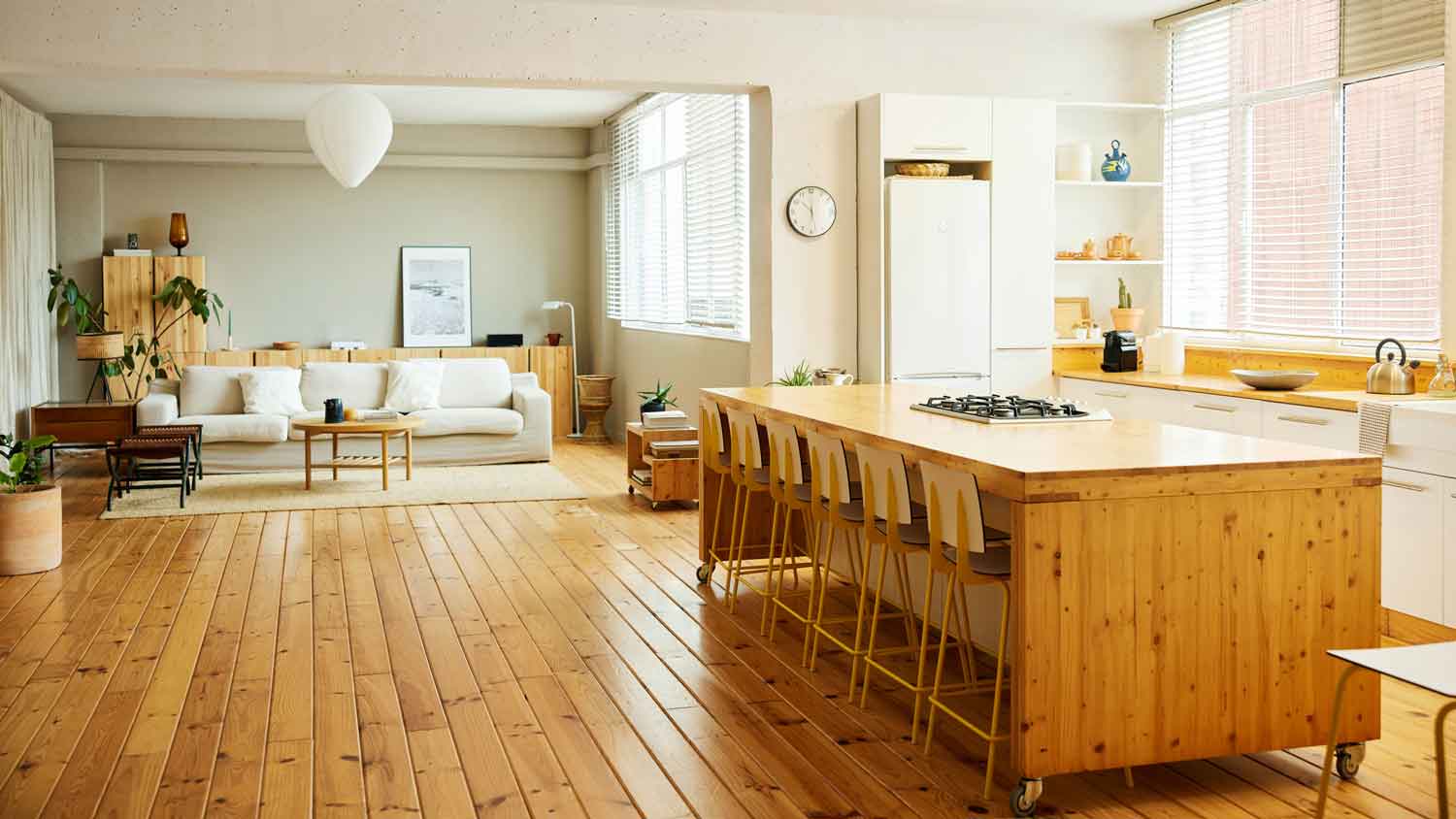
Acrylic, eggshell, and matte—the options for interior paint can be confusing. Follow our guide to learn which type of paint is best for your home’s walls.

No one wants a bathroom with peeling paint and mold buildup. Picking the best paint for bathrooms helps you steer clear of these shower room setbacks.