

Whole-house fans can help reduce your electric bills by providing ventilation and cool, fresh air. Use this whole house fan cost guide to price out the project.
Create uniformity and cohesiveness in your home

A whole house color palette gives your home a cohesive look and simplifies your color decisions when choosing paint, decor, and furnishings.
Your hard finishes like flooring and countertops contribute to your overall color scheme, so you should work with these existing elements when selecting paint colors.
Start with a neutral foundation color for your main living areas, then choose related or complementary colors for bedrooms and secondary spaces throughout your home.
Hiring a local interior painting professional provides expert guidance on color selection and ensures your whole-house palette comes together beautifully with professional application.
If you’ve ever spent time in the paint swatch area at your local home improvement store agonizing over which color to pick, you already know how a whole-house color palette will benefit you. Not only will your color selection process be simpler, but you’ll create a cohesive look for your home that will maximize its appeal. In this guide, we’ll offer tips for creating a whole-house color palette for a uniform appearance.
There are many benefits to using a whole-house color palette in your home, the most obvious of which is having an established group of colors you can choose from, whether you’re looking for room colors or choosing new decor. You’ll have a set group of colors that can drive every choice you make, from buying new couch pillows and comforters to wall decor and houseplants.
Additionally, your color palette will give your home a more professional appearance. You might be surprised just how many compliments you get on your interior design choices, all because you started with a uniform color palette. And since painting your interior provides a hefty ROI, doing the job properly can have a major impact on home resale value.
"Painting the entire house at once may be more cost-effective, as sometimes professional contractors offer discounts for larger jobs."
— Gregory Pittman, Director of Commercial Painting Services at Five Star Painting
Here are a few key tips for choosing a whole-house color palette and bringing some uniformity to your living space.
Start by considering what kind of energy you want your home to have. If you prefer a calmer, more relaxing vibe, start with more neutral colors, like beiges and grays. Consider more vibrant colors if you prefer a bit more energy in your space.
If you’re not sure what energy you want in your home or how to establish a “mood,” speak with an interior painting company near you for professional guidance.
It’s a good idea to consider the colors of hard finishes in your home, like flooring, cabinets, vanities, and countertops. These things contribute to the palette whether you like it or not, and replacing them in addition to painting will always be more expensive. Instead, try to tie them together by choosing a color or series of colors that works with them. You can use complimentary colors to match varying hard finish colors throughout your home.
It’s easy to overlook your trim and ceilings because they’re typically just white, but it’s a good idea to make sure they all match throughout your home. Look to match the color and finish to get the cohesive look started before you even touch your walls. In most cases, you won’t be painting ceilings the same color as walls, so a simple white will usually do.

Next, choose a base color for your main living area. Most homeowners go with a more neutral color so that it’s not overwhelming the second someone walks into your home. You’ll use other colors and accent walls in other rooms to spice things up a bit, so don’t be afraid to keep things simple here.
Once you have your primary color, choose colors for your bedrooms and secondary living areas. You can opt for analogous colors in the same family, use complementary colors from opposite ends of the color wheel, or use compound complements, which include analogous colors with a complementary accent color. The best nursery colors may differ from the best master bedroom colors, so consider how you’ll use the room when deciding on the color.
Finally, think about accent walls for various rooms. At this stage, choosing accent wall colors should be simple since you have an idea of the whole-home color palette. Pick slightly darker colors for accent walls to give the illusion of more living space, and consider different painting techniques to add some intrigue while keeping the colors static.
Custom Paint Jobs LLC is the go-to choice for all your painting needs. They painted both the interior and exterior of my house flawlessly. Their work speaks for itself!
 Custom Paint Jobs, LLC
Beginning with the estimate, Larry and Peyton were super helpful in getting my new condo's interior re-painted. Not only was the job well done, but also done in a super timely manner as promised.
 Five Star Painting of Plain City and Powell
From average costs to expert advice, get all the answers you need to get your job done.
Whole-house fans can help reduce your electric bills by providing ventilation and cool, fresh air. Use this whole house fan cost guide to price out the project.

Whole-house air purifier costs depend on a variety of factors, including your home’s size and layout. The type of purifier you choose matters, too.
Whole-house humidifier costs vary based on the type and size of the unit, along with other factors. The price might be worth it for people living in dry regions.

Not sure what color you should paint your room? Don’t get overwhelmed by the countless options. Use these tips and let your inner interior designer shine.

Not sure how to pick exterior house paint colors? We’ve got 11 tips that will help you with your decision paralysis.
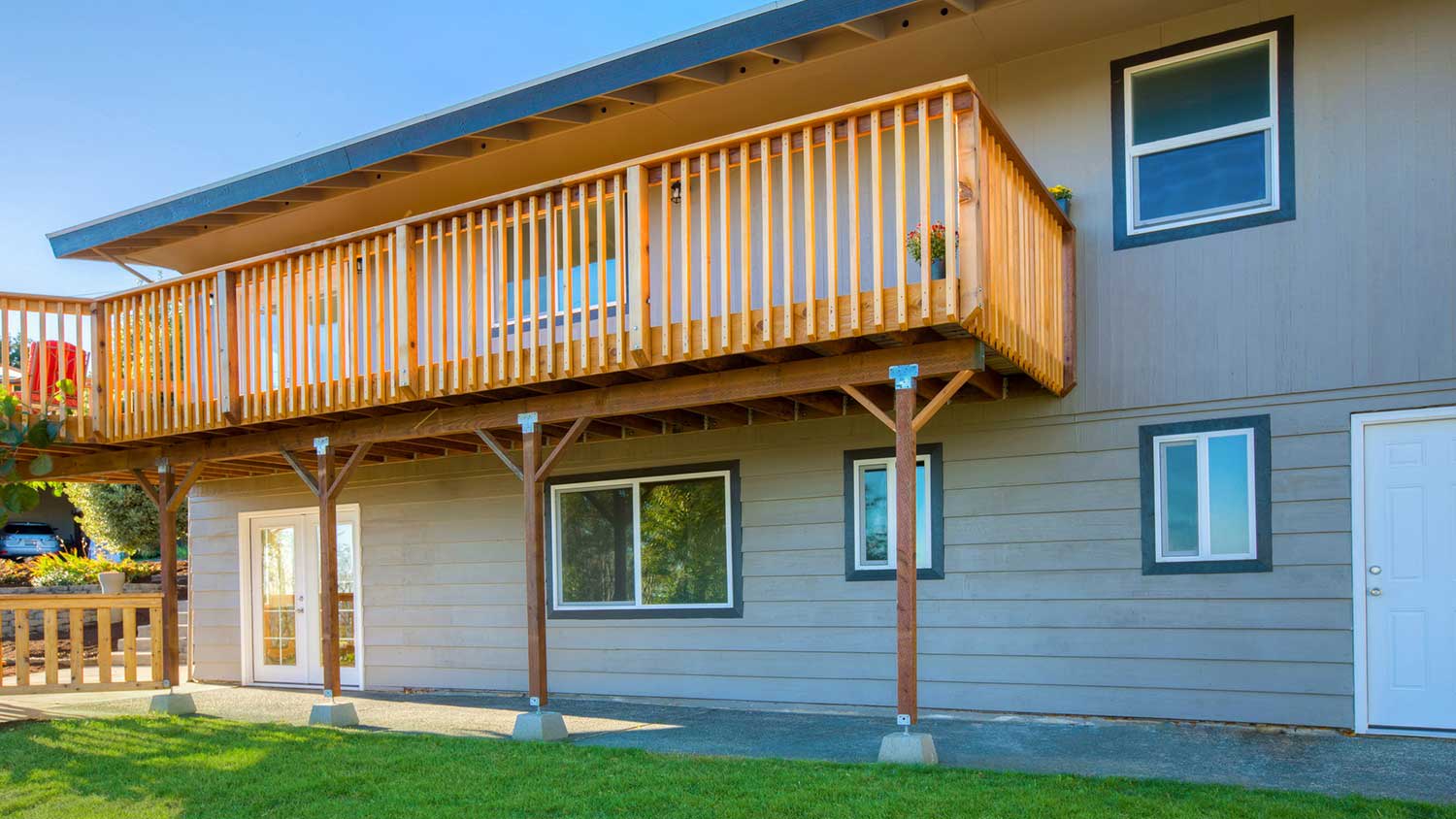
Ready to upgrade your home’s deck and house color? We’ve got you covered with the best house and deck color combinations you could dream up.