
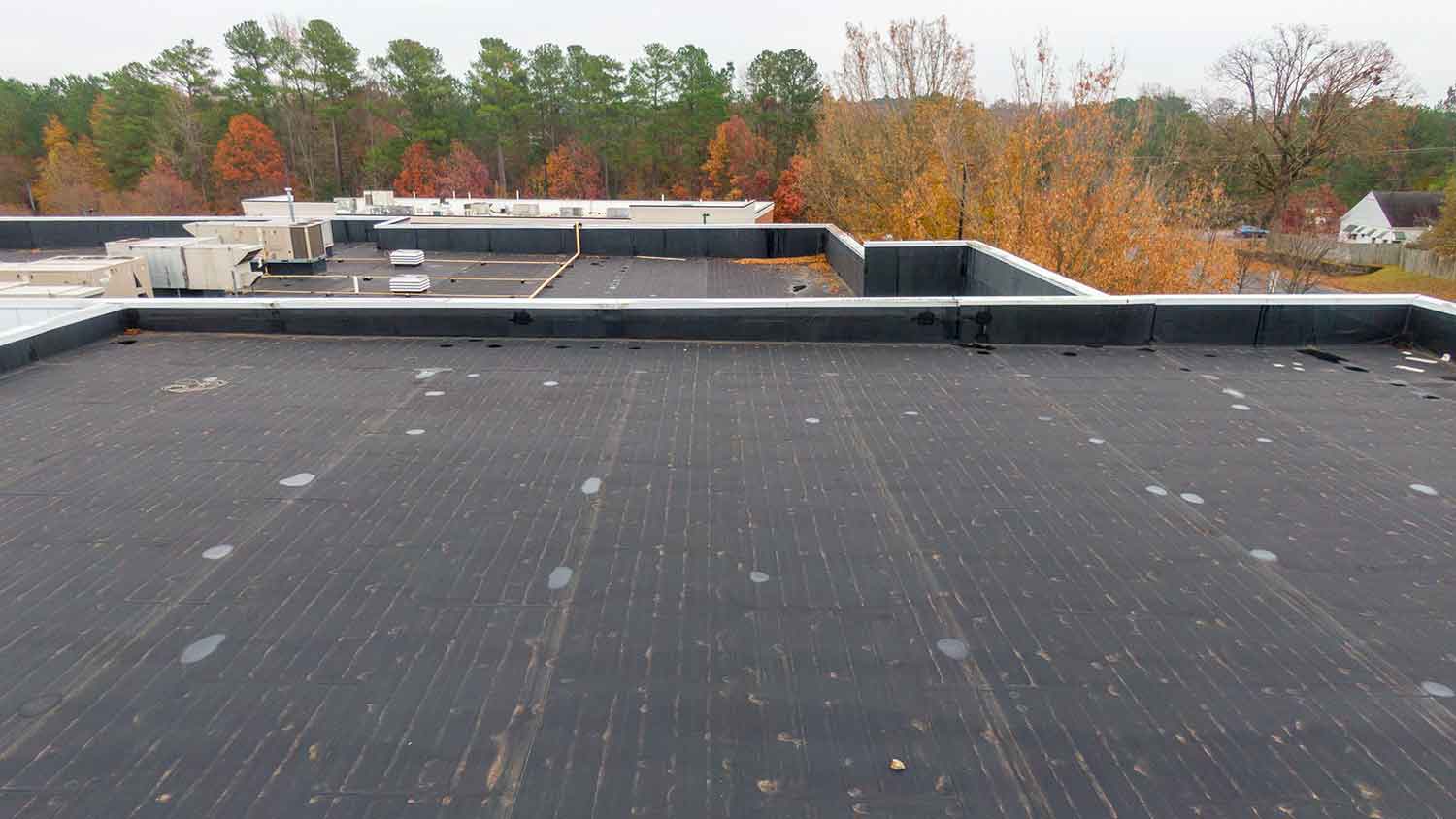
EPDM roofing is an acronym describing essentially a rubber-type material that is installed on flat roofs. Read on to learn why it isn’t just the roof size that determines EPDM roofing cost.
A protective roof over your head

PVC rubber roofing features white or light colors that reflect sunlight, while EPDM is available in black or white with fewer color options for your roof.
Material costs range from $4 to $14 per square foot for EPDM and $4 to $15 per square foot for PVC roofing membrane, making both budget-friendly options.
EPDM lasts 30 to 40 years compared to PVC's 20 to 30 years, giving your roof a longer lifespan with EPDM material.
Hiring a local roofing professional provides confident guidance on material selection and ensures proper installation, especially for heat-welded PVC seams or EPDM adhesive application.
Choosing the right roofing material impacts your home's durability, energy efficiency, and long-term maintenance costs. Two popular single-ply membrane options for flat or low-slope roofs are EPDM (Ethylene Propylene Diene Monomer) and PVC (Polyvinyl Chloride) roofing. To determine whether EPDM or PVC roofing is best for your roofing project, explore the key features.
Ethylene Propylene Diene Monomer (EPDM) and Polyvinyl Chloride (PVC) are two popular single-ply roofing membranes. EPDM is a synthetic rubber roofing material known for its exceptional durability and weather resistance. PVC roofing is a thermoplastic membrane with strong resistance to fire and punctures.

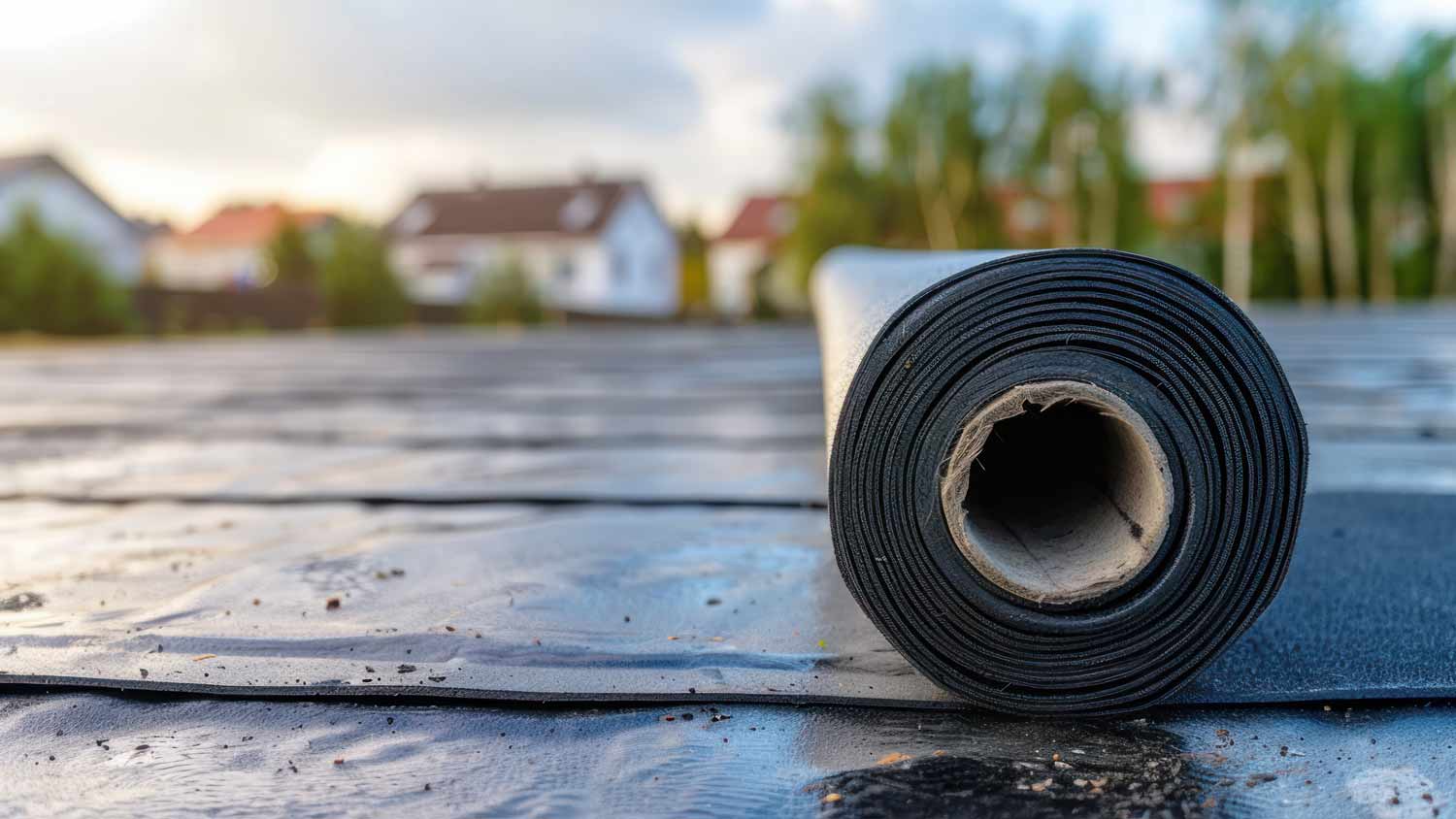
EPDM roofing is widely used in flat or low-slope roofing applications and is made from a blend of high-performance synthetic rubbers, giving it excellent flexibility and durability. EPDM is installed in large sheets to reduce the number of seams on a roof, minimizing potential leaks. EPDM is available in black or white and is known to withstand a range of weather conditions, including UV radiation and extreme temperatures.
The roofing material can last between 30 to 40 years but there are some key pros and cons of EDPM roofing to consider.
| Pros | Cons |
|---|---|
| Durable | Vulnerable to punctures |
| Weather resistant | Slippery |
| Cost-effective | Compatibility issues |
| Low-maintenance | Not as energy-efficient |
| Easy to install | Potential for seam failure |
Best for:
Flat or low-slope roofs
Budget-conscious homeowners
Climates with extreme temperature fluctuations
EPDM roofing is renowned for its durability. Its excellent weather resistance allows EPDM to withstand various environmental conditions, including extreme temperatures, UV radiation, and moisture. EPDM's flexibility is a significant advantage in colder environments, as it remains pliable and can accommodate building movement without cracking.
The material is available in large sheets and requires fewer seams, which speeds up the installation process and minimizes the potential for leaks. Once installed, EPDM is low-maintenance, requiring only occasional inspections and repairs. EPDM roofing cost ranges between $4 and $14 per square foot. EPDM is made from recycled materials and is fully reusable at the end of its life cycle.
The many factors that play into choosing a roofing material may surprise you, such as durability, cost, style, and the climate in which you live. Many homeowners choose asphalt, but there are various types on the market. A roofer can advise you on the best materials for your home and region.

EPDM is most often black, which is prone to heat absorption. While white EPDM options are available to help reflect sunlight and reduce heat, they are less accessible. Despite its overall durability, EPDM can be vulnerable to punctures, leading to leaks if not promptly addressed.
The installation process can pose challenges, as EPDM is installed using adhesives. If not applied correctly or if they degrade over time, the seam can fail, leading to water infiltration. EPDM may not be compatible with all roof coatings or sealants, limiting repair options and complicating maintenance. The surface of EPDM can become slippery when wet, creating a hazard for anyone needing to perform maintenance or inspections, particularly on sloped roofs.

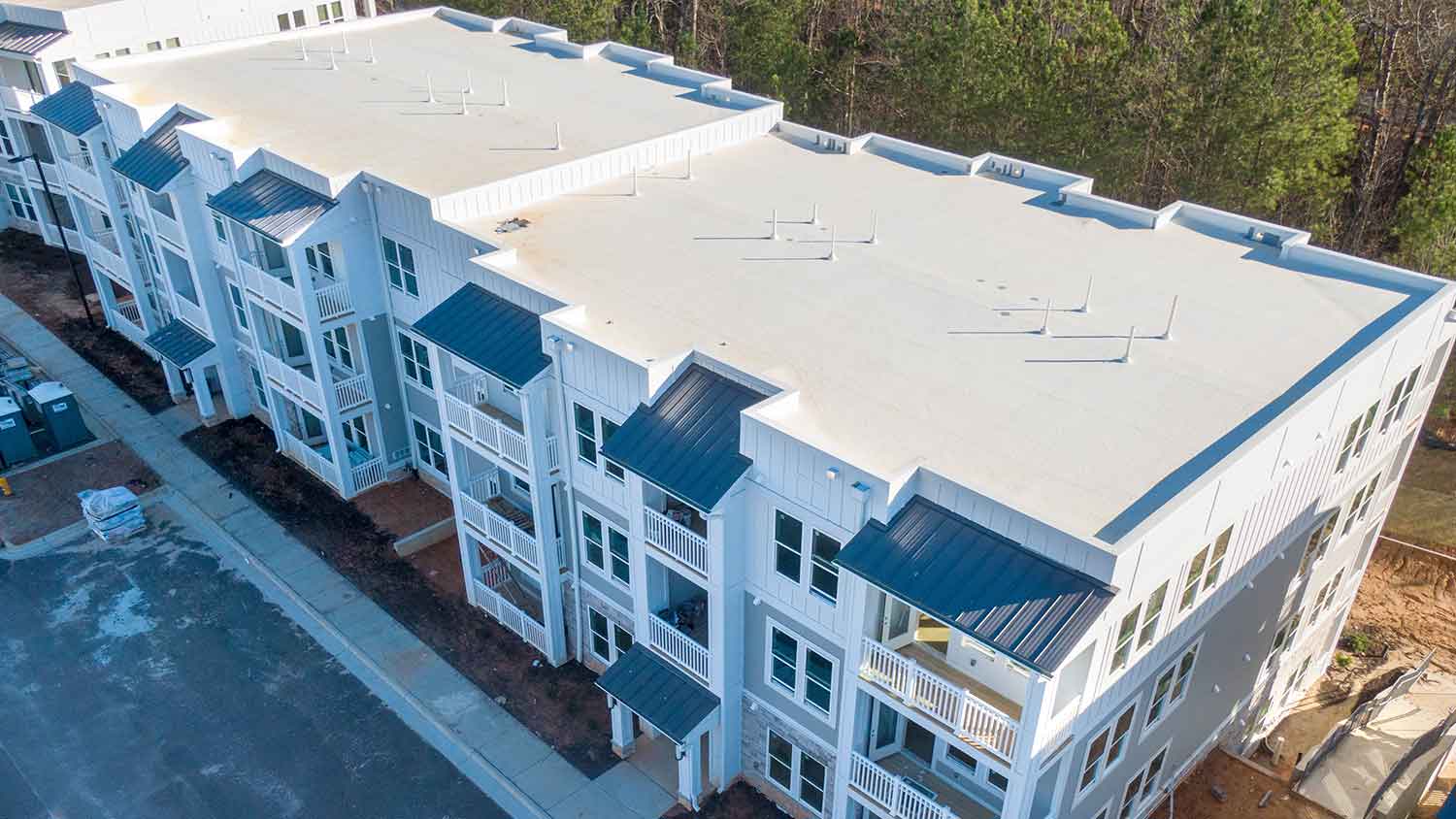
PVC roofing is a type of single-ply roofing membrane used primarily for low-slope or flat roofing materials. Made from a durable thermoplastic material, PVC is known for its strong resistance to chemicals, fire, punctures, and harsh weather conditions. Available in white or light colors, PVC is highly reflective. PVC roofing systems are heat-welded at the seams, creating a watertight bond that enhances durability and leak prevention.
| Pros | Cons |
|---|---|
| Durability | Higher cost |
| Fire resistant | Complex installation |
| Energy-efficient | Environmental impact |
| Low maintenance | Vulnerable to punctures |
| Watertight seams | Potential for shrinkage |
Best for:
Warm climates to improve energy-efficiency
Areas with fire safety concerns
Complex roof designs
PVC's is durable, with a lifespan of 20 to 30 years. It’s also fire-resistant, which reduces the risk of fire spreading across the roof. Energy efficiency is another key benefit of PVC roofing due to its availability in white or light colors. These shades reflect sunlight to reduce cooling costs and improve the home's energy efficiency.
The seams of PVC roofing are heat-welded to create a watertight seal that greatly minimizes the risk of leaks, contributing to its long-term reliability. Once installed, PVC roofing requires minimal maintenance, making it a cost-effective option over its life span. Its flexibility also allows it to conform to various roof shapes.
PVC costs more upfront, at $4 and $15 per square foot and its installation requires precision, as improper work can cause seam failures or water infiltration. The production of PVC involves the use of chlorine and other chemicals, which raises concerns about its ecological impact.
While PVC is durable, the material is prone to punctures. Over time, PVC membranes can experience shrinkage, which can stress seams and flashings, leading to potential failures. The plasticizers that make PVC flexible can gradually migrate out of the material, causing it to become brittle and more prone to cracking as it ages.
PVC roofing is considered to have a better appearance because it's available in a variety of colors, most commonly in white or light shades. These colors provide a clean and modern look while EPDM roofing is mostly available in black and may have a less desirable appearance.
PVC is available in a wider range of colors, including white, tan, gray, and even custom colors, allowing for greater flexibility in matching the roof to the home's design or improving energy efficiency through reflective surfaces. PVC can be produced in various thicknesses and with different surface textures, offering further customization to meet specific performance or aesthetic needs. EPDM is available in black or white, with fewer options for surface variations.
While both materials feature high durability, EPDM has a longer life span than PVC. EPDM can last 30 to 40 years while PVC's lifespan ranges between 20 to 30 years.
EPDM and PVC feature similar cost ranges, but PVC can be slightly more expensive. EPDM costs $4 to $14 per square foot while PVC costs $4 to $15 per square foot.
EPDM roofing has a simpler installation process as the material comes in large sheets rolled out over the roof, with fewer seams, reducing the complexity and time required for installation. PVC roofing requires more precise installation, especially at the seams, which are heat-welded to create a watertight bond. Installing PVC requires hiring a local roofing contractor to ensure precision.
EPDM is known for its resilience and ability to withstand various environmental factors, requiring minimal upkeep. Its flexible nature allows it to endure building movement and temperature fluctuations without cracking, reducing the need for frequent repairs. PVC roofing, while also durable, requires more careful monitoring due to the potential for issues like seam failures from improper installation or plasticizer migration, which can lead to brittleness.
EPDM is made from a synthetic rubber material produced with a significant portion of recycled content. The material is fully recyclable at the end of its life, reducing landfill waste. The manufacturing process for EPDM is less harmful to the environment, as it does not involve using chlorine or other hazardous chemicals as PVC does.
Mitchell and the crew were top tier i am so happy with my new roof
 Home Genius Exteriors
D1 Roofing delivers outstanding service from beginning to end, backed by a strong warranty and expert teams. I highly recommend them for their excellence in meeting and surpassing expectations with unmatched communication. Choosing D1 Roofing was flawless decision
 Division 1 Roofing LLC
This place took $25,000 for a flat roof job with a five-year warranty and never returned to fix the leaks that were caused by their work. These people are not professionals and should not be doing this type of work. They incorrectly changed the pitch of the roof, and caused more damage than...
The technician was very professional and friendly. He answered all my questions and was very thorough. He left the fireplace area very clean . He inspected from the roof and advised me as to other work that might need to be done. There was no pressure there. I was very satisfied with the...
 Supreme brick & chimney
I am really impressed with their timeliness and turnaround. Mitchell came out, and we decided to move forward with their pricing. Our roof was on within a week, and we could not be happier with their team! Amazing company, great prices and honest, dependable craftsmanship. I highly recommend...
 Window Depot USA of Central Ohio
Manuel Calvillo is the best option in the area for roofing and you won't be disappointed.
They damaged multiple items on my property, including a marble slab used as a table top, tried to hide it, and refused to pay or replace. Arrived day one without a ladder to access roof & delayed a day. Left a mess in back yard; didn't wear face masks; no show by owner to property to see damages
 Grants Tree Service
I've hired Gary/Cherokee Roofing for two different homes, work quality, responsiveness, and completion have been great both times. And the prices quoted were very competitive. I would definitely hire again.
Lyle did a great job removing asbestos shingles from our front porch roof. They worked together with our roofer to make sure that the new roof was able to be installed on the same day that Lyle removed the asbestos shingles.
 Lyle Environmental
Bradley Builders did a good job replacing the roof on our front porch. They color-matched the existing shingles on the rest of the house and installed a metal ridge roll since we live in a historical neighborhood. They did the job while we were out of town. When we got back, everything was...
 Bradley Builders, Inc.
From average costs to expert advice, get all the answers you need to get your job done.
EPDM roofing is an acronym describing essentially a rubber-type material that is installed on flat roofs. Read on to learn why it isn’t just the roof size that determines EPDM roofing cost.
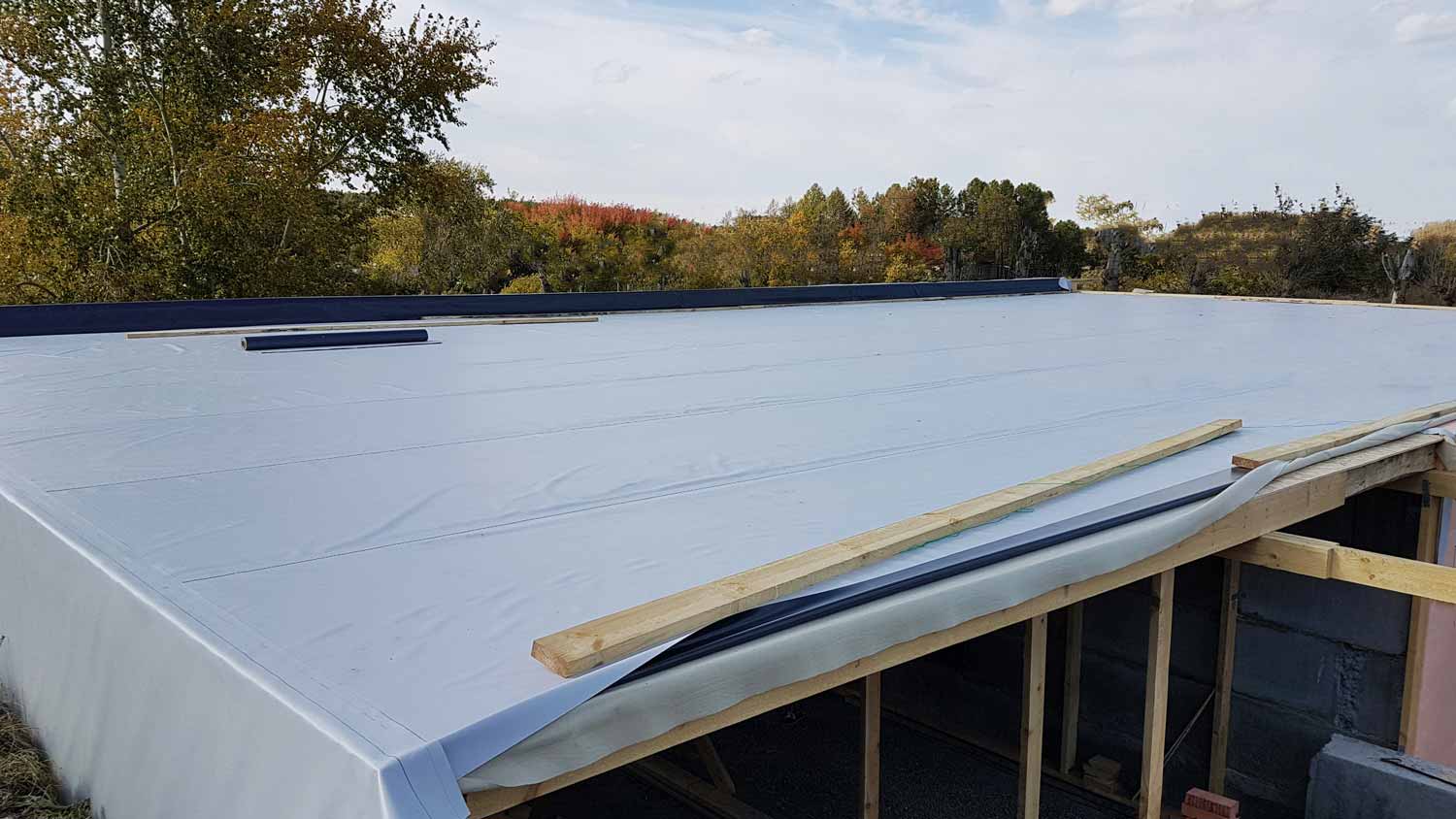
PVC roofing offers durable, waterproof protection for flat roofs. Learn how much PVC roofing costs and which factors affect how much you’ll pay.
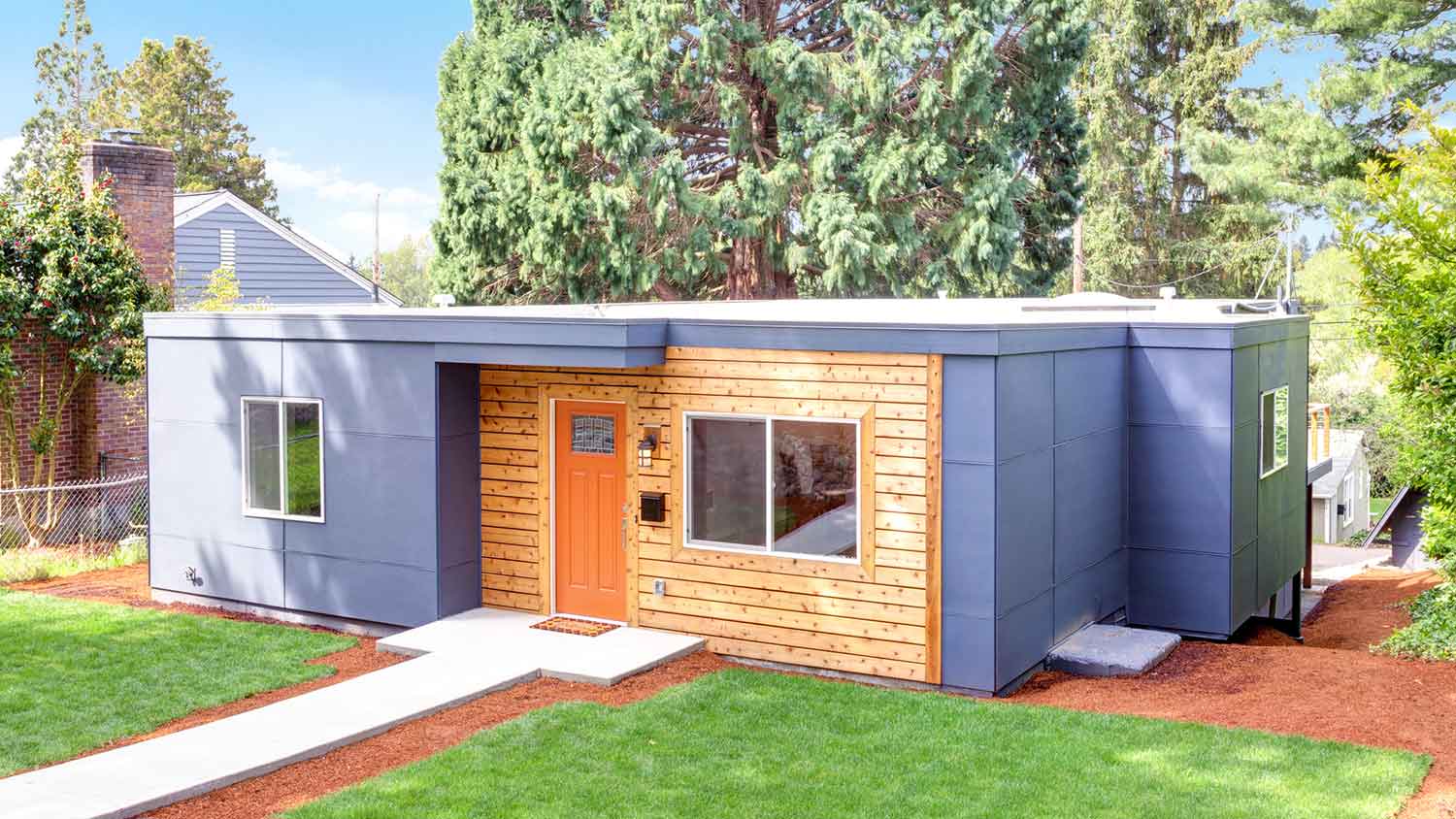
EPDM roofing is an affordable, long-lasting roofing option for flat or low-sloped roofs. Learn what it is, the pros and cons, the cost, and when to use it.
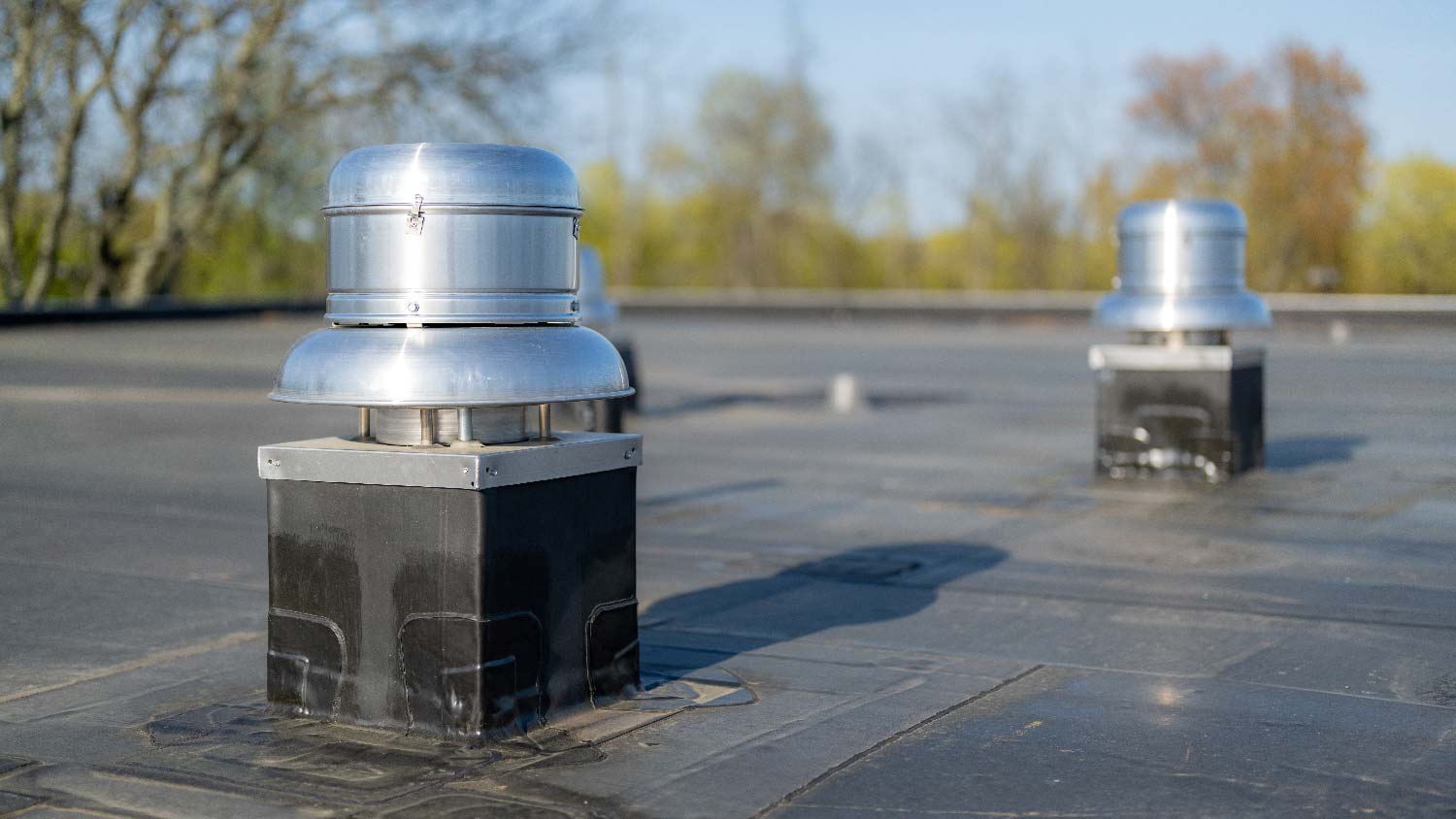
EPDM roofing is one of many options for flat or low-sloped roofs. Learn about the pros and cons of EPDM roofing and whether it’s the right option for you.
If you’re looking for a roof over a non-living space, EPDM is a durable option. Read on to learn more about its durability and the factors that affect how long it lasts.
When it comes to TPO vs. EPDM roofing, you should consider longevity, up-front cost, durability, and more. Learn which is better for your roofing project.