

Many of us have likely used a mop before, but the right technique and cleaner make all the difference. Find out how to mop to make your floors sparkle.
Select the best strategy for squeaky clean, sanitary surfaces

Steam mops clean your floors using hot steam up to 250 degrees, while regular mops rely on manual scrubbing with warm water and cleaning detergent.
Steam mops cost $50 to $150, while regular mops with buckets and supplies cost under $10, making traditional mopping the budget-friendly choice.
Your flooring type determines which mop works best: steam mops suit sealed tile, while regular mops safely clean any floor, including hardwood and laminate.
Hiring a local floor cleaning professional provides reliable guidance on proper cleaning methods and helps protect your floors from moisture damage or improper techniques.
Vacuuming your floors might suck up dust bunnies and debris, but it won’t sanitize surfaces or get rid of stuck-on grime. That’s where mopping comes in. If you’re looking at tools to fast-track this chore, you might be weighing whether to use a steam mop versus a regular mop to keep your floors clean.
Below, we’ve broken down the differences between sophisticated steam power and conventional cleaning with a mop and bucket to help you decide which scrubs up the best.

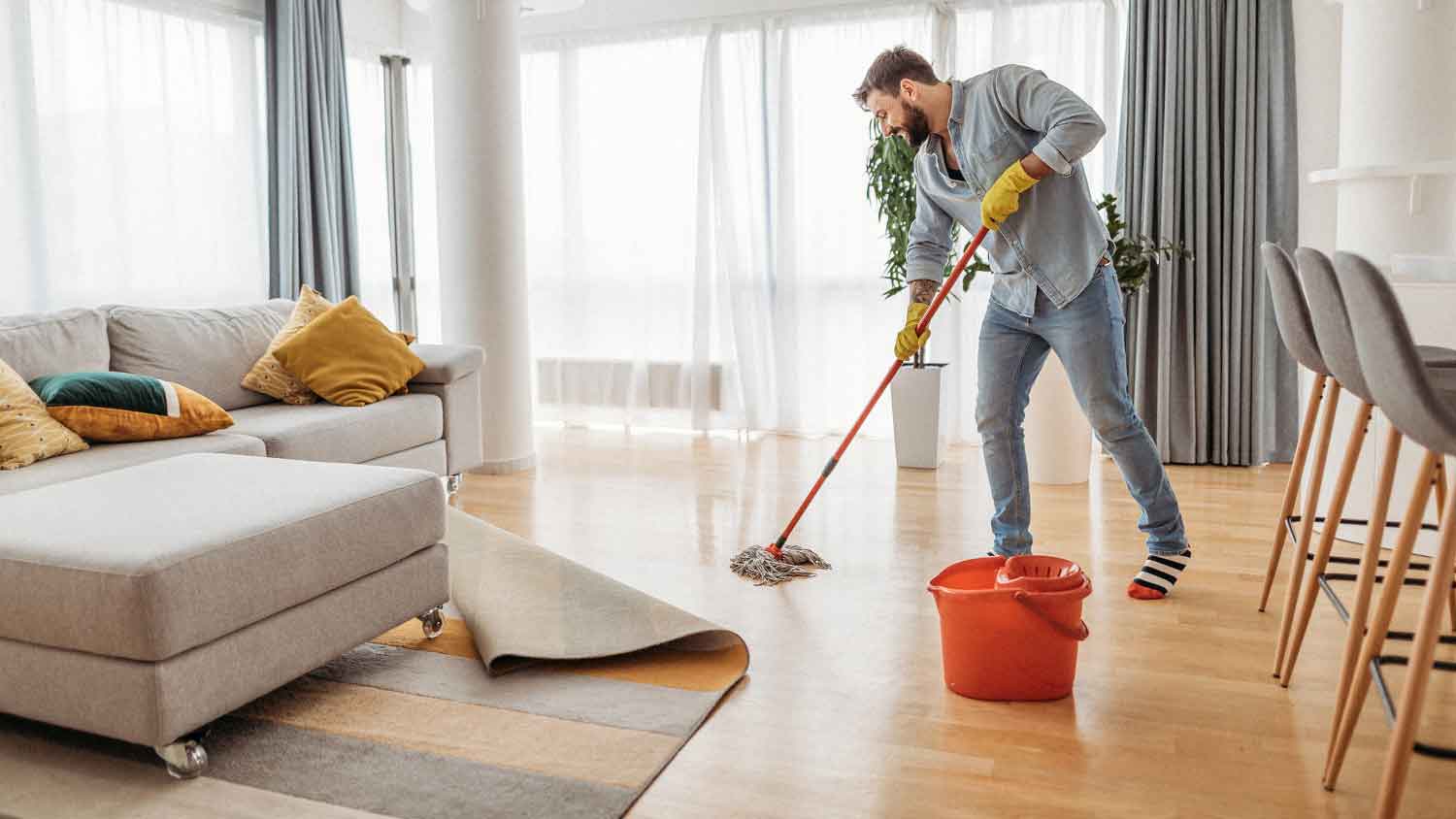
Electrically-powered steam mops clean flooring using a stream of hot steam that helps loosen dirt and grime and sanitize the surface. You need to dip a traditional string or microfiber mop in a bucket of warm water containing a cleaning solution before manually wringing it out and sliding it across the flooring to scrub it clean.
Your flooring type, budget, and cleaning preferences influence whether a steam mop or a regular mop works best for you.
| Feature | Steam Mop | Regular Mop |
|---|---|---|
| Effectiveness | Kills germs well | Good with proper use |
| Speed | Faster | Extra steps add time |
| Effort | Low-intensity | Medium-intensity |
| Environmental Impact | Low | Mid to Low |
| Flexibility | Cleans other items | Only cleans floors |
| Safety | Steam can burn | Minimal risk |
| Cost | Mid-range | Budget-friendly |
There are various factors to consider when comparing the cleaning differences between a steam mop versus a regular mop.

Steam mops rely on a steady stream of hot steam—up to 250 degrees Fahrenheit—to penetrate stuck-in grease and grime. They clean and sanitize surfaces effectively, and studies suggest they kill most problematic germs if used properly. This makes them a popular choice for households with immunocompromised family members or people living with allergies.
A steam mop is handy for cleaning floor tile grout and other tricky-to-reach spots that regular mops might glide over or around. Also, because the steamy moisture is quick-drying, it reduces the risk of mold and mildew formation.
If you use a regular mop properly and pick the right cleaning solution and mop head type—microfiber is popular—it can also sanitize effectively. However, double-dipping into dirty water and scrubbing with an over-soggy mop head can spread germs and leave surfaces too wet.
Let’s face it, cleaning large swathes of flooring takes time, regardless of whether you use a steam mop or regular mop. However, cleaning with a steam mop is usually faster. It glides over the surface effortlessly—no scrubbing required to clean sticky floors—and while you might have to fill the water tank, you won’t have to constantly rinse and wring out a mop head or replace dirty bucket water.
Steam mopping is less labor-intensive than regular mopping. Steam mops quickly clean surfaces, effortlessly lifting dirt and grime. In large rooms, you might have to refill the water tank and move the power cable to a new outlet as you move from room to room, but it’s not a major effort.
Regular mopping—with the rinsing, wringing out, and floor scrubbing—requires more elbow grease. You also have to lug around a heavy bucket, and in large living spaces, you might need to change the water a few times.
Steam mops are often touted as being more environmentally friendly. They clean without the use of harsh chemicals, and you’ll use less water than filling up a big bucket. However, these machines aren’t exactly recyclable, and the electricity they use still contributes to CO2 emissions.
Selecting a renewable, natural mop head, using gentle detergents, and not overfilling your bucket can minimize the environmental impact of cleaning this way.
You might be able to use a steam mop to streamline other cleaning tasks in your home. Some models have attachments allowing you to clean upholstery, countertops, bathroom wall tiles, shower screens, and windows. You’re restricted to floor cleaning with a regular mop.

Whether you can opt for a steam mop or have to stick with a regular mop depends on your home’s floor type. Experts typically don’t recommend steam mops for hardwood flooring or other surfaces with gaps, such as laminate or vinyl tiles. The steam forcing its way into these gaps can cause irreparable damage, such as buckling, swelling, joint separation, and delamination (splitting of material layers). Plus, steam cleaning typically invalidates flooring warranties.
Cleaning a tile floor or other sealed stone with a steam cleaner is usually fine, but always check the manufacturer’s recommendations. When in doubt, stick with a regular mop. That way, you can thoroughly wring out the mop head to prevent excess water from doing damage.
If you’re concerned about getting tough-to-remove grime out of hardwood floorings, it might be worth calling a professional floor cleaner near you.
If your kids want to clean your floors to add to their allowance, then a regular mop might be the way to go. If they accidentally hit themselves or others with the steam spray, it can cause nasty burns. Mopping is a safer alternative, especially if you opt for gentle cleaning detergents.
Stick with a regular mop and bucket if you have a tight budget. A steam mop costs $50 to $150, whereas you can buy a budget microfiber mop, bucket, and cleaning products for less than $10. Even top-of-the-range mops made with renewable materials and fancy features, like swivel heads, and a wheelable bucket, won’t set you back more than $50. Yes, you’ll have to replace the mop head now and again, but it’s still not going to break the bank.
I had FabClean 614 clean my apartment, and she did an outstanding job. She was so professional and efficient. My apartment looks absolutely spotless every surface, every corner, all cleaned to perfection. Definitely highly recommend FabClean 614 if you're looking for top-notch cleaning...
 Fab Clean 614
Best cleaning I've had at my property
Fantastic group, very communicative, and they really did a great job cleaning my condo. Will be hiring them for recurring cleaning!
 eMaids of Northern Columbus
This company is my go to resource for all my post renovation clean ups. They get the place spotless! All we have to do after is stage the place and sell, sell, sell! They are super professional and have some amazing scent that is left in every property. I highly recommend!
 The Royal Sanitation Group
100% satisfied with the work done by Supreme Brick & Chimney. Josh responded to my Angi request very quickly and squeezed our house into his schedule only a couple business days out. The chimney cleaning process was extremely clean with ZERO dirt going anywhere besides in Josh's vacuum. Very...
 Supreme brick & chimney
On time, clean and finished fast. Windows seem sturdy and the finish is good. Caulking was done with no smudges. Would recommend.
 Window Depot USA of Central Ohio
I definitely recommend Ramonaâ s cleaning service! I have booked services with her many times and she arrives on time, ready to work and provides a great service.
 Your Cleaning Solutions LLC
Great job...edging and pre clean up went well with a great job with seal coat. Friendly, efficient and professional.
 All Star Paving and Sealing
Mary Cleaning Service is fantastic! The entire team is professional and pay a great deal of attention to detail. They do such a thorough job of cleaning my house. I would definitely recommend!
They cleaned my very dirty basement. They were prompts, quick, thorough and their price was fair.
 JDE House Cleaning LLC
From average costs to expert advice, get all the answers you need to get your job done.
Many of us have likely used a mop before, but the right technique and cleaner make all the difference. Find out how to mop to make your floors sparkle.
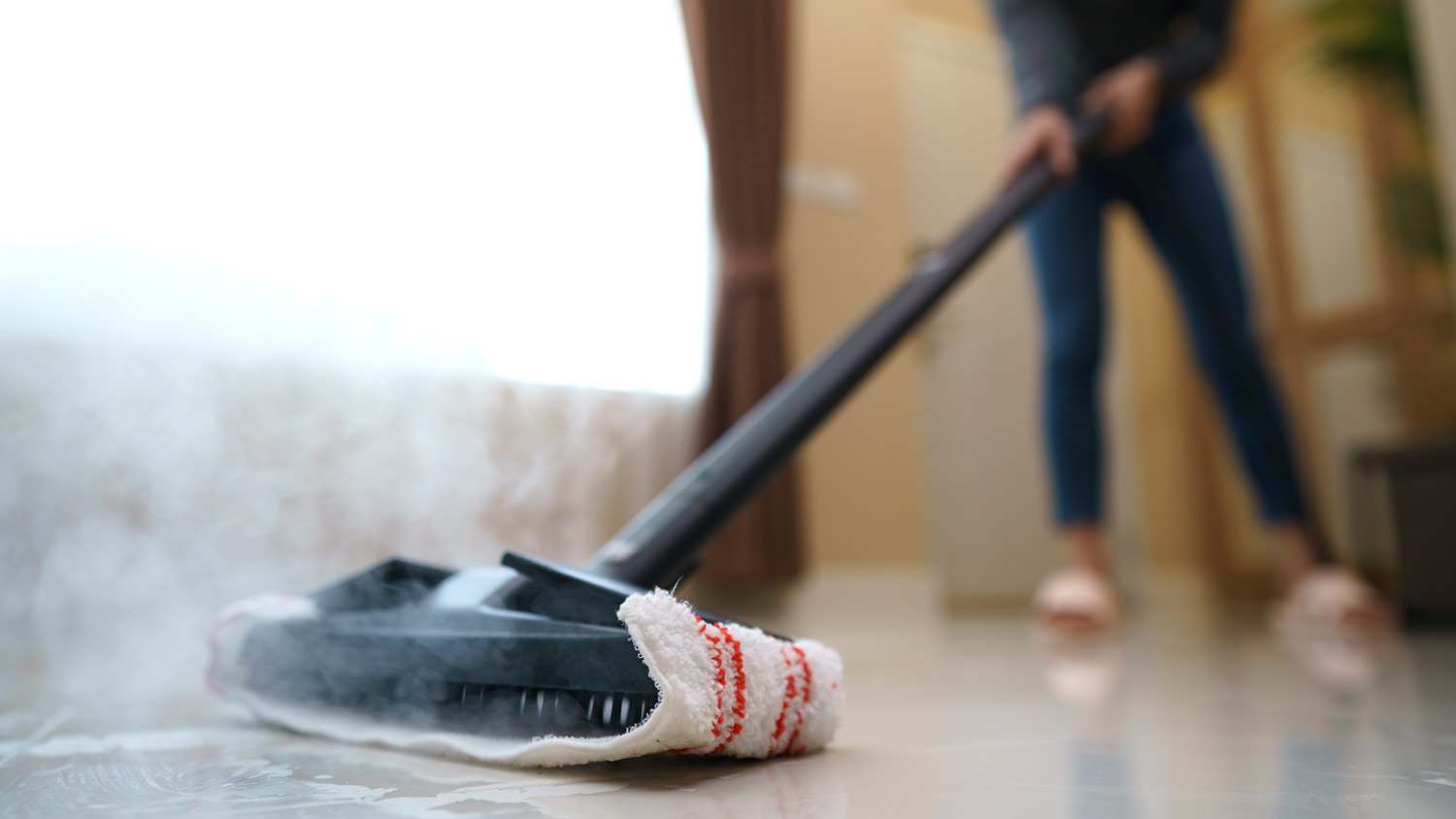
Steam mopping your floors is a quick and easy way to transform a dirty room. This helpful guide will teach you how to use a steam mop properly.
Steam cleaning keeps floors spotless, but not all flooring materials are compatible with steam. Use this guide to know when (and when not) to steam clean vinyl floors.

Many homeowners want to know how often they should mop their floors. Depending on the room and household size, it may be more often than you think.
As you work on your shower installation, you'll need to decide if you'll use the hot mop method to waterproof the area. This article will help guide your decision.
Wondering, “Why is my floor dirty even after mopping?” Learn why this issue is happening, how to prevent it, and when to call a professional cleaner.