
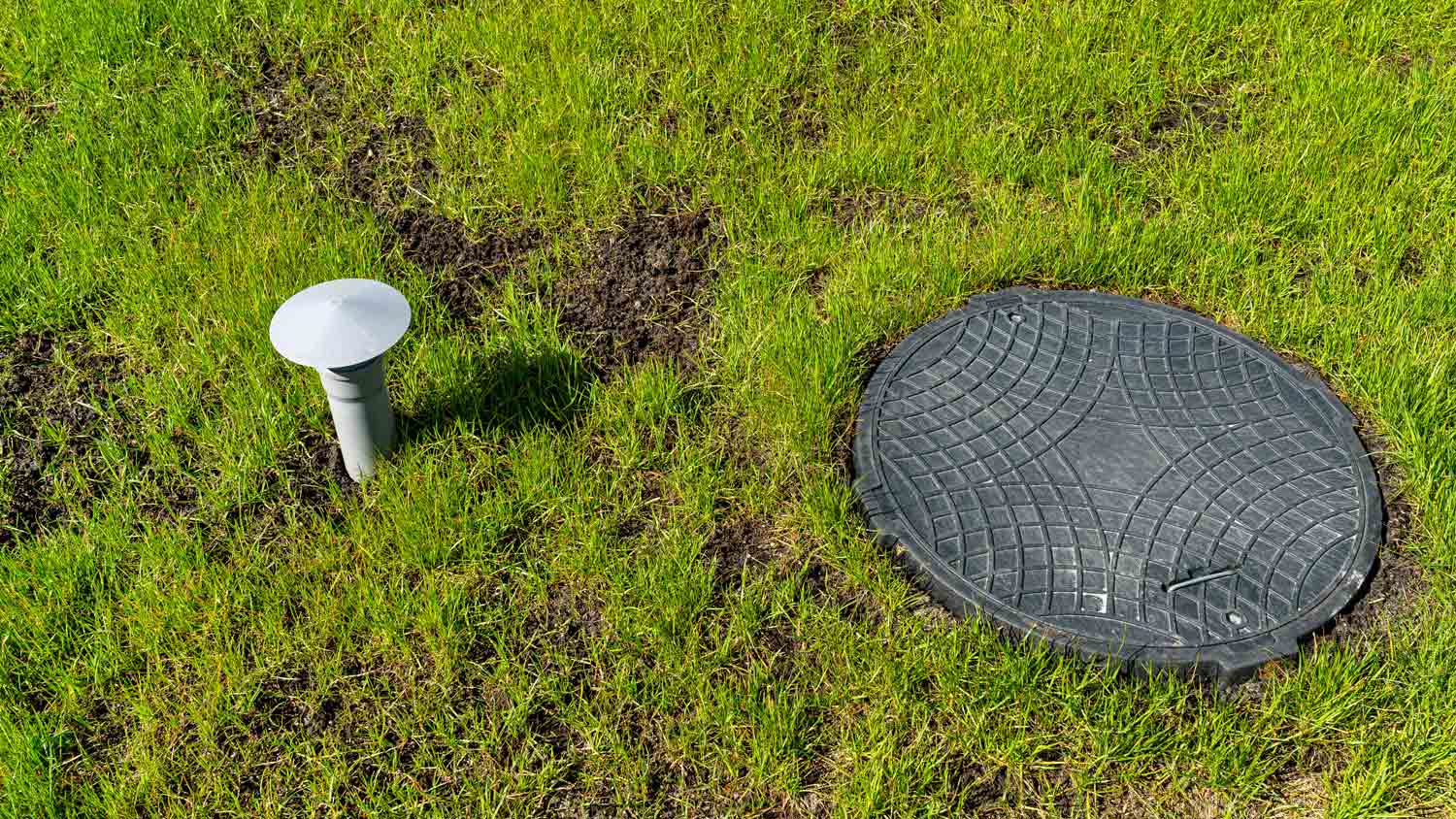
Septic inspections should be conducted once every one to three years to ensure you don’t have any issues. Learn about septic inspection costs in Baltimore, MD before scheduling.
Plumbing costs depend on your project and location. Check with a local pro for your specific job.

In-depth septic inspections in Washington, D.C., can cost over $1,000, but basic annual checkups are often as little as $220.
Be prepared to pay a pro $55 to $270 extra for the cost of locating and digging up your septic tank.
Heavy-duty inspections are required if lots of issues are present—but you won’t pay for repairs until later on.
Hiring a septic pro in Washington, D.C., is the only way to go for inspections, which are too hazardous for the average DIYer.
Septic inspection costs in Washington, D.C., are higher than they are nationally due to greater costs of living. Septic system owners in the area will spend an average of $599, with prices ranging from $218 to $980 depending on the extent of the inspection.
Septic systems are virtually non-existent in D.C. itself, but you’ll find more of them in the surrounding suburban and rural areas where community sewers aren’t a given. Because they’re private structures, it’s the homeowner’s responsibility to have them inspected—which is a must for preserving the health of the system, the property, the people on it, and the surrounding environment.
Projects like this are hazardous if you don’t know what you’re doing, so always hire a septic pro when in doubt—here’s how much it’ll cost you.
The cost of a septic inspection in Washington, D.C., depends on the type of diagnostic your system needs. Greater, more detailed examinations may be required when you’re preparing to sell your home, or you already know that damage is present. You should plan for septic inspections annually to ensure issues are addressed before they grow into pricier problems—or worse, costly septic tank replacements.

There are several types of septic inspections, each serving a specific purpose. You’ll often see the lowest prices for routine annual inspections, while the highest costs are reserved for detailed inspections and camera inspections that you might need to schedule before purchasing a property.
| Inspection Type | Average Cost |
|---|---|
| Annual inspection | $220–$270 |
| Basic inspection | $270–$440 |
| Detailed inspection | $440–$760 |
| Camera inspection | $270–$980 |
The time since your last septic inspection is another factor to consider. If you conduct inspections once every one to three years and use the same inspector each time, your professional will be able to keep track of changes and more easily determine if something unusual is a worsening problem. Knowledge of your system and its condition over time can speed up the inspection process, meaning labor costs could be lower.
The size of your septic tank and the depth at which it’s buried can also influence the inspection cost. Larger tanks require more time and effort to inspect thoroughly, resulting in higher labor fees. If the inspection company doesn’t include digging to uncover the tank in the cost of the inspection, this could add between $55 and $270 to the overall septic inspection cost, with higher prices often correlating to septic tanks that are buried deeper.
If you’re getting a septic inspection due to suspected problems with your septic system, you’ll probably need a detailed inspection or a camera inspection, which are more expensive than routine inspections. The extent of any issues discovered during the inspection can also lead to septic tank repair costs, which can be anywhere from $250 to $3,300 on top of the inspection fee. The exact price you’ll pay for the repair will depend on the type of issue you’re experiencing.
Septic tank lid repair: $160–$550
Septic baffle repair: $330–$980
Septic filter repair: $220–$330
Septic pump repair: $270–$1,100
Septic main line repair: $1,000–$4,200
Septic tank replacement: $550–$2,725
Septic system replacement: $3,270–$21,800
You can expect some of the highest costs if you have a septic system leak, as you’ll often have to pay cleanup fees to prevent contamination of the soil and groundwater. Prices can reach beyond $21,800 for the replacement of the old system and the fines.
According to the Environmental Protection Agency (EPA), you should get a septic inspection done every one to three years, and you should get your tank pumped every three to five years. An annual inspection is a good idea if any of the following apply to your home:
You added on to your home since your tank was installed and are putting more strain on your system
Your septic system is 20 years old or more
You’re experiencing issues with sewage backup
You use a garbage disposal
You notice sewage odors in your yard
Portions of your grass are unusually green or vibrant
Your tank is undersized for your home
You should also schedule a septic inspection if you haven’t had one in the last three years or if you’re purchasing a home with a septic system installed.
Septic pros in Washington, D.C., charge $140 to $270 per hour. Septic inspections typically take two to four hours, so expect half of your final bill to cover labor costs.
Hiring a pro for septic inspections is non-negotiable for health and safety reasons. A poorly maintained septic tank can pose an immediate danger to you, your property, and the surrounding environment.
Septic pros in the area have the experience and know-how to ensure your system meets local regulations and treat problems in the quickest and most cost-effective way. They can also help you debunk mysteries you couldn’t solve on your own—like what’s causing that septic odor in your house—and give you septic maintenance tips that are tailored to your system.
Having a properly functioning septic system won’t increase a property's value, but it will at least ensure it doesn’t drop in value. You won’t get an ROI from a septic inspection, but performing them regularly will make potential buyers that much more likely to make an offer when the time comes.
To help homeowners plan their next project, Angi provides readers with carefully researched cost data and upholds strict editorial standards. We start with national average project costs, which we collect by analyzing competitor information, retailer material costs, and input from professional contractors. We then apply local price index data to calculate location-specific estimates that reflect what homeowners typically pay in their local area. To do that, we use data from the U.S. Bureau of Economic Analysis (BEA), including its Regional Price Parities (RPPs), which measure price differences across cities. This helps us account for differences in labor, materials, and overall cost of living, so estimates in higher- or lower-cost areas better reflect real-world local pricing.
Every estimate undergoes a thorough editorial review to verify accuracy, consistency, and alignment with observed market conditions.
Want to help us improve our cost data? Send us a recent project quote to [email protected]. Quotes and personal information will not be shared publicly.
This plumbing company has worked for us for 30+ years doing all the plumbing piping & fixtures on both total renovation of houses and small apartment buildings as well as on new townhouse projects. They also have done service call repair & replacement work on existing units that were...
 James George & Co, Inc.
Great experience with 365 Plumbing! They provided a cost-effective solution without compromising quality. Fantastic service.
J F plumbing was great!!! They were honest and up front about their pricing and they explained everything to me in ways I could understand. If I need a plumber again, I will definitely call them.
We use Mallick plumbing for our plumbing needs. Recently had them out to our house to fix some leaky toilets and descale our tankless water heater. Very professional services with excellent customer service.
 Mallick Plumbing & Heating
Provided very helpful information about the plumbing problem and options for repair.
 Home Service Doctors, LLC - Plumberologist
As a residential property manager, I have a constant need for a good and reliable plumber. MPR Plumbing Services LLR and owner Mike Rich fit the bill! I hired MPR for any and every kind of plumbing project you can imagine, and he always delivered. Most of my rental properties are 1930s...
Suma Plumbing was excellent. Mr. Mawai responded to my call immediately and came within an hour of my call. He snaked out the drainline and got everything working beatifully in record time. He was efficient and professional and very easy to work with. Thank you Suma Plumbing!
 Suma Plumbing and Drain Cleaning, LLC
Rob is the best! He really knows his stuff, gladly explains what is going on with the plumbing if asked, and offers options for different budgets. His prices are reasonable for the excellent work he does. He also coordinates well by e-mail in advance, arrives promptly, and cleans up...
 Eire Plumbing
The plumber worked quickly and efficiently to solve the plumbing issues in my home. The garbage disposal issue was a quick fix and the tub needed to be "snaked." In my opinion this was not cheap; however, it was less expensive than the first well-known plumbing company that told me they would...
 Kelly Plumbing & Heating
Thanks to 4Service Pros, and especially to Tyriece Walker, my plumbing issue was quickly and perfectly fixed. They are professional, friendly and really efficient. I can only recommend them.
 4 Service Pros
From average costs to expert advice, get all the answers you need to get your job done.
Septic inspections should be conducted once every one to three years to ensure you don’t have any issues. Learn about septic inspection costs in Baltimore, MD before scheduling.
Get transparent sewer line camera inspection cost info. Learn what impacts pricing in Washington, D.C., and how to budget for this essential home maintenance.

Find the average septic system repair cost in Washington, D.C. Learn what you can expect to pay for local septic tank services and keep your plumbing safe.
Get transparent sewer line camera inspection cost info. Learn what impacts pricing in Baltimore, MD, and how to budget for this essential home maintenance.
How much does a septic system cost in Washington, D.C.? Explore impacting factors, important add-ons, and how you can save money on septic system installation in Washington, D.C.

The cost to pump a septic tank in Baltimore, MD, depends on a variety of factors, including the tank’s size, frequency, and seasonality.