

Furnace cleaning is an essential annual chore to keep your home safe. Find out common furnace cleaning costs by type and size of furnace with this guide.
If you want to keep it running, you need to replace the filter

Running a furnace without a filter damages your system and spreads dust, pet dander, and pollutants throughout your home, worsening your air quality.
Expect to pay $1,200 for air duct replacement and around $4,700 for a new furnace when filter neglect leads to serious damage.
Replace your filter every one to three months based on your usage, pets, and health needs to keep your furnace running efficiently.
Hiring a local furnace maintenance professional provides reliable support with filter replacements and system checkups, helping you avoid costly repairs and breakdowns.
Can you run a furnace without a filter? Technically, yes, running a furnace without a filter is possible. But you’ll also be running the risk of putting unnecessary wear and tear on your HVAC system, leading to a breakdown. Plus, running your furnace without a filter lets all that dirt, dust, and pollution float freely throughout your home, too, which will aggravate allergies and require you to clean your home more frequently.
Let’s put it this way: Filters are much less expensive than furnace replacement. Replace your furnace filter as soon as you can to increase your furnace’s longevity and safeguard your health.

Without a filter, not only is the air in your home drawn into the furnace, but so is dust, dirt, pet dander, pet hair, contaminants, and more. All these particles then tumble through your air ducts, where some of them will cling; the rest will pour out of your vents and into your lungs and furniture.
Running a furnace without a filter can cause a number of problems, including the following:
Without a filter, your indoor air quality will suffer—even with an air purifier plugged in. All the dust that naturally occurs in a home, the cooking odors from last night’s dinner, the fluff from Fido—these begin to build up in the air. Considering that Americans spend about 90% of their time indoors, according to the National Institute of Environmental Health Sciences, bad air quality can be serious.
With poor air quality comes health problems: headaches, coughing, wheezing, irritation, shortness of breath, and allergies. If someone in your home is sick, running your furnace without a filter could even spread airborne germs.
As particles flow along the air ducts in your home, they can cling to the interior surfaces, building up a layer of sooty grime that creates the perfect nesting place for mold to grow. Mold spores hitch a ride on the circulating air, traveling throughout your home and landing on other surfaces, where it can spread and make you sick. Insects might also find the dirty ductwork an appealing place to make a home. And keep in mind air ducts cost an average of $1,200 to replace.
Without a filter to stop the flow of dust and dirt, these particles can accumulate on the workings of your furnace, sometimes causing expensive problems. Dirty evaporator coils and blowers with buildup can stress the belts and motor and lead to system failure, requiring a service call or even the purchase of an all-new furnace. With the cost of a new furnace hovering around $4,700, it’s much easier to just replace the filter.
A furnace filter will not only improve the air quality in your home but will also allow the furnace to work at optimal levels for longer. However, a dirty furnace filter won’t do you or your appliance much good. So, how often should you change your furnace filter? The answer will depend on a couple of factors.
If it’s the cold season and you’ve got the heat pumping regularly, aim to replace your filter once a month. If you have pets or respiratory issues, consider replacing the filter even more often.
If you have central air and your AC is hooked up to your furnace, you’ll also want to change the furnace filter out at the same rate during the warm season when cool air is coming out of the vents. However, if you don’t use your HVAC system often and don’t have pets or respiratory problems to consider, you might swap out that filter once every three months instead.
Some filters are washable, so you can reinsert them after allowing them to fully dry. Others, like HEPA filters, are disposable and must be replaced. Some disposable filters are thicker than others and can last longer than thinner ones. Be sure to read the manufacturer’s guidelines for your furnace or filter for guidance.
It’s not bad to replace your filter earlier or more frequently, but there could be problems if you wait too long. Be sure to add this task to your regular to-do list. It’s a quick and relatively inexpensive way to improve the performance and longevity of your furnace.

Running your furnace without a filter may not seem like a big deal, but it can cause problems. Fortunately, there’s an easy way to solve them: Buy a new filter.
If you’ve been running your furnace without a filter for a while or are unfamiliar with your home’s HVAC system, you might not know which type of filter to get. There are four basic types of furnace filters:
Fiberglass: These are inexpensive, which is good because you’ll need to replace them about once a month. They should be easy to find at home stores, and they tend to cost about $10 or less. Disposable fiberglass filters do tend to let some particles through.
Pleated fabric: These filters are usually made of cotton or polyester, with a tighter weave and more surface area to catch contaminants. Pleated filters will run you about $10 to $20 and can last for up to three months before needing to be replaced.
Electrostatic: These filters use static electricity to attract pollutants and particles such as pet dander and pollen. They’re usually better at filtering than other common types of filters. Electrostatic filters can cost $40 to $50, but washable ones won’t need to be replaced, only cleaned every one to three months.
HEPA: High-efficiency particulate air filters, or HEPA filters, are extremely good at what they do, removing 99.7% of particles from your air. True HEPA filters, with a MERV of 17 or higher, may actually be a little too heavy-duty for your furnace, so check your owner’s manual before buying. It might be better to buy a high-efficiency or allergy-friendly filter that still allows airflow and won’t be too taxing on your blower motor.
When replacing your furnace filter, you’ll come across the term “MERV”—it means Minimum Efficiency Reporting Value. A filter’s MERV rating will be between 1 and 20, with 1 being not so effective and 20 being the most effective, trapping more than 99% of particles.
Fiberglass filters will typically have a MERV of between 1 and 7, while HEPA filters may have a MERV of 17 to 20.
If you’re good people wanting to do business with good people, hire Matt. He is a consummate professional and utterly competent. He installed a water heater in my home at a price that beat competitors by hundreds of dollars with a promise to support the unit for its life (even after its 6 yr...
 Greene's Plumbing Services
Corey Carr was great. I had damage from a recent storm and needed to have my mast and other components replaced. The project entailed coordinating with AEP, and Corey helped make a stressful situation a lot less stressful. I really appreciated his dedication to service and the job very well done.
 Mr. Electric of Columbus
This service was great. My air conditioner went out during the heat spell that we had. My husband has health issues and they came out that night and at 9:30pm the air conditioner was fixed and running. We are sooo very thankful, this is the company I will be using from now on and would...
 Mr. Mechanical Ohio
I normally do not leave reviews, but my experience with Worthington Air was extremely frustrating and disappointing. About 30 days ago, I had a consultation done for an HVAC replacement and was quoted approximately $15,079. Based on that quote, I applied for financing through their company...
 ARS Columbus Worthington Air
Great company! Price was competitive, technician showed up on time and completed the job (exterior electric Radon fan replacement) quickly. Would hire them again.
 MaGen Property Inspections and Radon Mitigation
As usual with ECO, tech Jordan was outstanding, very professional, very knowledgeable, and very thorough with repairs made to tankless water heaters. Very highly recommend ECO!!!
 Eco Plumbers, Electricians, and HVAC Technicians
Raven and crew does absolutely fantastic job. They are very professional if any concerns were to occur with any of her work she always took responsibility and finished out with a great job. I have worked with her business for a year and have always been satisfied. Very trusted business and...
 Creations of Transformation LLC
I would recommend this company to anyone! He showed up on time, was friendly, completed a very difficult repair on our dryer vent cover, was responsive, and pricing was extremely fair and competitive. I would have him back to do any of our repairs or cleanings without hesitation!
 U.S.A. Dryer Vent, LLC
Ace Fireplace Services' chimney sweep service is truly exceptional. They used advanced technology to ensure a thorough cleaning process, and my chimney has never looked better. I highly recommend their services.
 Ace Fireplace Services
The technician was very professional and friendly. He answered all my questions and was very thorough. He left the fireplace area very clean . He inspected from the roof and advised me as to other work that might need to be done. There was no pressure there. I was very satisfied with the...
 Supreme brick & chimney
From average costs to expert advice, get all the answers you need to get your job done.
Furnace cleaning is an essential annual chore to keep your home safe. Find out common furnace cleaning costs by type and size of furnace with this guide.
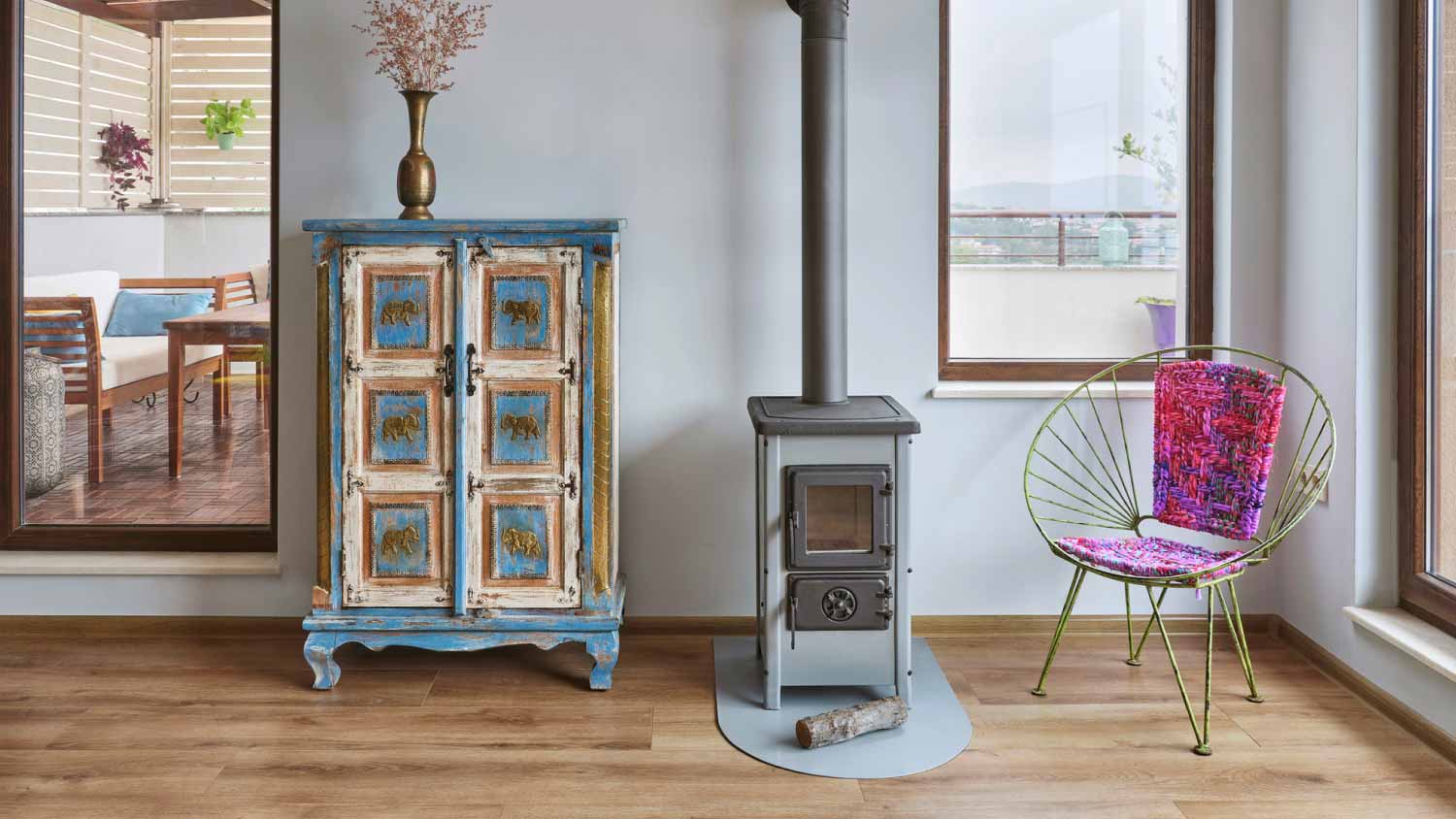
Gravity furnace replacement cost can be high if there is asbestos present. Use this cost guide to help you decide if you should repair or replace it.

Dirty air filters can raise your energy bills and negatively impact your air quality. Luckily, replacing them is easy. Here’s how to change a furnace filter.

Can I run my AC without a filter? Discover the risks of running your AC without a filter and learn why it's crucial for indoor air quality.

If you don’t regularly change out dirty furnace filters, it could seriously impact the air quality of your home. Keep reading to learn the many reasons why you should keep on top of your furnace filters, changing them every one to three months.

If you don’t maintain your heating and cooling system properly, home can feel like anything but the haven it should be. But nurturing your HVAC means learning about the different types of furnace filters so that you can choose the best for your home.