

Switching from oil to gas heating could impact your savings. This guide will help you understand the cost to convert from an oil furnace to a gas furnace.
Warm up to the idea of better heat efficiency for your home

Heat pumps transfer heat using electricity rather than burning gas, which lowers your carbon footprint and reduces operating costs when you switch from a gas furnace.
Expect to pay $4,200 to $7,900 to replace a gas furnace with a heat pump, with costs around $6,000 for most homes.
Heat pumps work best in mild climates where temperatures stay above freezing, so your location determines whether switching from gas heat makes sense for you.
Hiring a local heat pump repair professional provides expert guidance on system sizing and installation, ensuring your new heat pump works efficiently for your home.
Is your heating system ready to take on winter? If it was acting up last season, there’s time before the cold weather sets in to replace the gas furnace with a heat pump that works cleaner and more efficiently.
A heat pump offers many benefits, especially in mild climates, but they do require a significant up-front cost, don’t always work well in freezing temperatures, and can make existing air conditioners redundant. Let’s go over the pros and cons of this common heating source, starting with the basics.

A heat pump is (and does) what it sounds like—it pumps heat. More specifically, it transfers heat from the outside to the inside of your home to regulate the temperature.
Heat pumps are often considered to be the more energy-efficient options for heating your home. Unlike a forced-air furnace, which is powered by fossil fuels like oil or natural gas, a heat pump uses electricity. If your furnace is starting to act up, it might be a wise choice to replace it with a heat pump instead of a new furnace, especially if it’s been around for a few decades.
Typically, a gas furnace can last between 15 and 20 years, provided it’s been on a regular maintenance schedule with your local HVAC pro. If yours is at or near the 15-year mark and currently struggling, you might want to talk to a local heat pump technician about replacement.
| Pros of Heat Pumps | Cons of Heat Pumps |
|---|---|
| Eco-friendly energy | Doesn’t work as well in very cold areas |
| Lower cost to operate | Replaces your AC system |
| Comparable to new furnace prices | May have a shorter life span |
| Safe to operate | May cost more to run for some situations |

Here are some of the reasons you might want to replace your furnace with a heat pump:
A heat pump relies only on electricity, so using one can lower your carbon emissions by up to 53%, according to a study conducted by the University of California. For people who have the budget, making the switch from gas to electric for heating their homes can have a huge positive impact on the environment.
Energy-efficient appliances not only support the environment, but they also support your bottom line. Because a heat pump transfers heat rather than generates energy, you can expect to pay less on operating costs—especially if you’re paying high prices for gas and oil in your region.
When you switch to a heat pump, you are effectively switching your home’s heating and cooling to a single system. Why? Because a heat pump also works much like an air conditioner does by transferring air from the outside—only this time it’s cooling it rather than heating it.
The average cost to replace a gas furnace with a heat pump is about $6,000, but the range could be between $4,200 and $7,900 depending on the size and type of heat pump you need to efficiently heat your home. Keep in mind that more energy-efficient models will be on the higher end of the price spectrum, but you’ll likely recoup the costs over the next few years since you won’t be footing the gas bill anymore.
While that may seem high, it actually compares very well to the cost of a new gas furnace, especially on the high end. Normal ranges for a new gas furnace tend to start at $3,800, but the price can go up to $10,000, costing more than the most powerful heat pumps. Keep in mind that the heat pump also replaces your old air conditioner, so if it’s showing its age, that could be a net savings on HVAC unit replacements.
Heat pumps don’t use fuel, which means there’s no risk of fire or related combustion problems. There’s also no chance of carbon monoxide leaking into the home from a faulty furnace. While modern furnaces are very safe, they still present these kinds of fire hazards that heat pumps don’t. Also, ignition components and a combustion chamber require careful inspection and cleaning to avoid problems, so heat pump maintenance is usually easier as well.
A heat pump offers numerous benefits. However, there are a few downsides, depending on where you live and what kind of HVAC upgrade you have in mind. Let’s go over what you should know.
Since heat pumps draw heat from outside air to heat homes, they work best when the air is at least a little warm. Modern heat pumps are very good at extracting heat, even in cold temperatures. But if the weather drops well below freezing for extended periods of time, heat pumps can struggle to work or need to switch over to a secondary source of heat. So, it only makes sense to switch over if you live in a milder climate.
Heat pumps will replace your gas furnace and your air conditioning. If you really like your air conditioning system, you’ll have to give it up, too, which is something not all homeowners are interested in doing.
Heat pumps work constantly in both cold and warm weather, which means they can wear out more quickly than other HVAC units. Expect your heat pump to last around 15 years, a bit less than the average furnace. However, with consistent maintenance, heat pumps can last many years longer before you need to think about a replacement.
We mentioned that heat pumps may need to switch to a secondary source of heat in very cold conditions. Unfortunately, this is usually an electric heating element, which is inefficient and takes lots of energy to run. That quickly dilutes the heat pump's overall efficiency in freezing winters.
If you’re exploring all your options, keep in mind you have alternatives to replace a gas furnace beyond a heat pump. Typical alternatives include:
Baseboard heating: Baseboard heaters sit close to the wall and supply convection heating, often through electric heating elements. They are usually used in homes without ductwork or new additions where the old HVAC system doesn’t reach.
Radiant boiler heating: Radiant heating uses hot water that cycles through radiators, underfloor heating pipes, or hydronic baseboard heaters (where heat radiates outward into the room). Boilers typically run on gas or electricity to heat the water.
Solar heating: Solar heating gathers heat from the sun and focuses it into water or air, which is then passed into the house to provide heat. It can offset energy costs, but it isn’t usually the primary source of heat.
Pellet stoves: Pellet stoves use slow-burning wood pellets as a source of heat, an alternative to fuels like natural gas or liquefied petroleum gas.
Still trying to make up your mind about a heat pump? A heat pump is worth it for people in these situations:
You want to stop using fuel. If you don’t want to use natural gas or rely on propane deliveries, switching to a heat pump is a more independent energy option.
You want a more efficient, energy-saving heat option. If you’re looking to cut your heating bills, a heat pump can usually help.
You live in the right geographical area. Heat pumps don’t require nearly as much energy as oil and gas furnaces. However, a furnace might be the better option in colder regions where there’s not as much heat available to take in.
You have the right electrical setup. Your home must be equipped with the right electrical hookup or the space to have it added. This requires compliance with local building codes, but you could also reach out to a local HVAC pro who can advise you on what, if anything, needs to be done to your home to fit a heat pump.
You don’t mind an HVAC remodel. Switching over to a heat pump takes a little remodeling, primarily moving old furnace and AC units out and installing heat pump components instead. If that’s alright with you, then full steam ahead.
If you’re good people wanting to do business with good people, hire Matt. He is a consummate professional and utterly competent. He installed a water heater in my home at a price that beat competitors by hundreds of dollars with a promise to support the unit for its life (even after its 6 yr...
 Greene's Plumbing Services
Corey Carr was great. I had damage from a recent storm and needed to have my mast and other components replaced. The project entailed coordinating with AEP, and Corey helped make a stressful situation a lot less stressful. I really appreciated his dedication to service and the job very well done.
 Mr. Electric of Columbus
This service was great. My air conditioner went out during the heat spell that we had. My husband has health issues and they came out that night and at 9:30pm the air conditioner was fixed and running. We are sooo very thankful, this is the company I will be using from now on and would...
 Mr. Mechanical Ohio
I normally do not leave reviews, but my experience with Worthington Air was extremely frustrating and disappointing. About 30 days ago, I had a consultation done for an HVAC replacement and was quoted approximately $15,079. Based on that quote, I applied for financing through their company...
 ARS Columbus Worthington Air
Great company! Price was competitive, technician showed up on time and completed the job (exterior electric Radon fan replacement) quickly. Would hire them again.
 MaGen Property Inspections and Radon Mitigation
Raven and crew does absolutely fantastic job. They are very professional if any concerns were to occur with any of her work she always took responsibility and finished out with a great job. I have worked with her business for a year and have always been satisfied. Very trusted business and...
 Creations of Transformation LLC
I would recommend this company to anyone! He showed up on time, was friendly, completed a very difficult repair on our dryer vent cover, was responsive, and pricing was extremely fair and competitive. I would have him back to do any of our repairs or cleanings without hesitation!
 U.S.A. Dryer Vent, LLC
Ace Fireplace Services' chimney sweep service is truly exceptional. They used advanced technology to ensure a thorough cleaning process, and my chimney has never looked better. I highly recommend their services.
 Ace Fireplace Services
The technician was very professional and friendly. He answered all my questions and was very thorough. He left the fireplace area very clean . He inspected from the roof and advised me as to other work that might need to be done. There was no pressure there. I was very satisfied with the...
 Supreme brick & chimney
On time, clean and finished fast. Windows seem sturdy and the finish is good. Caulking was done with no smudges. Would recommend.
 Window Depot USA of Central Ohio
From average costs to expert advice, get all the answers you need to get your job done.
Switching from oil to gas heating could impact your savings. This guide will help you understand the cost to convert from an oil furnace to a gas furnace.

Gas furnace replacement costs depend on the type of furnace you want and installation fees. Our guide explains all the factors involved in a new furnace cost.
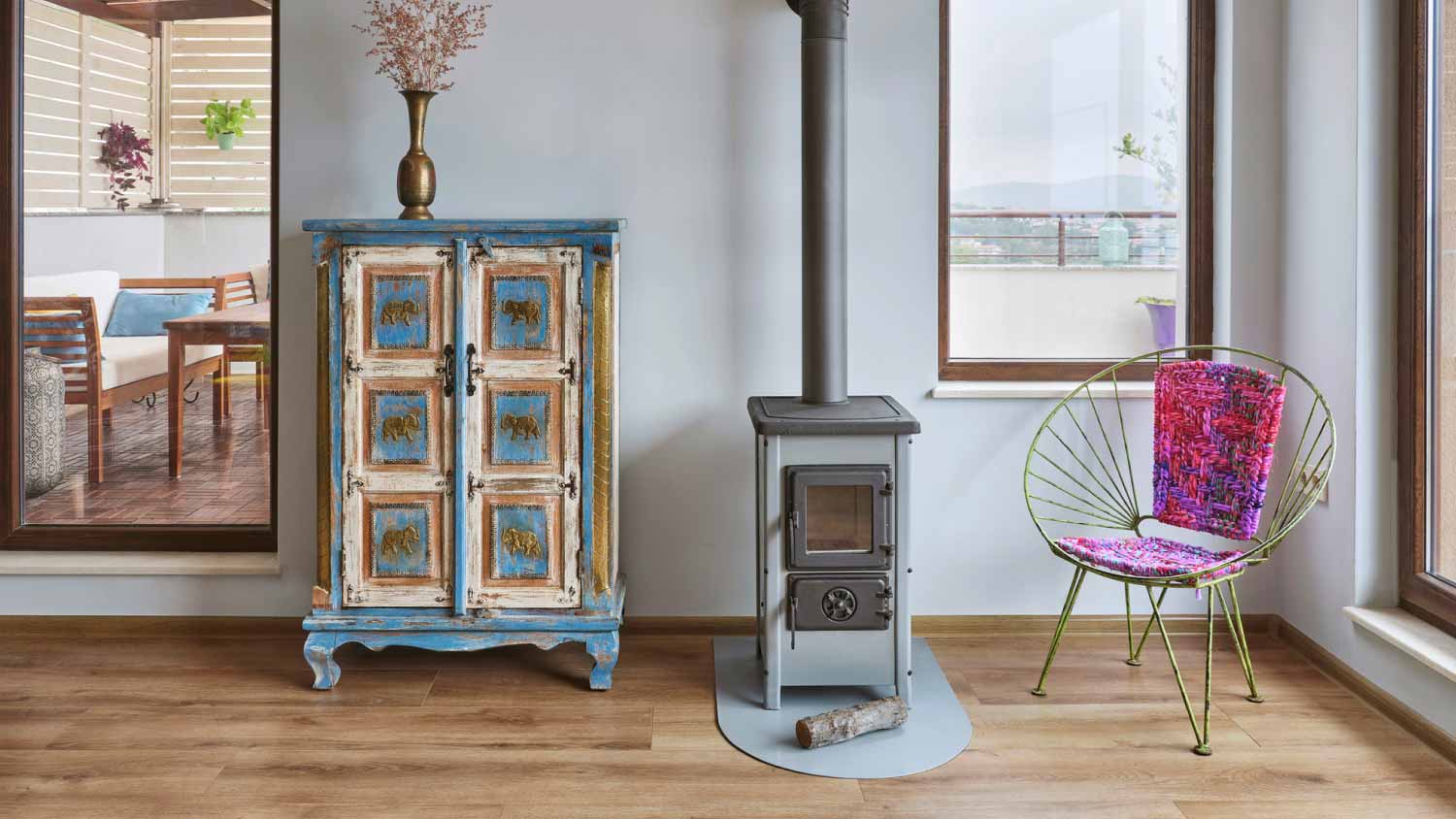
Gravity furnace replacement cost can be high if there is asbestos present. Use this cost guide to help you decide if you should repair or replace it.

Beat winter’s chill by comparing whether a heat pump vs. a furnace is the best heating system for your home. Cost, lifespan, and other factors come into play.
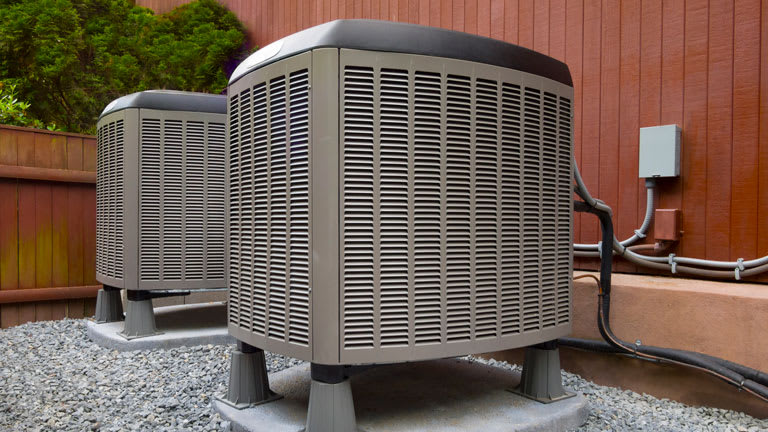
Thinking about a heat pump installation or replacement? Learn about system types, costs to expect, and how to hire the right local HVAC pro for the job.
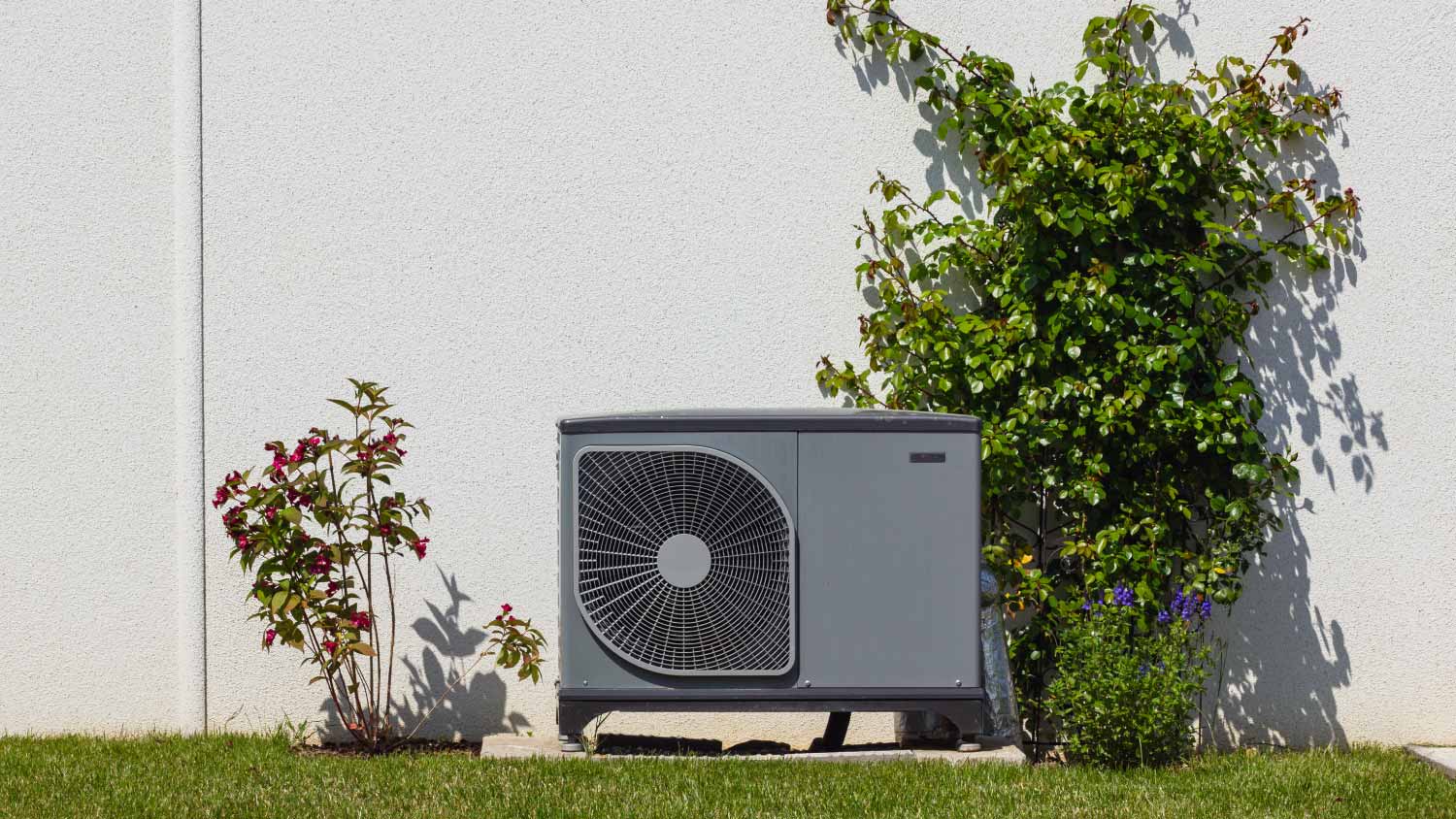
While costly to install, heat pumps are an efficient and eco-friendly way to heat and cool your home, no matter the season.