

The cost of a radon mitigation system in Austin, TX, depends mostly on the type of system being installed. Use this guide to learn about your options.
Biohazard remediation costs depend on your project and location. Check with a local pro for your specific job.

Professional radon testing in Austin, TX, costs an average of $421 for most standard homes.
The total price of your project depends heavily on your home size and the testing method.
Testing a large home requires multiple kits, which increases your total expenses to $495 to $690.
Hiring a radon testing pro in Austin, TX to test your home keeps you and your household safe from radon.
This article was created using automation technology and produced in accordance with our AI policy, which includes editorial quality standards.
Radon testing in Austin, TX, costs $421 on average, and ranges from $145 to $714. Your total price depends on the square footage of your home, the specific testing method you choose, and current local labor rates. Before scheduling a radon inspection, understanding the cost helps you plan a project that fits your budget and keeps your household safe.
Homeowners in Austin, TX, rely on certified radon testing professionals to ensure their indoor air is safe to breathe. The final bill for this service depends on several specific variables, including the testing method chosen and the square footage of the property.
The specific testing method you select directly dictates the baseline price of the project. Professional active monitors provide highly accurate readings, while passive kits offer a budget-friendly starting point. In Austin, TX, homeowners choose between simple DIY kits and comprehensive professional assessments. A DIY short-term test costs $10 to $40, making it an accessible first step for checking baseline levels. For real estate transactions or highly accurate continuous monitoring, a professional test ranges from $150 to $690.
| Test Type | Description | Local Average Cost | National Average Cost |
|---|---|---|---|
| DIY short-term | Charcoal or liquid scintillation kits are used for 2–7 days | $10–$40 | $10–$40 |
| DIY long-term | Alpha track or electret kits used for 90+ days | $25–$60 | $25–$60 |
| DIY digital | Electronic monitors for ongoing readings | $100–$250 | $100–$250 |
| Professional | A certified pro uses an active or passive device | $150–$690 | $150–$700 |
The square footage and layout of your property determine how many testing devices are required to get an accurate reading. Sprawling multi-level properties demand more equipment and setup time than compact single-story houses. Austin, TX, experiences extreme heat for much of the year, meaning homes remain tightly sealed with the HVAC system running constantly. This lack of ventilation makes thorough testing critical across all levels of the home. Testing a small home of 1,200 square feet costs $150 to $295, while outfitting a large home of 4,000 square feet or more with multiple kits costs $495 to $690. Homeowners frequently bundle this service to save on overall home inspection costs during a property purchase.
| Home Size/Type | Description | Local Average Cost | National Average Cost |
|---|---|---|---|
| Small home (1,200 sq. ft.) | Single kit, single level | $150–$295 | $150–$300 |
| Medium home (2,500 sq. ft.) | Two kits or multi-level testing | $295–$495 | $300–$500 |
| Large home (4,000+ sq. ft.) | Multiple kits, multi-unit or multi-level | $495–$690 | $500–$700 |
Testing your home on a regular schedule adds to your long-term maintenance budget but provides essential peace of mind. Experts recommend retesting every two to five years to catch any dangerous spikes in radon gas. While the average overall project in Austin, TX, runs $421, most homeowners spend between $145 and $714 for a comprehensive professional visit. Routine testing is just as critical as scheduling regular indoor air quality testing to maintain a safe living environment. If you make major structural changes to your foundation, you must schedule a new test immediately to ensure the barrier remains intact.
The physical components used to capture and measure radon gas vary in complexity and price. Reusable electronic devices carry a higher upfront price tag than disposable single-use kits. Basic charcoal canisters in Austin, TX, cost $10 to $30 and are designed for a single short-term reading. If you prefer to track fluctuations over time, a digital monitor costs $100 to $250 and provides continuous data, though it requires periodic calibration to remain accurate.
| Material/Kit Type | Description | Local Average Cost | National Average Cost |
|---|---|---|---|
| Charcoal canister | Disposable, short-term DIY kit | $10–$30 | $10–$30 |
| Alpha track detector | Long-term DIY kit, measures over months | $25–$60 | $25–$60 |
| Digital monitor | Electronic, reusable, needs calibration | $100–$250 | $100–$250 |
| Pro-grade equipment | Used by certified testers, higher accuracy | Included in service | Included in service |
Hiring a certified specialist involves paying for their expertise, travel time, and the formal analysis of the results. Labor rates fluctuate based on the professional's experience and the demand for environmental testing services. Most radon testing professionals in Austin, TX, charge a flat one-time cost for the entire service, which covers the equipment drop-off, retrieval, and the final lab report. If a company charges an hourly rate, you pay $30 to $75 per hour for the technician's time on-site.
Tipping is not a standard practice in the environmental testing and home inspection industry. Technicians do not expect gratuity for their services. Instead of offering a cash tip, you support your local Austin, TX, testing professional by leaving a positive online review. Recommending their services to neighbors is the best way to show appreciation for a job well done.
Maintaining a safe home requires testing for radon every two to five years. You must also schedule a new test after finishing major basement renovations, altering your HVAC system, or sealing foundation cracks. Testing during the winter or during periods of extreme heat in Austin, TX, yields the most accurate results because windows and doors remain closed, allowing the AC or heating system to circulate the indoor air.
Discovering elevated radon levels leads to additional services to secure the home. If your initial test in Austin, TX, shows dangerous gas concentrations, you need to budget for radon mitigation costs to install a proper ventilation system. Lab analysis fees for mailed-in DIY kits add $10 to $40 to your total, and requesting expedited results adds another $20 to $50 to the final bill.
Some situations require additional testing or services, which can increase your overall cost. Retesting after mitigation or remodeling is important to confirm safety. Continuous radon monitors, which track levels over time, can cost $100 to $250. Lab analysis fees for mailed-in kits range from $10 to $40, with expedited results adding $20 to $50 to your bill. Discounts are sometimes available for multi-unit or multi-location testing in Austin, TX. If your test reveals elevated radon, follow-up consultations or mitigation assessments can cost $100 to $200.
| Method | Local Total Cost Range | National Total Cost Range |
|---|---|---|
| DIY | $10–$100 | $10–$100 |
| Professional | $150–$690 | $150–$700 |
Both DIY kits and professional services have their own cost structures and benefits. DIY radon testing is affordable, but accuracy depends on following instructions closely. Kits cost $10 to $100, with possible additional charges for shipping and lab analysis. Professional testing is more expensive, with service fees ranging from $150 to $700. These fees encompass setup, sample collection, analysis, and a comprehensive report, providing peace of mind and ensuring compliance for real estate or legal purposes. While DIY testing can save money, hiring a local radon remediation pro in Austin, TX, ensures accurate results and reduces the risk of user error.
Here are a few helpful ways to reduce the cost of radon testing in Austin, TX:
Purchase test kits in bulk or during sales to lower per-test costs.
Use local health department or state radon program discounts for free or reduced-price kits.
Schedule professional testing during off-peak seasons for better rates.
Combine radon testing with other home inspections to save on service fees.
Retest only as recommended to avoid unnecessary expenses.
Understanding the factors that impact radon testing costs helps you plan and budget more effectively in Austin, TX. Let’s walk through the key factors that shape your total price.
The type of radon test you choose is one of the biggest drivers of cost. DIY kits come in several forms, such as short-term, long-term, and digital monitors. Professional testing uses either passive or active systems, often providing more precise results. Short-term DIY kits are affordable, typically ranging from $10 to $40, but professional tests offer higher accuracy and are recommended for real estate transactions or when you need official documentation. Digital monitors cost between $100 and $250 and can be reused but may require calibration fees. Professional tests range from $150 to $700.
The size of your home in Austin, TX, can significantly impact the cost of radon testing. Larger homes often require multiple kits or devices to test different areas, such as basements, crawl spaces, and upper floors. Multi-level or multi-unit properties can expect higher costs due to the need for more equipment and time. Testing a small home of 1,200 square feet costs $150 to $300, while outfitting a large home of 4,000 square feet or more with multiple kits costs $500 to $700.
How often you test for radon affects your long-term costs. One-time tests are common, but regular testing every two to five years is recommended, especially after renovations or mitigation. Some pros offer discounted packages for scheduled repeat testing, which can lower your average cost over time. If you’ve installed a radon mitigation system or completed major remodeling in Austin, TX, retesting ensures your home remains safe. Frequent testing can add up, but it’s a small investment compared to health risks.
The type and quality of materials used for radon testing make a difference in both price and reliability. DIY kits use charcoal, alpha track, or digital monitors. Professional testers often use higher-grade equipment for greater accuracy. Basic charcoal canisters in Austin, TX, cost $10 to $30 and are designed for a single short-term reading. Long-term alpha track detectors cost $25 to $60. Digital monitors are more expensive upfront, costing $100 to $250, but can be used repeatedly. However, they may need periodic calibration, which adds to your total cost.
Professional radon testing involves skilled labor. Certified radon testers, home inspectors, or environmental specialists conduct the test, set up equipment, collect samples, and provide an official report. Most charge a flat fee, but some use hourly rates between $30 and $75 per hour, depending on your region. Service fees include setup, analysis, and reporting. Additional charges may apply for expedited results, travel to remote areas, or after-hours appointments in Austin, TX. Urban areas or regions with high demand may see higher labor rates.
Your geographic location influences the cost of radon testing. Homes in high-risk or high-demand areas often command higher prices, whereas rural locations outside Austin, TX, may incur additional travel fees. State regulations and cost of living also play a role. Within your home, the area being tested—such as a basement, crawl space, or upper floor—can affect the number of kits or devices needed. Professional testing costs vary regionally, with some states offering subsidies or requirements that impact pricing.
Tipping is not standard practice for radon testing professionals in Austin, TX. If you feel your tester provided exceptional service, a tip is appreciated but not expected. Positive reviews or referrals are excellent ways to show appreciation and support your local pros.
This cost guide is based on project data from homeowners and local professionals. The average cost of radon testing is calculated from a low number of projects (1,000–9,999) to provide an accurate estimate for your area.
Hiring a radon testing professional in Austin, TX maximizes your home's safety, saves you hours of research, and delivers outstanding long-term value.
Experts utilize calibrated, continuous radon monitors to detect precise daily fluctuations in indoor gas levels.
Inspectors pinpoint the exact entry points where radioactive gas seeps into your foundation or basement.
Professionals deliver certified, legally recognized documentation required for seamless real estate transactions and buyer confidence.
Technicians outline actionable steps and recommend specific mitigation systems tailored to your unique property layout.
Home is the most important place on earth, which is why Angi has helped more than 150 million homeowners transform their houses into homes they adore. To help homeowners with their next project, Angi provides readers with the most accurate cost data and upholds strict editorial standards. We’ve surveyed thousands of real Angi customers about their project costs to develop the pricing data you see, so you can make the best decisions for you and your home. We pair this data with research from reputable sources, including the U.S. Bureau of Labor Statistics, academic journals, market studies, and interviews with industry experts—all to ensure our prices reflect real-world projects.
Want to help us improve our cost data? Send us a recent project quote to [email protected]. Quotes and personal information will not be shared publicly.
We hired Scott Phillips and his crew to do a major remodel of our rental property. They moved walls to gain better use of space and then remodeled the kitchen and bathroom and created a laundry/clothes closet. Additionally, they increased the size of an existing deck and screened in a portion...
 Sierra Building Services LLC
I have my own Remodeling company and bathroom remods are our specialties. I've recently started using theirs services. 10 on Communication 10 on professionalism 10 on price 10 overall I plan to continue using thier services
 SJ Glass
Jonathan was super helpful, knowledgeable and very friendly! Would highly recommend him for treating any pest / bug problems you may have!
 Bulwark Exterminating, LLC
Pristine Cleaning service did a great job with our move-out clean on short notice, thorough cleaning, friendly service.
 Pristine's Cleaning Services
The service was top notch all around. Tony was very helpful & responsive from the beginning. I would definitely use them again for any pest removal needs. They made an unpleasant pest situation fixable. Thank you Tony & staff.
 A TO Z PEST CONTROL COMPANY INC
DO NOT USE. Before purchasing my home, I needed mold levels to be tested given my mold toxicity health issues. GreenWorks cleared the home of mold. After purchase, we learned an extreme level of mold was present in the air ducts, kitchen, and crawl space. After hiring a second mold inspector,...
 GreenWorks Inspections & Engineering
Very professional and hands down the best in the business. I highly recommend using Junk Bait for any kinds of project removals.
I would strongly recommend Water Damage Remediation. The wax ring on our toilet leaked through the ceiling on the first floor. I reached out to them, and Colby was very responsive, professional, honest, and knowledgeable. He gave me some options to address my water damage, and had the work...
 Water Damage Repair Tech
Paul responded my call on time and was able to perform the diagnosis right the next day. After check the parts availability, he fixed my refrigerator right the next day.
 Patriot Appliance and Air Conditioning Repair Services
Quick replies, project was done in a timely manner, and work was done very well. Very attentive to cleaning up.
 Off the Wall Drywall
From average costs to expert advice, get all the answers you need to get your job done.
The cost of a radon mitigation system in Austin, TX, depends mostly on the type of system being installed. Use this guide to learn about your options.

Find out the average indoor air quality testing cost in Austin, TX. Learn what you can expect to pay for local air testing services to keep your home safe.

Find out what impacts radon testing costs, including average prices for DIY kits and professional services, so you can protect your home and budget confidently.
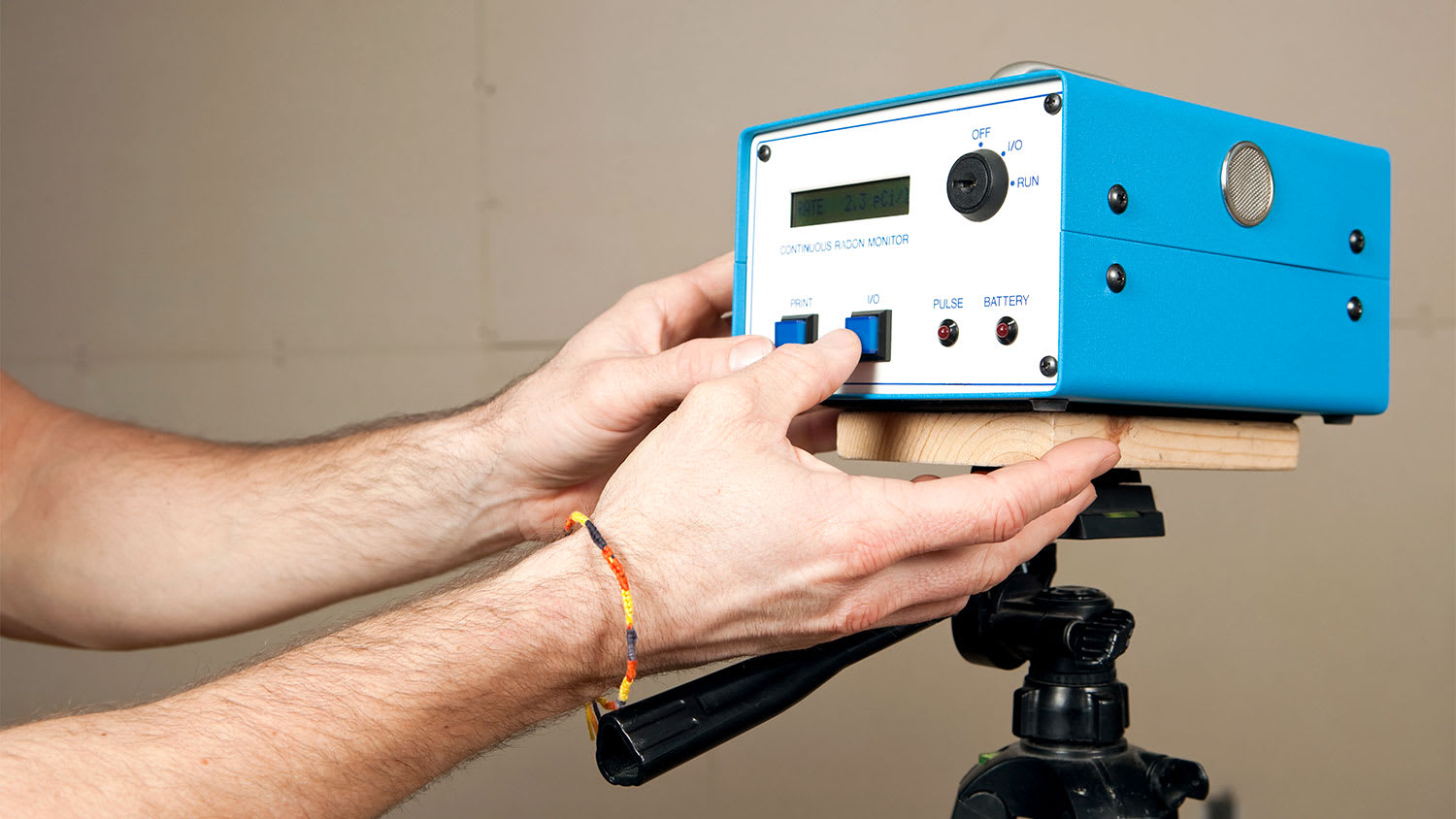
Learn how to hire a qualified radon testing pro for your home. Find certified professionals, understand costs, and get expert tips to protect your family.

Knowing how to test for radon will keep your home free and safe from this odorless gas—you just have to decide whether to do it yourself or hire a pro.

Radon is a gas that you can't see or smell and is harmful to your health. If your home has radon, you need to know who installs radon mitigation systems.