
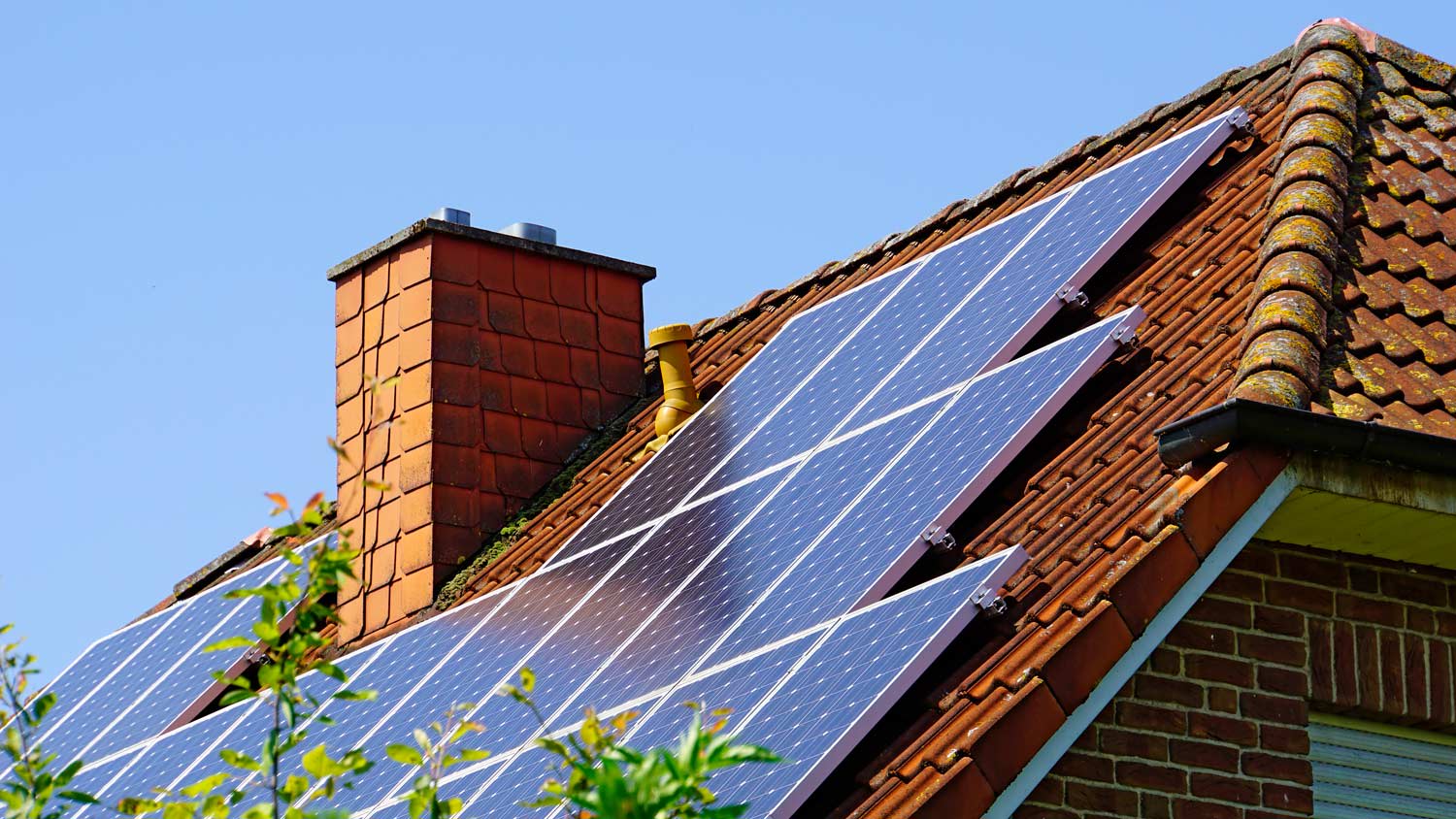
•
Discover the average solar panel installation cost, key price factors, and expert tips to help you budget for your solar project.
Save on up-front costs but forfeit tax credits

Solar leasing agreements let you pay fixed monthly amounts for solar energy without owning the panels, avoiding installation and maintenance costs.
Expect to pay $18,400 to $36,400 for solar panel installation if you buy, while leasing eliminates up-front costs but forfeits tax credits.
Leasing solar panels costs you more over time because you miss out on free electricity after the typical 15- to 25-year payoff period.
Hiring a local solar panel installation professional provides clear guidance on lease transfers and ownership options when you're ready to sell your home.
While the initial costs of solar panel installation may be out of reach for some homeowners, solar leases have made going solar possible without the up-front cost. While giving up ownership means giving up a significant share of the profits of going solar, you may find it more beneficial to lease your solar panels. Here are seven pros and cons of leasing solar panels so you can decide whether this energy-efficient investment is worth it for your home.
Much like renting a car or a home, a solar panel lease is a financial agreement with a solar energy company where you choose to pay a fixed monthly amount to receive the energy that comes from the solar panels on your property. You don’t own the solar panels, but you also aren’t required to pay for installation, maintenance, or repairs.
| Pros | Cons |
|---|---|
| No up-front or maintenance costs | No ownership |
| No installation or maintenance fees | No rebates or tax credits |
| No payback period | Can complicate the home-selling process |
Renting exists for a reason—the option to lease is not a new financial exchange. And, as with any type of large investment, sometimes it’s just not possible to put down large payments or installments for an expensive but important asset. This can certainly be the case for solar panels.
With this in mind, here are a couple of benefits of leasing solar panels.
Solar panels cost upward of $55,000—though most cost between $18,400 and $36,400, with an average cost of $27,200. Most homes require 10 to 20 panels to completely cover the costs of their electricity, so prices vary by household energy consumption.
If paying the total solar panel installation cost up front sends you wobbling on the fence, leasing is another option that may work better for you. There often is zero cost to lease solar panels up front. Compare that to the cost of buying a solar panel, and you might find that this is the best choice for your budget.
New solar panels reduce energy costs, but could they also reduce your home's worth?
No one likes installing and maintaining a piece of equipment—especially if you’re unfamiliar with the installation process or troubleshooting any issues that may arise. To make it easier on homeowners, some leasing programs have free installation, maintenance, monitoring, and warranties on the rented panels.
Purchased solar panels, on the other hand, often have the following warranties:
25-year performance warranty
10- to 12-year manufacturer warranty
Five-year workmanship warranty
Having a general warranty through the duration of your solar panel lease can save you big time, as owned solar panels can have issues after these various warranties expire, leading to unexpected repair costs.
Homeowners end up spending between $250 and $1,600, or an average of $900, on the cost to repair solar panels. You can cover these expenses if you choose the right leasing program. As with all major investments, speak to a solar panel company near you to learn about the kinds of programs in your area before deciding.
The payback period on your solar panels is the amount of time it takes for you to break even on your investment. This is about 11 years for most homeowners. Until then, you’ve spent more on the panels than you’ve saved. With a lease, you don’t have to think about a payback period since you don’t own the system.

You know what they say: Every rose has its thorn. When it comes to leasing solar panels, there are a few cons that you should keep in mind before you seal the deal.
Though you save on up-front costs when you lease a solar panel, you end up paying more over time. Just like renting a house instead of buying one, the costs may be less expensive initially, but purchasing an asset and having ownership leads to more significant savings in the end.
To put this into context, it takes about 15 to 25 years to pay off ownership of solar panels. Once you’ve paid off a solar panel, you get free electricity for 25 to 40 years, depending on how quickly you pay it off. Alternatively, if you lease your solar panels, you don’t get free electricity over time.
In addition, a solar panel lease does not receive the 30% federal tax credit or any local incentives that may exist in your community for choosing an energy-efficient option for your home.
On the other hand, ownership of solar panels qualifies you to receive the following tax credits:
30% tax credit for systems installed before 2032
26% tax credit for any solar panel systems installed in 2033
22% tax credit for systems installed in 2034
Keep in mind that the solar tax credit might expire in 2024 if Congress chooses not to renew it.
A lease can cause prospective homebuyers who don't understand or want the long-term obligation to turn away from your property. Think of it like this: A lease term for solar panels is 20 years. With the average home selling in five to seven years, that means a potential buyer gets both a home and a lease obligation.
Transferring a solar panel lease to a new homeowner requires approval from the leasing company and the utility company. Additionally, the home buyer must submit a credit application to prove their ability to take over the remaining lease payments.
When you lease solar panels, you lose out on annual returns on investment of 10% to 30%, depending on your location, state incentives, and property characteristics. Therefore, if you hope to make your house easier to sell at a higher price, it’s more beneficial for you to own solar panels.
Tapping into solar energy by installing solar panels on your home can decrease utility bills and increase energy efficiency.
Alternatives to leasing solar panels include buying them outright with cash or financing solar panels with a loan. Another option similar to a solar panel lease is a solar power purchase agreement (SPPA). Just like with a loan, a company will install, maintain, and own the panels. The company will also claim any rebates or incentives from the installation.
Unlike a lease where you’ll have predictable, set monthly payments, your monthly electrical costs will fluctuate with a SPPA. This is because you’ll be purchasing the electricity generated from the panels from the company that installed them. If there are months when your electrical usage is higher than what the panels generated, you’ll have to pay an electrical bill to your utility company.
Solar panel lease agreements are long, lasting anywhere from 20 to 25 years. You’ll want to know for certain that this is the right route for you and your home before signing on the dotted line. It might be the right option for you if:
You don’t have the capital to pay for panels up front
You don’t want to deal with maintenance or repairs for a solar system
You don’t plan to sell your home
You want to pay a set monthly rate (rather than a fluctuating rate with a SPPA)
1 tree was cut down and 5 others including a large willow tree were trimmed. The Grant Tree Service men were professional and cleaned up afterwards. The cost of the 6 trees were affordable. I am very happy with the results. I would hire them again.
 Grants Tree Service
As usual with ECO, tech Jordan was outstanding, very professional, very knowledgeable, and very thorough with repairs made to tankless water heaters. Very highly recommend ECO!!!
 Eco Plumbers, Electricians, and HVAC Technicians
I conferred with 2 other contractors before Armstrong Electric. Nick and his crew showed me that the project was not as convoluted as the other contractors made it appear to be. They completed the entire project on time. They were professional, friendly and cleaned up after at completion. I...
 Armstrong Electric LLC
Window Depot did an amazing job on my deck. I wasnt sure what I wanted to do, but their composite decking was affordable and will last a long time. I am excited to have family over, and I am no longer embarrassed by my backyard. Jeff and the ground crew were polite, respectful, and caring for...
 Window Depot USA of Central Ohio
The techs on my project, Shawn and Cliff, were great. They were prompt, courteous, and efficient. I am very happy with the results and would definitely contact Mr. Electric for any future electrical projects.
 Mr. Electric of Columbus
Wonderful. I am going to have them remove and replace my driveway in the spring.
 All Star Paving and Sealing
Look forward to them getting started in our basement here soon. Extremely professional, very detailed and was a pleasure to have around. Anything we needed to work on or change in the middle of the project, they were open and willing to work with me.
 Jones & Sons Construction LLC
Did an amazing job transforming my yard. Also installed sod in places, would recommend to everyone.
 Cardinal Landscaping & Construction LLC
Manuel Calvillo is the best option in the area for roofing and you won't be disappointed.
There were some unsatisfactory issues with the product quality, no fault of Panel Town. They were handled quickly and professionally and in the end, exceeded my expectations. I believe that is a measure of a quality merchant. <br />
From average costs to expert advice, get all the answers you need to get your job done.
Discover the average solar panel installation cost, key price factors, and expert tips to help you budget for your solar project.
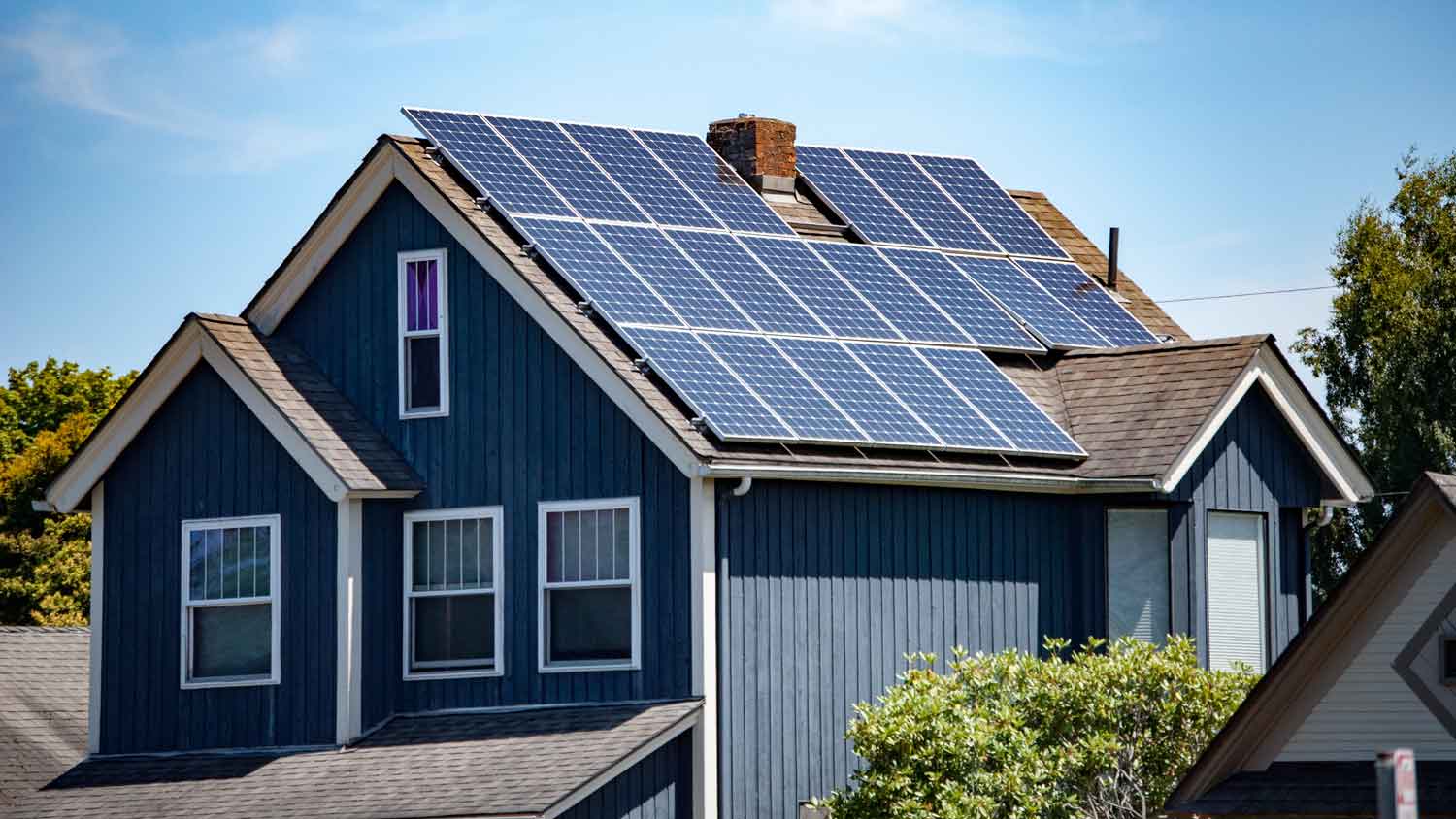
Discover solar panel maintenance costs, including average prices, cost factors, and tips to save, empowering you to keep your solar system running efficiently.
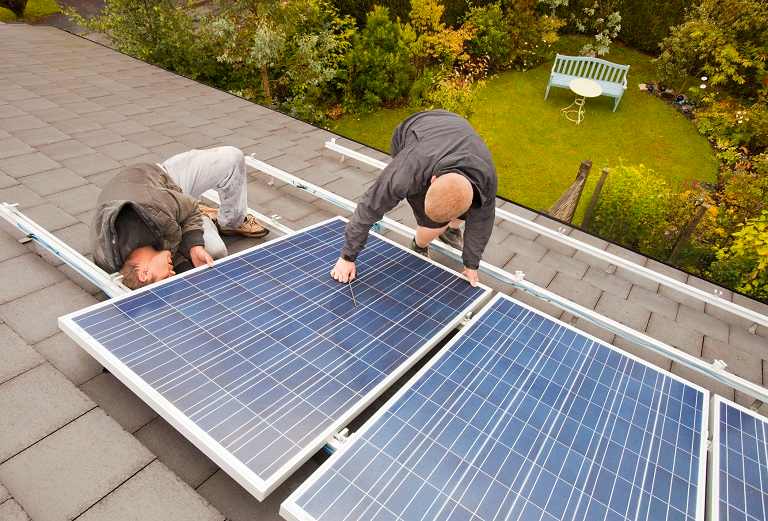
There are a few factors to consider when it comes to solar panel repair costs. This guide breaks down the prices of solar panel removal, repair, and replacement.
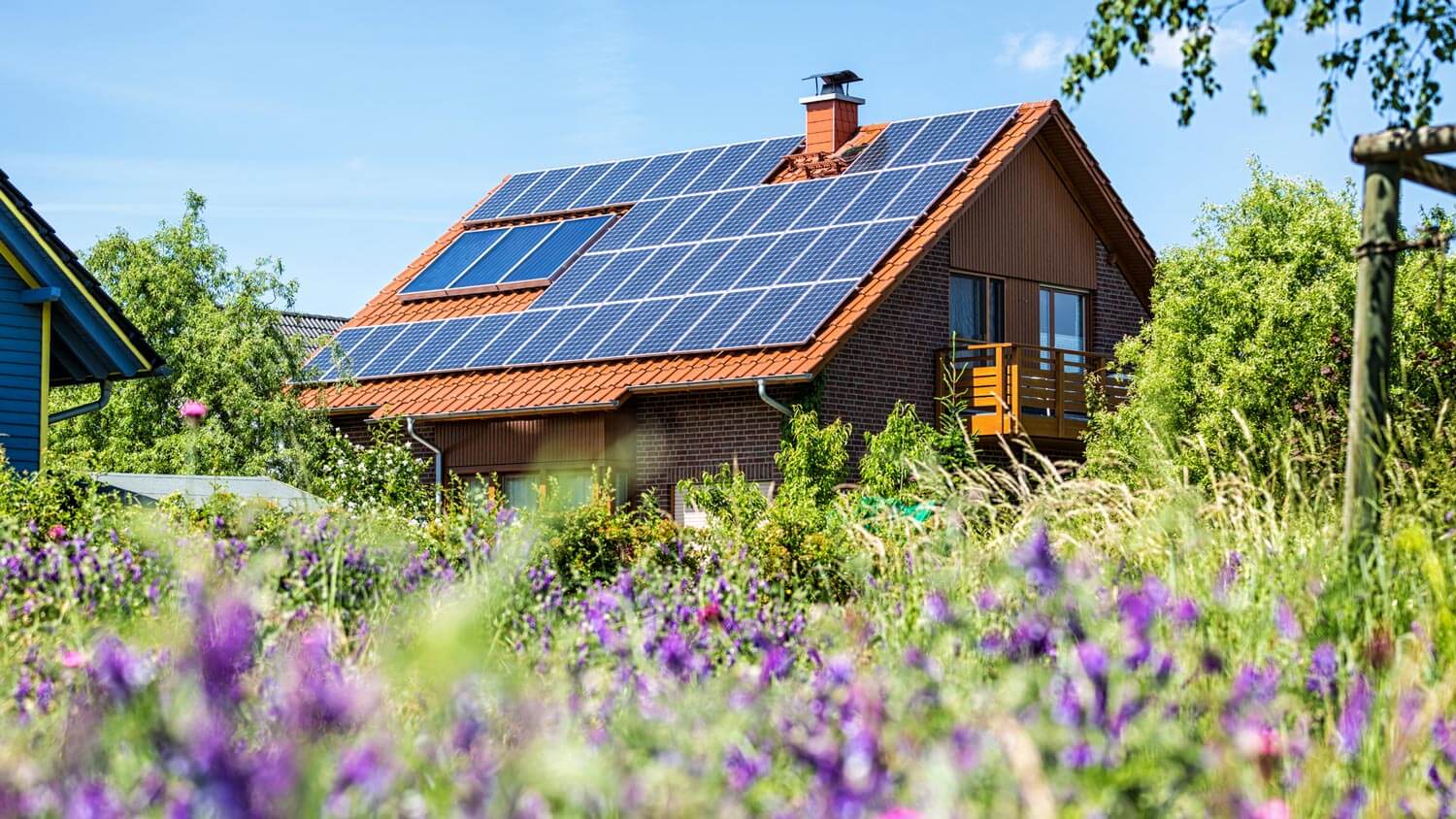
A solar panel system is a great way to lower energy bills, but it can be expensive to install. Here's what to know about solar panel finance options.
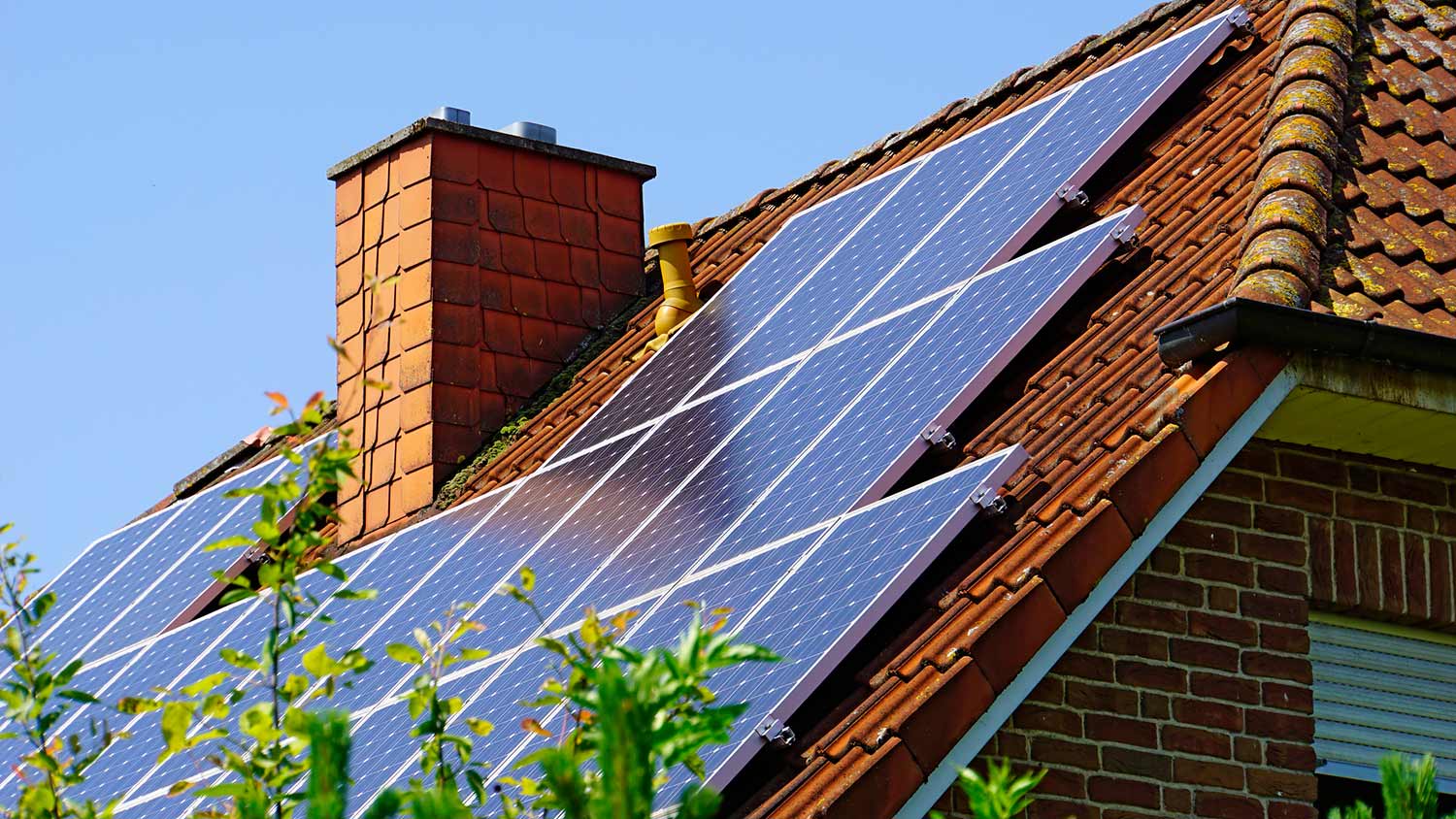
If you’re making the switch to solar energy, you’ll want to know the difference between solar panels versus solar shingles. Here are the pros and cons of each.
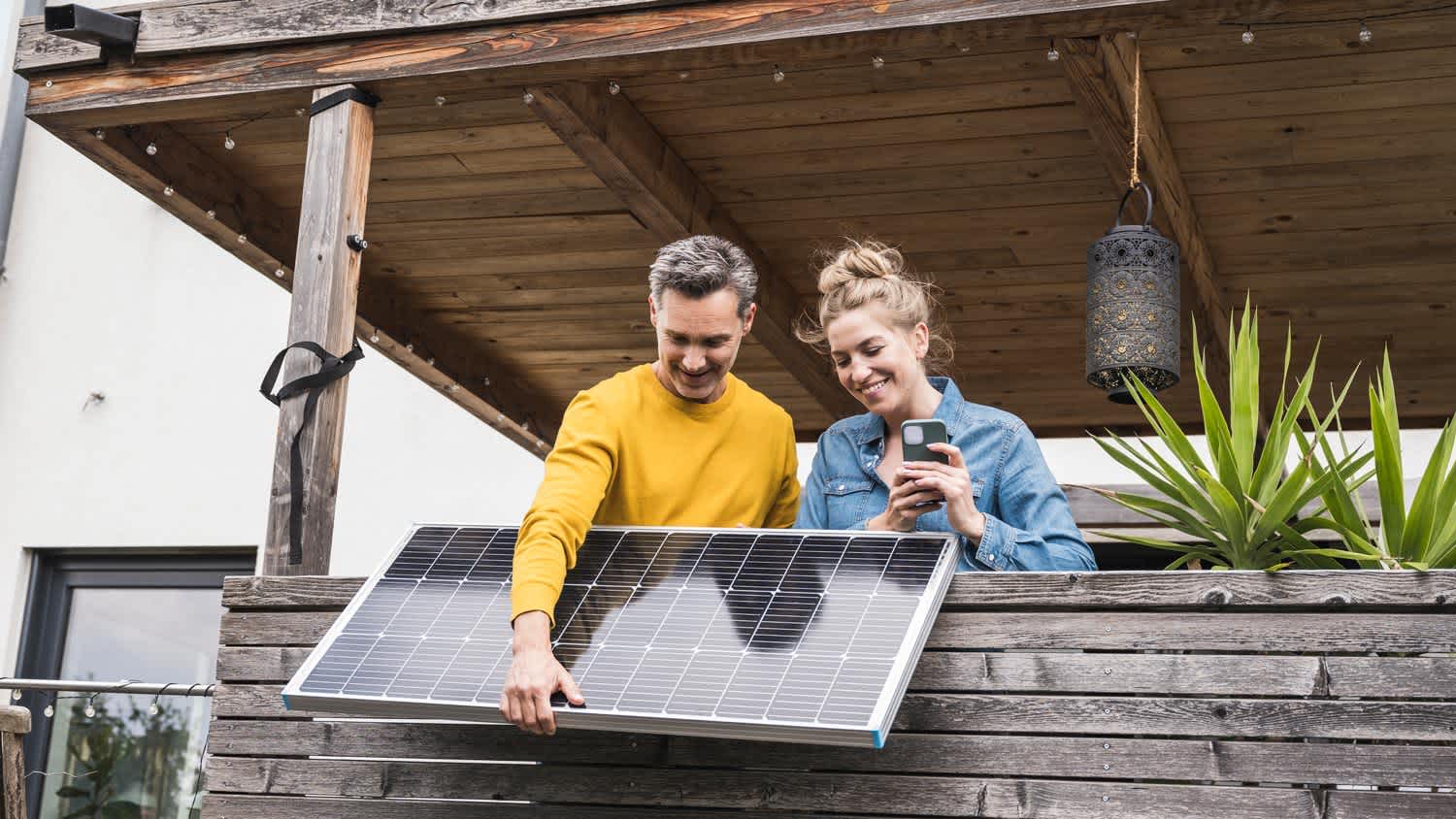
Are solar panels worth it? It depends on several factors—from the sunlight in your yard to local energy costs. This guide will help you decide.