
The cost to install Pergo® flooring depends on the type of flooring you choose. This brand is known for its laminate but has other things to offer.
Hardwood flooring service costs depend on your project and location. Check with a local pro for your specific job.


Oak flooring installation averages $12,000 but whole-home projects using specialty materials can exceed $36,000 depending on your oak type and project size.
Your oak species and grade determine material costs, with white oak resisting moisture better than red oak for your home.
Account for subfloor leveling, old flooring removal, and debris hauling which add $1 to $3 per square foot to your budget.
Hiring a local wood floor installing professional ensures your installation is done well and helps your property retain maximum value.
This article was created using automation technology and thoroughly fact-checked and edited by an Angi Editor in accordance with our AI policy.
The cost to install oak flooring ranges from $1,100 to $36,000, with an average cost of $12,000 for a standard project. Homeowners can expect to pay between $8 and $18 per square foot, depending on the type of oak, installation method, and project size. Understanding these costs helps you plan your flooring upgrade with confidence.
Let’s look at what impacts your total cost, how oak flooring compares to other options, and smart ways to maximize your investment.
When budgeting for the cost to install oak flooring, the size of the area is the single biggest factor. Flooring is priced by the square foot, so larger rooms or whole-home projects will increase total cost. For example, a single bedroom may be a smaller investment, while an open-plan living and dining space or a multi-room project may cost more overall but have a lower per-square-foot rate.
Installers sometimes have minimum project fees, so a very small space may not offer much savings per square foot. Spaces with stairs, hallways, or irregular shapes require more labor and materials, which can increase your total bill.
| Area Size (Sq. Ft.) | Description | Average Cost | Cost Range |
|---|---|---|---|
| 150 | Single bedroom | $1,200 | $1,100–$2,700 |
| 300 | Living room | $2,400 | $2,200–$5,400 |
| 600 | Two rooms | $4,800 | $4,400–$10,800 |
| 1,000 | Large open space | $8,000 | $7,500–$18,000 |
| 2,000 | Whole house | $16,000 | $15,000–$36,000 |
The type of oak flooring you choose has a big impact on cost, appearance, and durability. Solid oak is made from a single piece of wood, offering excellent longevity but at a higher price. Engineered oak features a real oak veneer over a plywood core, making it more stable and often more cost-effective. Red oak and white oak are the most common species; white oak costs a bit more but resists moisture and wear better.
Prefinished oak flooring comes ready to install, saving time and sometimes money, while unfinished oak allows for custom stains and finishes but adds labor. Oak is also graded by quality, with “select” being the clearest and most expensive, and “#2 common” showing more character at a lower price. Specialty options—such as wide-plank, reclaimed, or custom-milled oak—carry a premium.
| Oak Flooring Type | Description | Average Cost per Sq. Ft. | Pros | Cons |
|---|---|---|---|---|
| Solid red oak | Single wood piece, classic look | $8–$12 | Durable, can be refinished | Prone to humidity movement |
| Solid white oak | Denser, moisture-resistant | $9–$14 | Strong, stains well | More expensive |
| Engineered red oak | Oak veneer, plywood core | $7–$11 | Stable, easier to install | Limited refinishing |
| Engineered white oak | Oak veneer, plywood core | $8–$13 | Moisture-resistant, stable | Slightly less authentic feel |
| Prefinished oak | Factory-finished, ready to install | $8–$15 | Fast installation, consistent finish | Fewer custom color options |
| Unfinished oak | Sanded and finished on site | $7–$12 | Customizable finish | More mess, more time |
| Wide plank/reclaimed | Specialty, unique appearance | $12–$18 | Distinctive, high-end look | Expensive, may require special order |
Where you live plays a major role in the cost to install oak flooring. Labor and material costs are often higher in urban and coastal areas, while rural regions may offer lower prices but fewer installer options.
In major metro areas, demand and cost of living push prices up. Local climate can also affect installation costs, especially where humidity or temperature extremes require extra subfloor prep or moisture barriers. Always factor in any local codes or permit requirements.
A variety of factors influence the final cost to install oak flooring. Let’s break down the main considerations.
Labor is a significant portion of any oak flooring installation. Expect to pay between $3 and $7 per square foot for professional labor, depending on your region and the scope of work. Local flooring installation contractors are best equipped for the job, with general contractors or handymen sometimes available for smaller projects. Minimum service fees can apply, especially for single rooms or small hallways.
Solid oak costs more to install than engineered oak, due to sanding and finishing requirements. Projects involving stairs, intricate patterns, or custom inlays demand higher labor rates. Labor covers prep, installation, finish work, and cleanup, but always confirm what’s included in your quote.
Most residential oak flooring projects do not need a building permit, but some cities or homeowners’ associations may require one, especially if structural changes or subfloor repairs are involved. Permit fees range from $50 to $300, depending on your location. These fees can add to your timeline and budget, so clarify with your contractor who is responsible for obtaining any required permits.
Adding custom features can enhance your oak flooring, but will raise your total cost. Patterns like herringbone or chevron, decorative inlays, and borders require more labor and precision. Upgrading to soundproofing underlayment or radiant heating compatibility also increases costs. Don’t forget transition strips, thresholds, and matching stair treads if your space has multiple floor levels or room transitions.
Other elements that may affect the cost of installing oak flooring include the condition of your subfloor—leveling or moisture barriers can add to the expense. Removing old flooring and hauling away debris costs $1 to $3 per square foot. Site prep, such as moving furniture or accommodating tight spaces, may also add labor charges.
For custom designs, design or consultation fees could apply. Some projects require inspections before or after installation, which can add an additional $100 to $300.
Upgrading to oak flooring isn’t just about the upfront installation. Be aware of these potential ongoing or one-time additional costs.
Most oak flooring comes with a manufacturer's warranty, covering defects in materials for 10 to 30 years. Installers may offer a workmanship warranty, which can range from one to five years. Extended warranties or service plans are available for an extra fee of $100 to $300. These warranties can provide long-term peace of mind and help protect your investment.
Routine maintenance for oak flooring involves sweeping, vacuuming, and using gentle cleaners, which costs between $50 and $100 per year. Every seven to 10 years, refinishing or resealing is recommended, and the cost ranges from $3 to $7 per square foot. Minor hardwood floor repair costs for scratches or dents range from $200 to $600, while professional deep cleaning can be $300 to $500.
Homeowners' insurance may cover accidental damage to new floors, but it's best to check your policy. Contractors should carry liability insurance to cover installation mishaps or property damage. Insurance is essential for large projects, as it protects you from unexpected costs due to defects or accidents.
Some homeowners consider installing oak flooring themselves to save money. DIY costs include materials, tool rentals or purchases, and supplies like adhesives or underlayment. You’ll save on labor, which can be $3 to $7 per square foot, but you’ll need strong carpentry skills, ample free time, and the ability to handle heavy materials.
DIYers must rent or buy tools such as saws, nailers, sanders, and safety equipment. Mistakes can lead to costly repairs or void warranties. For complex layouts, custom patterns, or high-value materials, hiring a pro is the best way to ensure a flawless result.
It’s not always necessary to replace oak flooring—minor scratches, dents, or water stains can often be repaired. Minor repairs cost $200 to $600, while refinishing an entire floor costs $3 to $7 per square foot. If your floor is more than half damaged, warped, or no longer matches your style, replacement is often a more cost-effective option. The “50% rule” suggests replacement if repairs would cost more than half the price of a new installation.
Consider the age and warranty status of your flooring, along with its environmental benefits—repairing uses fewer resources, but new floors can boost your home's resale value.
Installing oak flooring is a proven way to add value to your home. Homeowners can expect a return on investment of 70% to 80% for oak flooring projects, making it one of the more rewarding upgrades. New oak floors appeal to buyers, enhance aesthetics, and signal quality throughout the home.
Compared to carpet or lower-cost laminates, oak flooring brings higher resale value and long-term durability. Factors such as quality of materials, expert installation, and current market trends all influence your final ROI. Oak also offers added benefits, such as improved air quality and universal design appeal.
Looking to save on the cost of installing oak flooring? Here are smart ways to keep your project affordable without sacrificing quality:
Choose a budget-friendly oak type or a lower grade for less visible areas.
Schedule installation during off-peak seasons to get better rates.
Request quotes from several reputable contractors before committing.
Remove old flooring or move furniture yourself to cut labor fees.
Stick to standard installation patterns instead of custom designs.
Purchase materials in bulk or wait for seasonal sales.
Maintain your floors regularly to avoid expensive repairs down the road.
Home is the most important place on earth, which is why Angi has helped more than 150 million homeowners transform their houses into homes they adore. To help homeowners with their next project, Angi provides readers with the most accurate cost data and upholds strict editorial standards. We extensively research project costs to develop the pricing data you see, so you can make the best decisions for you and your home. We rely on reputable sources, including the U.S. Bureau of Labor Statistics, academic journals, market studies, and interviews with industry experts—all to ensure our prices reflect real-world projects.
Want to help us improve our cost data? Send us a recent project quote to [email protected]. Quotes and personal information will not be shared publicly.
This company does it right. Firstly, I want to say that Landan was a joy to work with. He was so kind, transparent, and had everything under control. His entire team showed up ready to work and they were all very respectful of the fact that we were in an office space. A little backstory – we...
 Krumlauf Floors
Terrible experience. Walls/trim/floors/cabinets/doors all have drip marks, overspray, etc. Tiling at the fireplace had to be redone by another vendor due to incorrect and shoddy install by Profect. Contractor had his children in our house while he was on site without prior authorization or...
 Profect painting & exteriors
**Would rate a 0 if i could** NEVER USE THIS COMPANY!!!!! They shattered my tv console and dresser, lost a mirror, and never finished the move. The broken furniture cost me over $600 to replace. They left me with 6+ hours of personal labor moving my 1BR apartment, when I was quoted a FULL...
 All My Sons Moving & Storage
Finished Basements Plus was wonderful from beginning to end! First, they came out quickly for an estimate. I had 4 estimates and theirs was by far the best. (2 of the estimates were more than $20K higher than for the exact same work). Beyond their fair pricing, the work was excellent. They...
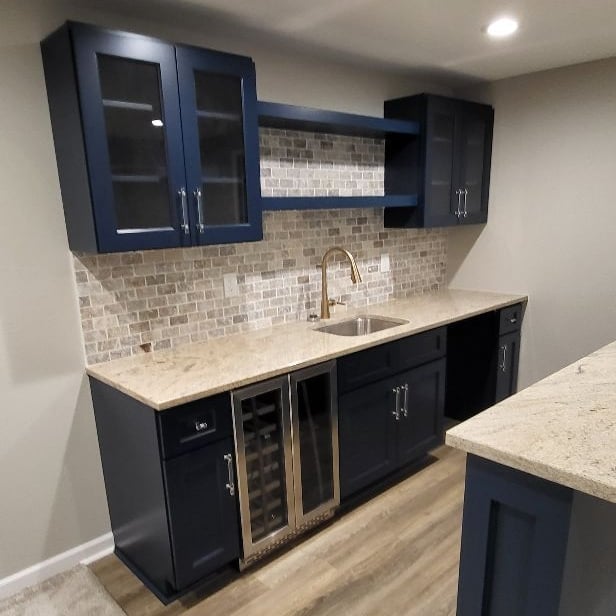 Finished Basements Plus Inc.
AFS was excellent from start to finish. Jess, the sales associate, was fantastic...very knowledgeable and very professional. The installation crew was excellent. I couldn't be more pleased with the process. Best of all, my new floor looks fantastic!
 America's Floor Source
It was wonderful working with Yordy and his team. They were very professional and are experts in what they do. They have completed the work on time, with better quality and with in fairly reasonable price. We just started with backsplash work , but liking his work, we went on to provide...
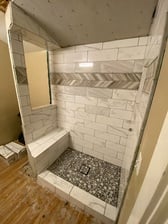 Flooring Solutions
We were having 2”x 2” tile installed . There was a small installation error and the new additional replacement tile was from a different lot and the colors didn’t match. Joe assured us that he would rectify everything , which he did without hesitation. We decided to go with the 18” x 36” tile...
 CarifaTile
We hired Jim to replace our hardwood floors with new hardwood. He and his helper Jerry did a fantastic job. Their work ethic is impeccable!! We would highly recommend McColl Floors!
Description says they handle window repair including rotten hardwood - they called me back right away but didnâ t leave a voicemail. I followed up 3 days later and they said they donâ t do that kind of work.
 Window-Gurus
Chaz, the owner, was very responsive and he communicated with us throughout the entire process. The overall cost was in the middle compared to the three estimates we received. The installation crew was very professional. Chaz was considerate enough to send a crew back to our home to repair...
 Unique Hardwood Floor LLC
From average costs to expert advice, get all the answers you need to get your job done.
The cost to install Pergo® flooring depends on the type of flooring you choose. This brand is known for its laminate but has other things to offer.
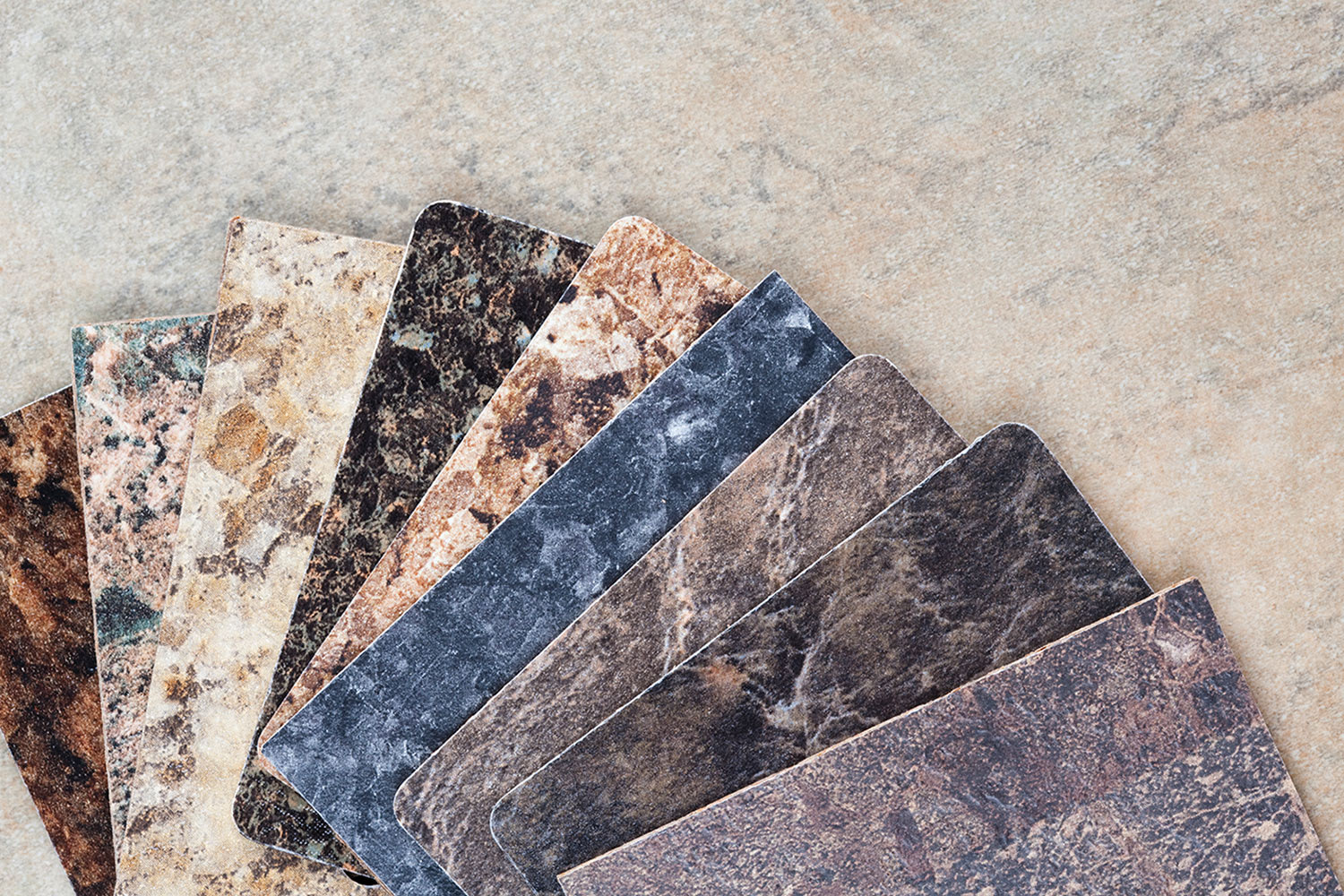
Discover the true granite floor installation cost. Learn about average prices, cost factors, and tips to save on your granite flooring project.
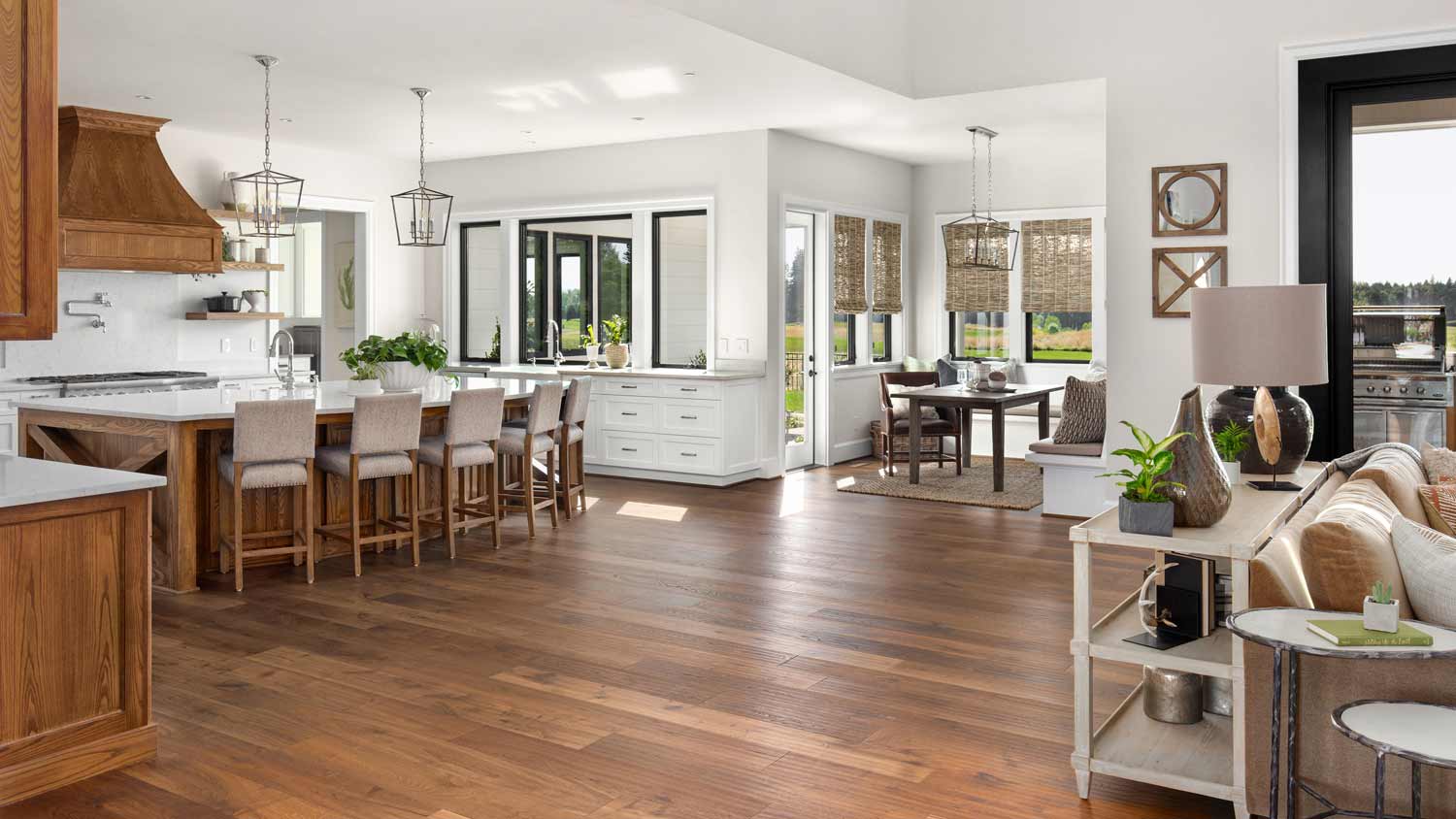
Hardwood floor repair costs depend on the problem. This guide breaks down common costs based on factors like the type of problem, repair method, and whether you hire a pro or DIY.
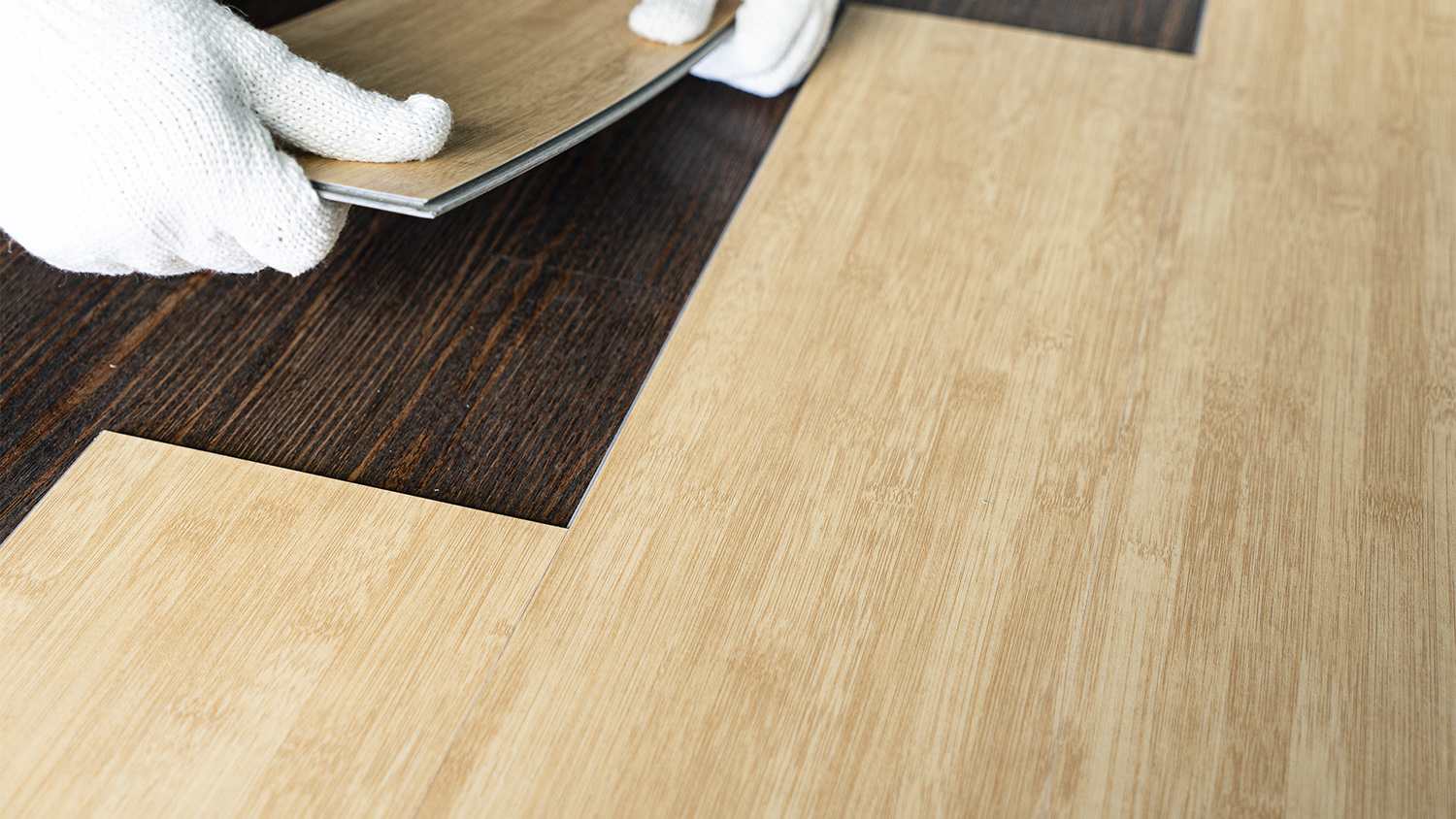
Looking for a qualified vinyl flooring installer? Learn how to find, vet, and hire the right pro with our complete guide to questions and qualifications.

Updated flooring can make any room in your home feel brand new. Find out flooring installation costs, from materials to labor costs.

Discover vinyl flooring installation costs, including average prices, key cost factors, and tips to save on your new floors.