

Trying to decide on a salt water pool vs. chlorine? Learn the key differences, pros and cons, and which is the best choice for your property.
Mullions and muntins are easy to confuse but have some key differences

Muntins sit over your window glass to create a decorative grid pattern, while mullions provide structural support between adjacent window frames.
Windows with muntins cost $25 to $100 more per window than gridless options, with custom muntin patterns increasing the price further.
Your choice between mullions and muntins depends on your home style, desired view, natural light preferences, and need for structural window support.
Hiring a local window company provides clear guidance on muntin patterns and mullion placement, helping you match your home's architectural style confidently.
Most homeowners know the major parts of windows, but things can understandably get a little foggy when it comes to the smaller components. This is especially true when comparing things that look and act similarly, like mullions vs. muntins. Keep reading to learn the differences between these two window parts, including how they differ in appearance and functionality, to help you better understand window design and structure.
Muntins are the window grids you see over the surface of the glass on many windows, giving the illusion that the entire window is made up of individual, small panes of glass. Muntins can sit vertically, horizontally, on diagonals, and can even be curved to follow the shape of the window frame.
Mullions only sit vertically, and they sit between individual windows to allow two or more windows to appear directly next to one another without a solid wall between them.
| Type of Difference | Muntins | Mullions |
|---|---|---|
| Provide structure | No | Yes |
| Sit on glass surface | Yes | No |
| Necessary | No | Yes |
| Decorative | Yes | No |
| Add security | Minimal | Yes |

Mullions and muntins differ quite a bit in their appearance and how they affect your curb appeal and enjoyment of the outdoors from inside your home.
Mullions are significantly thicker than muntins because they provide structural support for the window. Some types of windows, like double-hung, single-hung, and casement windows, hold the sashes in place or have hardware mounted to them to allow opening and closing.
Muntins can be as thin as the homeowner would like, as they’re mostly decorative and provide no structural support. In some cases, like on farmhouse windows, the window grid is purposefully made thicker, but this is purely for aesthetics.
Mullions are meant for structure, and while you can get them in different colors and textures to match the color and type of window frame you have, the shape and how ornate they are are often minimalistic and limited.
On the other hand, muntins come in various patterns to match different home styles, window types, and personal decorating preferences. For example, you can get a traditional grid design for windows on a Colonial-style home, Victorian grid designs to match the curved or arched windows on Victorian homes, gridless windows with no muntins for modern homes, or chunky, minimalistic muntins to match farmhouse decor.
Both mullions and muntins will impede your view of the outdoors, but muntins block more of your view. Mullions sit between large windows, while muntins sit over the glass and divide it into smaller pieces. Unless you have prairie-style window grids, your view will be somewhat impeded.
Of course, the same can be said about the view into your property. Mullions offer minimal privacy, while muntins provide a touch more but can make your living space feel more cut off from the outside world.
Mullions and muntins will block some natural light from entering your home. Mullions are thicker and are sometimes covered by window capping, so they block more on a one-to-one basis, but muntins sit over large panes of glass, so they tend to reduce the natural light coming in a little more.
You’ll find muntins sitting over panes of glass while mullions sit vertically between adjacent windows.
Muntins are unnecessary, so you won’t find them on all windows. Casement windows, large picture windows, and windows designed to provide views of nature—like those overlooking lakes, mountains, or beaches—often don’t have muntins to obstruct the view.
Mullions are necessary if you plan on installing multiple windows next to each other. For example, bay windows have three or more adjacent windows, so you must have mullions between each pair. Similarly, two or three double-hung windows next to each other always have mullions between them for added support and to provide a place for the sashes to sit up against.

Many differences between mullions and muntins are physical, but there are also some important differences in their function and purpose.
Both mullions and muntins will add some security to your windows but in different ways.
Mullions split large wall openings into smaller ones, allowing you to install multiple windows in one opening. Having a few windows side-by-side is slightly more secure than having one large window.
Muntins can also provide some security, although the protection you get is minimal. Some muntins simply sit over the glass surface and are removable, so they may only offer the illusion of a more secure window. Other muntins include metal braces between the panes of glass, which can help reduce the risk of a break-in and make it more difficult for someone to get into your home.
Mullions and muntins also differ in how necessary they are. Mullions are necessary in some cases, like if you have two or more windows seated right next to each other without a break in the wall opening between them. Muntins are purely decorative and never necessary.
We have used Window Warriors many times with no issues. They arrived on time and were very professional . We have pets and Window Warrior team treated them very well, well trusted team.
 Window Warrior of Columbus, Inc.
I am highly satisfied with the window replacement service I received; the professionals from Savvy Exteriors were punctual and did an amazing job that exceeded my expectations.
 Savvy Exteriors
I hired windows depot USA of central to install new windows in house in Oshawa. Ilya was very professional from the start, not only did he offered a great price, he also made sure the installation was on time. I am very satisfied with final outcome. The windows look great and the overall...
 Window Depot USA of Central Ohio
The team is awesome!! I can generally pick up and clean throughout the week, but they CLEAN! Windows, stair rails, microwave. All the things I can’t ever seem to get to regularly. The house looks and smells great after they leave.
Description says they handle window repair including rotten hardwood - they called me back right away but didnâ t leave a voicemail. I followed up 3 days later and they said they donâ t do that kind of work.
 Window-Gurus
We had a gutter blockage that was causing water to sheet down the side of the house and ultimately it started to come in at a window (need mortar people next). Called around 7:30am, and he responded by 8am. He was able to come out the same morning and do a look over and clean out. He also...
From average costs to expert advice, get all the answers you need to get your job done.
Trying to decide on a salt water pool vs. chlorine? Learn the key differences, pros and cons, and which is the best choice for your property.
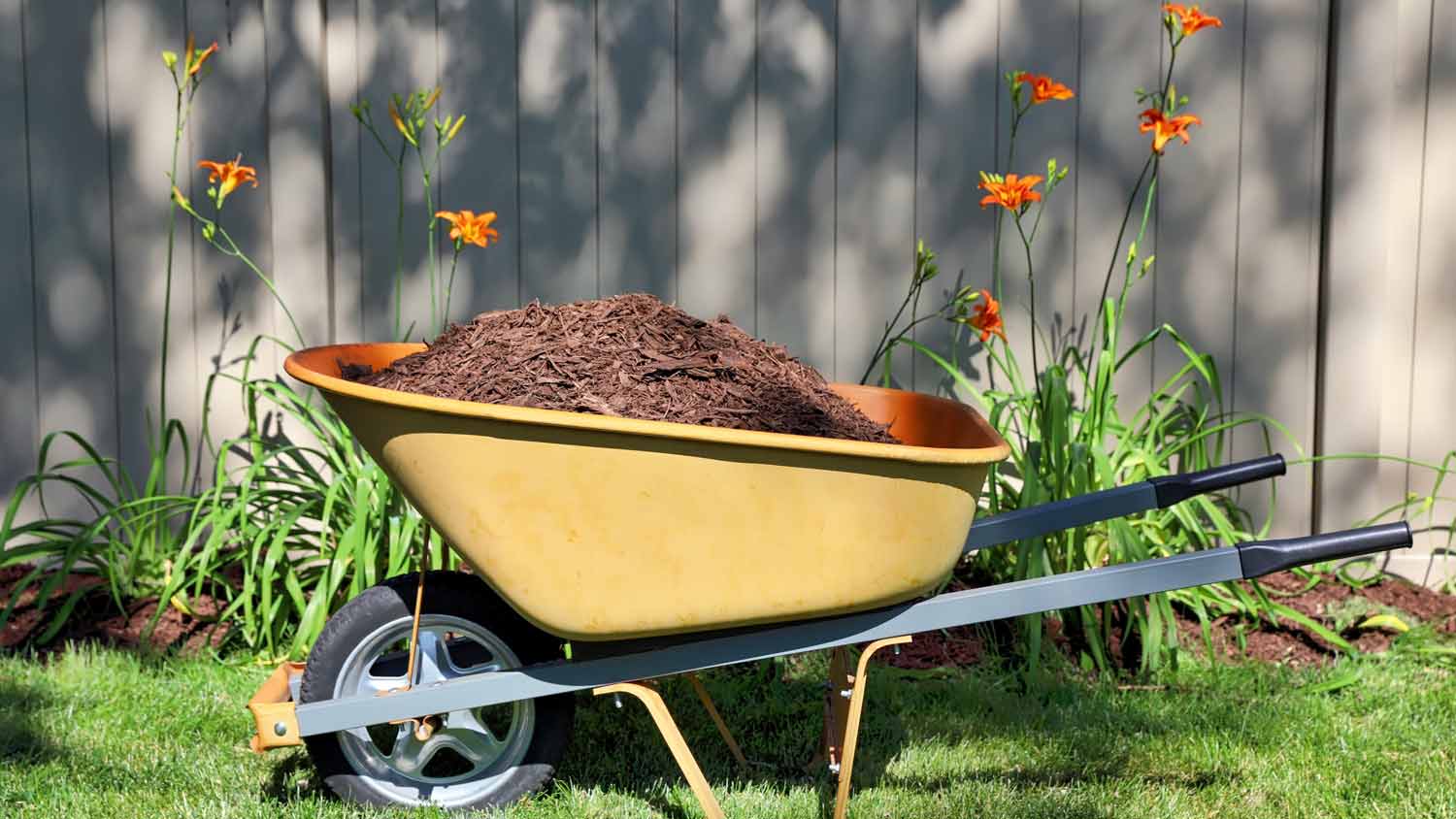
What’s the debate between wood chips vs. mulch? Wood chips are pieces or shredded wood from the interior of a tree trunk, while mulch can be made from a variety of materials.

What’s the difference between a swim spa vs pool? Both can be great additions to your property; here’s how to decide which one makes the most sense for you.
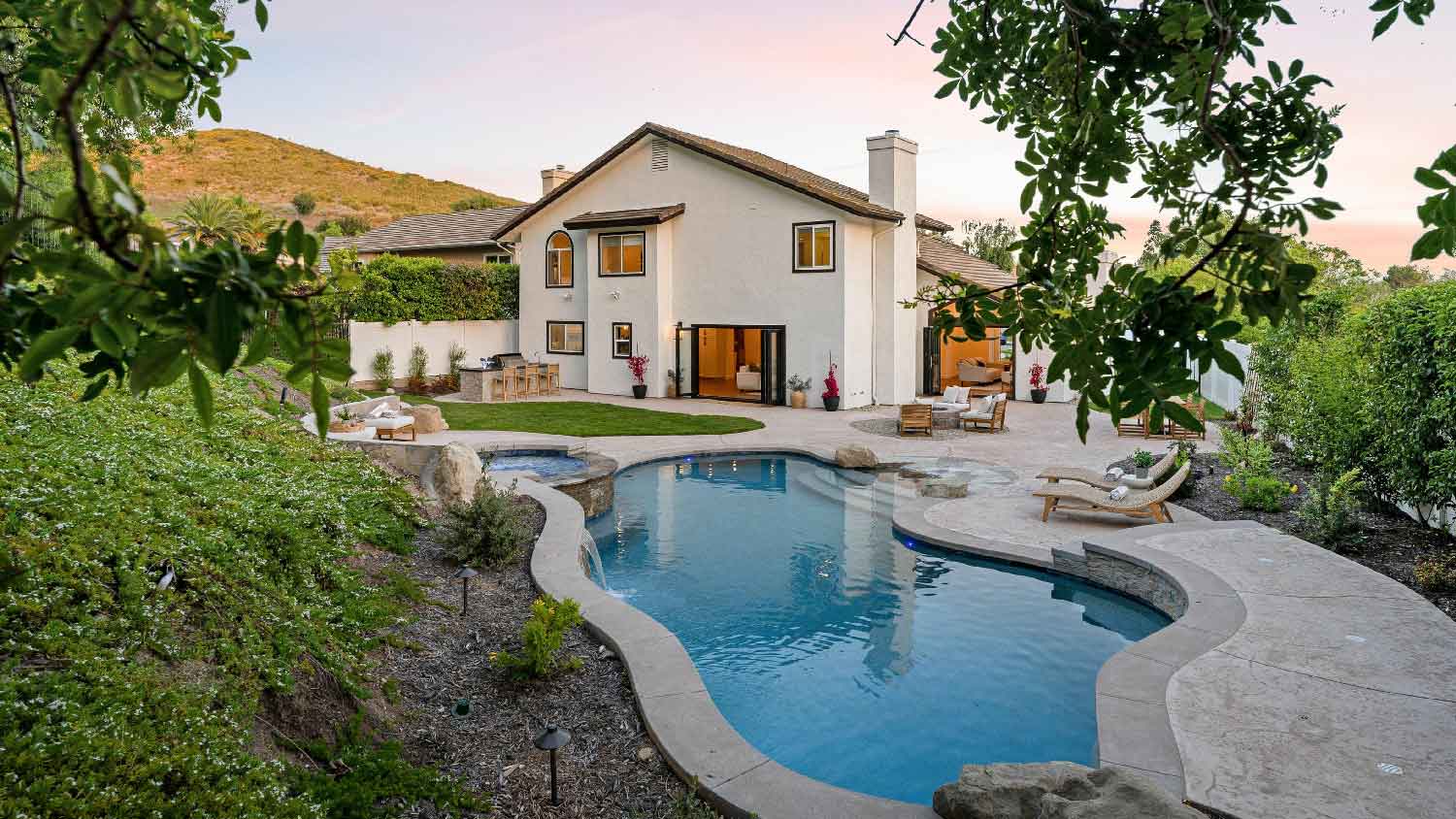
Learn about the differences between pool shock and chlorine, including their purposes, pros, and cons, so you can choose the right product for your needs.
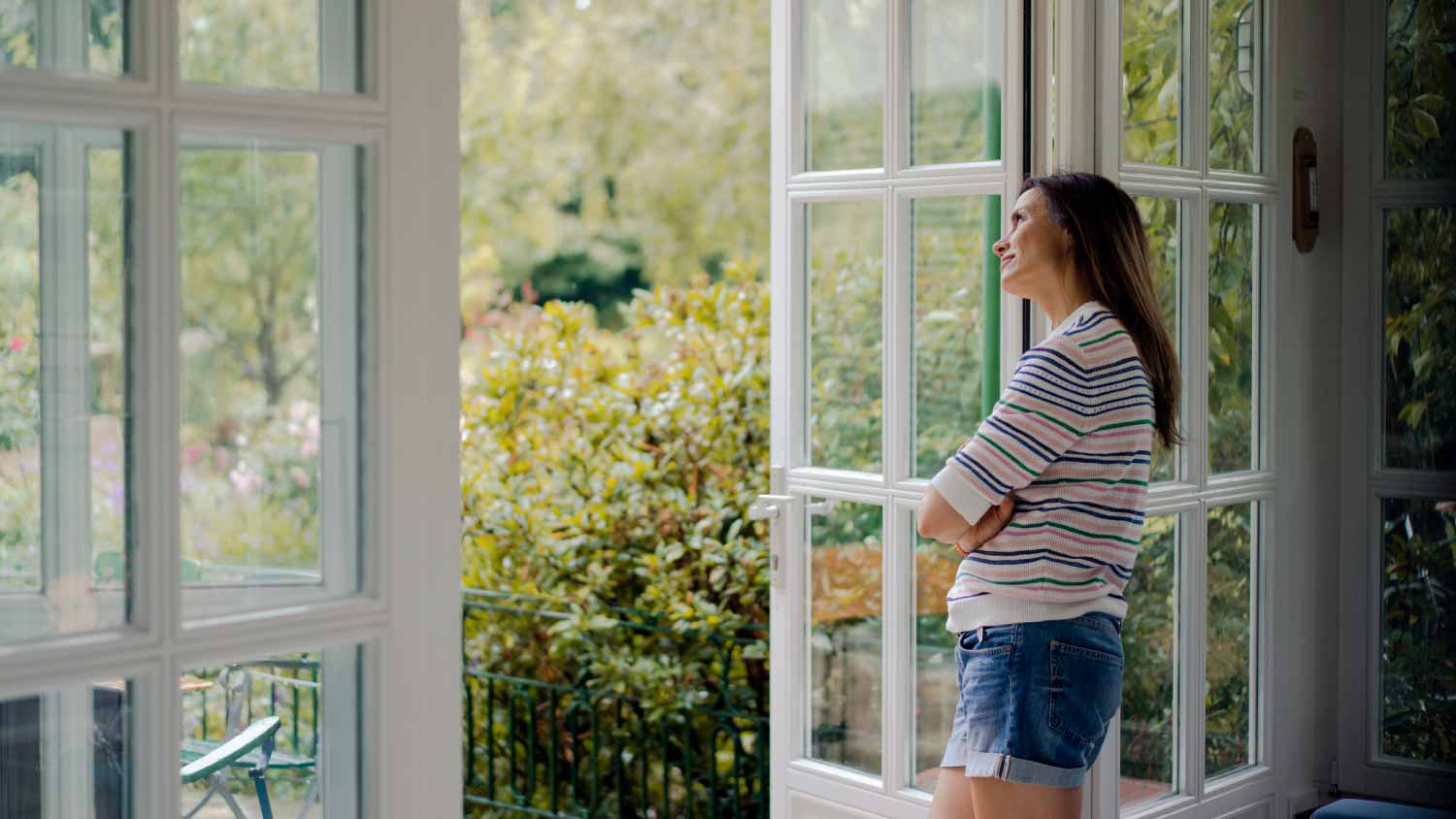
If you’re unsure what a mullion on a door is, you’re not alone. Learn how these unsung heroes add style, structure, support, and visual flair.
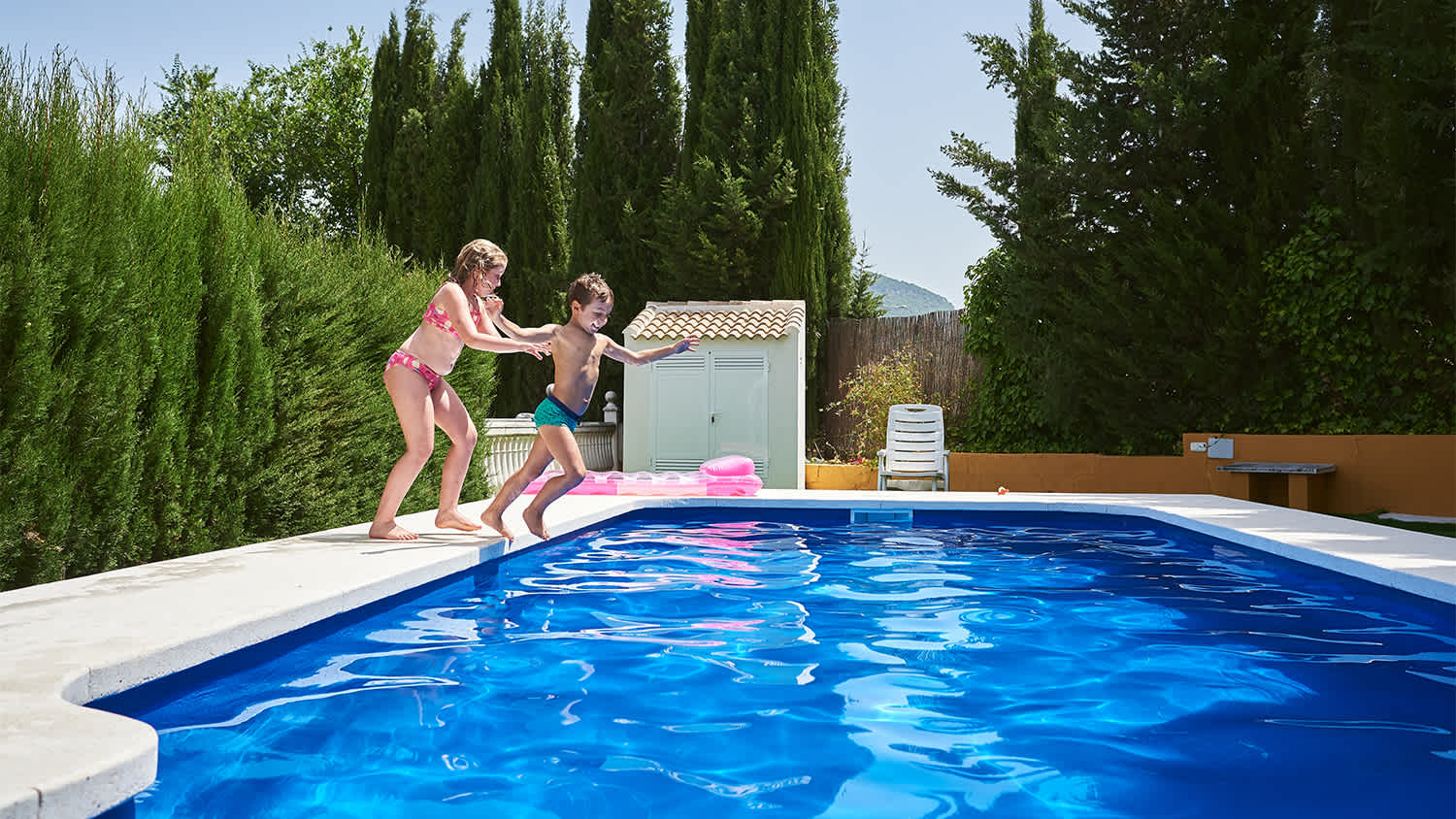
Worried about the chlorine shortage? We'll explore its causes, cost, when it might be over, and what you can do in the meantime to keep things going along swimmingly.