
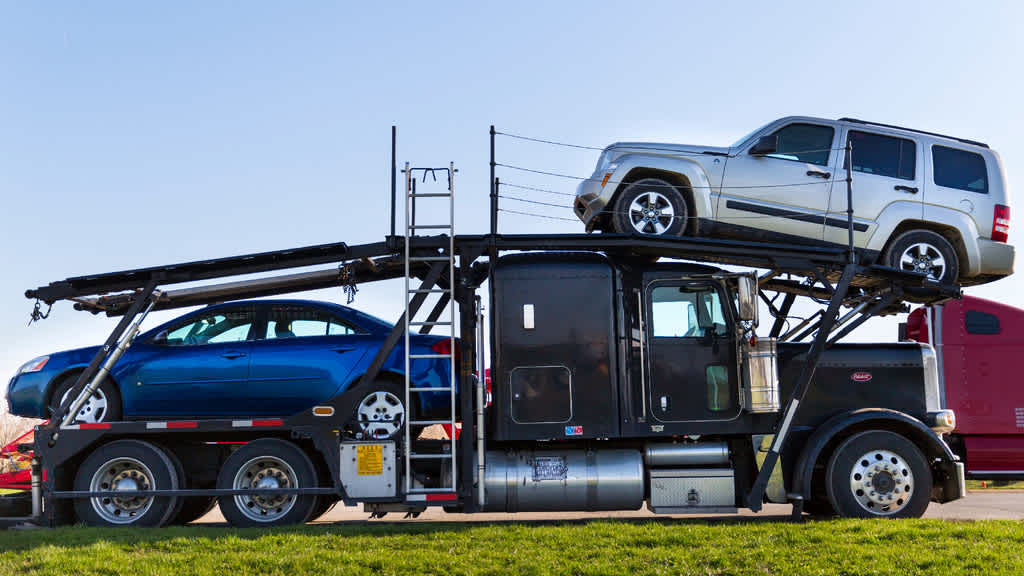
Learn how much it costs to ship a car based on distance, automobile size and condition, and shipping method to prepare for your move.
Not all moving services are created equal, so let’s take a look at moving brokers

Moving company brokers organize and hire contractors to handle your move, while carriers own trucks and employ movers to transport your belongings directly.
A broker charges finder's fees between 20% and 40% on top of moving costs, while a carrier provides set pricing with direct staffing and greater reliability.
Your choice between broker and carrier depends on your budget, timeline, need for specialty services, and whether you prioritize variety or dependable local support.
Hiring a local moving company provides direct coordination with their team, helping you avoid scheduling conflicts and keeping your move on track with clear communication.
If you’re planning a move, making the right choice about how to transport your belongings can be daunting. Learning what a moving broker is can help you narrow down your options and check another task off your moving to-do list. Let’s break down the key differences between a moving broker vs. a carrier and get set up for success on moving day.
Rather than owning a fleet of trucks and hiring people directly to help you move, a moving broker organizes and hires a contractor that bids on the job and provides labor. The broker then keeps a fee or percentage of the total amount paid for the job as compensation.
Since moving brokers often work with many types of moving companies, they often have the ability to negotiate a lower price than a single customer hiring a local moving service. Unlike a broker, a moving carrier is a company that owns trucks and employs movers to pack and drive your belongings.
A moving broker is an intermediary that can organize the labor, equipment, and materials necessary to help you move. On the other hand, a moving carrier operates moving trucks, owns equipment, and hires movers. A moving broker is not authorized to do the moving for you, whereas a moving carrier can complete the entire process.
To make the best decision about hiring the right movers, learning the differences between the types of companies that offer these services will help. Let’s take a look at some of the key factors that make moving brokers vs carriers different.

Review the pros and cons of hiring a moving broker.
Saves money: Moving brokers can negotiate lower prices with services they frequently work with. They can typically draw more competitive bids and prices than homeowners.
Offers variety of services: A moving broker can find and hire a broad variety of moving contractors with various specialties, timelines, and costs to fit your needs.
Saves time: By handing over the planning and price negotiations to a moving broker, you can save time during the moving process.
Might not complete your move in time: Since a moving broker doesn’t own trucks or employ movers, some things that can get in the way of them providing services to you on moving day. If the broker can’t find a company to do the job because of cost considerations, availability, or overbooking, they might not complete your move within your time constraints.
Added fee for finding movers: Moving brokers charge for their service of finding the labor and equipment to complete your move, so if you’re great at finding deals and have the time to sift through ads, it can be worth it to hire a company directly.
Check out the advantages and disadvantages of hiring a moving carrier.
More likely to be local: By working directly with a moving carrier, you’ll likely hire a company located in your area, supporting a local business.
Hires labor directly: A moving carrier is a company that has a staff including drivers, movers, and any other work you will need help with on moving day. You’ll work directly with their team, making it easy to coordinate schedules.
More reliable: Carriers are less likely to have scheduling conflicts and the price is set between you and the carrier at the same time as booking. This means that there’s less of a chance of cost constraints or last minute overbooking causing delays for your move.
Limited scope of services: It’s unlikely that you will have access to the wide variety of services that a broker can access, but a carrier will likely be local to you.
Likely to be more expensive: The cost of hiring a moving carrier is typically higher than the expense of a moving broker, but you’ll receive actual moving services in return.
More time spent researching and booking: Since you’re finding and hiring a moving carrier directly, you’ll need to put in the effort to research and book them yourself.

The average cost to hire a long distance moving carrier is between $2,700 and $10,000. On the other hand, the average cost of a local move is between $920 and $2,530. A moving broker can cost anywhere from $1,700 to $2,500. A brokerage will keep between 20% and 40% of the total price as a finder’s fee. However, keep in mind that you’ll still need to pay for actual moving expenses in addition to the cost of hiring a moving broker.
Renting a moving truck will cost between $30 and $2,500, depending on the distance of the move and the size of the truck. Because moving truck rental services usually charge a mileage fee in addition to the flat fee to rent the truck per day, the amount can fluctuate significantly. In addition to rental fees, insurance, fuel, and packing materials will add to the cost of moving yourself.
Most affordable: Moving carrier
Since moving brokers often work with many different companies, they might not vet every company they work with. Since a moving broker usually isn’t local to you, it can be hard to find out what company they plan to hire until the labor is booked. When you hire a carrier to help you move, you’re often dealing with a single company that’s much easier to research. For reliability, moving carriers are a better option.
Most reliable: Moving carrier
Since a moving broker has many contacts that they work with, they will often offer a wider range of options. Moving carriers are more likely to have limited options and staffing. If you need multiple services, like specialty packaging for antiques and fine art or large, heavy items, a moving broker will more likely offer a convenient one-stop shop.
More options: Moving broker
Moving brokers can often book labor for extra services like packing, storage, move-out cleaning, and providing packaging supplies. A moving carrier usually has a limited list of services, however some may offer extra services. If you have the time to research the types of extras you want, a carrier is a good option, but if you don’t, a broker can streamline the process.
More available services: Moving broker
Moving brokers have access to more routes and cover a larger area because they work with multiple companies. A moving carrier has more limited routes with less drivers available, so if your move ends up in multiple trucks or multiple trips, it will take longer to get your belongings.
Faster moving process: Moving broker
I recently moved to another state and chose United Trust Van Lines after comparing several companies. Their team was punctual, professional, and extremely careful with my belongings. I was especially impressed with how they handled my home office setup and fragile items. Everything arrived on...
 United Trust Van Lines, LLC
Showed up on time and cleaned carpets well, but didn?t move furniture.
 Voda Cleaning & Restoration of Columbus
A reliable team for moves across state. My switch to a new place needed careful lifting through tight hallways. The movers checked the doorway first, then carried heavier pieces with slow, controlled movements. Their patience helped prevent damage, and I?d choose them again.
**Would rate a 0 if i could** NEVER USE THIS COMPANY!!!!! They shattered my tv console and dresser, lost a mirror, and never finished the move. The broken furniture cost me over $600 to replace. They left me with 6+ hours of personal labor moving my 1BR apartment, when I was quoted a FULL...
 All My Sons Moving & Storage
I could not have moved without the help of Jen Stover! I was in my house for nearly 20 years, so the thought of clearing it out while working full time was overwhelming. Jen takes great joy in sorting and organizing while asking the hard questions with patience and compassion. Jen is...
 Go and Stow Home Organizing
Couldn't have been a worse experience. 3 of my belongings were lost and 5 belongings were damaged. My furniture was clearly dragged across the ground. The movers couldn't move the furniture I paid extra heavy weight fees for so I had to help them move my own furniture. The manager gave me...
 US Interstate and Rail
Excellent experience for me! They helped me a lot with my move. very reasonable price. Good communication with the office manager is excellent.
 Goodview Moving and Storage
I was concerned about my possessions safety throughout the move but Bridge View Van Lines took all necessary security measures to make sure everything arrived in mint shape I am really appreciative of their effort and commitment They made my long distance move seem simple
 Bridgeview Van Lines
This moving company is the best in Columbus, Ohio! They rescued me when my movers didnâ t show up. Do not ever use Plane Movers! They never showed up for my move, claiming that I never signed the contract. They didnâ t call me to follow up, communication was awful. The people that work for...
 All My Sons Moving & Storage
Ozie and Tyquese were great and worked fast. It was a good move
 All My Sons Moving & Storage
From average costs to expert advice, get all the answers you need to get your job done.
Learn how much it costs to ship a car based on distance, automobile size and condition, and shipping method to prepare for your move.

The cost to move a mobile home depends on the distance, mobile home size, and other factors. This guide will help you budget for your mobile home move.

You've likely heard the term "real estate broker" at some point in your home buying process, but what exactly do they do? Here are the details.

Moving across the country? Plan a successful car transport with these tips for shipping your vehicle to your new home.

When comparing moving pods versus moving companies, moving containers let you pack at your own pace, while a moving company handles everything for you.

Moving is usually a stressful time, especially if you’re unsure of the rules and regulations. Here’s all the information you’ll need for a successful move.