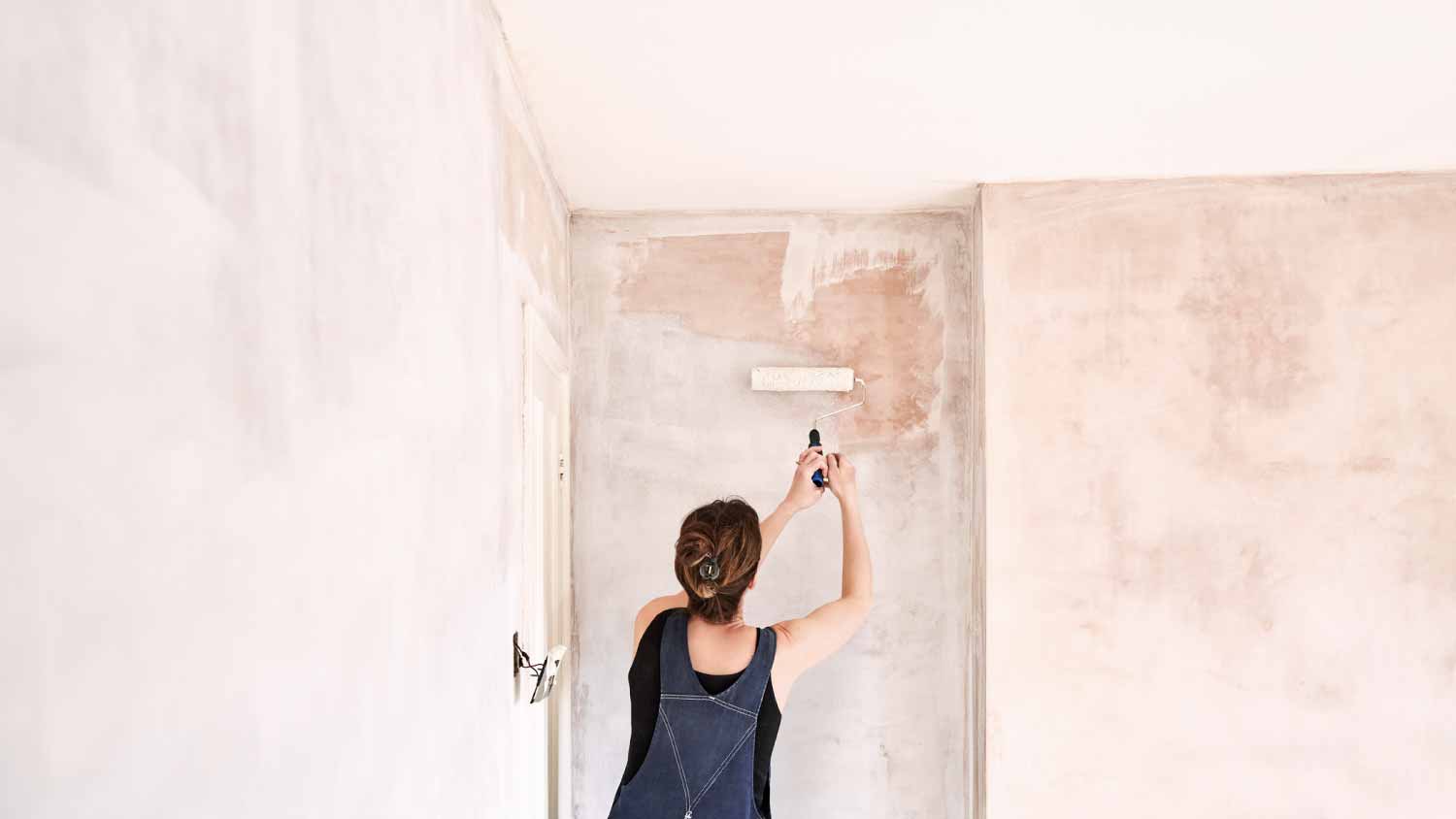
Limewash can add timeless texture to your living space. The cost to limewash interior walls depends on factors like surface area, materials, and prep work.
It's the battle of the brushes—which one will you choose?

Limewash and whitewash both create a matte finish on porous surfaces, but limewash offers more color customization while whitewash sticks to white tones.
Limewash breathes better than whitewash, allowing moisture to escape from your walls and reducing the risk of mold or mildew forming underneath the finish.
Your choice depends on where you're applying the finish: limewash suits historic buildings and traditional materials, while whitewash works well on wood fences and barns.
Hiring a local interior painting professional keeps your project on track with proper application techniques and helps you choose the right finish for your space.
Both whitewash and limewash offer a matte, chalky finish, with limewash providing options for translucent and opaque finishes. In contrast, whitewash delivers a sheer or semi-opaque finish. In this article, we’ll discuss the differences between limewash and whitewash to help you decide on the best option for finishing your masonry project.
There are a few key differences between limewash and whitewash that can help you pick the right one for your space.
| Difference | Limewash | Whitewash |
|---|---|---|
| Finish | Matte | Matte or gloss |
| Colors | Color customization | Whites and tints |
| Surfaces | Porous | Porous |
| Moisture | Escapes easily | Traps moisture |
Both options create a durable finish using different ingredients. Limewash typically consists of slaked lime, water, and natural pigments. Whitewash can consist of lime, water, and white chalk or other additives, but you can also use a watered-down white paint to get a similar look.
You can create a translucent or opaque finish with limewash, depending on application thickness, which gives you some variation in the coverage. Whitewash primarily produces a solid finish, allowing some visibility of the underlying surface texture, although you can use more water in your mixture or wipe off some paint after application to get a more translucent look.
Limewash offers color customizations by using natural pigments to achieve various hues. Conversely, as its name implies, whitewash is available in different tones of white. The final appearance is a key thing to consider when choosing an accent wall or exterior surface to finish.
Both finishes are only suitable for porous surfaces. The proportion of paint to water influences the consistency of both limewash and whitewash. Both are usually more watery than traditional paint, requiring multiple coats to achieve the desired finish. Over time, limewash develops a matte finish that ages gracefully, creating a weathered patina with subtle color variations. Conversely, whitewash maintains a bright and uniform appearance.
Regarding surfaces, limewash is beautifully suited for historic buildings, traditional construction materials like plaster, stone, or brick, and projects where a natural, rustic look is the goal.
Whitewash is ideal for surfaces such as wood, fences, barns, and cottages, but you can also apply it to porous surfaces.

Simply put, limewash breathes better than whitewash. Limewash allows moisture to escape and reduces the risk of mold or mildew on porous surfaces. While whitewash provides some level of breathability, it may be less effective in moisture management.
Both limewash and whitewash can last for years, but limewash is more durable because the finish soaks into porous materials like brick and stone. As such, the coverage is less likely to need touch-ups as it ages.
Both limewash and whitewash last anywhere from 20 to 30 years on brick exteriors, depending on several factors, such as weather conditions, exposure to sunlight, quality of application, and surface porosity. On interior surfaces that don’t see exposure to the elements, both finishes can last for 30 to 50 years.
Limewash is a more eco-friendly option because it contains naturally-occurring components, like lime, water, and pigments. Whitewash can be equally as eco-friendly, but if you use watered-down paint to whitewash your surfaces, it might contain volatile organic compounds (VOCs), which are harmful to the environment.
Whitewashing will likely be a bit more budget-friendly if you’re hiring an interior painting company near you to get the job done, as you’ll often only need a single coat to get the finish you’re looking for. Limewash is a thinner finish that can require multiple coats, so you’ll likely pay more in labor fees when you hire a painter to get the job done.
Whitewashing will cost you between $1.40 and $4.20 per square foot, while limewashing costs between $1.50 and $5 per square foot. However, the price difference will be minimal if you’re finishing a small area, like a chimney or a painted accent wall.
Yes, you can use whitewash and limewash indoors and outdoors. Here's more about their suitability for different areas.

Whitewash is a common finish indoors on porous surfaces, including walls, ceilings, and wooden furniture. It can create a bright, airy feel in interior spaces and is an excellent choice for those seeking a clean, minimalist aesthetic. Whitewash is particularly popular in rustic or coastal-themed interiors.
Whitewash is also suitable outdoors, especially on fences, barns, and outbuildings. It provides a protective coating while maintaining a traditional, weathered appearance.

Limewash is also suitable for indoor use on porous surfaces when a soft, natural look is the goal. Apply whitewash to walls, ceilings, and interior brick or stone surfaces to create a timeless, textured finish.
Limewash is also common on outdoor surfaces, especially on masonry like brick, stone, or stucco. It offers protection against the elements while allowing the substrate to breathe, making it ideal for historic buildings or structures with traditional construction materials. That breathability reduces the risk of mold forming under the finish, making it the preferred option for outdoor use.
When making important decisions about painting your home, consulting with a local paint professional can help determine the best finish for your project.
Custom Paint Jobs LLC is the go-to choice for all your painting needs. They painted both the interior and exterior of my house flawlessly. Their work speaks for itself!
 Custom Paint Jobs, LLC
Beginning with the estimate, Larry and Peyton were super helpful in getting my new condo's interior re-painted. Not only was the job well done, but also done in a super timely manner as promised.
 Five Star Painting of Plain City and Powell
From average costs to expert advice, get all the answers you need to get your job done.
Limewash can add timeless texture to your living space. The cost to limewash interior walls depends on factors like surface area, materials, and prep work.

Painting a brick house typically costs between $1.40 and $4.20 per square foot. Your total cost will depend on where you live and the finish you use.
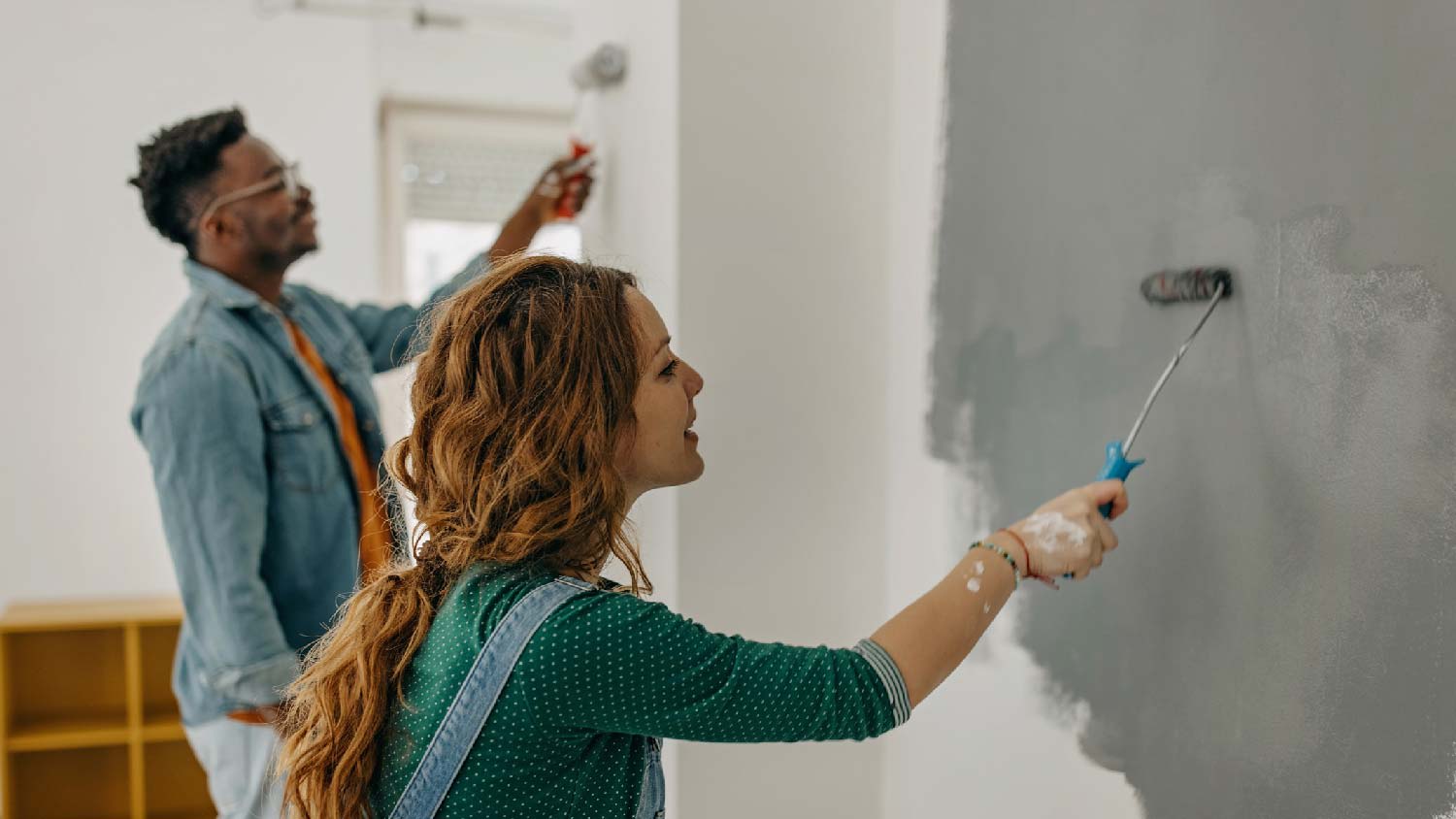
Changing the color of brick, plaster, or stucco is a big decision. Learn about the difference between limewash, from its appearance to its toxicity.

If you want to get that rustic farmhouse look, try whitewashing. But what is whitewashing, exactly? Let’s examine this simple but classic painting material.
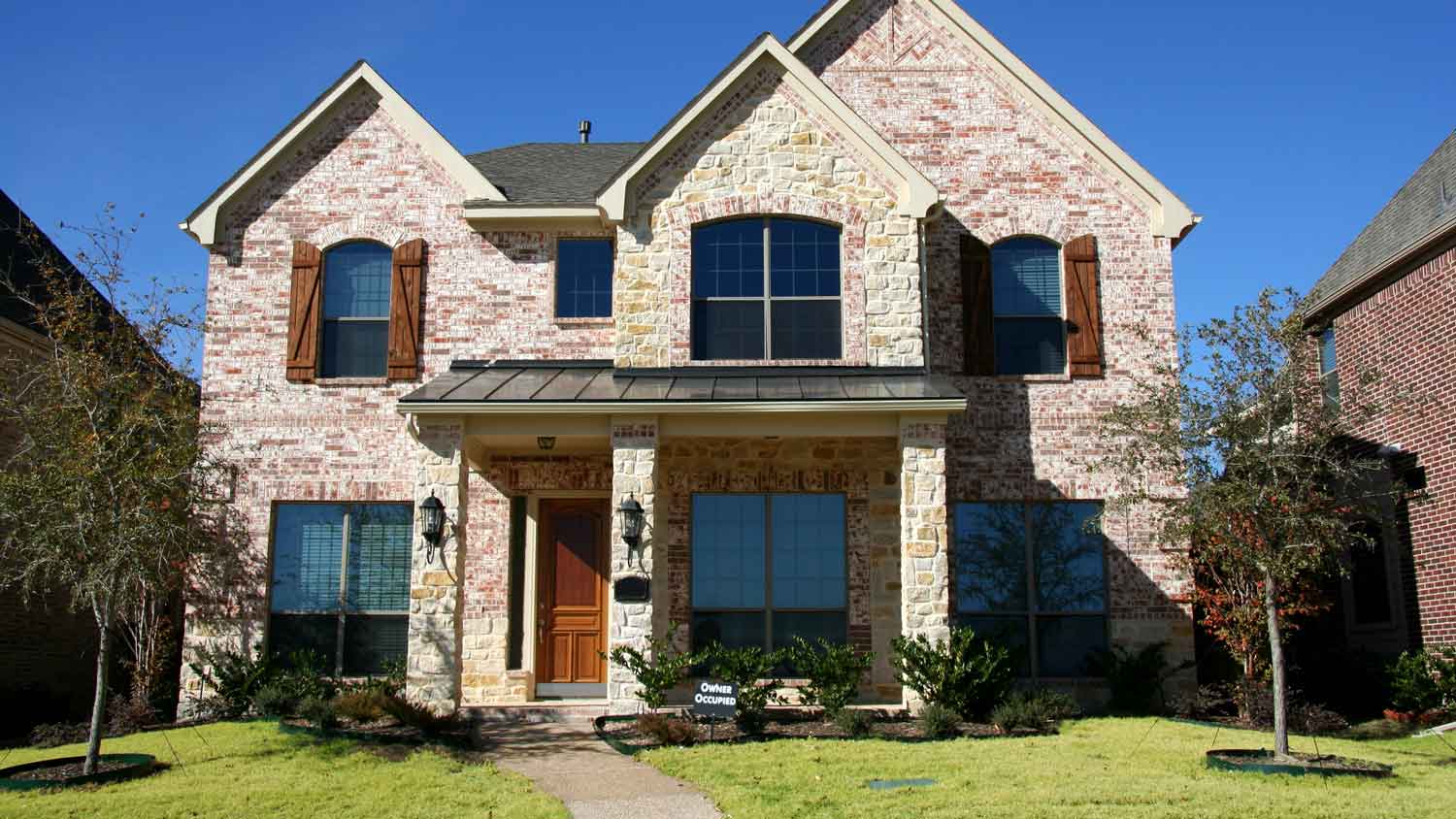
German smear vs. limewash is a common debate when choosing a brick painting method, but understanding their differences will help you make the right choice.
The old-fashioned technique for making wood white is popular again—see how to do it using modern methods to create a timeless look.