
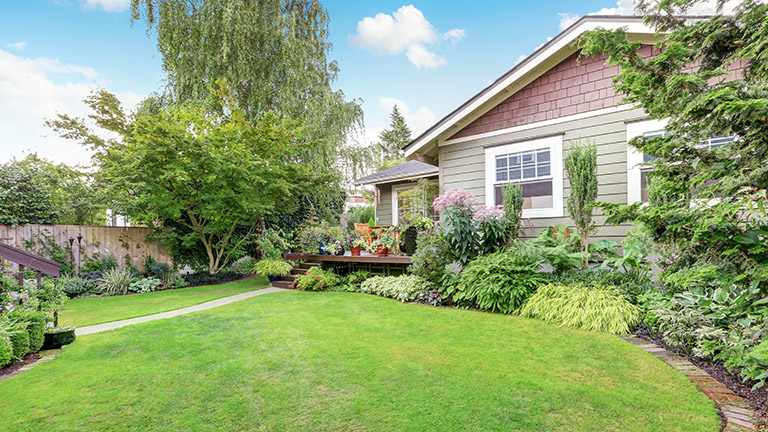
The average lawn mowing cost runs between $50 and $200 depending on factors like your lawn’s size and shape. Here’s what to expect.
Never miss a chance to improve your lawn's appearance and health

Your lawn care schedule depends on your grass type and climate zone, with cool-season grasses in Northern states and warm-season varieties in Southern regions.
Spring lawn maintenance includes dethatching, soil testing, aerating, and fertilizing to prepare your grass for the active growing season ahead.
Summer grass care focuses on regular watering and mowing at the right height, keeping cool-season lawns around three inches and warm-season varieties between two and 2½ inches.
Hiring a local lawn treatment professional provides reliable support with seasonal fertilizing, soil amendments, and year-round maintenance tailored to your climate and grass type.
Like most things around the home, your lawn requires regular maintenance to look and feel its best. However, while timing can be important for some household maintenance tasks, maintaining a lawn maintenance schedule is crucial.
Part of creating a lawn maintenance schedule requires knowing your lawn and its needs. Local lawn-care treatment companies specialize in knowing what lawn-care tasks to perform throughout the year, so don’t hesitate to consult them for help.
When working with lawn fertilizer and other chemicals, take measures to prevent the products from contacting your skin and eyes. Be sure to wear protective gear like gloves and a dust mask to stay safe.

Knowing your lawn is essential when creating a lawn maintenance schedule that will be effective in your climate zone. While all lawn grasses require similar maintenance chores, warm- and cool-season grass maintenance varies by timing for the best results.
Start by determining your USDA hardiness zone. In general, if you live in a Northern U.S. state, your lawn will most likely have cool-season grasses, such as ryegrasses, fescues, or Kentucky bluegrass. Lawns in Southern states are more likely to feature warm-season grasses, like Bermuda grass, Zoysia, Bahia, St. Augustine, or others.
Transition zone states include Arkansas, Kentucky, Virginia, West Virginia, North Carolina, New Jersey, Oklahoma, and parts of several states that border with those ones and a few that stretch to the West Coast. In these areas, lawns may consist of warm or cool-season grasses and often contain a mix or blend of both types. Hire a local lawn treatment service to help you create a tailored lawn maintenance schedule and take some of the annual and seasonal tasks off your plate.

Without a doubt, springtime is the busiest time on any lawn-care calendar, regardless of your location. Spring lawn care tasks are essential for getting your lawn's growing season pointed in the right direction. After the last frost of the winter, it's time to get started.
Perform lawn mower and lawn-care tool maintenance: Tune up the lawn mower and gas-powered lawn equipment to ensure they're ready for the growing season.
Check the automatic watering system: After the last chance of frost, cycle the automatic sprinklers to ensure the system works and make any necessary repairs.
Dethatch: Dethatching the lawn early in the year is important for allowing fertilizer and other lawn treatments to reach the soil. Lightly dethatch the lawn early in spring, but leave some behind to help capture moisture.
Test the soil: Annual or biannual soil testing can help you better understand your lawn's needs. Test the pH to determine the balance of your soil.
Aerate the lawn: Aerating the lawn keeps your lawn's soil from becoming compacted, which can hinder the lawn's health.
Amend the soil: Using the results of your soil test, amend the lawn with lime, sulfur, or other additions to balance the lawn's pH.
Apply pre-emergent weed control: Start controlling weeds early before they have a chance to gain a foothold.
Fertilize: Late spring is typically the best time to feed your lawn for the first time each year. However, to know when to fertilize precisely, closely follow the manufacturer's instructions for your climate location and type of grass.
Control grubs: If your lawn suffers from grub infestations, take care of the problem early in the year for cool-season grasses by applying a grub control product.
Overseed bare spots: Overseed any bare spots in mid to late spring to keep your lawn looking full.
Mow high: Allow your grass to maintain a height of at least three inches throughout the spring, mowing only when necessary.

Summer is the primary grass-growing season, regardless of your region. Summertime lawn tasks closely resemble the day-to-day maintenance activities we typically associate with lawn care. Summer is a great time to let the grass do most of its own work.
Water regularly: Begin and maintain a lawn-watering schedule tailored to the type of grass in your lawn and your climate area.
Fertilize when necessary: While not all grasses require fertilizer during the active growing season, many types do. Fertilize during the summer based on your lawn's needs and the manufacturer's instructions for the lawn food you use.
Control grubs in warm-season grasses: For lawn owners with warm-season grasses, apply grub control slightly later than for cool-season grasses. Late spring or early summer is the best time for this task in Southern locations.
Control weeds: Whether you prefer to control weeds manually or by using a post-emergent weed killer, follow the manufacturer's instructions for your product to maintain weed control throughout the growing season.
Mow regularly: Mow your lawn regularly to maintain a height of around three inches for cool-season grasses and between two and 2½ inches for warm-season varieties.

When the leaves begin to fall from the trees, there's still some yard work to do. Your autumn lawn-care tasks include wrapping up the growing season and preparing your grass and lawn tools for dormancy.
Aerate: If you didn’t aerate your lawn during the spring, there's still time to perform the job before the grass goes dormant.
Overseeding: Early autumn, before the end of the growing season, is a good time to overseed thin spots or the entire lawn to finish strong and promote lush growth next year.
Winter feeding: Apply winterizing lawn fertilizer according to the manufacturer's directions for your climate and fertilizer product.
Apply lime: Other than springtime, autumn is the next best time to apply lime to amend the soil if necessary.
Deal with fallen leaves: Regardless of whether you choose to rake leaves or leave them, dealing with them in one way or another is important. If you wish to leave them on the lawn, mulch them into smaller bits by cycling them through the lawnmower before the end of the season.
Winterize the automatic sprinkler system: To avoid freezing damage, winterize the sprinkler system before the first frost. This task typically involves blowing out any remaining water and shutting down the system for the year.
Winterize and store lawn tools: Prepare your lawn mower and other lawn-care equipment by thoroughly washing it and following proper storage procedures for gas-powered equipment.
Lawns go dormant for most of the winter, regardless of location. However, you can still perform a few maintenance tasks to ensure grass health during this time.
Avoid excessive traffic: Dormant grass can be fragile. More importantly, it can't heal itself if damage happens when it's not actively growing. Avoid excess foot traffic, if possible, throughout the dormant season.
Avoid excess salt: Sidewalk and road salt or other ice-melting products can harm grass and potentially kill it before it can recover in the spring. Avoid using ice-melt directly on grassy areas and limit its use, if possible, near the lawn.
Maintain, repair, or replace lawn tools: Winter is excellent for repairing your lawn equipment because needing it while it's in the shop or taken apart won't be an issue. Winter is also a good time to find a solid deal on new equipment.
D1 Roofing delivers outstanding service from beginning to end, backed by a strong warranty and expert teams. I highly recommend them for their excellence in meeting and surpassing expectations with unmatched communication. Choosing D1 Roofing was flawless decision
 Division 1 Roofing LLC
We had our houses windows and back door replace this summer by Window Depot USA of Central. He gave us grate advise and saved my family lots money. The team did a fantastic job with installation. If you need help, they sure get job done right!
 Window Depot USA of Central Ohio
Wonderful. I am going to have them remove and replace my driveway in the spring.
 All Star Paving and Sealing
We were having 2”x 2” tile installed . There was a small installation error and the new additional replacement tile was from a different lot and the colors didn’t match. Joe assured us that he would rectify everything , which he did without hesitation. We decided to go with the 18” x 36” tile...
 CarifaTile
We had a 20+ year old landscape lighting system that needed replacement. Midwest Lightscapes worked with us to design a much improved lighting system, lighting the exterior of the house and the back yard. Installation of the 45 light system took one and one-half days, and went very smoothly....
 Midwest Lightscapes
Did an amazing job transforming my yard. Also installed sod in places, would recommend to everyone.
 Cardinal Landscaping & Construction LLC
They show up and they did take us on as a client which seems to be a problem with other lawn care providers. We have multiple properties and this one was located close to downtown and no one really wants to mess with it.
The worker came out when he was supposed to come. He informed me he would honor the Angie's List deal, but would not do any more work for me since my son in law owns lawn care company as well, even though they do not do the same type of work. He said he did not feel comfortable giving me...
 Bello Giardino LLC
E & L Lawn Care was super. They were very responsive before and after service. They were efficient and were able to complete the job within 1 day. I have had concern about one section of sod - the owner was pro-active and did a visit to evaluate. I have no doubt they will stand behind...
 E&L lawn care
From average costs to expert advice, get all the answers you need to get your job done.
The average lawn mowing cost runs between $50 and $200 depending on factors like your lawn’s size and shape. Here’s what to expect.
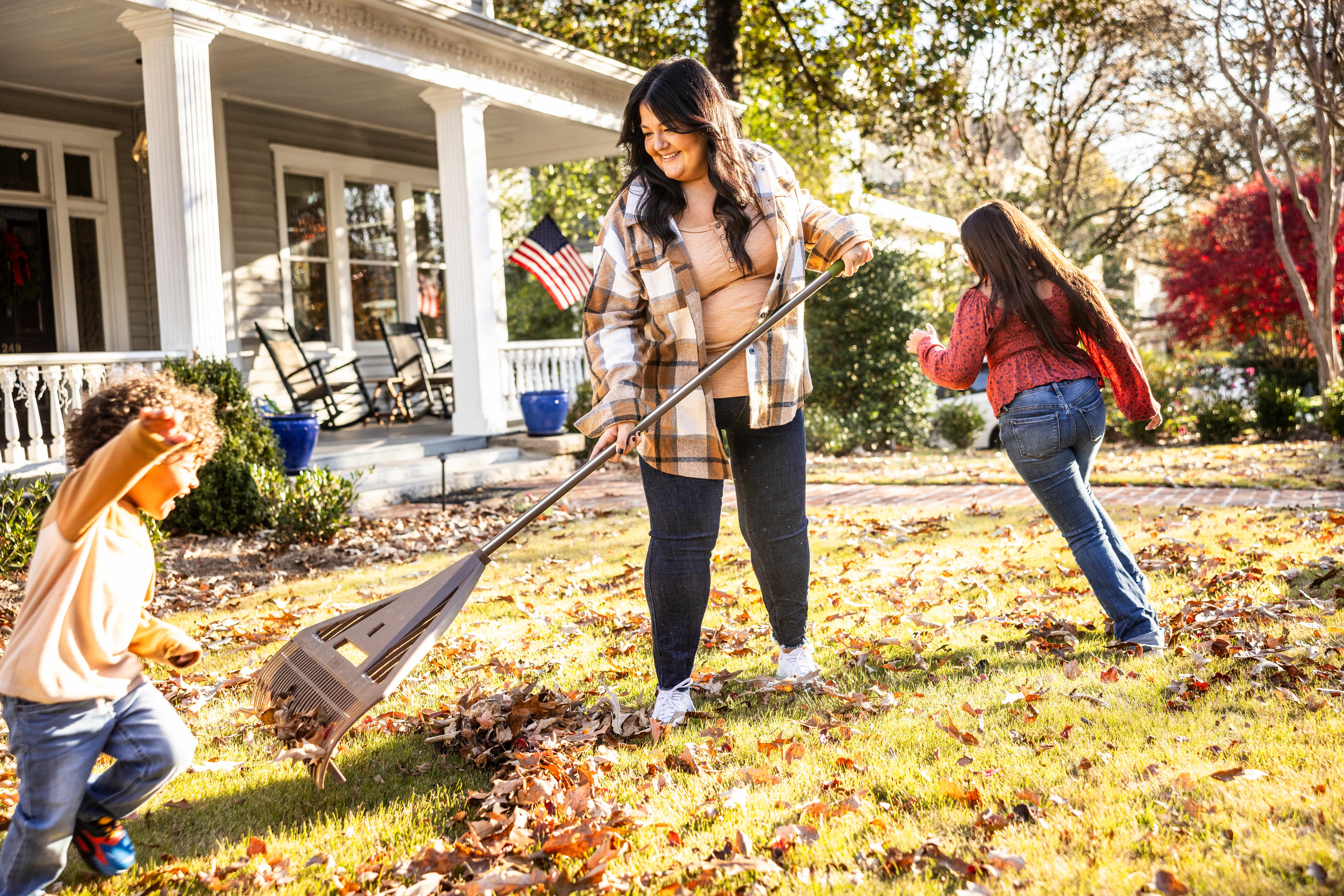
Get your yard ready for autumn with this fall yard maintenance checklist. From taking care of your lawn to your grass and trees, you can keep your yard charming.

A home maintenance checklist can help you keep on top of necessary tasks and repairs. Learn how to keep your house in good condition and avoid costly problems.
Planning your mowing and lawn maintenance? Learn about yard care costs, scheduling options, and how to hire the right local pro for your home.

Learn how to keep your lawn mower in peak condition to maintain a healthy, luxurious lawn with our top tips for lawn mower maintenance.

A lawn treatment analysis checklist may include fertilization, pruning, mowing, and pest removal. Keep reading to use this helpful checklist.