
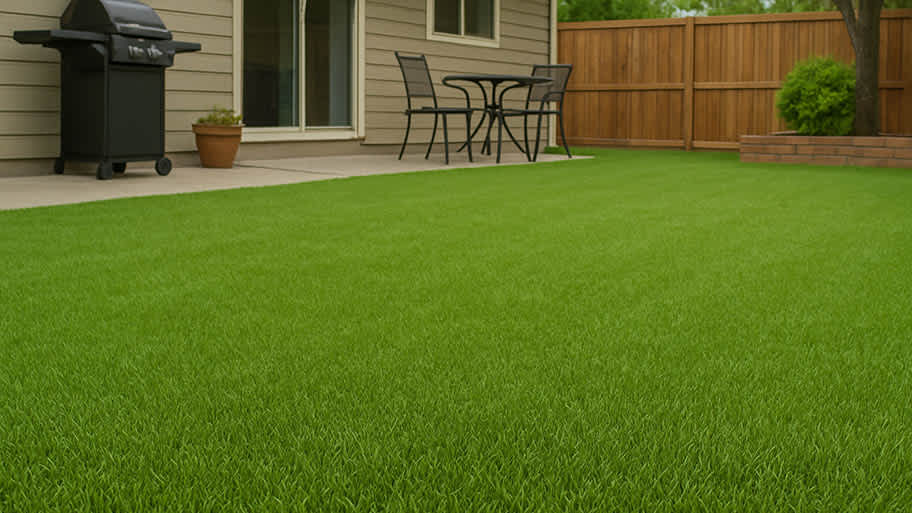
Artificial grass is a low-maintenance alternative to traditional turf. Learn how much artificial grass installation costs and what affects your price.
High heat is not a good match for mowing the grass

Cutting grass when temperatures exceed 90 degrees Fahrenheit stresses your lawn further, as the grass struggles to retain moisture and recover from mowing.
Cool-season grasses like Fescue and Kentucky Bluegrass are especially vulnerable to heat damage, as they can go dormant when temperatures stay above 80 degrees.
You should wait to mow until evening after temperatures drop, and keep your grass at 3 to 4 inches tall to protect the soil underneath.
Hiring a local lawn care professional takes the guesswork out of timing and technique, ensuring your lawn stays healthy even during summer heat waves.
Sunny weather and summer heat mean more time spent outdoors tending to your lawn, but you may be wondering: is it bad to cut grass when it’s hot? Extreme temperatures can dry out your yard, and mowing at the wrong time can make matters much worse. So, before you hop on the mower, you may want to wait until things cool off a bit.
Learn why cutting grass when it’s hot is bad for your grass and when to cut it to keep your lawn fresh throughout the summer.
It’s a bad idea to mow grass when it’s extremely hot. It’s not only bad for grass, but it can also be a health hazard. Working in scorching temperatures can cause heat exhaustion and even heat stroke. Here are three examples of when you should avoid mowing altogether:
While there isn’t technically a tried and true temperature for when it’s “too” hot, you should avoid cutting grass when it’s above 90 degrees Fahrenheit. The reason is that the grass is already stressed and struggling to retain moisture, and mowing can put further stress on it.
It’s even more damaging if the heat wave is during a drought—avoid mowing your lawn during one.
Although it is bad to cut grass when it’s hot, it’s especially damaging to cool-season grasses, such as Fescue, Kentucky Bluegrass, and Perennial Ryegrass. These grasses thrive in cooler temperatures; some can even go dormant in the summer when the temperature reaches above 80 degrees Fahrenheit for an extended period.
Cool-season grasses grow in the northern regions of the United States and grow best in temperatures between 60-75 degrees—let the temperature drop a bit before mowing.
A new lawn needs time to establish. Mowing it when it’s extremely hot can damage or even kill the grass. Heat can stress out new grass, and mowing is an additional stressor to an already delicate lawn. You should wait to mow new grass until it’s at least 3-4 inches tall to ensure it’s had time to establish itself.
Your yard may show signs of distress if it needs a break from mowing. For instance, if it is yellow, discolored, or has bare patches, it may be a sign it is unhealthy.
Also, if you leave footprints in the grass when you walk on it, and the grass doesn’t rebound as it should, that could be a sign of dehydration. You should address what is causing the issue before your next mowing session.

Here are a few tips to maintain a healthy lawn during the summer season:
Mow at the right time of day: It’s best to wait until the evening to mow after the temperatures break. Avoid mowing early in the morning because the grass will likely be wet from the morning dew, making it more difficult to mow and harder on your lawn mower blades.
Wait until after a good rainfall before mowing: You should not mow when the grass is wet, but it’s best to mow after a decent rainfall or watering session once the grass dries. The summer heat dehydrates the grass, so waiting to mow until after it has had a chance to rehydrate is best.
Keep grass at a higher height: Taller grass provides more coverage to the soil, which can help keep your grass hydrated, but you don’t want it to be too tall. Most grasses thrive at about 3 inches tall, so let it grow to about 4 to 4.5 inches before cutting it. Don’t cut more than a ⅓ of your lawn’s height at a time to keep your yard healthy and green.
If you want to have a lush lawn but lack the time to care for and mow it properly, you may want to hire a lawn care company near you to take on the job. The cost depends on the size of your yard, but expect to pay between $50 to $200 to hire a pro to mow an acre-sized yard.
Of course, you can always mow yourself, but if your lawn needs grooming or more detailed work to get it flourishing again, you may want to hire a lawn care service to tend to its needs. That way, you can spend time tackling the rest of your lawn maintenance checklist.
D1 Roofing delivers outstanding service from beginning to end, backed by a strong warranty and expert teams. I highly recommend them for their excellence in meeting and surpassing expectations with unmatched communication. Choosing D1 Roofing was flawless decision
 Division 1 Roofing LLC
We had our houses windows and back door replace this summer by Window Depot USA of Central. He gave us grate advise and saved my family lots money. The team did a fantastic job with installation. If you need help, they sure get job done right!
 Window Depot USA of Central Ohio
Wonderful. I am going to have them remove and replace my driveway in the spring.
 All Star Paving and Sealing
We were having 2”x 2” tile installed . There was a small installation error and the new additional replacement tile was from a different lot and the colors didn’t match. Joe assured us that he would rectify everything , which he did without hesitation. We decided to go with the 18” x 36” tile...
 CarifaTile
We had a 20+ year old landscape lighting system that needed replacement. Midwest Lightscapes worked with us to design a much improved lighting system, lighting the exterior of the house and the back yard. Installation of the 45 light system took one and one-half days, and went very smoothly....
 Midwest Lightscapes
Did an amazing job transforming my yard. Also installed sod in places, would recommend to everyone.
 Cardinal Landscaping & Construction LLC
They show up and they did take us on as a client which seems to be a problem with other lawn care providers. We have multiple properties and this one was located close to downtown and no one really wants to mess with it.
The worker came out when he was supposed to come. He informed me he would honor the Angie's List deal, but would not do any more work for me since my son in law owns lawn care company as well, even though they do not do the same type of work. He said he did not feel comfortable giving me...
 Bello Giardino LLC
E & L Lawn Care was super. They were very responsive before and after service. They were efficient and were able to complete the job within 1 day. I have had concern about one section of sod - the owner was pro-active and did a visit to evaluate. I have no doubt they will stand behind...
 E&L lawn care
From average costs to expert advice, get all the answers you need to get your job done.
Artificial grass is a low-maintenance alternative to traditional turf. Learn how much artificial grass installation costs and what affects your price.
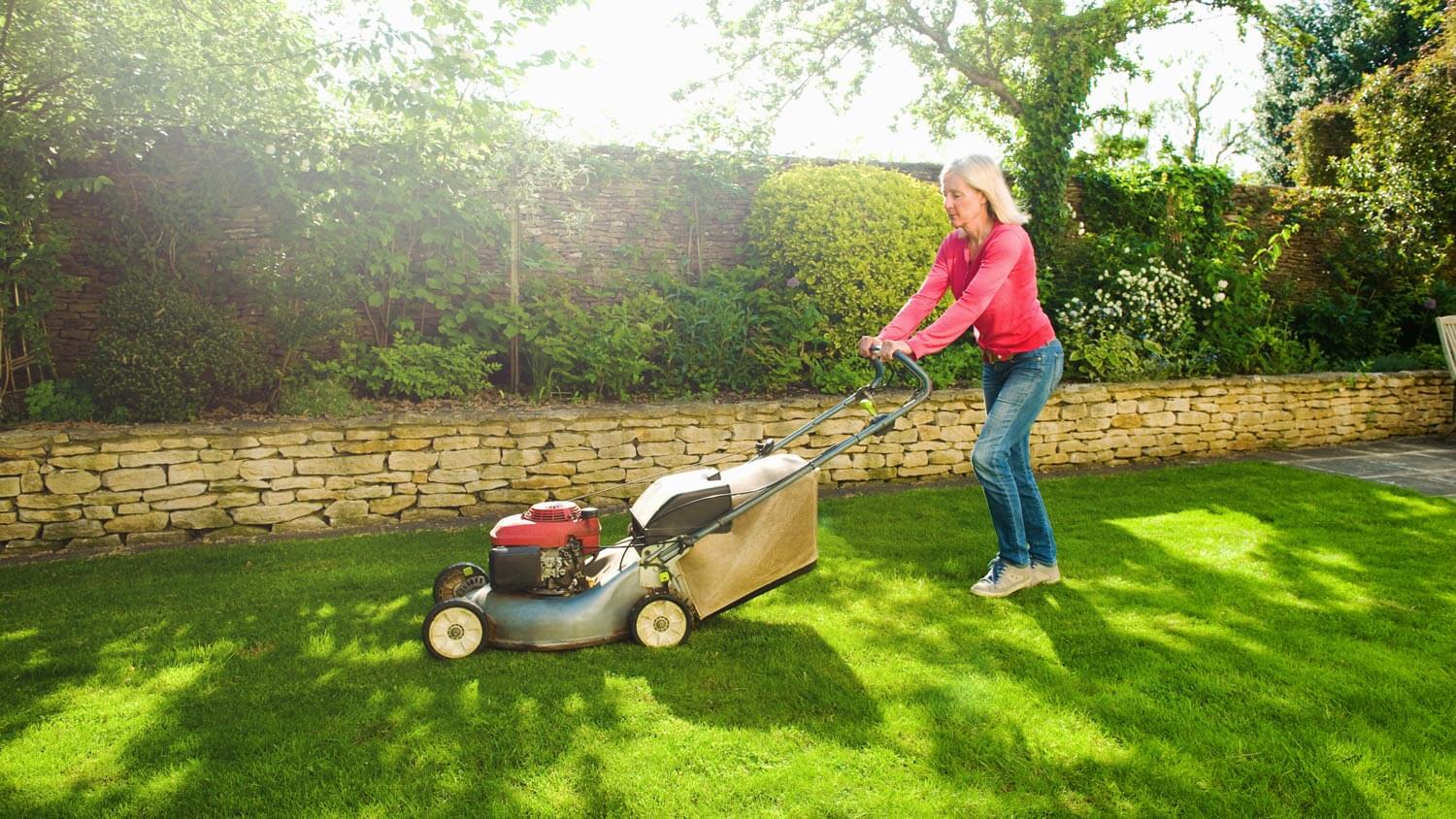
Find out when and how low to mow your grass to get a full, healthy lawn. Get tips for measuring, mowing frequency, and more with this handy guide.
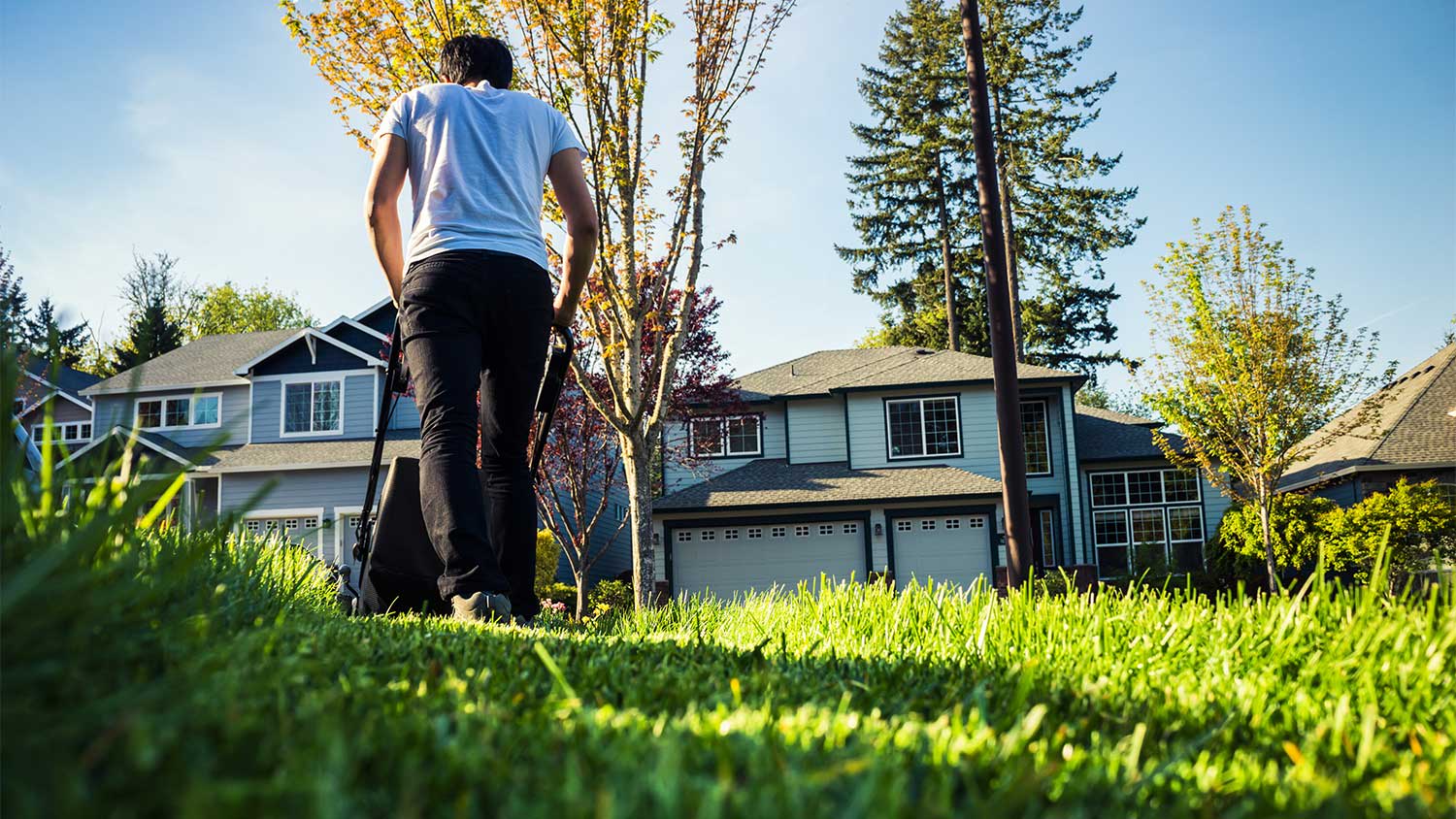
This guide covers lawn-mowing techniques that’ll keep your grass healthy and lush. Read on to learn the benefits of cutting grass and the proper way to do so.
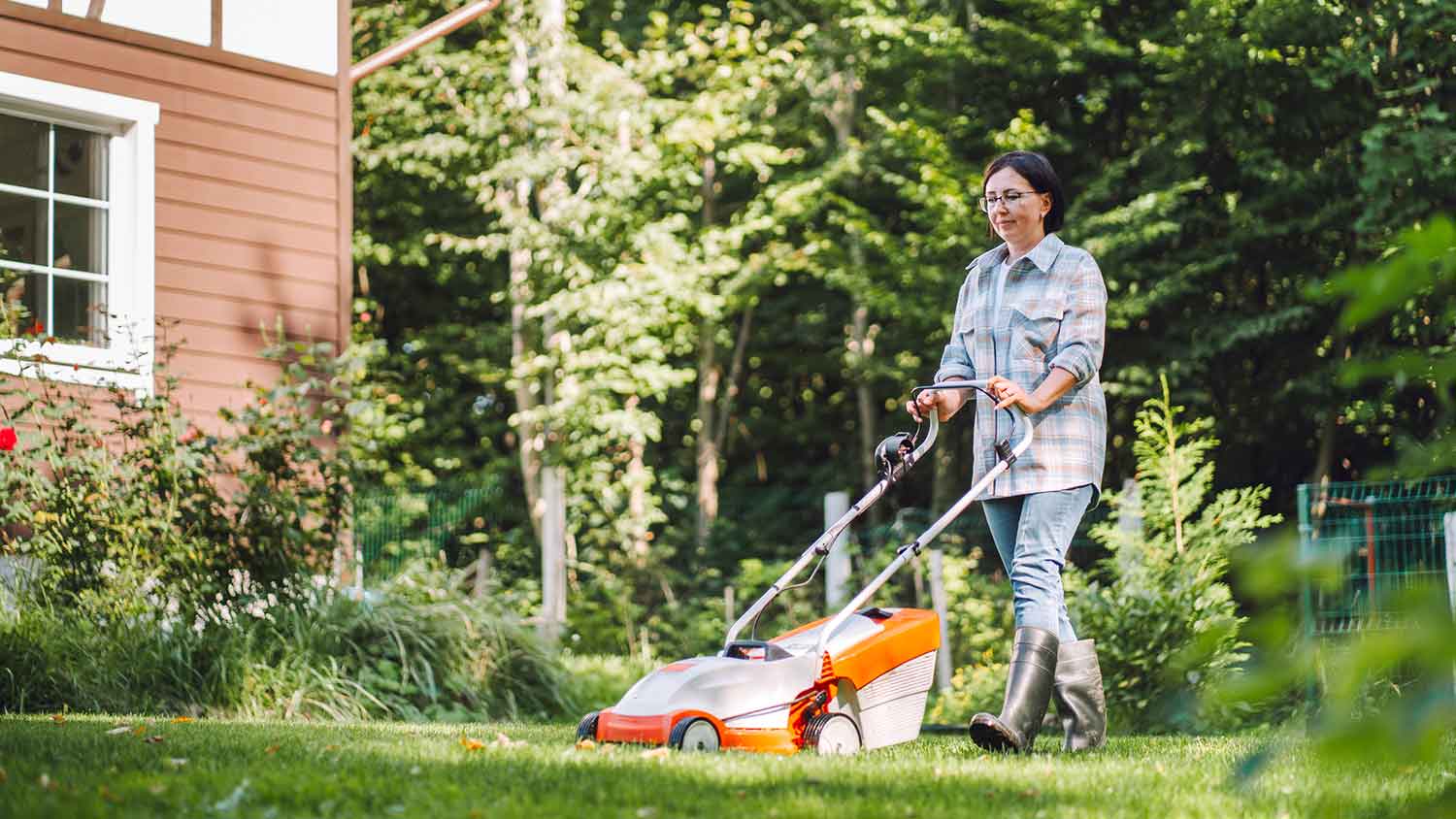
There are ideal (and not-so-ideal) times in the day to mow your lawn, but there are other factors to consider. Find out the best time to cut grass.
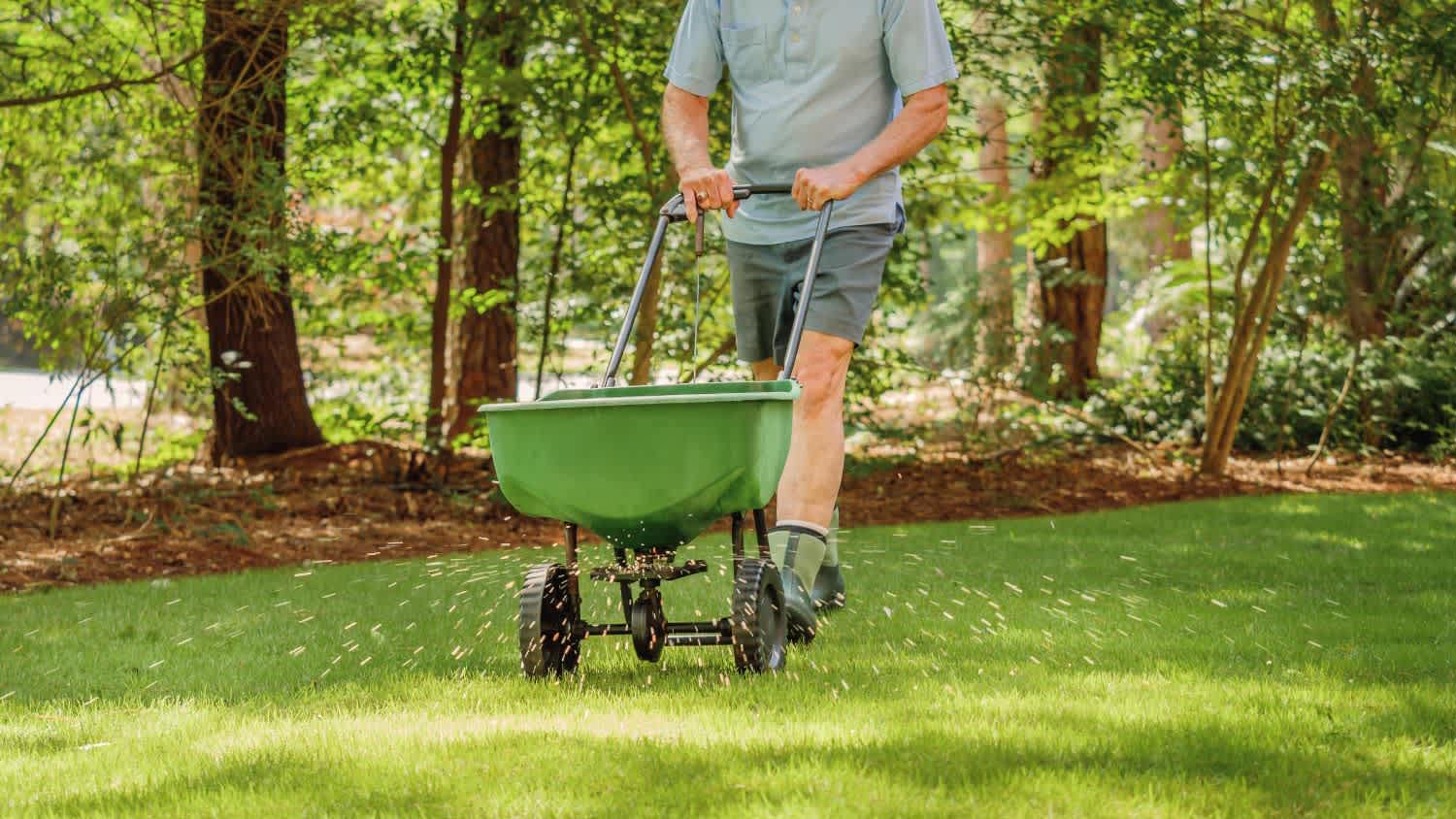
Does grass seed go bad? If you’ve got a box in your basement, you’re probably wondering if you can still plant it. Here’s what you need to know.
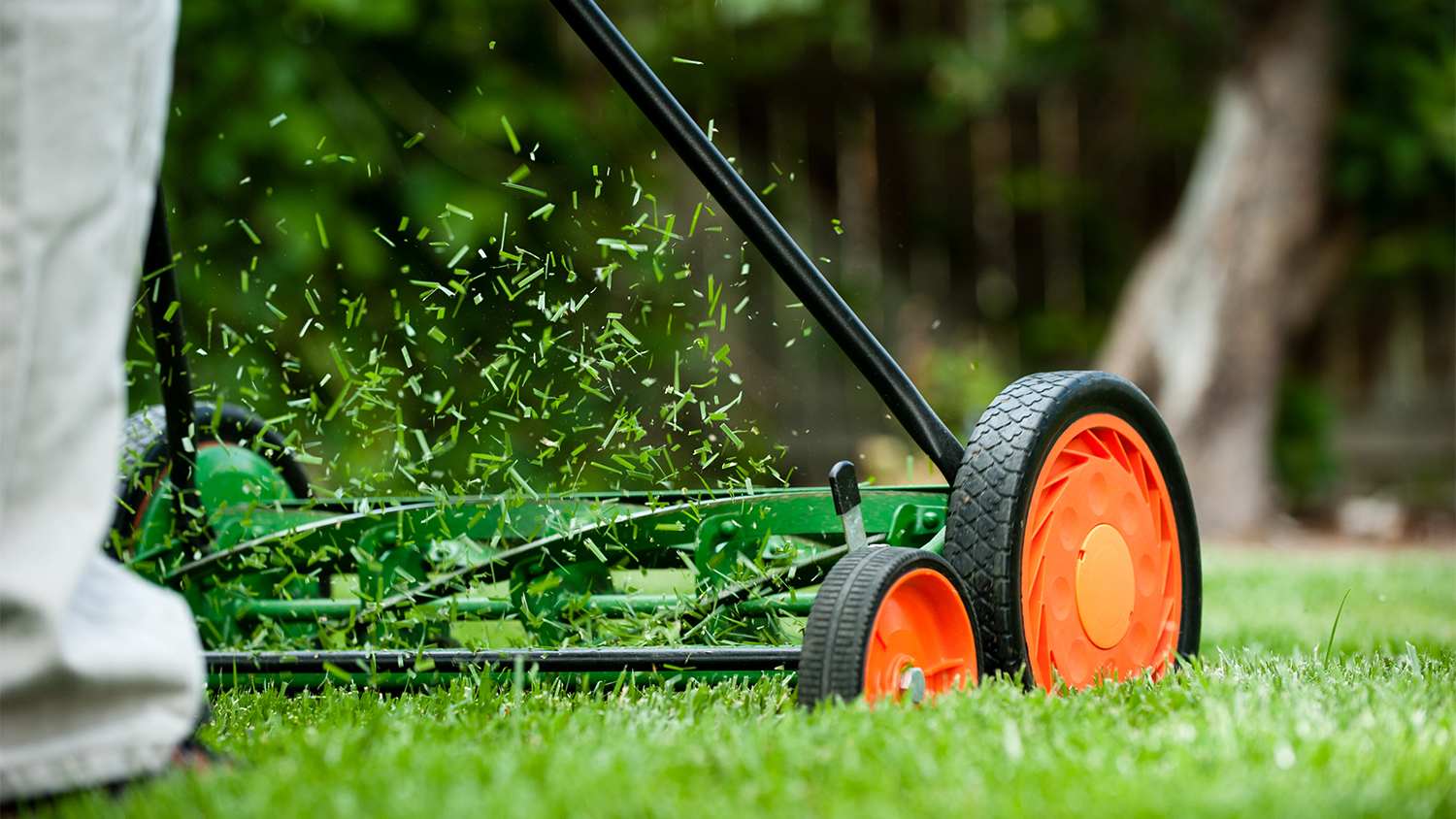
Understanding the benefits of a reel mower can help you decide whether this is the right type of mower for you. Here's what you need to know before buying one for your home.