

•
Earthquake retrofit costs vary based on home size, location, and project scope. Learn what impacts your price and how to budget for a safer, more secure home.
Find out whether seismic retrofitting is a smart idea or a shakedown

Earthquake retrofitting effectiveness in reducing damage depends on your home's age, location, and construction, with pre-1980s homes especially vulnerable during seismic activity.
Expect to pay $3,500 to $8,700 for earthquake retrofitting, with average costs around $6,100 depending on your home's size and the work needed.
Your home benefits from foundation bolting, crawl space wall bracing, and connection strengthening to keep the structure stable and prevent sliding during earthquakes.
Hiring a local foundation repair professional provides expert evaluation and retrofitting recommendations, helping you protect your home with proper foundation bolting and structural reinforcements.
Earthquakes shake the earth our homes stand on and can be life-shaking events. Even minor quakes can cause homes to slide off their foundations, causing structural damage and displacing families during lengthy and costly repairs. Seismic retrofits strengthen homes, so they resist shaking, preventing damage or making it less severe. Here, we discuss whether earthquake retrofitting is worth it and what you need to know about the process.

Consider retrofitting if you live in an earthquake-prone area and your home wasn’t built with seismic reinforcements. Here are some reasons why:
While minor earthquakes might only shake you up a little, the impacts of large tremors can cause injury or death. A foundation pro can reinforce your home’s foundation and structural supports to keep your house and family on firm ground during earthquakes.
Retrofitting helps prevent earthquake damage to homes, businesses, and other buildings. That means less cleanup, fewer repairs, and less stress for you.
Did you know some insurance companies offer policy discounts or lower premiums for homes that have been retrofitted for earthquake protection? Talk with your insurer—you might find you can save between 10% and 25% on your homeowner's policy.
Homebuyers in earthquake zones can find retrofitted homes more attractive than those that haven’t been updated. Buying a home that’s already protected means they won’t have to do the updates themselves, so it can increase your home’s value and help it sell faster.

Earthquake retrofitting stabilizes buildings and prevents them from shaking during a tremor. This keeps buildings from sliding off their foundations and walls from wobbling and collapsing.
There are four main ways earthquake retrofitting companies improve home stability. Each works differently to provide added protection to existing structures.
Foundation contractors bolt the house's wooden frame to the foundation, keeping the house sturdy and on the foundation during earthquakes. Homes that aren’t bolted down can slide off of their foundations, damaging the structure and requiring expensive repairs.
Crawl space walls are short walls that reach from the foundation to the first floor of a building. In unreinforced homes, they can collapse during earthquakes. Bracing them with plywood gives them extra strength and keeps them standing upright.
Soft stories are lower-story areas of homes with large openings and little structural support, such as garages, large windows, and oversized rooms. Because they don’t offer the same support as solid stories, upper floors can collapse during earthquakes. To prevent this, contractors can install steel frames, shear walls (using a movement-resistant frame), and similar structural supports to stabilize and strengthen them.
Houses contain many individual parts. When those parts aren’t securely connected, earthquakes can cause areas to shift, slide, separate, and collapse. Seismic retrofitting companies can evaluate homes, identify areas that need stronger connections, and secure those areas. Common areas that need strengthening include roofing, support beams, structural walls, doorframes and window frames, and foundations.

Not all homes need added protection, but yours might if it fits any of these categories.
Building codes change, and homes built before the 1980s—the modern era of codes in most locations—weren’t built with enough earthquake protections. That can leave them more vulnerable to damage during seismic activity. If your home is older, call a local foundation repair company to evaluate it and advise whether you should invest in seismic retrofits.
According to the U.S. Geological Survey, some areas of the country are more prone to damaging earthquakes, but approximately 75% of the United States could experience “intense ground shaking” and “potentially damaging earthquakes.”
While you may expect the West Coast—especially California, Alaska, and Hawaii—to be at risk, pockets of the Mountain West and Southeast also have an elevated risk of experiencing a damaging earthquake. Consider foundation upgrades and other earthquake protections if your home is near a fault line or in a region with frequent seismic activity.
A strong enough earthquake can damage any structure, but some homes are more at risk than others. These include homes with the following features:
Two or more levels
Large and open spaces like a garage, open-concept room designs, or oversized windows on the lower level
Raised foundations
Built on a slope or hillside
Constructed on softer or unstable substrates, such as sandy, gravelly, or less-compacted soil
If you’re unsure whether your home needs retrofitting, the easiest way to find out is to contact a licensed seismic construction expert. They’ll inspect your home from roof to foundation, looking for problem areas. Then, they’ll recommend updates and retrofits that can make your home safer.
As with any large home renovation, it’s smart to talk with two to five local companies and get a detailed bid from each. That way, you can compare their findings, recommendations, warranties, pricing, and overall value before you decide who to hire for earthquake retrofitting.
The cost of seismic retrofitting depends on several factors, including:
Home size, age, and location
Type of retrofitting needed (soft story hardening, foundation retrofitting or bolting, crawl space wall bracing, or connection strengthening)
Job size and scope
The cost to retrofit a house for earthquakes ranges between $3,500 and $8,700, with an average of $6,100.
If you’re an experienced DIYer, you may be able to do the work for less. If your home only needs bolting, the work will be easier and less expensive. However, if your home is large, built on a hillside, has a basement or a room over a garage, or needs extensive seismic upgrades, budget for a much bigger project.
The good news is that programs exist to help you pay for retrofitting. Check out regional organizations like the California Residential Mitigation Program and the California Earthquake Authority or a similar one in your area for more information about grants and other assistance.
Being prepared is the best defense against earthquakes and other disasters. Here are simple ways you can proactively protect yourself and your home.
Have a disaster plan: Make a plan before you need it. The American Red Cross has earthquake safety tips, checklists, and preparation guides to simplify planning.
Assemble a survival kit: Fill a plastic bin or duffel bag with basic supplies you and your family will need during an emergency. These can include water (1 gallon per person per day), nonperishable food for at least three days, a battery-powered or hand-crank radio, flashlights and batteries, a first aid kit, dust masks, plastic sheeting, duct tape, and a can opener. Check out FEMA’s emergency kit recommendations for more ideas and specifics.
Secure items: Heavy furniture and appliances, such as bookcases, armoires, water heaters, and refrigerators can tip over and cause damage or injury during earthquakes. Secure them with straps, earthquake brackets, or wall anchors. Move smaller breakable objects like vases, lamps, art, and keepsakes to lower shelves or use an earthquake adhesive or wax to secure them.
Use flexible piping and connections: Earthquakes can break traditional gas and water lines. Have your plumber install flexible connectors and earthquake-friendly piping to avoid damage.
Stabilize chimneys: Reinforce and stabilize chimneys so they won’t sway and collapse. This can save your roof and prevent other damage and injury.
Insure your home: Earthquake insurance can be a great investment if you live in an at-risk area. Most standard homeowner’s and renter’s policies don’t include earthquake damage. Before you choose a policy, read the fine print and exclusions. Some policies don’t cover much or have large exclusions that make them less valuable.
Corey Carr was great. I had damage from a recent storm and needed to have my mast and other components replaced. The project entailed coordinating with AEP, and Corey helped make a stressful situation a lot less stressful. I really appreciated his dedication to service and the job very well done.
 Mr. Electric of Columbus
Positive experience. As previously stated, the replacement/repair could not be completed (no fault of the plumbing tech) b/c misinformation was rec?d by property management maintenance. Thanks to the plumbing tech for your efforts. Appreciate you!
 The Waterworks
Great company! Price was competitive, technician showed up on time and completed the job (exterior electric Radon fan replacement) quickly. Would hire them again.
 MaGen Property Inspections and Radon Mitigation
Joseph did a great job with the staircase and trim. Timely and efficient, clear communication about the work, very fair pricing. For the stairs in particular, done very skillfully in an old house (1893) in a tight spiral, and very creative with how to do the handrail. Did a nice job with...
 Vouis Trim Carpentry L.L.C.
Jason has helped me with multiple household projects, with the most recent being new door installation. He has always showed up on time and organized and has done an incredible job! Jason is very professional and he's now my go-to for anything around my house that needs to be fixed or...
 Huff Garage Rescue, LLC
Amazing job. Efficient and quick without compromising quality. Basement feels brand new. Would use them again in a heartbeat.
 AffordaPro Restoration
Great communication throughout from discussion of the project, and its options, to installation. They found a number of unforeseen challenges when mounting my TV and soundbar to, what was found as, an untraditional wall that didn’t allow for wires to be hidden behind the wall. The team was...
 Tether House
I conferred with 2 other contractors before Armstrong Electric. Nick and his crew showed me that the project was not as convoluted as the other contractors made it appear to be. They completed the entire project on time. They were professional, friendly and cleaned up after at completion. I...
 ARMSTRONG ELECTRIC, LLC
The technician was very professional and friendly. He answered all my questions and was very thorough. He left the fireplace area very clean . He inspected from the roof and advised me as to other work that might need to be done. There was no pressure there. I was very satisfied with the...
 Supreme brick & chimney
Absolutely thrilled with the transformation of my home thanks to Custom Paint Jobs LLC! The attention to detail is outstanding.
 Custom Paint Jobs, LLC
From average costs to expert advice, get all the answers you need to get your job done.
Earthquake retrofit costs vary based on home size, location, and project scope. Learn what impacts your price and how to budget for a safer, more secure home.

Discover how much it costs to repair earthquake damage. Learn about average costs, key factors, and ways to save on earthquake repairs for your home.
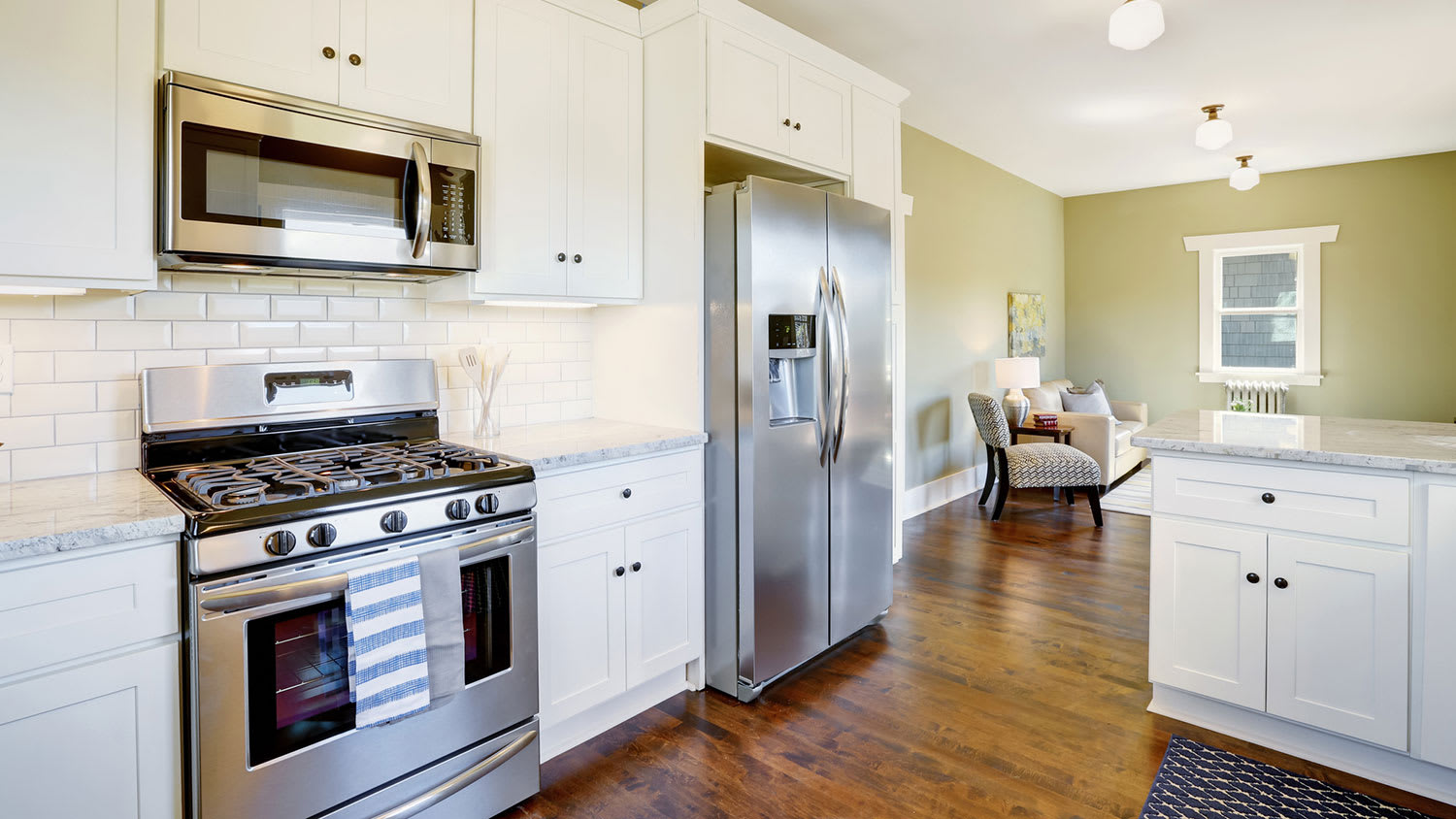
A seismic shut-off valve stops the flow of gas during an earthquake, protecting your home from fires and explosions. Here’s what your earthquake valve installation cost will look like.
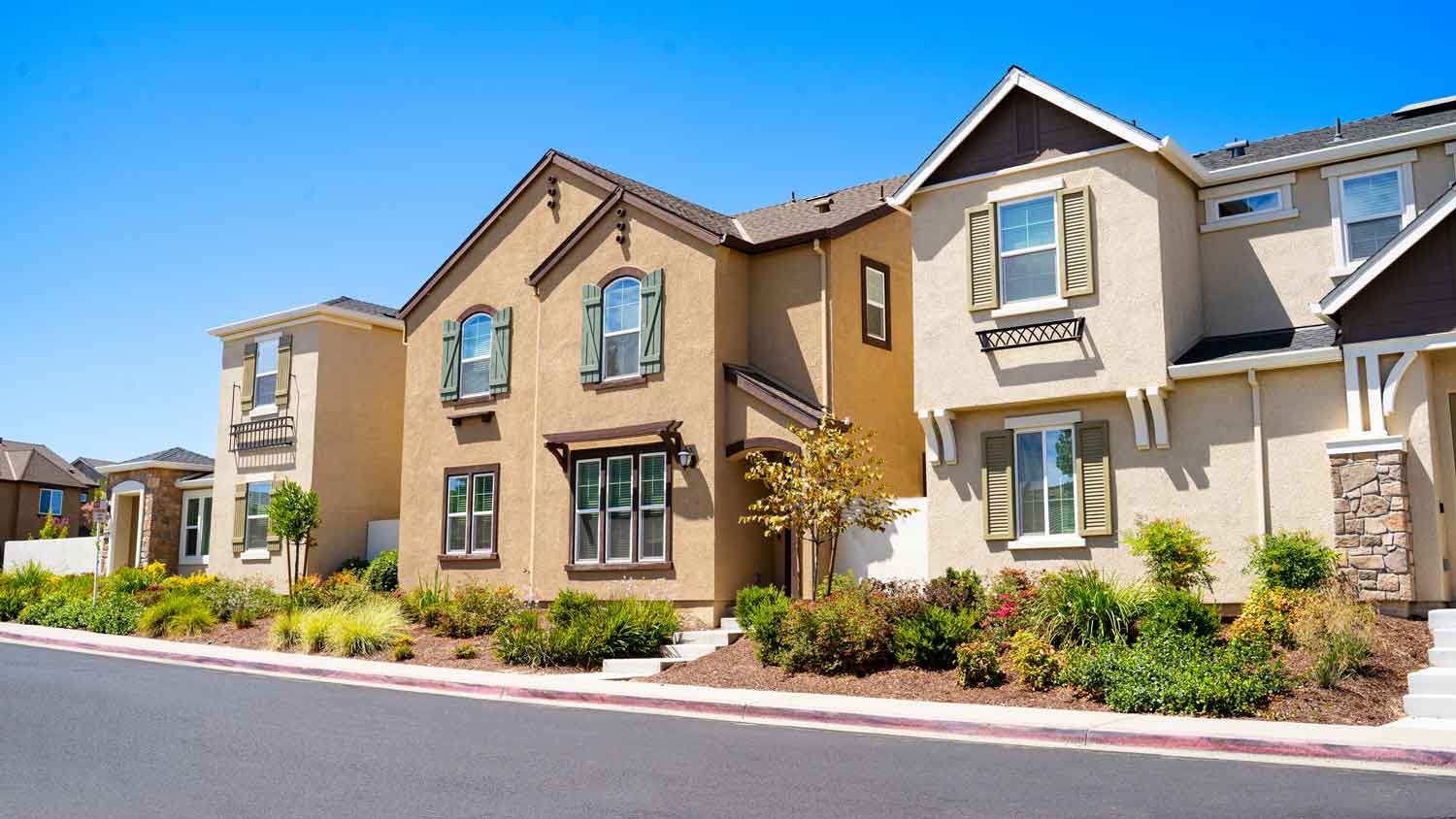
If you live near a fault line, your home may need an earthquake retrofit. Find out what you need to know about the process, from costs to who you should hire.

Fear not! Steady the shakes, tame the tremors, and get earthquake-ready while we give you a better idea of how long earthquake retrofitting takes.
Thinking about earthquake protection retrofitting? Learn about the installation process, costs to expect, and how to hire the right local pro for the job.