
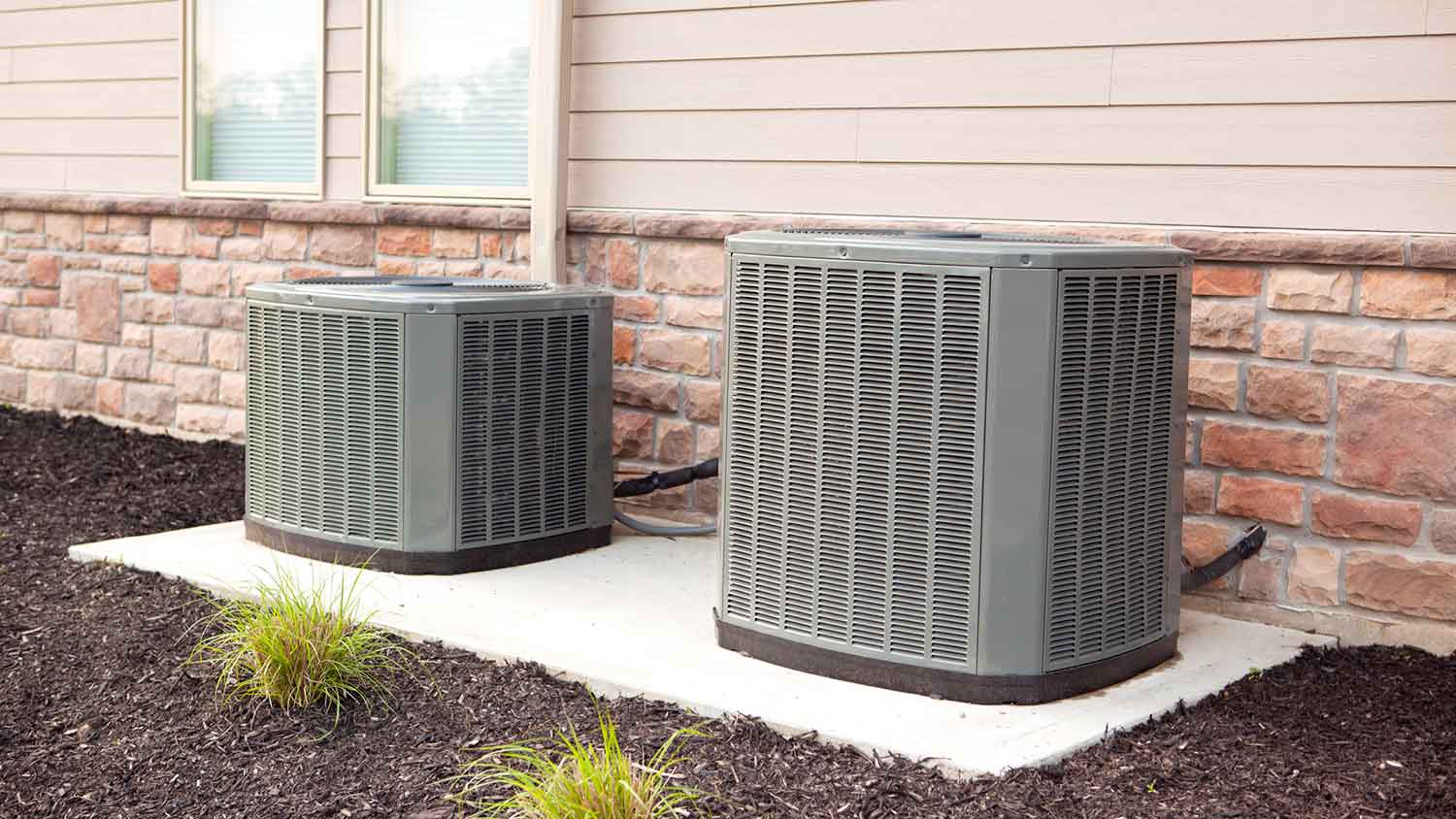
Average costs of HVAC inspections in Washington, D.C., vary based on house size and type of HVAC system. Follow our easy guide to gauge your home’s HVAC inspection cost.
Heating and air conditioning service costs depend on your project and location. Check with a local pro for your specific job.

AC inspections in Baltimore, MD, cost $80 to $155, and it’s a worthy investment before the hot, humid summer.
If your home has a larger HVAC system or multiple zones, you’ll pay more overall for an inspection.
HVAC pros may charge an additional $25 to $50 for traveling to homes outside of their primary service area.
Hire an HVAC pro in Baltimore, MD, to ensure your home stays comfortable in every season.
An HVAC inspection in Baltimore, MD, costs an average of $314, with homeowners often spending between $157 and $523. Don’t overlook this important maintenance task in the DMV, where muggy summers and chilly winters necessitate a fully functioning HVAC system. Here’s what you need to know about budgeting for a professional inspection.
In Baltimore, MD, the cost of an HVAC inspection will depend on the size and type of the HVAC system as well as its location in your home. While homeowners can handle replacing a filter on their own, it’s better to schedule a professional HVAC inspection to troubleshoot any small problems before they become big ones.
More complex HVAC systems with more components cost more to inspect than basic units with fewer elements. You’ll pay more for an inspection on furnaces, boilers, and air conditioners with multiple running parts than for simple elements like air ducts, vents, and attic fans.
However, if you suspect a problem with just one part of your HVAC system, you might not need a complete HVAC inspection.
| System Type | Description | Average Cost |
|---|---|---|
| Furnace | Includes an inspection of the filters, fans, and burners | $85–$105 |
| Air conditioner | Checks filters, coils, vents, and refrigerant levels | $80–$155 |
| Boiler | Assesses fuel levels and ventilation; tests for leaks | $105–$315 |
| Air ducts | Looks for dirt and blockages; may include a leakage test to measure air flow rate | $85–$190 |
Larger homes are often equipped with multi-zone HVAC systems or multiple units to heat and cool rooms effectively and efficiently. The more systems and units in place, the more there is for the inspector to examine, which will increase the cost.
To cut down on price, consider hiring an HVAC contractor who offers a flat rate rather than an hourly fee since large-scale inspections will take a long time to complete.
If your HVAC unit is in a tight, hard-to-access space, such as a crawl space or attic, you could pay a bit extra. Systems that are difficult to reach and work around are often more time-consuming than units sitting in an open room or a large basement. A pro may also need specialized equipment to conduct a thorough inspection.
If you live in a rural area far from a city or town, an HVAC contractor might charge for expenses such as gas mileage and travel time. However, not all contractors charge travel fees. They may only charge clients who live outside of their primary service area. HVAC inspectors charge travel costs of $25 to $50, depending on how far they need to travel.
While small tasks like air filter replacements are DIY friendly, leave HVAC inspections to an experienced pro. They’ll know how to troubleshoot a variety of systems and can identify small fixes before they become large, expensive problems.
Expect to pay $50 to $150 an hour when you hire an HVAC pro in St. Louis, MO. In general, a routine check of a smaller AC system will take less time and therefore cost less than it would for one that has multiple zones.
When hiring an HVAC pro in Baltimore, MD, be sure they are bonded and carry workers’ compensation insurance. This will help you avoid liability in the event of property damage or injury during the inspection.
To help homeowners plan their next project, Angi provides readers with carefully researched cost data and upholds strict editorial standards. We start with national average project costs, which we collect by analyzing competitor information, retailer material costs, and input from professional contractors. We then apply local price index data to calculate location-specific estimates that reflect what homeowners typically pay in their local area. To do that, we use data from the U.S. Bureau of Economic Analysis (BEA), including its Regional Price Parities (RPPs), which measure price differences across cities. This helps us account for differences in labor, materials, and overall cost of living, so estimates in higher- or lower-cost areas better reflect real-world local pricing.
Every estimate undergoes a thorough editorial review to verify accuracy, consistency, and alignment with observed market conditions.
Want to help us improve our cost data? Send us a recent project quote to [email protected]. Quotes and personal information will not be shared publicly.
They came right away, diagnosed the problem, and fixed our air conditioning in a very timely way!
 Last Minute Services, PLLC
Great company came serviced my unit and got my heat working
 VICTORY HVAC LLC
Good morning. We woke up yesterday with no heat, brrrrr. So we looked for a local business and we found this company. Mike came out the same day, the part we needed was around the airport he got it, came here this morning at 7:30, like he said and we now have heat! Mike is honest,...
 All Around Heating and Cooling LLC
My HVAC air conditioning was not cooling my condo. The technician climbed a ladder to check my outdoor unit on the roof and noticed that the outdoor unit was not coming on. He discovered a loose wire and tightened it to fix the problem. He also checked the unit pressure and found that the...
 SRM MECHANICAL LLC
During a heat wave, my air conditioner frozen, so I frantically called Evolution Heating & Cooling. Quickly upon arrival, their expert assessed the situation and promptly set out to resolve it. A clogged filter and low refrigerant were the reasons. He fixed everything that needed fixing and...
 Evolution Heating & Cooling, LLC
I was blown away by how much cleaner the air in my home feels after Space Air Duct Cleaning came through. They were thorough and very respectful of my space. Great service!
 Build Up Remodeling and Construction
We hired Paramount Heating & Air Conditioning to replace our entire HVAC system, which was very outdated. Not only was the work done flawlessly, but the whole experience was an absolute pleasure, from start to finish. During the estimate phase, Allan carefully considered the size and nature...
I had no heat and no clue who to call. Called one company who put me on hold for about 20 minutes so, did not consider them. I simply picked the Turlington Company, using a Google search. Amazing! Simply Amazing. William came within an hour. Told me that my problem was that I needed 2 AAA...
Kenneth was very helpful and prompt. The air conditioning going out this time of year is no joke, and Kenneth responded swiftly and patiently. The project ended up being more complicated and expensive than I would have hoped, due to the previous owner's hire, but Kenneth resolved and...
I had the best experience with Hecomo Heating & Cooling. My house's AC/heating system stopped working all of the sudden and the temperatures at the time were 90 degrees and up. I was desperate looking into many different companies. Many of them, came over to my house and did estimates at...
 Hecomo
From average costs to expert advice, get all the answers you need to get your job done.
Average costs of HVAC inspections in Washington, D.C., vary based on house size and type of HVAC system. Follow our easy guide to gauge your home’s HVAC inspection cost.
Find out how much a home inspection costs in Washington, D.C. Learn what you can expect to pay for local home inspectors and prepare for your home purchase.
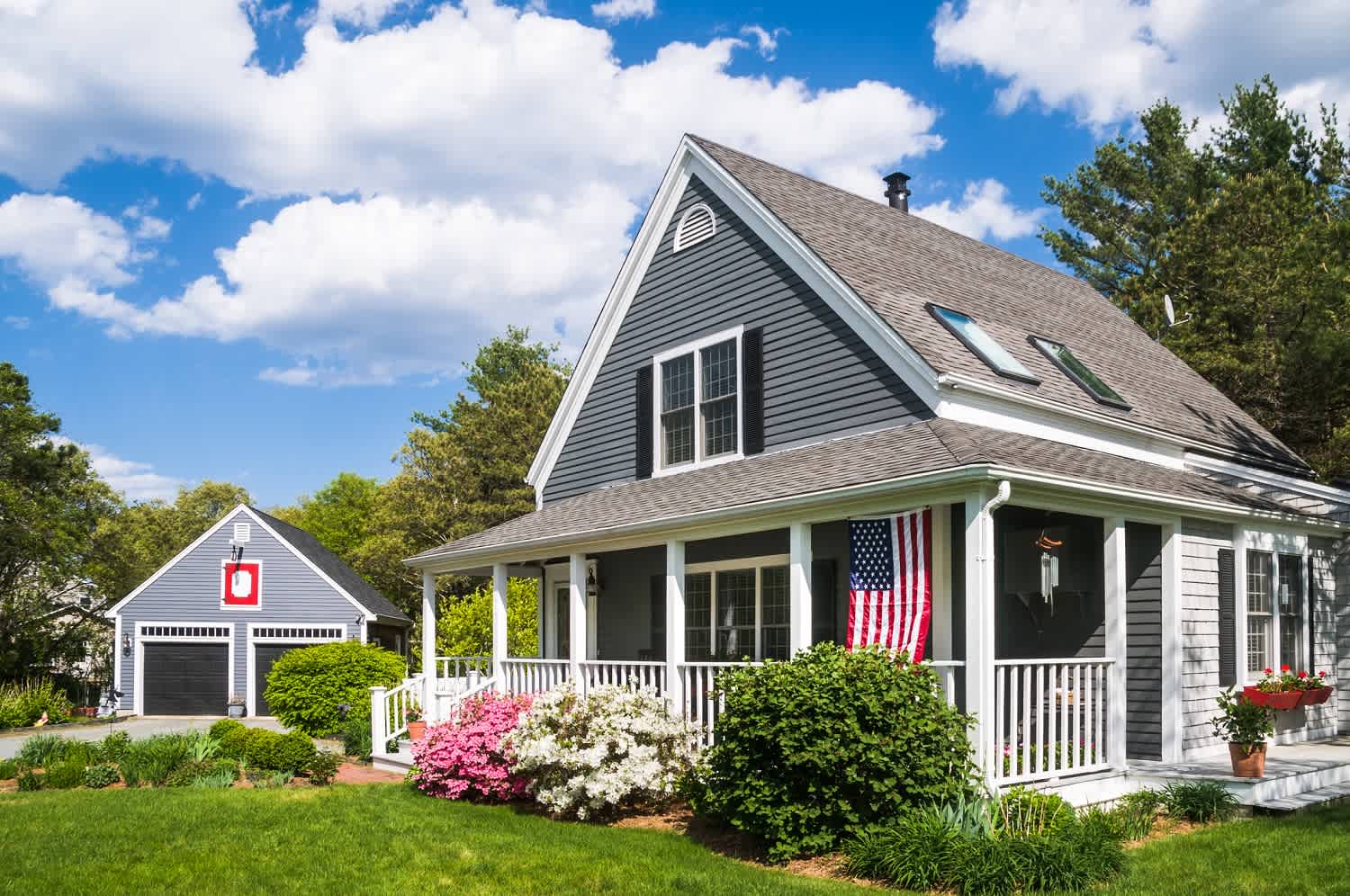
Find out the average roof inspection cost in Washington, DC. Learn what you can expect to pay for local roof assessments and catch hidden damage early.
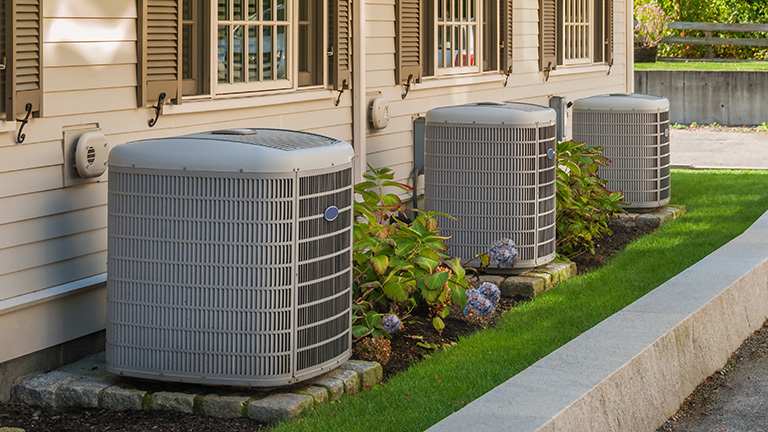
HVAC replacement costs in Washington, DC, depend on a lot of factors, like unit type, size, and labor. See what you can expect to pay for HVAC replacement here.

What you’ll pay in Baltimore, MD, for furnace repairs depends on many factors. Here’s a breakdown of what can go wrong and the cost to fix those issues.
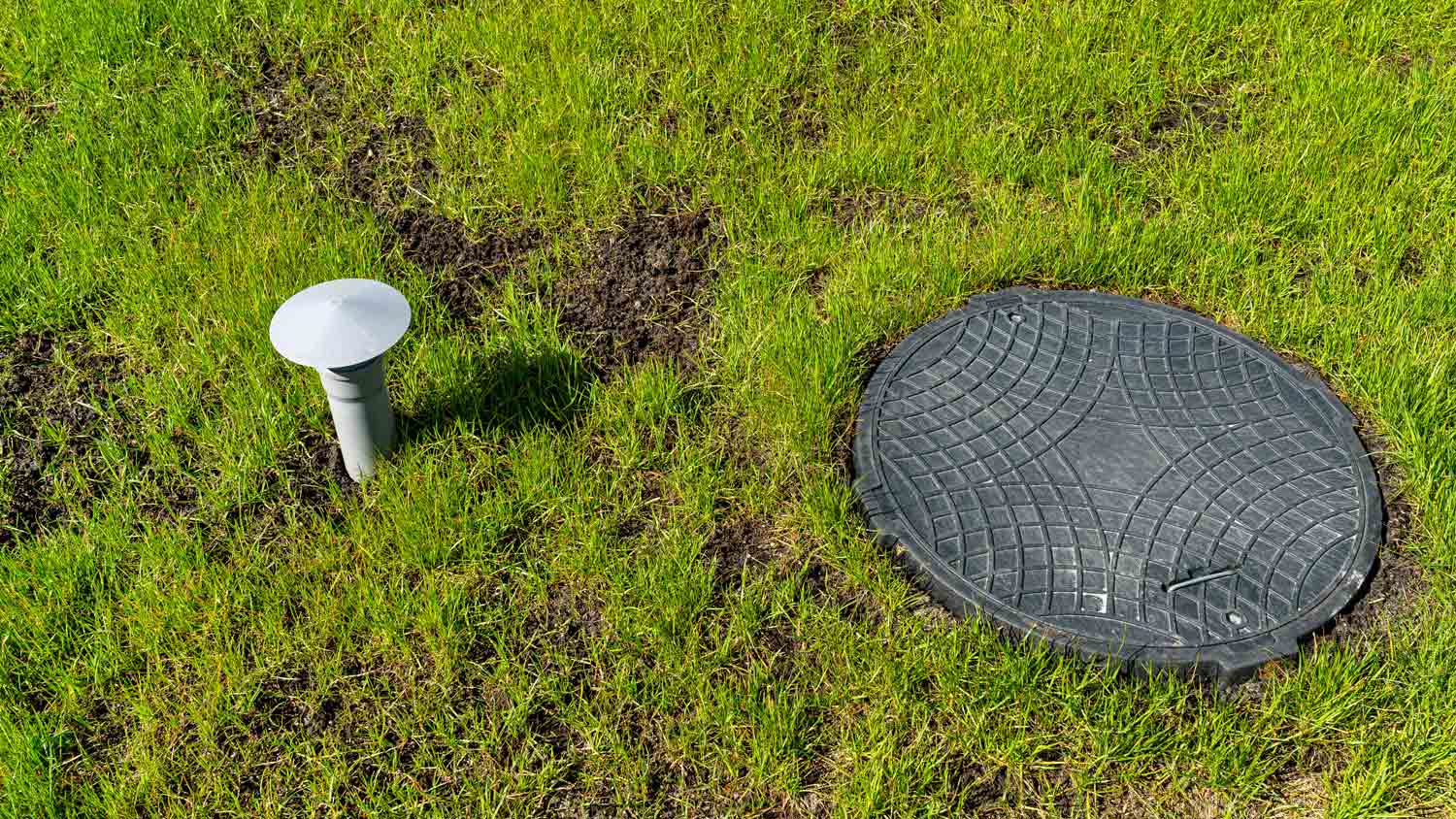
Septic inspections should be conducted once every one to three years to ensure you don’t have any issues. Learn about septic inspection costs in Washington, DC before scheduling.