

Discover the average tree maintenance cost, key price factors, and tips to save. Get expert insights to plan your tree care budget with confidence.
A bit of careful cutting can keep your maple trees in top growing shape

When you look around at the trees on your property, they may seem like they grow just fine on their own. However, learning how to prune maple tree branches can make a big difference in the health and appearance of these trees. Pruning is a simple trimming process to correct or prevent problems and keep your maples looking vibrant. This guide breaks down why, when, and how to prune a maple tree.

Once you have your tree cutting tools and equipment, you move onto reviewing the following safety tips:
Work with a buddy, and never prune any trees near power lines.
If you need to climb a ladder to reach high branches, be sure you know how to climb safely.
Be hyper-aware of falling branches as you work. If you’re not totally confident you can do the job safely, hire a local tree pruning pro.
Finally, you should prune your tree carefully and methodically. As a general rule, you shouldn’t prune more than 25% of the tree at a time. If you take off too much, you could damage the tree. Pros will know exactly which branches to prune to keep your tree healthy, which is another reason why they may be best for the job.
Dead or dying branches drain your tree’s resources and are vulnerable to insect infestation. They’re easy to spot since they tend to have few or no leaves left. You can remove these branches whenever you see them and don't need to prune them according to specific timing. To remove dead or weak branches, follow these steps:
Locate the branch collar, the raised area where the branch joins a larger branch or the trunk.
Make cuts about one-quarter-inch beyond the branch collar. Don’t leave any stubs.
The leader is the highest, strongest, most central, and most vertical branch coming off the trunk of your maple. You'll want to prune away any competing branches so that your tree doesn't waste resources on multiple large branches. Follow these steps to prune around the leader:
If there are codominant branches, select the strongest and straightest to be the leader.
Cut one-third off any branch within 2 feet of the leader to give it space to grow.
If a competing branch doesn't have many leaves, you can remove the entire branch.
Any branches that cross, touch, or rub are competing for space and can also cause bark damage or other injuries to one another. Cut off any of the following:
The smaller or weaker-looking of two branches that cross, rub, or touch.
Branches that droop toward the ground, grow toward the trunk, or angle up sharply.
Branches with a narrow crotch angle (shaped like a "V") less than 30 degrees.
Leave branches growing at close to a 90-degree angle or those that create a "U" shape where they meet the tree.
As your maple tree grows, removing the lowest branches can help lift your tree's crown and encourage the trunk to grow straight and strong. To do this, simply cut enough lower branches so you can walk under the tree safely.
Suckers are smaller tree sprouts that grow from your maple tree's roots near its base. Water sprouts are similar, but they come out of the side of the trunk. Both types of sprout growth can limit the growth of the main tree, so use a saw to cut them off if you see them.
If you notice any branches growing longer and faster than the rest, cut them back so they are even with the length of their adjacent branches.

When done properly, pruning won't harm your maple tree. However, there are some tips and specific techniques to keep in mind if you want to prevent damage and promote future growth.
Don't prune off more than one-quarter of your tree's leaves in one pruning session.
Prune from the top down so you can pace yourself and avoid removing too much.
If your tree is tall enough to warrant a ladder, work with a buddy for safety.
Sterilize your tools with isopropyl alcohol between cuts.
Make all cuts parallel to the trunk. Non-parallel angles let water collect on wounds.
Use loppers to cut through any branch, twig, water sprout, or sucker less than a half-inch in diameter.
Shorten branches with a diameter of more than half that of the trunk.
After removing a branch, cut the stub from below so it barely protrudes from the collar.
Avoid cutting the branch collar, as this can leave a wound.
Avoid applying tree paint or wound dressing, which can prevent maples from healing naturally.
The three-cut method is the best technique for cutting back a heavy branch. It involves making three cuts with your lopping shears or hand pruners:
One foot from the branch collar, make a cut that goes halfway through the branch.
Next, make a complete cut a couple of inches farther away from the trunk.
Make your last cut slightly beyond the branch collar, sawing through until the branch snaps off under its own weight.
The branch should snap off without tearing any bark off the tree trunk. You’ll want to leave all the bark on the tree for protection.
When pruning maple trees of any species, they tend to ooze sap more profusely than most other plants. The oozing sap may make you feel like you're injuring your plant. On the contrary, there are several good reasons to prune trees beyond simple aesthetics:
Damaged branches are vulnerable entry spots for pathogens and pests. Pruning these areas helps keep infestations out, prevent infection, and strengthen the branches you leave alone.
Cutting a maple tree back thins it out. This process increases airflow through its branches so they stay clean, dry, and free of harmful fungi.
Thinning out a maple also creates more room for sunlight to reach leaves that usually aren’t exposed.
Nature has designed plant roots and shoots to stay balanced. When you prune shoots, the tree devotes more resources to growing new ones.
Your timing should vary based on the age of your tree. You should not prune a maple tree until its third year of life so it can get established and retain enough leaves to feed itself. In its third summer, start pruning your maple tree every other year or any year you see dead branches. Once a tree is 10 years old, you'll only need to prune it every five years.
The best time to trim maple trees is between mid-July and late August. This timeframe makes them unique among deciduous species, most of which are pruned while dormant in winter. Maples leak sap when pruned, which accounts for this difference. The sap flow slows late in the summer, allowing trees to retain more nutrients and fully heal before harsh winter conditions set in.


If you want to prune a maple tree yourself, you'll need the right tools for the job. Expect to pay anywhere from $455 to $1,150, or about $800 on average, for the equipment and any required dumping fees. If you already have the equipment, DIY pruning is practically free.
Even if you have the right equipment, you may still wish to hire a professional arborist near you. Improper pruning can cause serious damage, and larger trees may involve climbing to dangerous heights to do the job. A pro can ensure your tree is taken care of with no risk to you.
The cost to prune a tree ranges from $75 for small saplings to $1,800 for trees taller than 60 feet. Large trees are more difficult to prune, which increases labor costs. If you plan to do the pruning yourself, expect to pay an average of $800 for the necessary equipment and dumping fees.
This service was great. My air conditioner went out during the heat spell that we had. My husband has health issues and they came out that night and at 9:30pm the air conditioner was fixed and running. We are sooo very thankful, this is the company I will be using from now on and would...
 Mr. Mechanical Ohio
One of my old tall evergreen trees was suddenly leaning toward the busy street in front of my house. I submitted a request for an emergency tree inspection, and Alejandro, owner of Cajete Tree Service, contacted me immediately and arrived to look at it just 20 minutes later. We agreed the...
 Cajete Tree Service LLC
1 tree was cut down and 5 others including a large willow tree were trimmed. The Grant Tree Service men were professional and cleaned up afterwards. The cost of the 6 trees were affordable. I am very happy with the results. I would hire them again.
 Grants Tree Service
D1 Roofing delivers outstanding service from beginning to end, backed by a strong warranty and expert teams. I highly recommend them for their excellence in meeting and surpassing expectations with unmatched communication. Choosing D1 Roofing was flawless decision
 Division 1 Roofing LLC
Promptly arrived for quoting! Demonstrated superb customer service, affordable pricing, and completed service swiftly! Looking forward to the spring for our service!
 All Star Paving and Sealing
Seth was very professional, prompt in responding to queries about the work required , gave sincere advice as to what would be best for tree trimming and did the job timely.
Ace Fireplace Services' chimney sweep service is truly exceptional. They used advanced technology to ensure a thorough cleaning process, and my chimney has never looked better. I highly recommend their services.
 Ace Fireplace Services
I definitely recommend Ramonaâ s cleaning service! I have booked services with her many times and she arrives on time, ready to work and provides a great service.
 Your Cleaning Solutions LLC
Webb â s was priced well, flexible on scheduling, great with communication, and detailed in their work. Iâ ll definitely use their services again.
 Webbs Pressure and Paint LLC
Great tree company, very professional and honest. Glad we found them, they had the best pricing
From average costs to expert advice, get all the answers you need to get your job done.
Discover the average tree maintenance cost, key price factors, and tips to save. Get expert insights to plan your tree care budget with confidence.
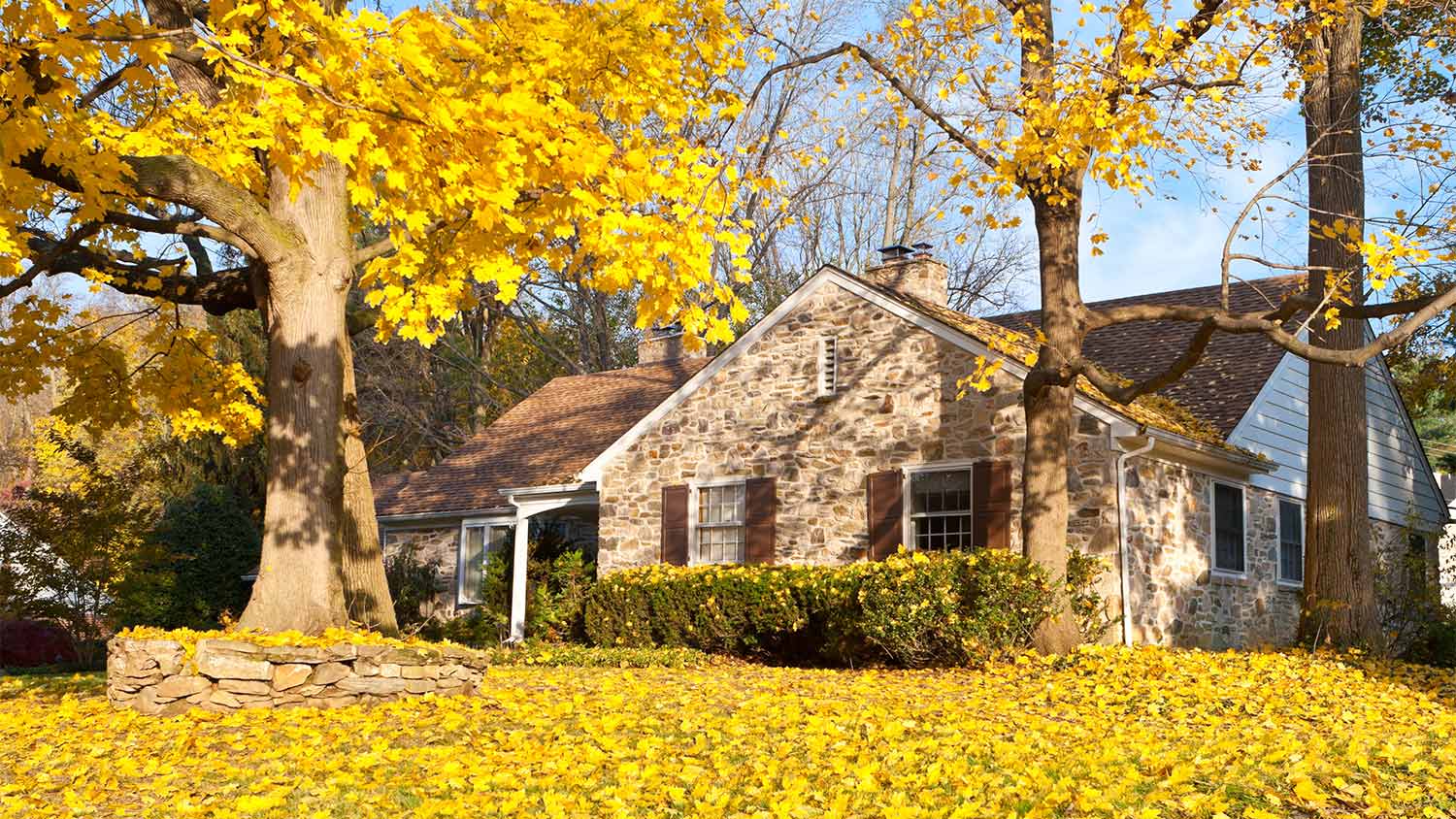
Learn what a maple tree looks like, whether you want to make your neighborhood walks more entertaining or find trees suitable for your yard.

Nothing ruins the look of a maple tree like dying branches. If you’re wondering why are branches on my maple tree dying, our guide explains the common causes and what you can do.
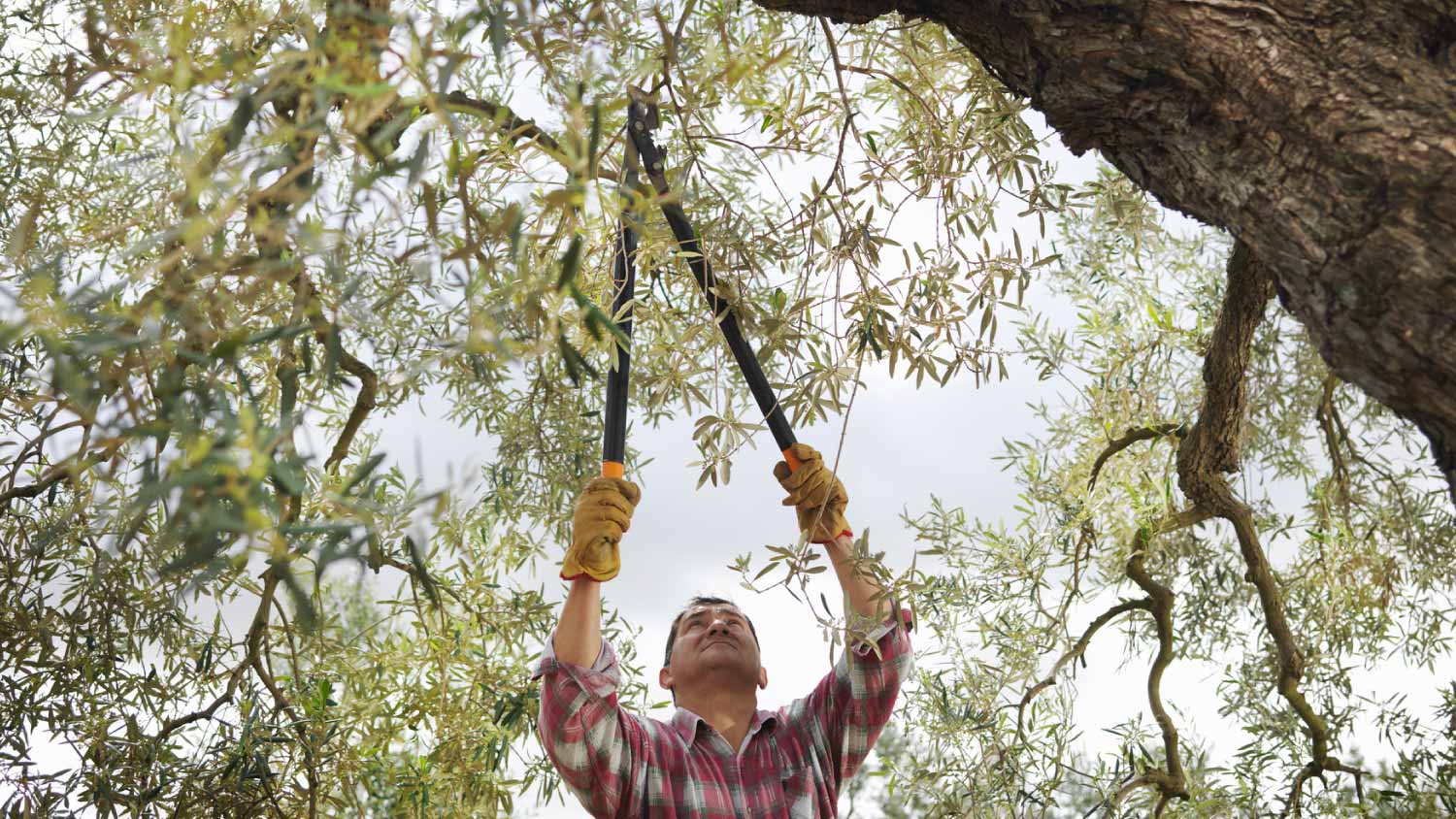
The best pruning times depend on a tree’s blooming cycle, when it loses leaves, and how mild the winters are. But these are the worst times to prune a tree, and could even endanger its life.
Pruning a cherry tree requires pruning tools, some skills, and the right techniques. Read this guide to learn how to prune a cherry tree like a pro.

Deciding between pruning versus trimming your trees and shrubs? Find out the pros and cons of pruning and trimming to decide which method is right for your yard.