
If your crown molding has edges or seams, you may want to caulk it. You can DIY this work or hire a pro—use this guide to learn the cost for both.
Stop mold before it becomes a major problem

A moldy basement thrives on excess moisture, so keep your humidity below 60% using a dehumidifier and monitor levels regularly with a hygrometer.
Expect to pay $1,125 to $3,345 for professional mold remediation, so addressing moisture problems early helps you avoid higher costs and extensive damage.
You can prevent mold growth by sealing cracks, waterproofing walls, maintaining proper ventilation, and keeping your basement clean and well-organized to reduce dampness.
Hiring a local mold inspection professional provides peace of mind through thorough inspections and expert guidance on moisture control, ventilation improvements, and early mold detection.
The basement serves as a significant battleground in the fight against household mold. As a below-ground space, basements are particularly susceptible to dampness and poor ventilation, creating an environment conducive to mold growth. However, when you know how to prevent mold in your basement, you can create a dry, well-ventilated space that resists the conditions favorable to mold development. Use this guide to learn practical tips for effectively preventing mold in a basement.

To control and monitor moisture levels in your basement to prevent mold growth, use a dehumidifier to maintain your humidity level below 60%, with the goal of keeping it between 30% to 50%. For maximum efficiency, be sure to empty and clean your dehumidifier regularly. Knowing how to measure humidity in your home is crucial, and can be done easily with a hygrometer.
Effective basement ventilation and mold prevention can be achieved through a combination of natural and mechanical methods. One approach is to install exhaust fans in areas of high humidity to remove moist air from the basement. During dry and warm weather, it's beneficial to use natural ventilation via windows and doors.
Window fans or air exchange systems can further improve air circulation. A consistent flow of air can be maintained by placing fans strategically to prevent the buildup of stagnant, moisture-laden air.

To maintain a waterproof basement and prevent mold growth, begin by conducting a thorough examination of the walls and floors to identify and seal any cracks or gaps that could lead to water penetration. Use waterproof sealant or paint to protect basement walls and provide a barrier against dampness. Vigilantly check for plumbing leaks and promptly address them to ensure they do not cause any damage.
Proper insulation and temperature control not only discourage mold growth by decreasing moisture condensation, but also create an unfavorable environment for mold to thrive in the basement. This can be achieved by insulating your basement walls to regulate the temperature and avoid condensation. Make sure that windows and doors are tightly sealed to minimize heat exchange with the outside.
Consider using space heaters or integrating the basement into the central heating system to maintain a stable temperature. Ensure you regularly monitor and adjust the thermostat settings to prevent extreme temperature changes.
To prevent the growth of mold in a basement, it is crucial to use mold-resistant materials. Such materials create an environment that is unsuitable for fungal development by preventing moisture absorption and inhibiting the growth of mold on their surfaces. These materials often contain antimicrobial agents that actively discourage the colonization of mold spores. Choosing moisture-resistant paints for walls and ceilings provides an extra layer of protection.

To prevent the growth of mold, it is important to maintain a clean and organized basement. Begin by cleaning all surfaces using a mold-killing detergent and focusing on moisture-prone areas. Vinegar, baking soda, or hydrogen peroxide are effective natural mold killers. Get rid of any items that have been damaged by mold, such as cardboard boxes and porous objects that can harbor mold spores. If you spot small signs of mold, learn how to get rid of mold in the basement to remedy it on your own.
Keep the space dust-free by vacuuming regularly to prevent potential mold food sources. Organize belongings by using shelves or storage racks to increase airflow and discourage mold growth. Ensure that the basement is well-lit to inhibit the growth of mold in dark corners.
Maintaining cleanliness in outdoor areas surrounding your home is essential in preventing mold growth in your basement. To do this, ensure proper drainage by regularly cleaning gutters and downspouts. Keep your landscaping trimmed and maintained to minimize shaded and damp areas where mold thrives. Make sure that water flows away from the house by properly grading around the foundation. Regularly inspect and repair any outdoor plumbing fixtures, such as faucets and hoses, to prevent leaks that could introduce moisture.
The installation of a sump pump can serve as a proactive measure to prevent mold growth in a basement by effectively managing water accumulation. By strategically placing the sump pump in a pit, any excess water that seeps into the basement can be collected. The pump activates once the water level reaches a certain point, expelling the water away from the foundation and preventing any moisture buildup.
The swift removal of water by a sump pump reduces the risk of flooding and dampness, ultimately creating an environment less conducive to mold growth. This approach is particularly key in areas with heavy rainfall or high water tables, as it helps keep the basement dry and free of mold.
To prevent mold growth in a basement, consider hiring a local mold remediation specialist to perform regular inspections. These experts possess the knowledge and skills necessary to identify potential sources of mold, moisture problems, and hidden areas that are vulnerable to fungal growth. By conducting routine inspections, they can quickly identify early signs of water damage, leaks, or humidity concerns and take appropriate measures to address them, preventing the conditions that favor mold growth.
Mold remediation specialists can also offer advice on improving ventilation, insulation, and moisture control, which can help homeowners implement effective preventative measures. If mold is present, you can expect to pay between $1,125 and $3,345 for mold remediation cost.
By being proactive, homeowners can nip potential mold problems in the bud to prevent extensive damage and foster a healthy, mold-resistant environment in their basements.
According to data from Angi customers, most people (35.2%) need mold removed from their interior walls or ceiling, and 21.5% need mold removed from a basement or crawl space. Mold is commonly found in rooms that see a lot of moisture, so keep a lookout in your bathroom, kitchen, and basement. Call a pro as soon as you notice signs of mold to keep a small growth from becoming a much bigger problem.
This service was great. My air conditioner went out during the heat spell that we had. My husband has health issues and they came out that night and at 9:30pm the air conditioner was fixed and running. We are sooo very thankful, this is the company I will be using from now on and would...
 Mr. Mechanical Ohio
I would recommend this company to anyone! He showed up on time, was friendly, completed a very difficult repair on our dryer vent cover, was responsive, and pricing was extremely fair and competitive. I would have him back to do any of our repairs or cleanings without hesitation!
 U.S.A. Dryer Vent, LLC
The technician was very professional and friendly. He answered all my questions and was very thorough. He left the fireplace area very clean . He inspected from the roof and advised me as to other work that might need to be done. There was no pressure there. I was very satisfied with the...
 Supreme brick & chimney
Ace Fireplace Services came to the rescue for my chimney repair. They were quick to pinpoint the issue and worked their magic to fix it. My chimney is now in excellent shape, and I'm a satisfied customer.
 Ace Fireplace Services
Professionalism, quality, and affordability - Custom Paint Jobs LLC checks all the boxes.
 Custom Paint Jobs, LLC
On time, clean and finished fast. Windows seem sturdy and the finish is good. Caulking was done with no smudges. Would recommend.
 Window Depot USA of Central Ohio
Great job...edging and pre clean up went well with a great job with seal coat. Friendly, efficient and professional.
 All Star Paving and Sealing
Scott did not get appropriate access to the property prior to the scheduled inspection which required us to come back later in the day to complete it. He also, unprofessionally, knocked on a neighbor?s door in his attempts to reach someone with access. His overall report was fine though the...
 Security First Home Inspections
Did a great job replacing the ice maker and water regulator on my refrigerator. He was quick and thorough, very friendly and professional. If I needed a heart transplant I'd want him to do it!!!
Scott checked our large crawl space for mold and water infiltration and recommended a viable solution. The crew was efficient and they cleaned up well after the job. The job was expensive but I am confident that I won't have to deal with the problem again. Highly recommend.
 AdvantaClean of Dublin
From average costs to expert advice, get all the answers you need to get your job done.
If your crown molding has edges or seams, you may want to caulk it. You can DIY this work or hire a pro—use this guide to learn the cost for both.
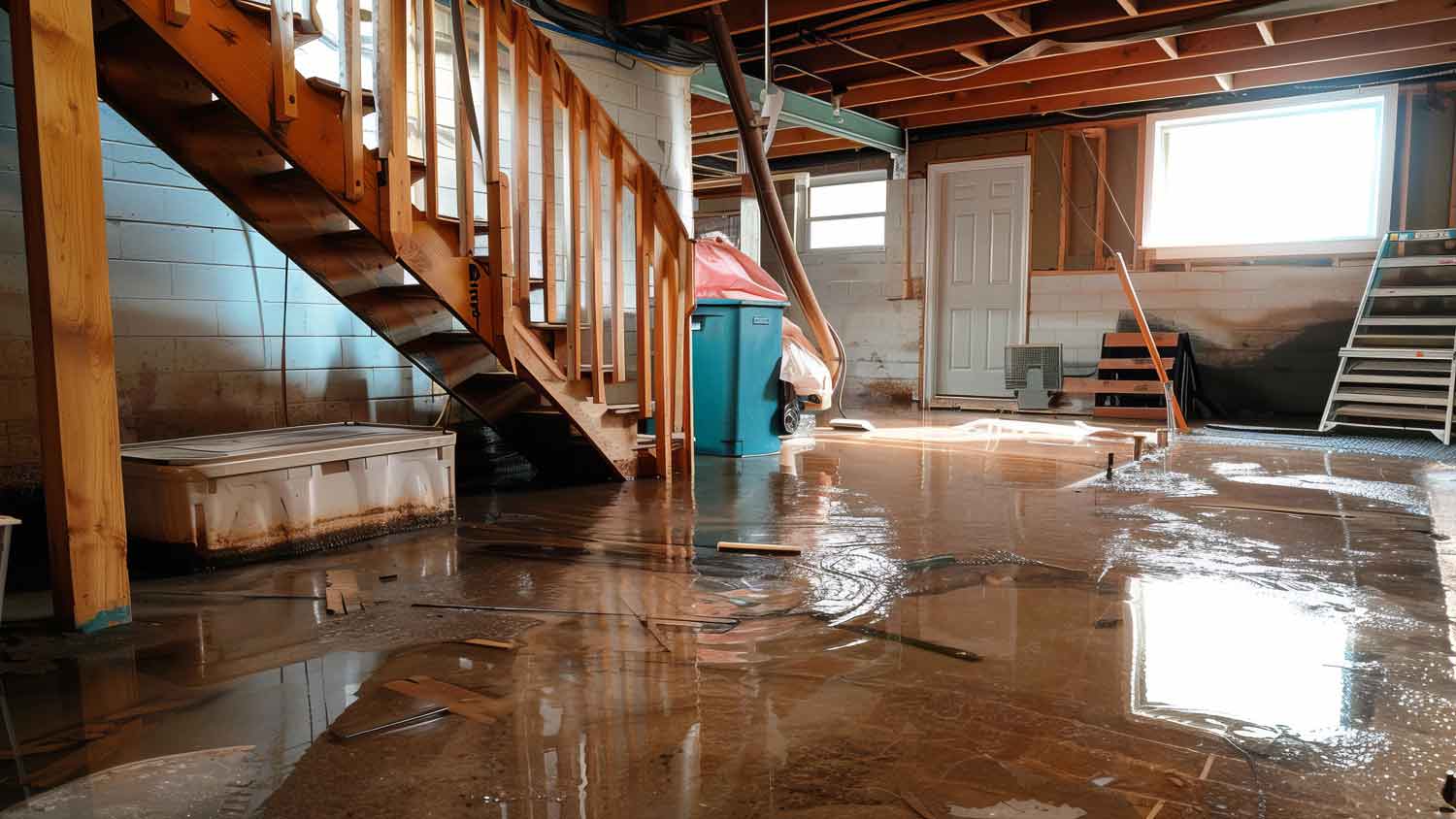
Discover flooded basement cleanup cost estimates, key price factors, and tips to save money. Learn what impacts your total cost and how to budget for cleanup.

Need to fix basement water problems or safeguard your home from damage in the future? Use this basement waterproofing cost guide to budget appropriately.
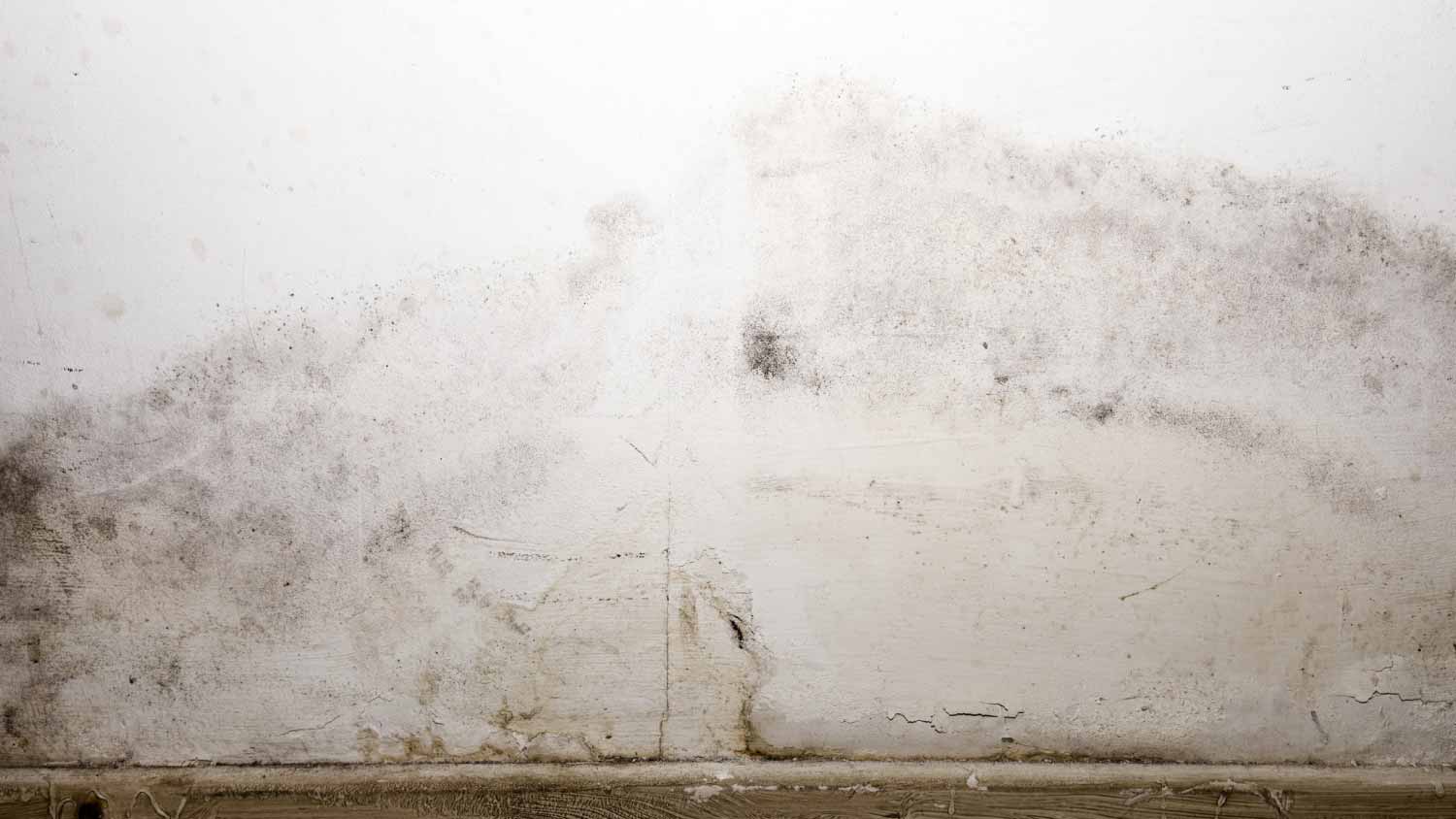
A damp, flood-prone basement is the perfect habitat for mold. Here's how to get rid of mold in your basement and keep it from coming back.

Wondering how to get rid of musty smells in your basement? Get rid of them permanently using this DIY guide and learn when to call a pro.

Where there's moisture, there's likely to be mold. Read on for tips on how to prevent mold growth in all areas of your home.