
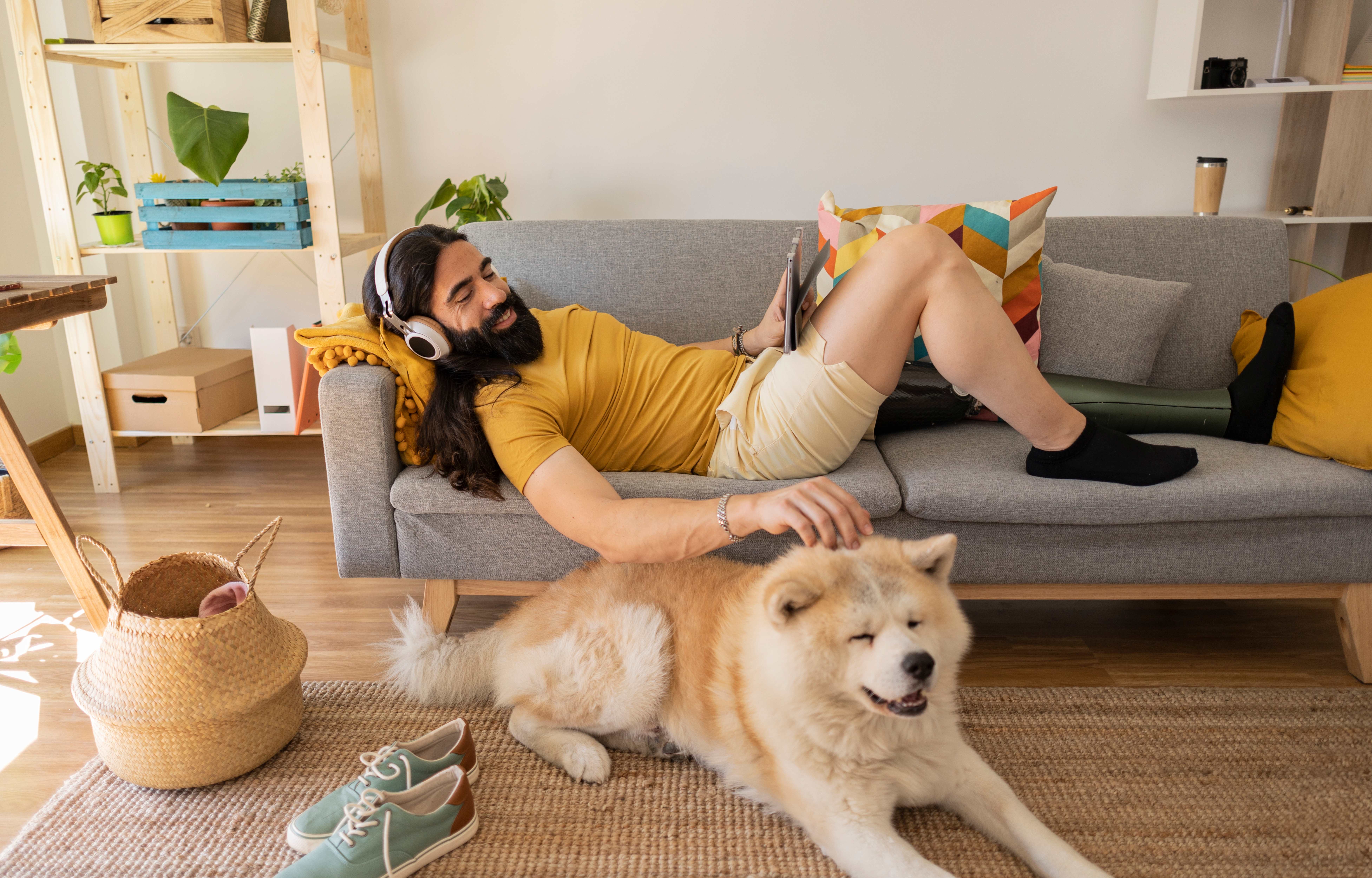
Discover the average pet odor removal service cost, key price factors, and tips to save money when hiring a pro for your home.
Minimize costs and maximize pet and child safety with this DIY floor cleaner

A DIY pet safe floor cleaner combines warm water, white vinegar, and a few drops of dish soap to clean your floors safely around children and pets.
Making your own floor cleaner saves money compared to commercial products, and you control every ingredient to ensure safety for your household.
You should always test your homemade floor cleaner on a small area first to confirm it works well with your specific flooring material.
Hiring a local house cleaning professional provides deep cleaning with commercial products two to three times annually while keeping your family and pets safe.
There’s no shortage of commercial floor cleaners available from local home improvement stores, but some homeowners prefer making their own to save money or to ensure they know there are no potentially harmful chemicals in their cleaning products. This is especially important for those who have kids or pets that might be more sensitive to heavy-duty floor cleaners. In this guide, we’ll go through a few different DIY floor cleaners you can make for a safe, clean home.
Commercial floor cleaners usually do a better job at cleaning and disinfecting, but some of them contain chemicals that cause some homeowners concern, especially if they have children or animals in the house that will come in direct contact with clean floors.
You can mitigate many of the risks of using commercial floor cleaners around kids and pets by applying and drying them properly. However, improper storage of these cleaners can cause issues and may be dangerous to children and pets, according to the U.S. Environmental Protection Agency.
Making your own floor cleaner is a great way to save money, as acquiring the household ingredients in this list is affordable and may not cost you anything if you have them already.
Before you start mixing ingredients, there are a few things to consider. First, you should always make your DIY floor cleaner specific to your flooring type. As is the case with commercial floor cleaners, what’s ideal for cleaning hardwood floors may not be best for tile floors and likely won’t work on carpet.
In general, homemade cleaners using vinegar, baking soda, dish soap, and oil are the best ingredients. Keep in mind that you’ll still need to wipe away the solution and let the area dry completely before allowing your pets back into the space. Ingesting these ingredients can still be dangerous.
On the flip side, try to stay away from bleach, ammonia, chlorine, and hydrogen peroxide.
Next, consider which type of floors you want to clean with your homemade floor cleaner, and acquire ingredients and storage containers accordingly.
Speaking of storage containers, always prepare by purchasing large containers for your floor cleaner that have good seals. While a DIY floor cleaner might be safer for children and pets, you still want to keep kids and animals out of your cleaning solutions. Invest in some high-quality containers that seal and still make it easy to apply when you’re ready to put them to use.
There are a few different ways to make your DIY floor cleaner, and the one you choose should be dictated by the type of floor you need to clean.
While it’s best to create a floor cleaner specific to the floor material, you can save time with an all-purpose cleaning solution. Mixing vinegar and dish soap is an effective way to remove daily dirt and grime from the floors. Just don’t use this mixture on natural stone floors.
Add 2 cups of warm water to a storage container.
Mix in ½ cup of white vinegar and ¼ cup rubbing alcohol.
Add a drop of dish soap to the mixture, but make sure it doesn’t contain any oils or moisturizers.
For a nicer scent, you can mix in 5 drops of lemon juice or an essential oil.
You can put this mixture in a spray bottle to make the application easier—just spray on the floor and use a mop to scrub away dirt.

Wood floor cleaners should include an oil to recondition the wood and make it shine, and it’s helpful to add some lemon juice or a citrusy essential oil to mask odors. You’ll see some sources mention using white vinegar as a wood floor cleaner, but the acidity could accelerate the deterioration of any protective finish on the floors and reduce their life span.
Mix 1 part oil in your cleaning solution storage container. Use an oil with a neutral scent, like olive oil or avocado oil.
Add 5 parts warm water. Avoid using hot water, as heat can cause wood floors to expand.
Add a few drops of dish soap to the mix if your floors are heavily soiled.
Add 1 to 2 teaspoons of lemon juice to the container.
Cap and shake vigorously before each use.
Dip a mop in the solution, wring it out, and then use the mop to clean your wood floors.
Let the solution dry on your floors.
Tile floor cleaner doesn’t come with the same risks as wood floor cleaners, as vinegar and other acidic compounds won’t damage tile. Here is how you can keep your tile floors clean.
Add 8 parts warm water to a bucket or storage container.
Add 1 part white vinegar and 1 part baking soda.
Add a few drops of liquid dish soap for deep cleaning.
Use a wet mop (not dripping) to apply the solution to your tile floors.
Let the solution dry on your floors.
Use a toothbrush dipped in the same cleaning solution to scrub the grout, if necessary.
Laminate is a relatively durable flooring material, making it easy to clean and maintain. The only thing you should be aware of is not to oversaturate the floor with cleaner, as laminate is not waterproof and could bubble or peel if it gets wet.
Mix 2 parts warm water and 2 parts white vinegar in a bucket or storage container.
Add 2 tablespoons of lemon juice or a few drops of essential oil for a fresh scent.
Add 5 to 10 drops of liquid dish soap for heavily soiled floors.
Apply the cleaning solution conservatively using a damp mop or microfiber cloth. Avoid using abrasive cleaning pads, as they can scratch laminate flooring.
Dry the floor with a dry microfiber cloth to remove the remaining moisture and cleaning solution.

Some vinyl floors are waterproof, but most aren’t. You should take care not to use too much cleaning solution or water when cleaning in case yours isn’t. Rubbing alcohol is a good addition when cleaning vinyl floors, as it assists in cleaning and helps the solution evaporate before it seeps down to the subfloor.
Add 4 parts warm water to a bucket or storage container.
Add 1 part rubbing alcohol and 1 part white vinegar.
Add a few drops of liquid dish soap if you have excessively dirty floors.
Apply the solution using a damp mop, but don’t oversaturate to make sure you avoid water getting under your flooring.
Dry your floors thoroughly with a clean microfiber cloth.
Polished concrete should stand up to more abrasive cleaning and more moisture, so you don’t have to take the same precautions you would with other floor types. Avoid using oil in concrete floor cleaners, as it will soak into the porous material and will change the look of the areas you clean.
Mix 1 part warm water and 1 part white vinegar in your storage container or cleaning bucket.
Add 1 part baking soda if you have stained sections of the floor you need to address.
Add 5 to 10 drops of liquid dish soap for a deeper clean.
Spray the solution on your concrete floor or scrub the area you need to clean with a soft-bristle scrub brush.
Let the solution dry naturally, which could take several hours.
Natural stone is a beautiful addition to any home, but it requires more careful maintenance to avoid damaging the material. Stone is porous, so you don’t want to use a dripping wet mop to remove dirt and stains. Also, stay away from bleach and highly acidic ingredients.
Add 1 ½ cups of warm water to a bucket or container.
Mix in ½ cup of rubbing alcohol.
Add 1 to 2 drops of dish soap.
To improve the scent, add 5 drops of lemon juice or essential oil.
Test a small area first to ensure the mixture doesn’t discolor the flooring or the grout.
Spray the solution on the stone floor and scrub the area with a soft-bristle scrub brush.
Homemade floor cleaners can be an effective, affordable option for cleaning your floors, especially if you want to keep commercial cleaners away from kids or pets in your home. Keeping your floors clean proactively can prolong the time you can wait between deeper cleanings. There are a few things you can do to help keep your floors clean:
Keep up with regular maintenance. One of the easiest ways to keep your floors clean is to do routine maintenance once a week. You can leave the deep cleans on your monthly house cleaning checklist, but a quick sweep or vacuum can do wonders to maintain a clean-looking floor.
Clean up spills right away. Any food items or beverages spilled on your floors and left to sit will become increasingly likely to stain. Wipe up and spot-clean any spills as soon as they happen to avoid staining.
Keep the dirt and pollen outside. Set up a space for taking off shoes and coats just inside your exterior entrances. This will help keep dirt, pollen, and other debris outside where it belongs.
Have your pets groomed. It can be hard to keep floors clean with pets. But if you have multiple pets in your home, consider having them groomed or brush them once a week outside to cut down on indoor shedding.
Cleaning your floors is an easy enough task to do yourself, provided you have the time and energy to get it done on a regular basis. You can make the DIY floor cleaners we mentioned above for an affordable cleaning solution, and as long as you have the right tools for your particular floor, the process shouldn’t take you long.
However, we do recommend having a professional come in two to three times annually to clean your floors with commercial cleaning products. A true pro will know how to use and clean up after products so that kids and pets can safely frequent the area afterward. Plus, hiring a house cleaning service near you to do those deep floor cleanings means you won’t have to store commercial cleaners in your home, a point in favor of keeping kids and pets safe.
Of course, you can also hire a professional if you just don’t have the time to dedicate to floor cleaning. A house cleaner costs more than DIY cleaning, of course, but they can even take care of weekly sweeping and vacuuming to give you more time to spend with your children and animals.
I had FabClean 614 clean my apartment, and she did an outstanding job. She was so professional and efficient. My apartment looks absolutely spotless every surface, every corner, all cleaned to perfection. Definitely highly recommend FabClean 614 if you're looking for top-notch cleaning...
 Fab Clean 614
Best cleaning I've had at my property
Fantastic group, very communicative, and they really did a great job cleaning my condo. Will be hiring them for recurring cleaning!
 eMaids of Northern Columbus
Ace Fireplace Services' chimney sweep service is truly exceptional. They used advanced technology to ensure a thorough cleaning process, and my chimney has never looked better. I highly recommend their services.
 Ace Fireplace Services
100% satisfied with the work done by Supreme Brick & Chimney. Josh responded to my Angi request very quickly and squeezed our house into his schedule only a couple business days out. The chimney cleaning process was extremely clean with ZERO dirt going anywhere besides in Josh's vacuum. Very...
 Supreme brick & chimney
On time, clean and finished fast. Windows seem sturdy and the finish is good. Caulking was done with no smudges. Would recommend.
 Window Depot USA of Central Ohio
Great job...edging and pre clean up went well with a great job with seal coat. Friendly, efficient and professional.
 All Star Paving and Sealing
Mary Cleaning Service is fantastic! The entire team is professional and pay a great deal of attention to detail. They do such a thorough job of cleaning my house. I would definitely recommend!
It was just fine. They did a good job. They cleaned what needed to be cleaned.
 Dezired Cleaners LLC
They cleaned my very dirty basement. They were prompts, quick, thorough and their price was fair.
 JDE House Cleaning LLC
From average costs to expert advice, get all the answers you need to get your job done.
Discover the average pet odor removal service cost, key price factors, and tips to save money when hiring a pro for your home.
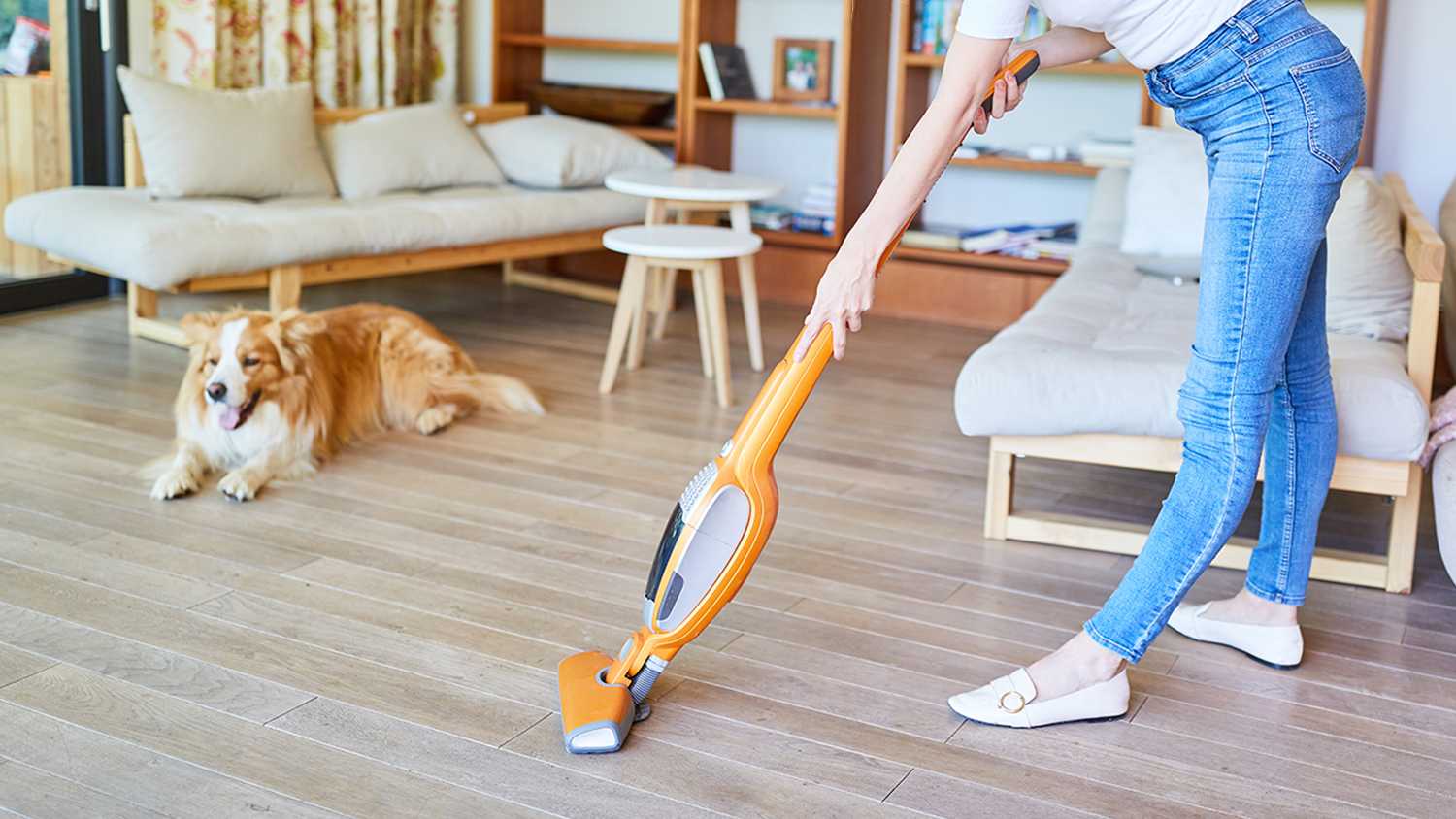
Think you have to make the “ruff” choice between having pets or a clean house? These tips will let you have your fluffs and keep your home clean, too.
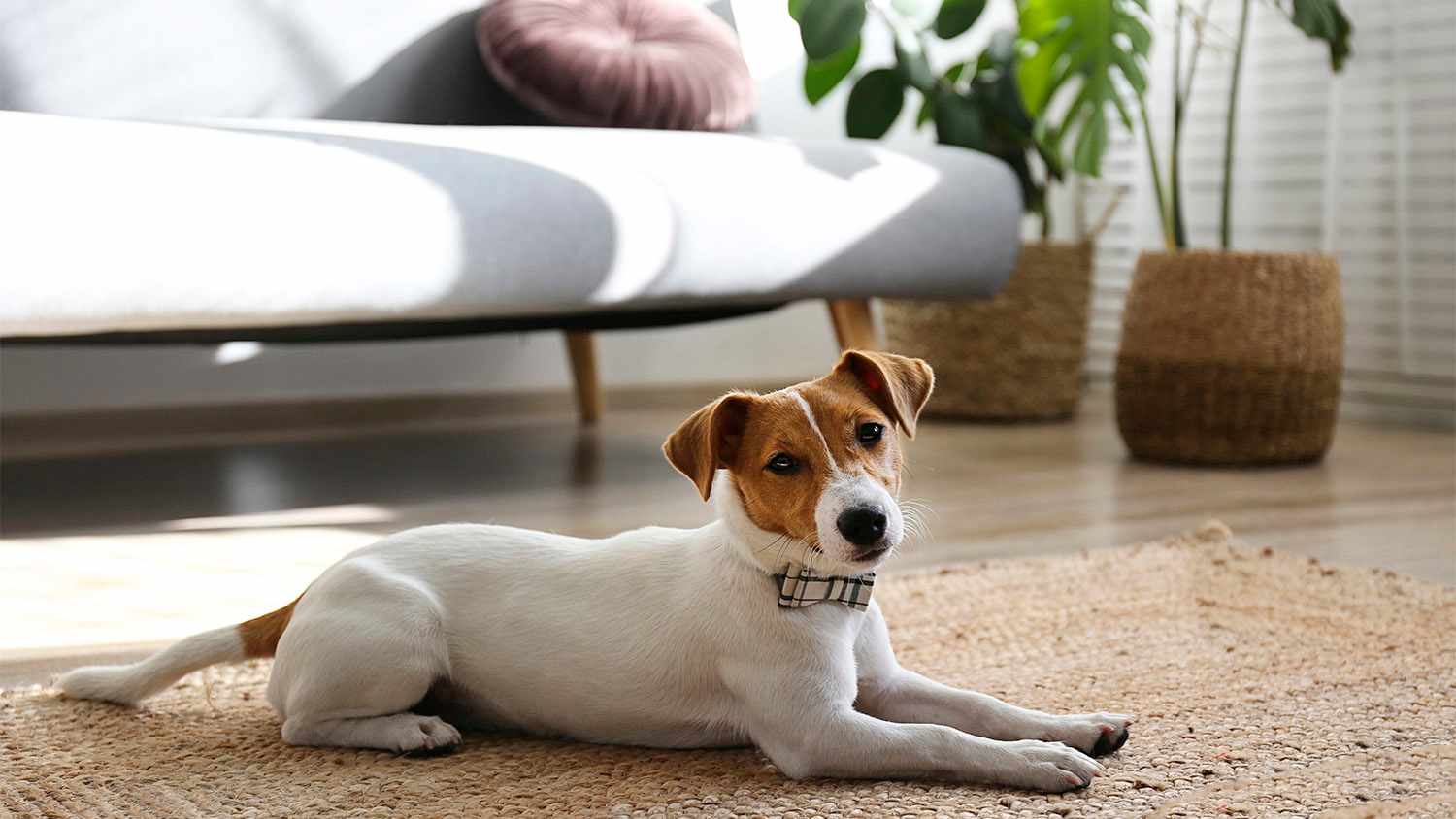
Your furry friends can wreak havoc on your carpet and floors. Check out our list of tips for cleaning up after everything from pet hair to bathroom accidents.
Pet ownership has many benefits, but the hair that gets everywhere isn’t one of them. It’s impossible to get rid of it completely, but by following these tips for the best ways to ditch pet hair, you can keep your home and clothes much tidier.
Biodegradable cleaning methods can put the shine on your floors without the fumes of synthetic ingredients. Keep reading to find out how.
Sure, we love cuddling and playing with our pets, but cleaning up pet messes is a different story. Nobody enjoys coming home to shedding or accidents. With these tips, you can clean your pet’s messes more effectively and, in turn, protect your carpets.