
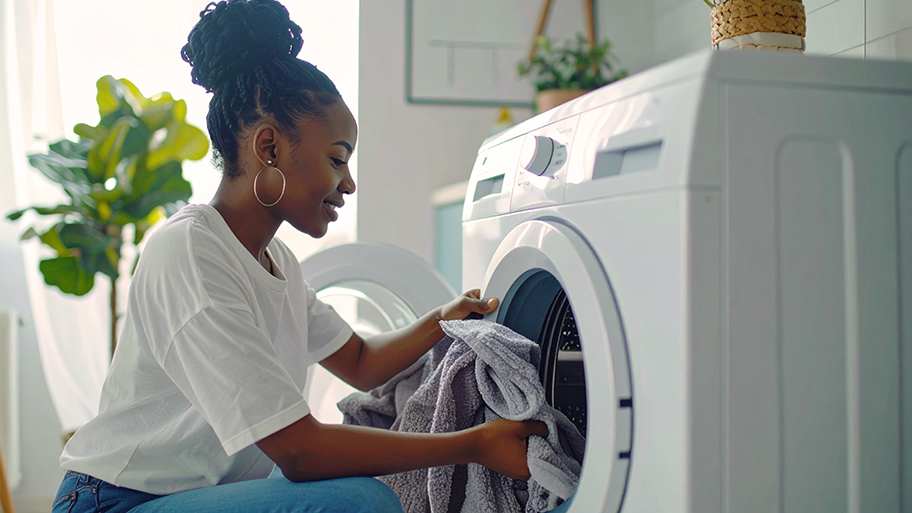
•
Discover the average washing machine repair cost, key price factors, and expert tips to help you budget and save on repairs for your home.
Here’s how to drain the drum—without making a huge mess

Cleaning the washer drain starts with identifying the clog source, which often includes soap scum buildup, lint accumulation, or even a lost sock blocking water flow.
Professional washing machine repair services cost $50 to $450 on average, and a new drain hose costs about $150 to $230 if replacement becomes necessary.
You can clear small clogs in your washing machine drain by pouring boiling water over the filter or using a baking soda and vinegar solution for stubborn blockages.
Hiring a local washing machine repair professional provides reliable help with diagnosing pump issues and clearing stubborn clogs that resist DIY methods.
So your washer conked out, huh? If your clothes are still wet after the cycle finishes, and there’s standing water in the drum, you might have an issue with the drain or pump. Luckily, most washing machine repairs are simple—this is usually just the result of a clogged drain or hose. But before rolling up your sleeves, you’ll need to empty the appliance without making a huge, watery mess. Here’s how to drain a washing machine, whether you have a front-load or a top-load washer.

If you notice water in the drum of your washing machine, you’ll need to drain the appliance manually before you can determine the culprit. Here’s how to drain water from the washing machine to get a closer look.
There are several potential culprits behind a washing machine that won’t drain, including a stuck lid, a clogged drain or hose, or a broken or jammed pump. First, check the door by opening and shutting it again fully. This may prompt the washer to start the drain cycle, making for an easy fix.
If you find that the door isn’t the problem, it’s time to inspect the washing machine drain for a clog. Soap scum from laundry detergent, lint buildup from your favorite sweaters, and even a lost sock can all clog the drain. The washing machine hoses can also become clogged with debris, but if you can’t find the clog yourself, hire an appliance repair pro to take a look.
Finally, consider the drain pipe, which has a lifespan of about three to five years. If it’s old, worn out, jammed, or otherwise broken, it prevents the washing machine from moving excess water to the drain. You’ll need a pro to repair or replace a faulty drain pipe.
If all the parts of the washing machine are in good condition, you likely have a clog on your hands. You’ll need to drain the washing machine drum and clean out the clog to fix the washing machine. The remaining steps will walk you through the process.
To drain a washing machine, start by turning off the appliance at the circuit breaker. This will help keep you safe from risk of shock while working on the machine.
Next, turn off the water supply to prevent more water from flowing through the pipes while you work. Locate the water supply valves for the appliance, which are typically located right behind the washer. Turn both the red and blue water valves counterclockwise to shut them off.
Before you drain the machine, locate where you’ll be draining the water from, which is either the drain pipe or filter.
In a front load washing machine, you’ll find the drain pipe and filter behind a panel on the lower front of the machine. Some panels will just detach from the front of the machine, while others may require you to use a screwdriver.
For a top load washing machine, you’ll find the drain pipe, which is usually gray, behind the washing machine, often toward the bottom of the washer. Make sure you don’t confuse the drain pipe with two other hoses behind the machine: the blue cold water hose and the red hot water hose.
When you go to drain the washing machine, you’ll need a container to catch the water, plus a towel to keep any from spilling on your floors. Lay down a towel and place a bucket in front of a front load washer. For a top load washer, place the towel and bucket near the drain pipe.

Once you’ve identified the drain pipe and filter and readied your towel and bucket, it’s time to start draining the washing machine.
For a front load washing machine, you may have a drain filter or a filter and a drain pump. If you only have a drain filter, slowly turn the knob counterclockwise to release water into the container. Once emptied, turn the knob clockwise to shut it off. For machines with a drain filter and a drain pump, unclip the tube and remove the end cap to release the water. Replace the end cap and reclip the hose once emptied.
With a top load washing machine, disconnect the drain hose over the bucket, allowing it to drain. When the bucket fills up, reconnect the drain hose. Empty the bucket into a sink basin, and repeat the process until all the water has drained.
Now that you’ve emptied the water from the machine, it’s time to see if you can find the clog in order to clear it. If you have a top load washing machine, the clog is likely in the drain pipe. If you have a front load washing machine, the clog is probably in the drain filter.
However, if you’ve drained the washing machine and don’t see signs of a clog, there could be a more serious problem with your washing machine, such as a broken part. Hire a local washing machine repair company to inspect and fix the washer.
If the drain pipe is clogged, use a snake to remove the debris. Repeat until you clear out the clog. If the drain filter is clogged, gently scrub it with a soft-bristled cleaning brush and warm water.
After the clog is clear and the filter is clean, replace the filter and reconnect any disconnected drain hoses. Turn the water supply valves back on, then restore power at the circuit breaker. Run a cycle; if the washing machine still doesn’t drain properly, it’s time to call in a pro.
Once you drain the washer and clean the drain hose or filter, keep up with regular washing machine maintenance to avoid more clogs in the future. Continual debris and buildup can strain your machine if you don’t clean the washing machine regularly.
For small clogs, boiling water can help loosen or degrade material in the filter. Simply pour boiling water over the drain to wash away grease and other oily substances that are notorious drain-cloggers.
If you try the boiling water trick to no avail, you can use baking soda and vinegar to clear a small clog in the washing machine’s drain. Here’s how to leverage this tried-and-true cleaning combo for your washing machine clogs:
Dump one box of baking soda into the drain.
Pour three cups of distilled white vinegar into the drain.
Cover the drain pipe as the fizzy reaction occurs.
Remove the plug.
Pour boiling water into the drain to remove the clog fully.
You can prevent many clogs by catching the lint before it reaches the drain. Place a lint catcher over the drain hose or use products meant to drop right in the drum with your laundry loads. If you use a permanent lint catcher, remember to clean it every so often.
According to Angi customers, about 21% of washer and dryer problems involve a system that doesn’t work at all. Other commonly cited problems include being too noisy and not draining properly, at 10% each.
You can drain a washing machine yourself affordably, but you may need to pay for replacement parts if the pump or hose is damaged. While draining a washer yourself can be cost-effective, there are situations where professional assistance is advisable.
Home projects that involve water are risky. One wrong move can cause severe water damage to your home. If you have an appliance—such as a washer or dishwasher—with severe drainage issues, we strongly recommend hiring a professional to repair it.

If your washer isn't located on the first floor of your home, the risk of water damage to floors or ceilings might outweigh the savings of a DIY approach. Additionally, if you're unfamiliar with appliance repair or lack the necessary tools, hiring a washing machine repair pro ensures a safe and efficient solution without the potential for further damage or complications.
A new washing machine pump costs $30 to $40, and a new hose costs about $150 to $230. Professional washing machine repair services cost $50 to $450 on average. Some other expenses you may also need to plan for can include:
Replacing a hose: If the clog has caused damage to the hose, you might need to spend between $150 to $230 for a new one. High-quality, reinforced hoses tend to be on the higher end of this price range.
Replacement parts: In some cases, the clog might have caused damage to other internal components of the washer, such as the motor or control board. The cost of these replacement parts can vary widely, from $50 to several hundred dollars.
Emergency services: If your clogged washer is causing a significant water leak or other emergency, you may need to pay extra for emergency repair services, which can add to the overall cost.
Positive experience. As previously stated, the replacement/repair could not be completed (no fault of the plumbing tech) b/c misinformation was rec?d by property management maintenance. Thanks to the plumbing tech for your efforts. Appreciate you!
 The Waterworks
Carpet repair done well. Scheduling was easy. Showed up on time.
 BR Flooring Installation
As usual with ECO, tech Jordan was outstanding, very professional, very knowledgeable, and very thorough with repairs made to tankless water heaters. Very highly recommend ECO!!!
 Eco Plumbers, Electricians, and HVAC Technicians
I would recommend this company to anyone! He showed up on time, was friendly, completed a very difficult repair on our dryer vent cover, was responsive, and pricing was extremely fair and competitive. I would have him back to do any of our repairs or cleanings without hesitation!
 U.S.A. Dryer Vent, LLC
Everything from initial contact to completion was absolutely top notch. We contacted the business during off hours to leave a message, and the owner still reached out to feel out the issue within minutes. We were scheduled and repaired within 48 hours. I cannot say enough about the...
 Supreme brick & chimney
Ace Fireplace Services came to the rescue for my chimney repair. They were quick to pinpoint the issue and worked their magic to fix it. My chimney is now in excellent shape, and I'm a satisfied customer.
 Ace Fireplace Services
On Sunday 2/26 I requested quotes via Angi from 4 refrigerator repair businesses. Northwest Appliance responded to me Monday morning (2/27) and my refrigerator was repaired by noon the same day. Great communication, they did everything they said they would. The technician had the parts on...
Excellent! We were very satisfied with the service provided and the entire experience from start to finish. Very friendly and professional staff. I was able to instantly get in contact with them for a quote and the response time and overall communication remained quick and easy throughout the...
 Prime Cleaning Service
Description says they handle window repair including rotten hardwood - they called me back right away but didnâ t leave a voicemail. I followed up 3 days later and they said they donâ t do that kind of work.
 Window-Gurus
I needed reliable, affordable help the day of with moving a couple of appliances and misc items. It was a relief to hear back from Tanzillo almost instantly that morning so I could stop looking and move on to plan and prepare. Every part of the move was friendly and professional. Next time I...
 Tanzillo Concrete & Landscape
From average costs to expert advice, get all the answers you need to get your job done.
Discover the average washing machine repair cost, key price factors, and expert tips to help you budget and save on repairs for your home.
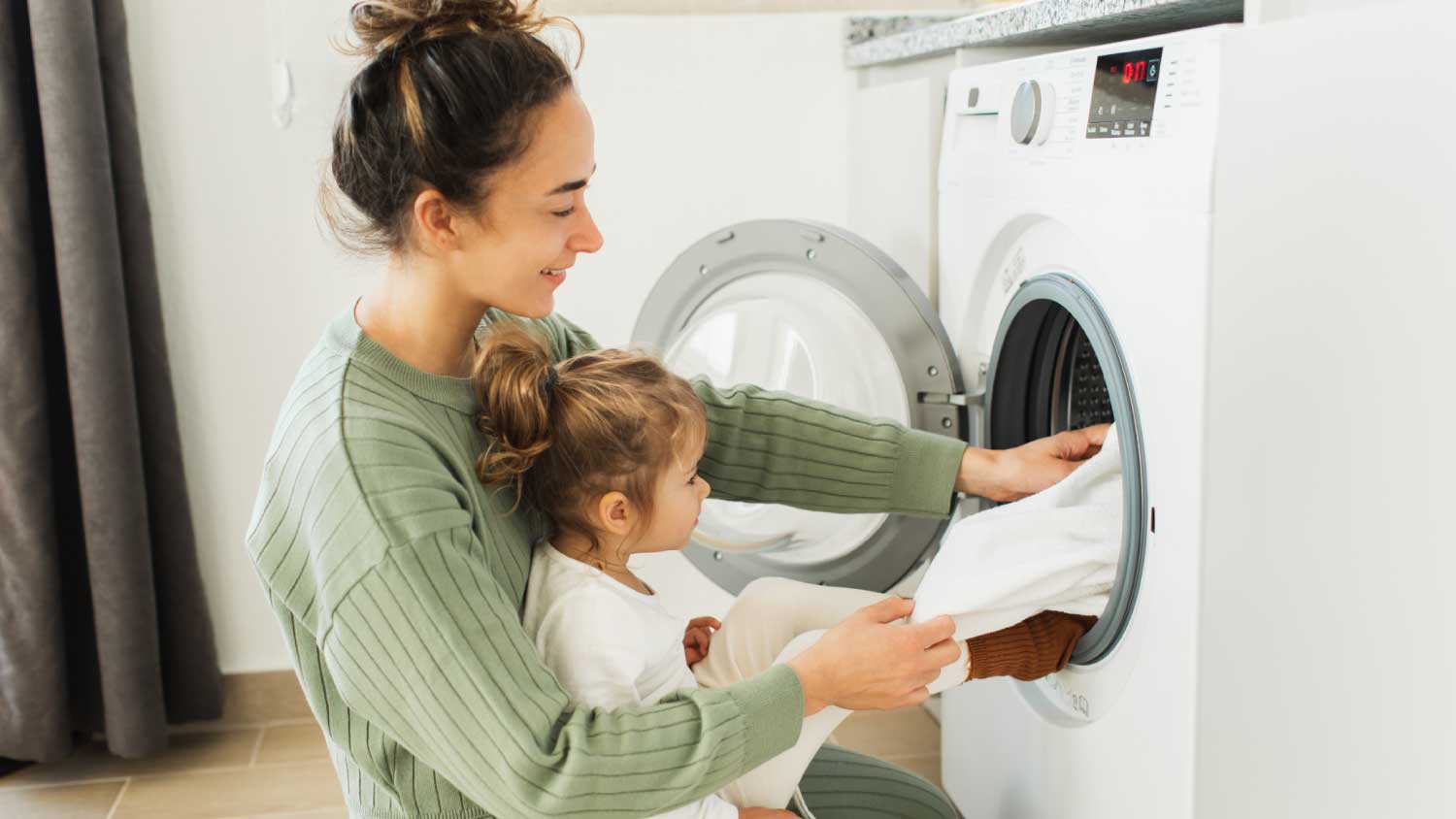
A frozen washing machine drain can interrupt your laundry routine. Learn what to do when your washing machine drain is frozen and how to prevent it.
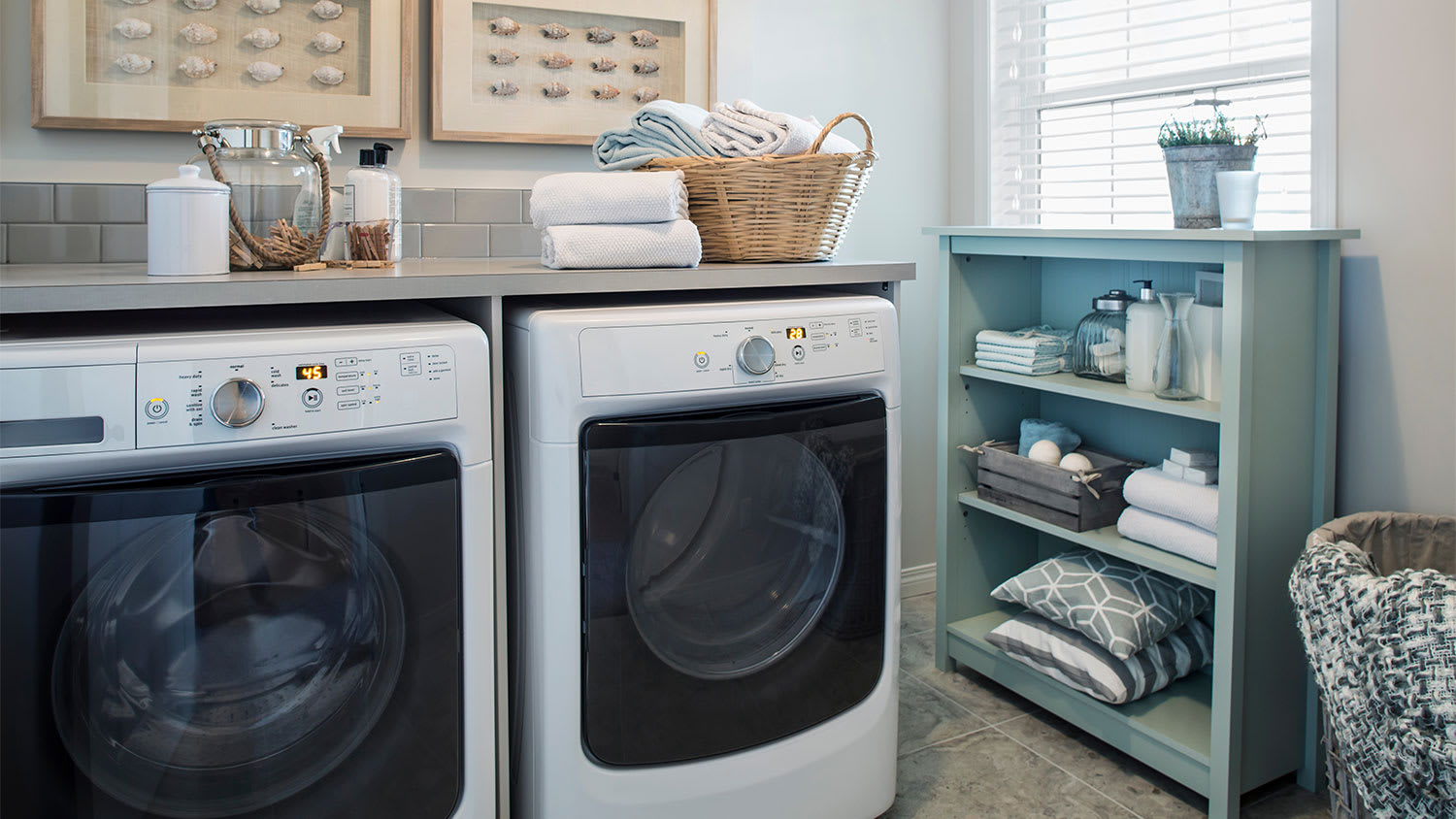
A leaking washing machine can cause big problems like water damage, so make sure your washing machine drain is up to code with this helpful guide.

Learning how to install a washing machine standpipe drain is not the most complicated task, but you need to follow the steps precisely to ensure nothing leaks or breaks.
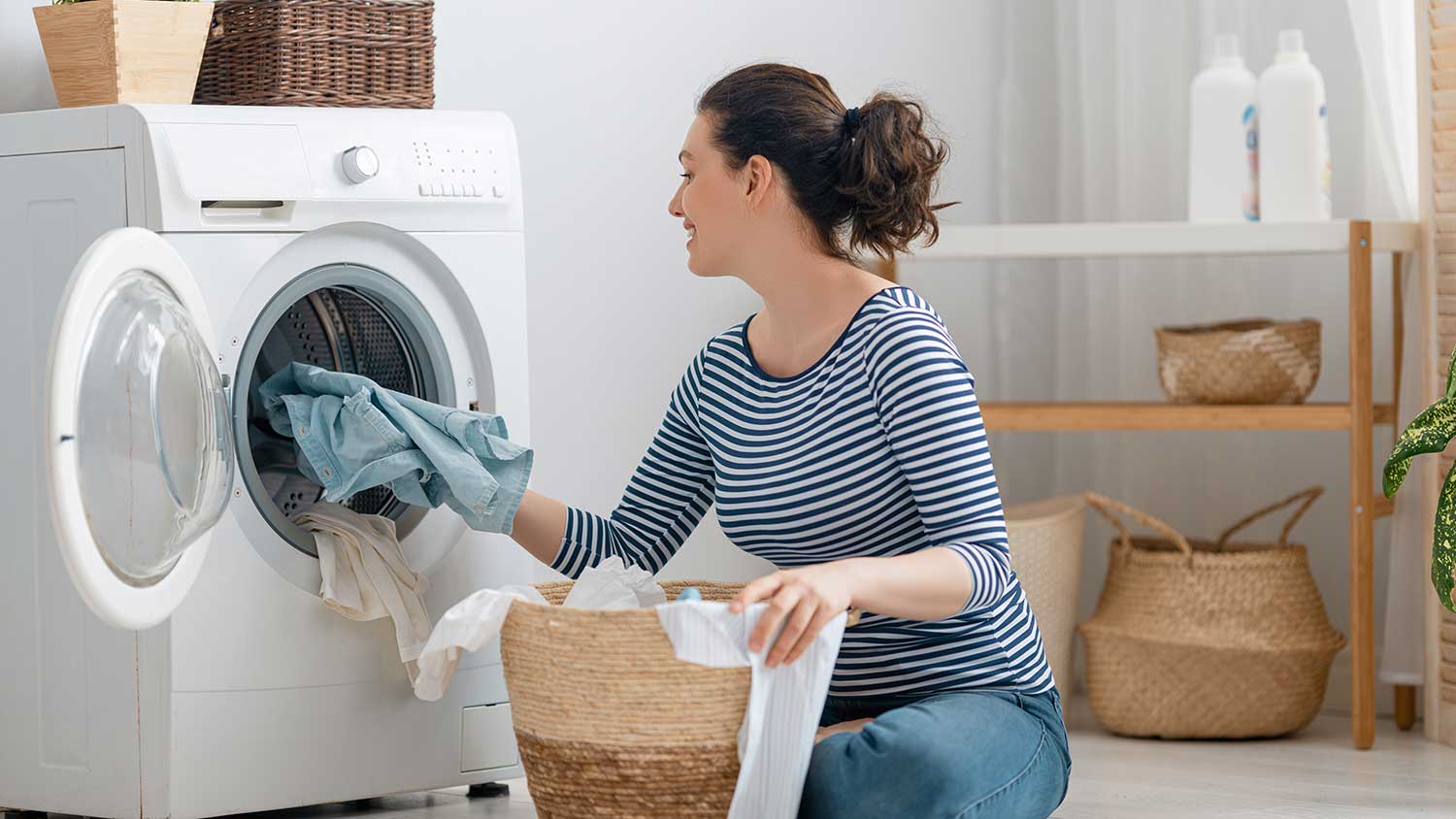
Keep standing water and water damage from a clogged laundry drain at bay with this guide. Follow these steps for how to unclog a washer drain.
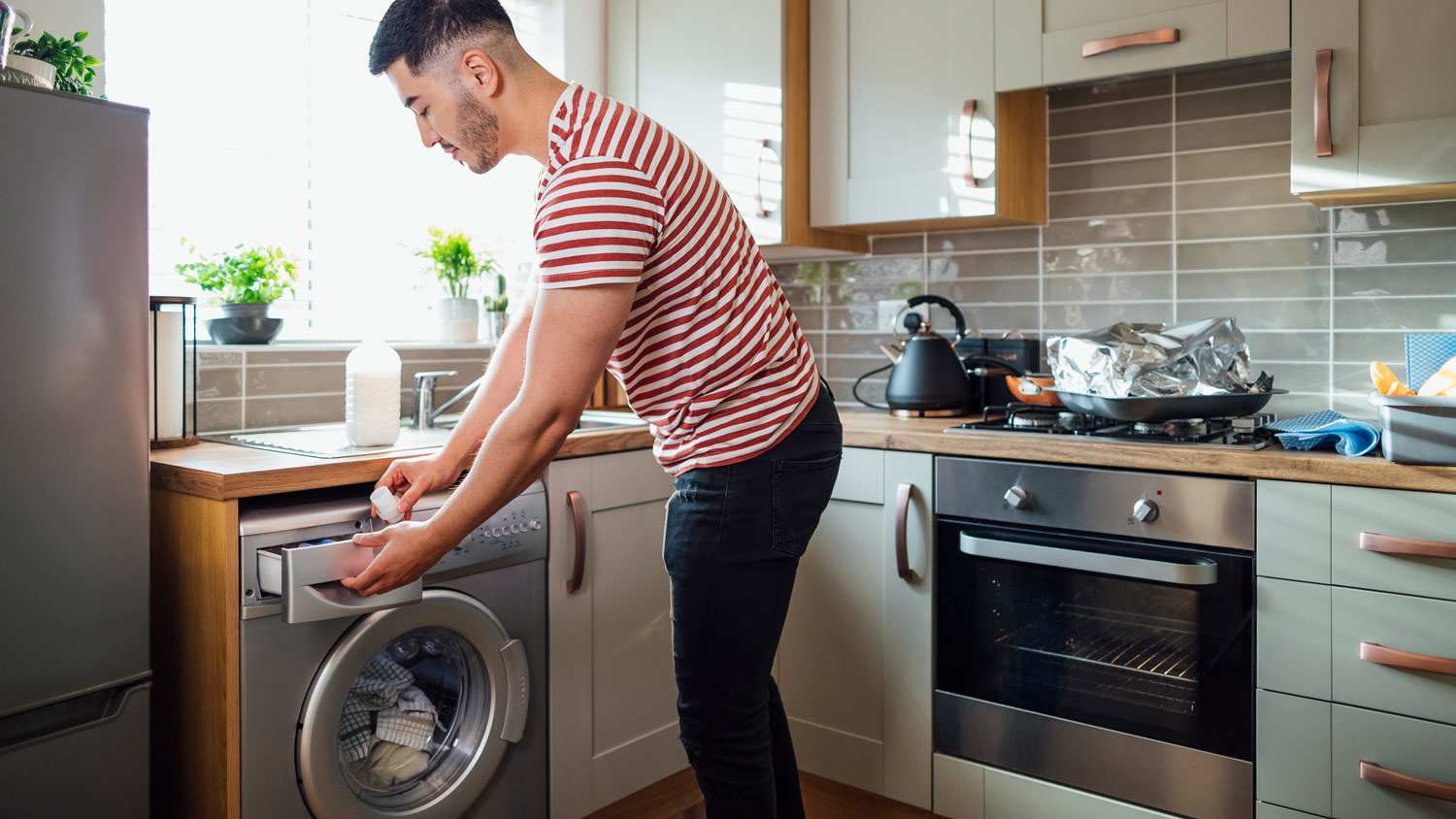
Although knowing about the parts of a washing machine might not seem essential, having this information will set you up for easier repairs.