
•
Discover the cost to winterize a sprinkler system, including average prices, key cost factors, and tips to save. Learn what impacts your estimate and how to budget.
Learn how to clean and store your planters so they survive the winter.

Flower pot storage for winter starts with knowing your material: terracotta absorbs moisture and crumbles when frozen, while high-quality plastic or glazed ceramic pots handle cold better.
You can protect your delicate pots by emptying them completely before moving them to a garage, shed, or covered space where freezing water won't cause damage.
Stacking your pots upside down prevents water from pooling inside, and storing them under a roof or tarp keeps weather from shortening their lifespan over winter.
Hiring a local gardening professional provides helpful guidance on preparing outdoor containers and planters for winter, so your pots stay in great shape for spring planting.
As the weather gets cooler and the plants in your outdoor containers are dying back, it’s time to think about storing flowerpots for the winter. Proper care of your outdoor containers helps ensure they last a long time, continue to look beautiful, and don’t overwinter disease and pest problems. Proper care depends on the type of planter whether you plant flowers in large planters or smaller ones. Dig into this information on how to clean and store various planters.
Consider the planter when determining how to store (or not store) it for the winter.
Plastic planters

There are many grades of plastic pots available now, from the flimsy nursery pots to designer pots that can stand the test of time. The cost of the plastic pot should be an indicator of the quality, with less expensive pots being prone to cracking or fading in just a few seasons. More expensive pots are created to last much longer and perform better in the winter months.
When you purchase high-end plastic containers, which can also be identified as resin or fiberglass, look for included information on the features and required care for the individual pots. Some can be sturdier than any other outdoor material and are perfect for overwintering.
Self-watering pots
Many pots now come with a self-watering reservoir that allows the plant pot itself to store water in the heat of the summer months. In the cooler winter months, this can be fatal for plants and the pot itself if the reservoir doesn’t drain properly and freezes over winter.
Concrete and metal plant pots

Metal will rust or discolor over time, but is generally stable in the garden with temperature changes.
Wood planters

Softer wood, like pine, will not fare as well over winter and will break down more quickly. If you have decorative planters made from softer wood, it’s best to move them in for the winter.
Terracotta pots

While beautiful in the garden, terracotta is not winter-hardy. The porous clay absorbs moisture, and if it freezes, it will crumble when it thaws.
Ceramic pots

Ceramic pots that are glazed can have a longer life outdoors and a better chance of surviving through the winter. Ceramic pots with a thick glaze around the lip of the pot are usually suitable for overwintering.
Check the product information for instructions on outdoor use. Or to be safe, put the flowerpot away for winter.
When you have determined if your container can be left in place or needs special care for the winter, you can then begin your fall cleanup.
Empty delicate flowerpots and self-watering pots before moving them to a garage, shed, or covered outdoor space. Remove any excess soil with a stiff-bristled brush.
Gently power wash concrete and wood planters. Test a small area of the planter first to ensure that the power washing setting is not so high that it will damage the finish.
Terracotta pots look lovely as they weather and moss grows on them. Using a bristle brush to clean them will remove most of the soil but keep the natural patina.
Plastic pots, pots that have had vegetable crops growing in them, or pots where the plants had a disease or pest problems should be washed with soap and water before storing to prevent disease and pests from overwintering. Brush the soil off of the pots first, and then hose them down or power wash the pots. Add biodegradable dish soap to a bucket of warm water, and use a sponge to wash the pots. Rinse with the hose and let dry completely before storing.
Break any pots in the process? Instead of throwing broken pots away, keep them to make a broken pot miniature garden or use as a decorative element in the flowerbeds. Pieces of broken ceramic pots also make good drainage for outdoor containers.
Once your pots are cleaned or prepped for winter storage, the next step is to find the right spot to store them. If you have a garage or garden shed with room to store flowerpots, then this is the ideal location. You can also use a protected area of the yard, such as a covered carport, under the deck, or even under the eaves of the house. In absence of a roof, you can cover pots with a piece of plywood and drape a tarp over them for weather protection.
Stack your pots upside down so that water doesn't pool in them, even if they have drainage holes. Stacked pots can look decorative in a covered spot in the garden, especially if you add other outdoor decor.
Most pots can be stacked without issue and can be separated by gently tapping the side of the pot to release them. Decorative glazed ceramic pots and more ornate plastic pots should not be stacked, to ensure the finish isn’t damaged.
With these tips, you should have beautiful flowerpots ready to plant as soon as the spring thaw begins next year.
Do you have any tips for preparing your planters for the winter? If so, share them in the comments section below.
Amazing job. Efficient and quick without compromising quality. Basement feels brand new. Would use them again in a heartbeat.
 AffordaPro Restoration
This company went above and beyond with their work, chimney sweeps are usually pretty messy, but the clean up was spot on.!! Josh explained every thing that he was doing, and the things that he was checking to make sure the chimney was safe for me and my family. He was very professional,...
 Supreme brick & chimney
Flawless finish and exceptional service. Custom Paint Jobs LLC is the only choice for me.
 Custom Paint Jobs, LLC
Window Depot did an amazing job on my deck. I wasnt sure what I wanted to do, but their composite decking was affordable and will last a long time. I am excited to have family over, and I am no longer embarrassed by my backyard. Jeff and the ground crew were polite, respectful, and caring for...
 Window Depot USA of Central Ohio
Wonderful company to work with. Very easy to get in touch with and communicate with. The cleaners do an excellent job and pay close attention to detail. Fair pricing, always dependable which I truly appreciate. They show up when they say they will, and my home is immaculate when they finish....
 Sparkle Machine Clean Co.
I definitely recommend Ramonaâ s cleaning service! I have booked services with her many times and she arrives on time, ready to work and provides a great service.
 Your Cleaning Solutions LLC
Great job...edging and pre clean up went well with a great job with seal coat. Friendly, efficient and professional.
 All Star Paving and Sealing
Good workers and they do a good job.
 Mira Construction
Fantastic! Top Line was early for the appointment and very knowledgeable and took time to explain everything they had found during the home inspection. The report included clearly defined issues and what they recommended to remedy the same. The report also included many pictures to help...
 Top Line Home Inspections, LLC
They cleaned my very dirty basement. They were prompts, quick, thorough and their price was fair.
 JDE House Cleaning LLC
From average costs to expert advice, get all the answers you need to get your job done.
Discover the cost to winterize a sprinkler system, including average prices, key cost factors, and tips to save. Learn what impacts your estimate and how to budget.

Learn how to winterize a patio to protect your outdoor space from cold temperatures and prep for the start of spring.
Tired of tangles? Learn how to store Christmas lights without damaging them to ensure next year’s decorating goes smoothly.
Our ultimate winter home maintenance checklist explains exactly what you need to do to prepare your home for cold weather conditions.
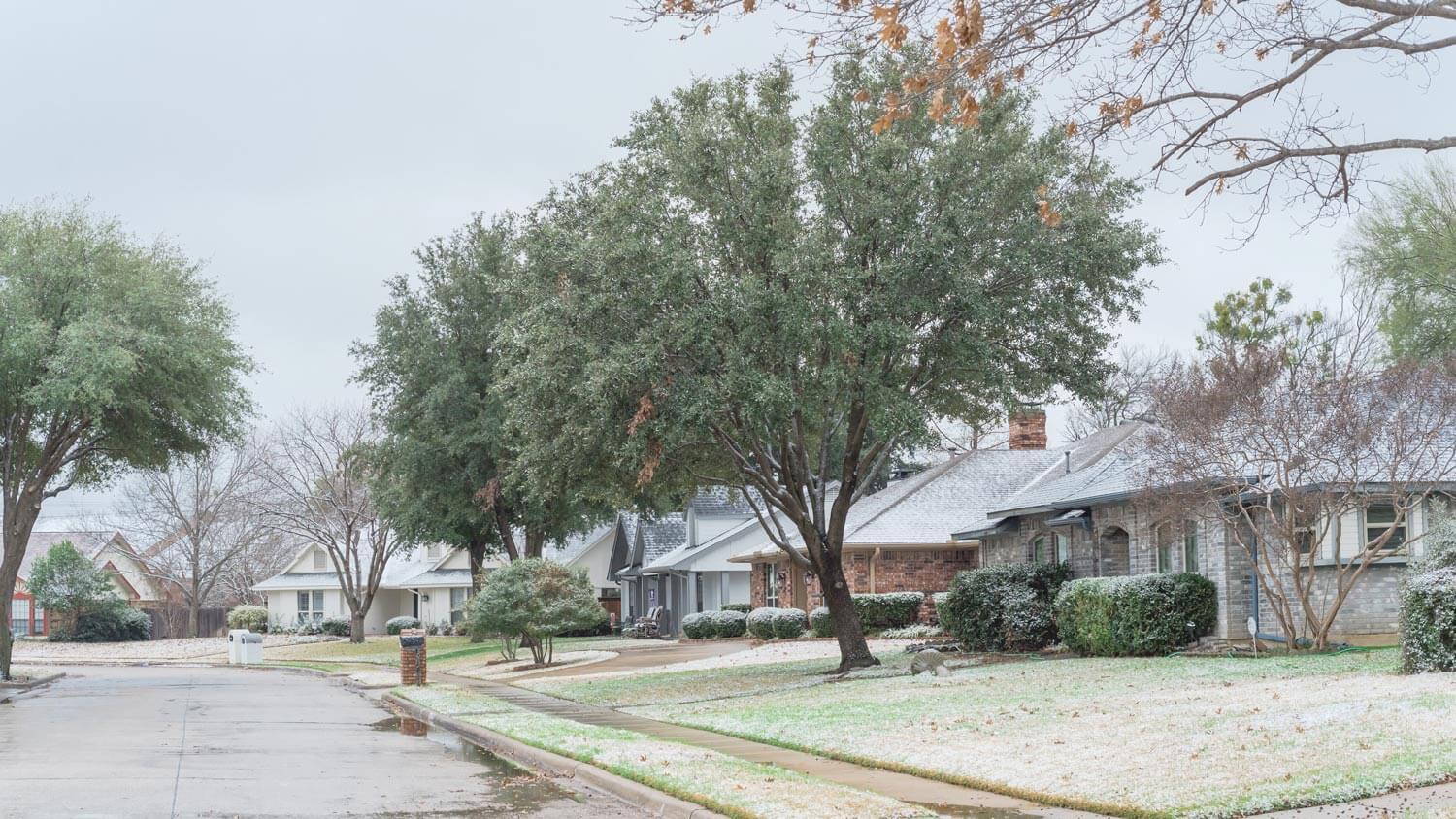
Want to prepare your lawn for winter but need help figuring out where to start? Find out what preparing your lawn for winter takes here.

Not sure how to winterize a house for the fast-approaching winter? Learn what necessary tasks to complete with this comprehensive checklist.