
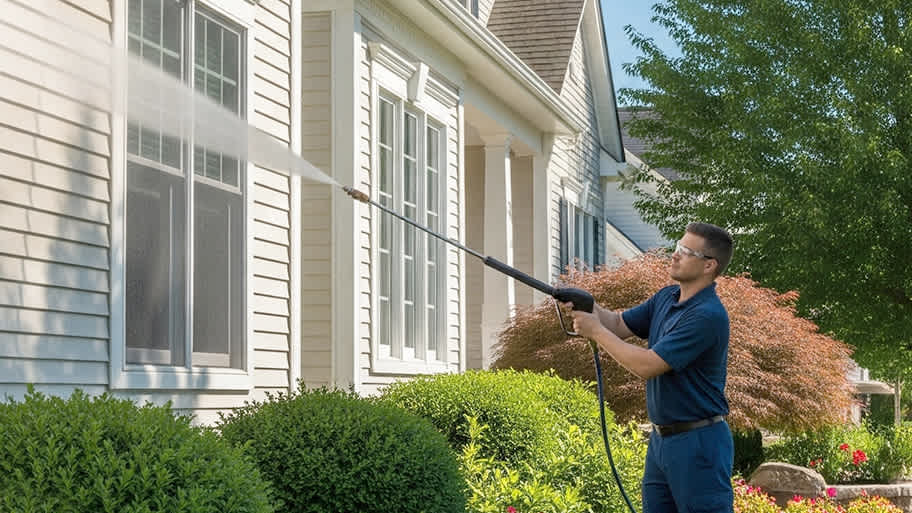
Need to breathe new life into your dirty siding and trim? Explore the cost to pressure wash a house to boost your curb appeal instantly.
Wash away any doubts about when to tackle this chore

Power washing a house once per year boosts your curb appeal and protects your siding from dirt buildup that can cause damage over time.
Expect to pay $150 to $1,400 for professional power washing, with costs reaching $1,800 or more for larger or multi-story homes.
Spring and fall offer the best conditions for power washing your home, with mild temperatures between 40 and 75 degrees and dry weather for optimal results.
Hiring a local power washing professional keeps your siding safe from damage while delivering a thorough clean that extends the life of your home's exterior.
Power washing the house is a big chore, and it’s easy to want to push it later and later on your calendar. You may wonder how often you should power wash your house or how long you can put it off between washings. Don’t delay this task on your to-do list too long, otherwise the dirt buildup could actually cause damage to your siding. Instead, here’s what to know about how often to power wash your house and the best time of year to tackle this chore.
You should power wash your house once per year to boost your curb appeal and extend the life of your siding. However, if you live somewhere with higher pollution levels or with a lot of precipitation, power wash your house twice per year. How often you power wash your house also depends on the exterior material because there are some materials you should never pressure wash or power wash, like brick.
The best time to power wash your house is in the spring (March through June) or early fall, when temperatures are not too hot or too cold.
| Season | Pros | Cons |
|---|---|---|
| Spring | Mild temperatures, less risk of mold or mildew growth | Rainy weather |
| Summer | Warm, sunny weather | High demand for pros and rentals, higher prices |
| Fall | Mild temperatures, lower demand | Rainy weather, leaf debris |
| Winter | Little demand, low prices | Cold temperatures can damage the power washer, uncomfortable to power wash in the cold |
Choose a day when temperatures are between 40 and 75 degrees Fahrenheit for your comfort and to keep the machine running smoothly. Try to power wash on a dry day so that any precipitation doesn’t interfere with your cleaning.
While summer’s sunny weather and warm temperatures are great for power washing, all your neighbors will probably be power washing around that time, too. That can make it harder to book a power washer rental or hire a pro, and costs could be higher during peak demand.
Be prepared to discuss your home size, number of floors, and home layout with your pro.
Mention what materials you have on or around your home that you want pressure washed.
Ask your pro if they use cleaners and ensure they’re safe for use around plants and pets, if applicable.
Discuss any add-on services you want, like soft washing for your roof, concrete sealing, or gutter cleaning.

Knowing when and how often you should power wash your house depends on several factors, from the weather to the type of siding you have.
Some materials, like composite siding or metal, are durable enough to withstand more frequent power washings twice per year. Vinyl siding does well with power washing once per year.
There are some materials you should never power wash, especially brick and masonry. These materials can crumble or loosen if you power wash them. Similarly, using a power washer on wood can strip it of any sealant or stain and cause it to split or warp. Add a pressure gauge to your power washer to make sure you’re using the right amount of pressure for the job at hand.
When temperatures are too low, the water could freeze and damage the power washer. If temperatures are too high, it could be uncomfortable to work in waterproof rain gear, gloves, and other protective equipment.
Power washing a house while it’s raining, sleeting, or snowing can reverse all of your hard work, so you won’t get to see that oh-so-satisfying power washing before and after. As you move the power washer wand along the house to remove grime, the precipitation will leave behind streaks of dirt. Wait for a dry day to power wash your house.
If you live somewhere that gets a lot of air pollution, you may find yourself needing to power wash the house more often. Air pollution can cause more grime to collect on your siding, and it’s important to wash it off at least a couple of times per year to extend the life span of your home’s siding.
You’ve selected a beautiful spring or fall day to power wash your house, but at what time should you power up the machine? Start earlier in the day so that the midday sunshine has enough time to help dry the siding and any other parts of the house you power wash. If you start late, the moisture could remain on the siding for longer, and that could leave water spots behind and encourage mold or mildew growth.
The worst time to power wash a house is in the winter for several reasons. For one, you’ll power wash the house only to have it battered by rain and snow, which is sure to leave streaky dirt and debris behind throughout the season. Not to mention, it can be pretty uncomfortable fumbling with a power washer when your hands are shaking from the cold.
Another issue with winter power washing is freezing temps. Using a power washer when the temperature dips below 32 degrees Fahrenheit means that the water could freeze, causing issues with the machine or leaving your house covered in frost.

Power washing a house costs an average of $150 to $1,400, depending on the size of the house, the number of stories, the material of the siding, and whether you DIY or hire a pro to finish the job. For larger or multi-story homes, the cost may reach $1,800 or more.
You can DIY pressure or power washing if you have the right equipment and take the necessary precautions to avoid damaging your siding. Handling this job could save you around $50 to $150 per hour in labor costs, but if you don’t already have a power washer or PPE, the cost could add up to around $140 to $1,450 or more.
| Required DIY Supplies | Average Cost |
|---|---|
| New power washer | $100–$1,000 |
| Power washer rental | $35–$175 per day |
| Goggles | $5–$40 |
| Respirator | $30–$50 |
| Gloves | $10–$30 |
| Non-slip waterproof boots | $25–$150 |
| Rain suit | $20–$100 |
| Tarps | $5–$30 each |
| Power washer detergent | $10–$20 per bottle |
If you don’t want to buy all the equipment to power wash your house or you’re worried about ruining your siding, skip the DIY and leave this job to a power washing pro near you. If you make a mistake, you could spend hundreds or thousands of dollars on siding repairs, but a pro will know how to get your home looking fresh and clean without causing any damage.
I would recommend this company to anyone! He showed up on time, was friendly, completed a very difficult repair on our dryer vent cover, was responsive, and pricing was extremely fair and competitive. I would have him back to do any of our repairs or cleanings without hesitation!
 U.S.A. Dryer Vent, LLC
Best cleaning I've had at my property
The technician was very professional and friendly. He answered all my questions and was very thorough. He left the fireplace area very clean . He inspected from the roof and advised me as to other work that might need to be done. There was no pressure there. I was very satisfied with the...
 Supreme brick & chimney
Mary Cleaning Service is fantastic! The entire team is professional and pay a great deal of attention to detail. They do such a thorough job of cleaning my house. I would definitely recommend!
The workmanship is perfect, I did not have any complaint with that. It was the brick I chose not matching the brick that want I to use. There was a problem with discoloration of the brick. I thought that the rain was gonna wash it off but it didn't. I call them. All communication was coming...
 Bone Dry Roofing & Masonry - Cincinnati
I purchased the "Big Deal": $199.00 for exterior pressure-washing of one- or two-story home up to 2,000 square feet. They cleaned the siding only. I wasn't aware when I bought the Big Deal that they would not do any other surfaces other than the siding (i.e. sides of the gutters or stucco). I...
 Complete Home Services
From the initial sales presentation to the installers final clean up, this project was a total pleasure. Gary Coper, sales consultant, showed up exactly on time and provided an informative, no pressure description, of every material and step required to complete the remodel. We were always in...
 Simple Bath & Simple Kitchen
They were prompt, careful and thorough. I have also had them wash interior floor to ceiling windows which were perfect.
 Technicare Carpet Cleaning
The work went great! Couldn't ask for better. Joel set a work start date. About the time of the storms that may have been associated with Sandy. He was half a day late. They set up on a Thursday. On Friday they had a full crew at work. By Monday they were finishing up. Now, the best...
 NJW Construction
No hassle, no pressure, no mess left in my basement. ...and now I have a better understanding of our furnace.
 KNOW Heating
From average costs to expert advice, get all the answers you need to get your job done.
Need to breathe new life into your dirty siding and trim? Explore the cost to pressure wash a house to boost your curb appeal instantly.
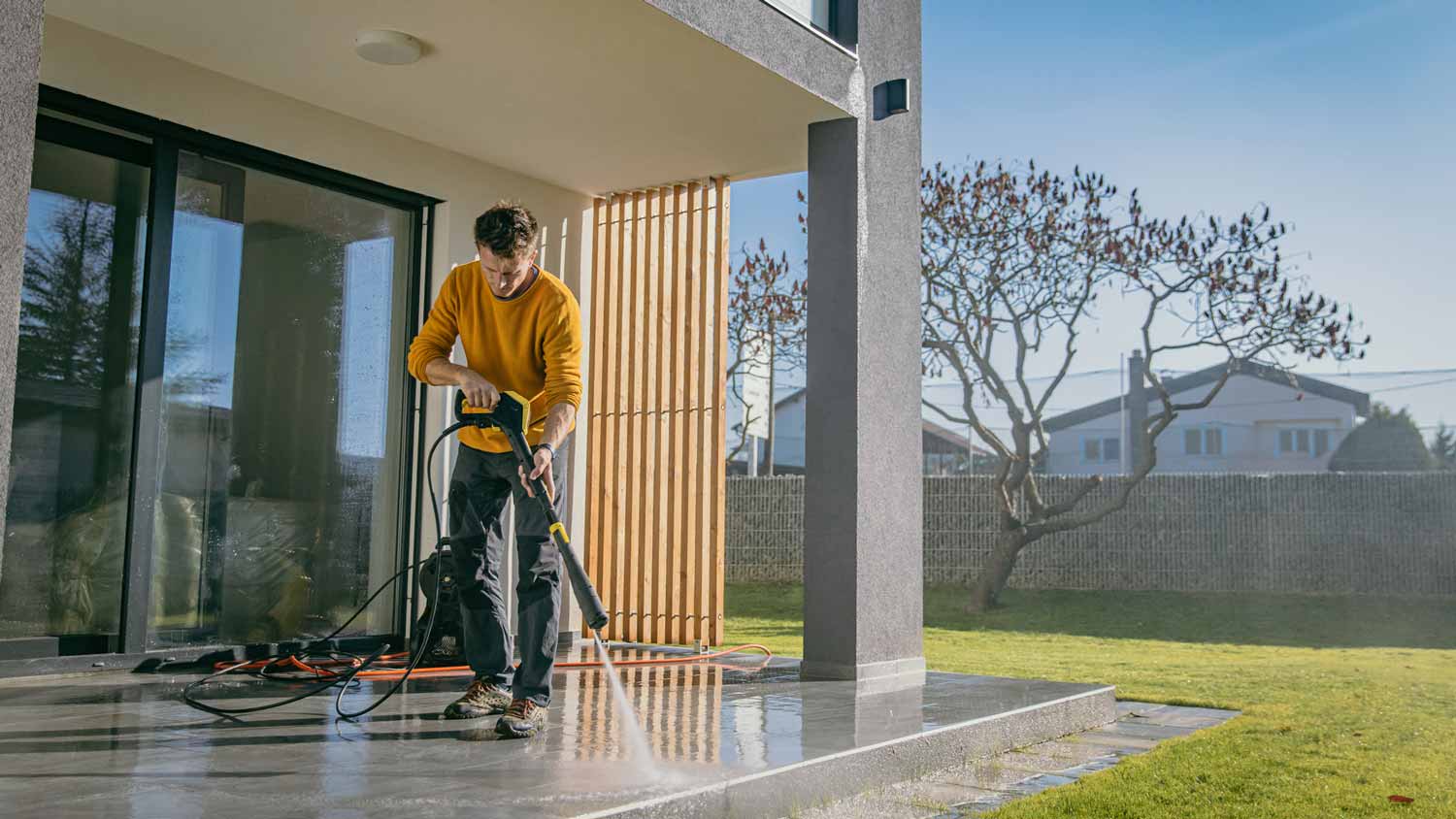
Pressure washers can help you keep your home looking great. Use this guide to learn how much it costs to rent a pressure washer based on factors like type and time.

The cost to pressure wash a deck depends on its size, condition, material, and whether you DIY the job. Help set your budget with this cost guide.

The best time to pressure wash a house is when the outdoor climate is just right. Learn when to wash certain surfaces and the factors to consider when planning.

Considering DIY pressure washing your home instead of hiring a pro? We’ll help you weigh the pros and cons of each option.
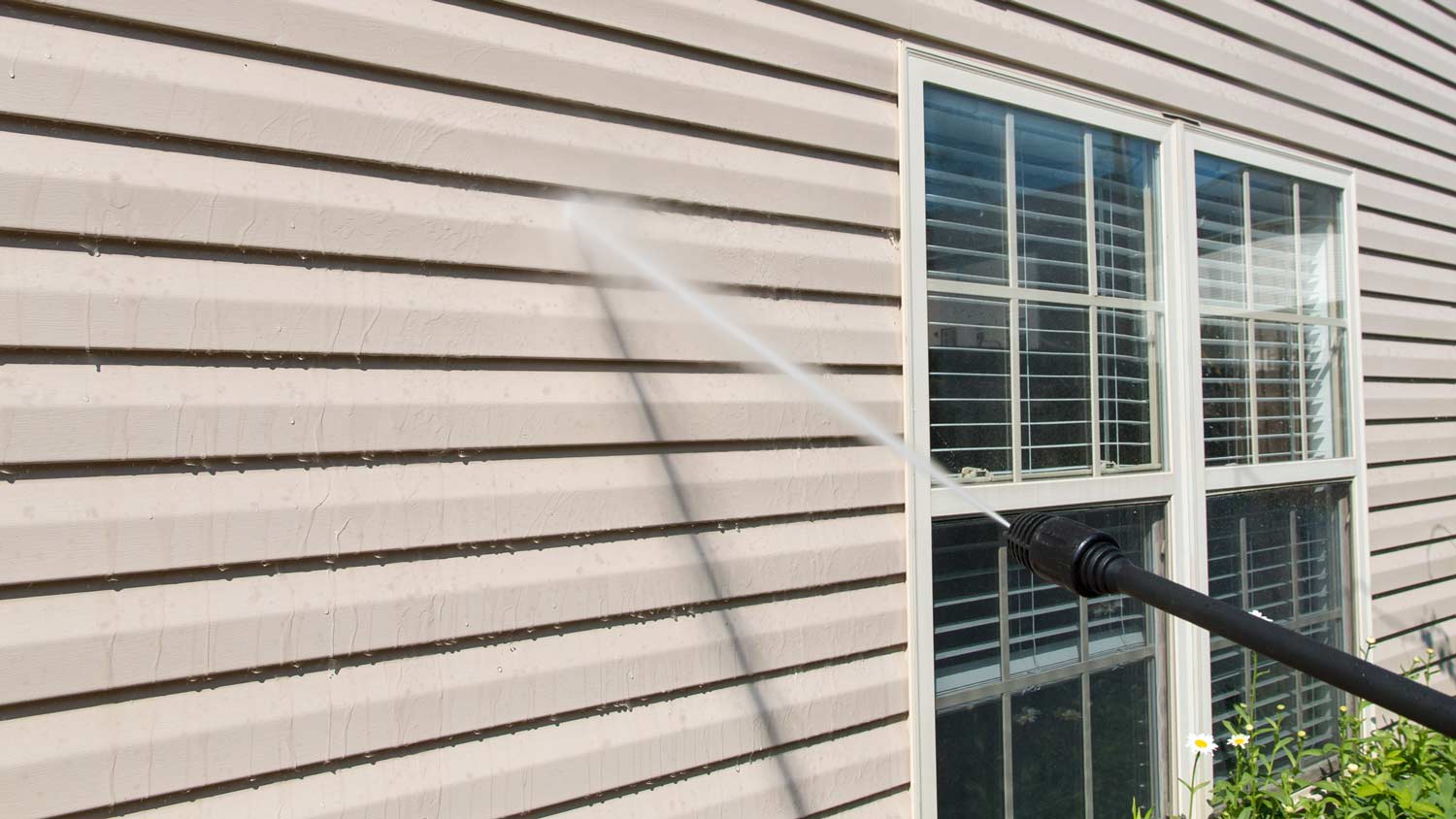
Should you pressure wash siding? While perfect for hardscaping elements like brick patios, pressure washing can damage siding if not done properly. Before you have dirt blasted from your siding, learn if pressure washing is right for your home.