
This guide to toilet installation cost covers what you can expect to pay when adding a new toilet to an existing or new bathroom.
Have an older toilet? It may use 2 to 5 times more water per flush!

Your toilet's water consumption per flush depends on its age, with modern toilets using 1.6 gallons while pre-1992 models use up to 7 gallons.
A new toilet costs $375 to $500, with installation ranging from $224 to $533, and upgrading saves water if your toilet was made before 1992.
You can reduce water used per flush by placing a brick or water bottle in your tank to lower its total volume capacity.
Hiring a local toilet professional provides reliable support for leak detection and toilet replacement, helping you choose water-efficient models that lower your water bill.
Did you know your toilets use the most water in your household? If you want to cut down your water bill, it’s crucial to know how much water your toilet uses per flush and try to reduce that consumption.
According to current EPA standards, it takes 1.6 gallons to flush the toilet, although newer toilet models may only use 1.28 gallons. The current standards were published in 1992. Therefore, toilets installed before 1992 often have a much higher GPF number.
How much higher, exactly?
Toilets manufactured between 1982 and 1992 generally used around 3.5 gallons per flush. However, toilets manufactured before 1982 may use anywhere from five to seven gallons per flush.
According to an index published by Flume in 2021, American households' average toilet flush volume was 2.2 gallons per flush based on data collected from over 5.9 million flushes across tens of thousands of households. On average, a household flushes their toilets 5.5 times per person daily.
Your toilet’s water consumption per flush is indicated by the Gallon-Per-Flush (GPF) index. This number is usually located on the water tank's back wall, behind the seat, or inside your tank lid. A dual flush toilet will have two GPF numbers indicating the water consumption of each mode.
If you can’t find the GPF index, try to identify when your toilet was manufactured. The manufacturing year is usually found on your water tank's back or inside the lid. Generally, older toilets use more water per flush.
Your toilet’s model and type may significantly impact the amount of water used per flush. Therefore, it’s crucial to choose the right toilet for your home.
Older models with a traditional flushing method use the most water per flush. Meanwhile, energy-efficient toilets manufactured in recent years tend to have a much lower GPF. For example, dual-flush toilets have a milder flush option using less water and a regular flush option with a slightly higher GPF.
Other water-saving toilets include vacuum-assisted flush toilets, low-flow toilets, gravity-assisted toilets, pressure-assisted toilets, and composting toilets.
Dual-flush toilets have a lower GPF flush option that uses as little as 0.8 GPF. So long you consciously use the lower flush option, you can significantly reduce the water used for flushing.
On the other hand, the regular flush option still has a lower GPF compared to non-water-saving models or older toilets. The standard flush on a dual-flush toilet usually has a GPF slightly lower than 1.6.

If replacing your current toilet is not an option, here are a few useful hacks to reduce water used per flush.
You can put a brick or plastic bottle filled with water in your toilet’s tank. This reduces the total amount of water your tank holds and, therefore, reduces how much water is used for flushing. If you’re unsure what size brick and water bottle to use or are concerned about the brick dissolving over time, consider installing a toilet tank bag.
Another quick fix is to install an adjustable flapper. As the name indicates, these flappers allow you to control how much water flows into the toilet when flushed. An adjustable flapper installed into an old toilet can save up to three gallons of water per flush.
The toilet bowl fills up faster than the tank, yet the valve doesn’t shut off until the tank is full. This means additional water continues to flow into the bowl and straight down the drain until the tank is filled. By installing a fill cycle diverter, you can feed the extra water back into the tank once the bowl is full. A fill cycle diverter can save a half-gallon or more per fill.
Finally, make sure your toilet is not leaking. Leaks often happen on the tank, the toilet bowl, at the bottom where your toilet connects to the floor, or around the bolts. Depending on the severity of the leak, you may need to replace your toilet.
While the above methods can help you reduce water used per flush, it’s best to upgrade to a new toilet if you are using something more than 20 years old. We highly recommend you replace your toilet if it was made before 1992.
A new toilet costs $375 to $500 on average, although some higher-end models can cost $2,000 or more. Toilet installation costs $224 to $533, depending on location, materials, size, and type. Generally, it’s cheaper to upgrade your toilet than installing a toilet into a new bathroom.
Positive experience. As previously stated, the replacement/repair could not be completed (no fault of the plumbing tech) b/c misinformation was rec?d by property management maintenance. Thanks to the plumbing tech for your efforts. Appreciate you!
 The Waterworks
If you want to pay the most exorbitant prices possible for your job, this is the company for you. “By the job” pricing is a rip-off, at least how these people use it. Every job is plugged into a category and prices are set by category. You might have a job that takes half an hour or one that...
 Benjamin Franklin Plumbing
Cole has been handling plumbing and general contracting for our four properties over the past three years, and he’s always done a great job. Most recently, he installed a sink and countertop in our retail store where none existed before, and it turned out exactly how we needed. He’s...
 ANB Renovations LLC
Matt is a consummate professional. The work turned out to be far more difficult than expected and rather than turn the job down, Matt rose to the occasion and completed a near impossible task. I can not recommend Greene's Plumbing Service more highly. On a scale of 1-5 I would give Matt a...
 Greene's Plumbing Service
Involved an extensive bathroom remodel, including removing tub & installing walk in shower, new drywall, custome tile work to ceiling, plumbing, etc. Overall, job was done on time and on budget. Nick & his team were very professional and had high attention to detail. Quality was great. Highly...
 Stamos Flooring and Remodeling LLC
Awesome company. Had a jacuzzi tub taken out and replaced with huge walk in shower with partial glass enclosure. Onyx to the ceiling with a decorative border, moved plumbing and installed hand held shower, new ceiling, flooring, and paint. Replaced window with glass block. Everything was done...
 Columbus Bath Design
The initial quoted price from a walk-through seemed high, but we discussed that the quote represented worst case scenario (re-wiring to two floors) and we were excited about the opportunity to have the work done in a timely manner with closing for fire safety reasons, etc. When the job was...
Initially, I called the Service People to have a leaking garbage disposal replaced. I had purchased a special deal through Angie's List: $79 for $200-worth of plumbing services. <br /> When I went to schedule the work, the earliest date I could get through Angie's List was after the upcoming...
This company did a very good job on the brick wall and it looks just amazing. The staff was always professional and was practically OCD on how the bricks were stacked and how they were laid. Although it took longer than expected, I am willing to sacrifice time over perfection anyday. The...
 My Handy Mate LLC Improvement & Remodeling
<p>I am so glad we called Rotor-Rooter. I was hesitant to call them because we usually prefer to give business to local providers. But when we had sewage back up in our basement on a Saturday evening, I had a hard time getting a hold of someone, not to mention the high weekend/evening rate...
 Roto-Rooter Plumbing & Water Cleanup
From average costs to expert advice, get all the answers you need to get your job done.
This guide to toilet installation cost covers what you can expect to pay when adding a new toilet to an existing or new bathroom.

A water heater flush costs $160 on average but can vary based on the unit size, type, labor, location, and more. Keep reading to learn how much you could pay.
Read these 9 tips for inspiration on how to reduce your toilet’s water usage
When your toilet stops working, it’s all hands on deck. This guide will walk you through solutions for how to fix a toilet that won’t flush.
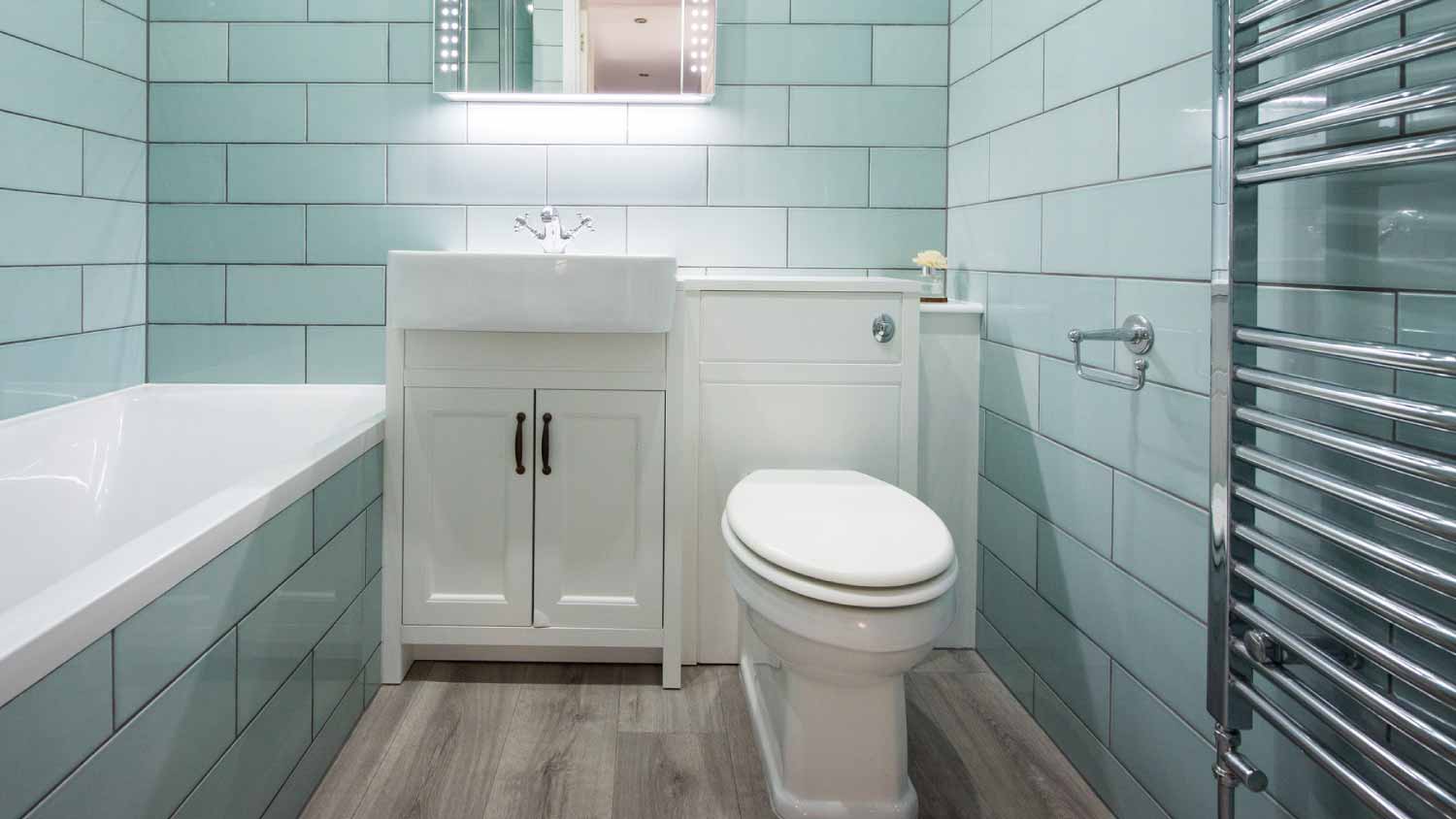
Understanding the types of toilets you can install in your bathroom is essential. You don’t have to stick to traditional two-piece gravity-flush toilets.
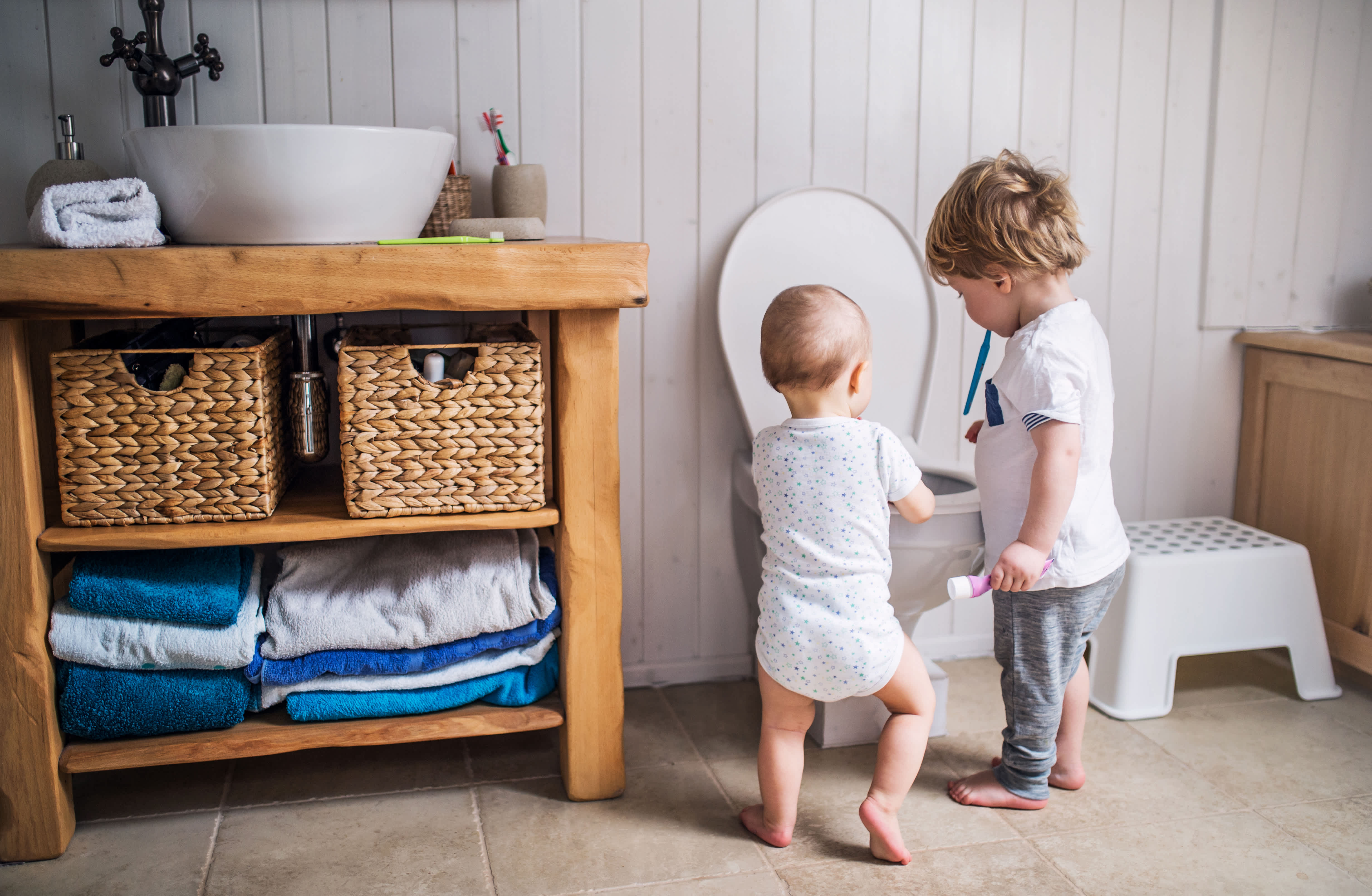
Dual flush toilets have a dual mechanism for flushing. Before deciding to make the switch in your home, think about all the key features and benefits of dual flush toilets.