
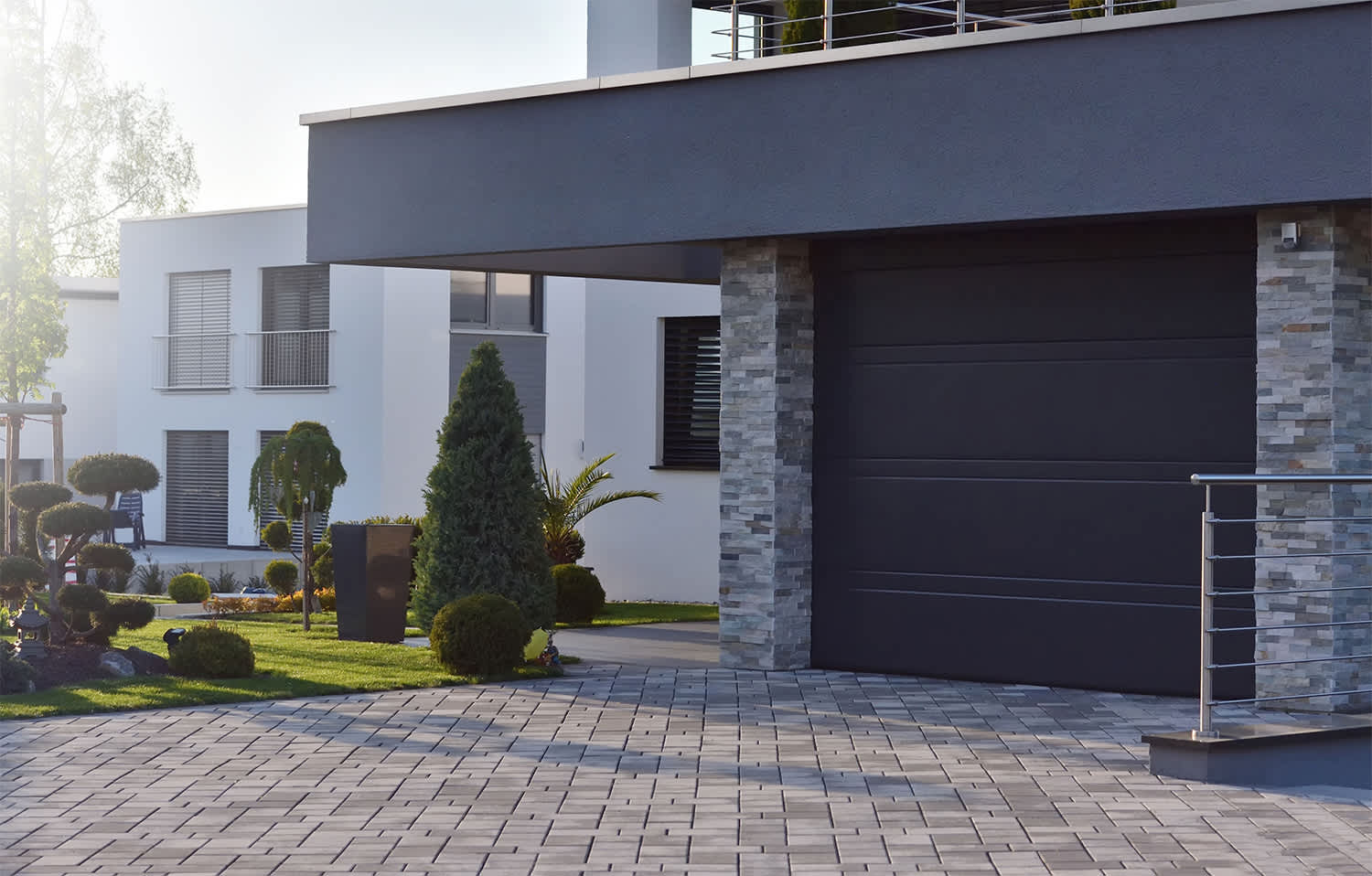
Our guide breaks down pricing factors in Baltimore, MD, spring types, and why professionals help ensure safety and longevity. Learn what to expect and budget for your repair.
Garage service costs depend on your project and location. Check with a local pro for your specific job.

Homeowners in Washington, D.C., can expect to pay $160 to $380 for a single garage door spring replacement.
The type of spring affects the total cost—extension springs cost the least to replace, while torsion springs cost the most.
Labor costs range from $80 to $160 for a single garage door spring replacement.
Hiring a local garage door pro in Washington, D.C. to replace your garage door spring helps prevent property damage and injury.
Expect to pay between $163 and $381, or an average of $272, to replace a garage door spring in Washington, D.C. Garages aren’t as common in D.C., but some homes do have single-car or detached garages. If your door spring breaks, the heavy door could fall on you or your car, causing serious injuries and damage. Learn how to budget for garage door spring replacement using the information below.
Some factors that affect the cost of garage door spring replacement in Washington, D.C., include the spring type, door type, number of doors, and spring quality and strength.
| Type of Spring | Average Cost |
|---|---|
| Extension spring | $50–$110 |
| Torsion spring | $75–$160 |
| Convert torsion to extension | $270–$550 |
| Convert extension to torsion | $440–$870 |
Garage doors operate with either extension or torsion springs. While extension springs might be cheaper, torsion springs have longer lifespans and are generally considered safer. It’s possible to switch from one type of spring to another, but switching means a professional has to remove the old spring parts to install an entirely new system. And that, of course, increases your total garage door spring replacement cost—it’s roughly five times as expensive to do a garage door spring conversion.

| Type of Garage Door | Replacement Cost (per Spring) |
|---|---|
| Sectional | $80–$160 |
| Tilt-up | $50–$110 |
| Roll-up | $80–$160 |
Garage door springs are integral to how most garage doors work. Garage door spring replacement costs can depend on the type of garage door: sectional, tilt-up, or roll-up.
Sectional garage doors are the most common type of garage door in the United States. The horizontal panels that make up the garage door are connected via hinges, and one by one, the panels roll up and inside a vertical track.
Tilt-up garage doors, also called one-piece garage doors, do exactly as their name implies: You tilt up the door and move it back along its tracks. Roll-up garage doors are common in commercial settings; the narrow steel panels coil up just above the opening.
Tilt-up garage doors use extension springs. Roll-up garage doors use torsion springs, which are more expensive to replace. Both extension and torsion springs are common on sectional doors.
Replacing garage doors and garage door springs can be dangerous. Garage doors are very heavy and the springs are under a lot of tension. A garage door pro has the tools and experience to do this project safely.

| Number of Garage Doors | Average Spring Replacement Cost |
|---|---|
| One | $160–$380 |
| Two | $300–$460 |
| Three | $380–$760 |
You’ll pay between $160 and $380 for a single garage door. Costs could potentially run as high as $550 if you have to replace springs for several doors or have to make related repairs. When one door garage spring fails, it’s better to replace both springs at the same time to maintain the door's balance. Plus, a contractor will likely give you a good deal if you replace both during the same visit.
For example, your garage door repair tech must make a trip to your home, whether replacing springs for a single door or three doors. Replacing springs on multiple garage doors can minimize labor costs by reducing trip time. However, the material price will increase by the cost of additional springs per door.
Double-door springs can cost an extra $15 to $30 per spring compared to a single-door.
The cost of the garage door springs themselves can vary depending on their quality. Some brands manufacture budget springs, while others charge more for springs that are of a higher quality. A middle-of-the-road spring gets you the best of both worlds: decent quality at a fair price.
Heavier garage doors require larger (and stronger) springs. The typical seven-foot-tall garage door needs 25-inch springs; eight-foot-tall garage doors require 27-inch springs. The price difference here is minimal (maybe $5 to $10 per spring or set of springs, depending on where you buy them), but larger springs cost more.
Since DIY garage door spring replacement can be dangerous, we recommend hiring a garage door pro in Washington, D.C., to complete this project. Below, learn about the factors impacting the cost to hire a pro.
Labor costs $80 to $160 to replace a garage door spring in Washington, D.C. This matches D.C.’s cost of living, which runs well above the national average. If you have a commercial garage door, expect to pay $160 to $330.
Emergencies happen. If time is of the essence, you should call an emergency garage door repair contractor near you, though their services tend to cost more. If a spring is broken, the garage door is stuck for an unknown reason, or you're unsure of the problem with your garage door, you should avoid potential injury by not opening the door manually.
To help homeowners plan their next project, Angi provides readers with carefully researched cost data and upholds strict editorial standards. We start with national average project costs, which we collect by analyzing competitor information, retailer material costs, and input from professional contractors. We then apply local price index data to calculate location-specific estimates that reflect what homeowners typically pay in their local area. To do that, we use data from the U.S. Bureau of Economic Analysis (BEA), including its Regional Price Parities (RPPs), which measure price differences across cities. This helps us account for differences in labor, materials, and overall cost of living, so estimates in higher- or lower-cost areas better reflect real-world local pricing.
Every estimate undergoes a thorough editorial review to verify accuracy, consistency, and alignment with observed market conditions.
Want to help us improve our cost data? Send us a recent project quote to [email protected]. Quotes and personal information will not be shared publicly.
BWI, installed a new rolling exterior garage and wifi enabled industrial operator on my properties rear off street parking area. All phases of inspection, installation and subsequent maintenance were done with the utmost professionalism and care. Ms. Adina and her crew did a fantastic job for...
 BWI Garage Doors, LLC
Gilmer and his team were honest, trustworthy, and professional. Multiple garage contractors had tried to tell me that my roll-up garage was completely broken and charge me $10-15k to install a new one. Gilmer was honest and explained what needed fixing, without trying to sell me a fully new...
 Señor Door Tec LLC.
They performed excellent work at a very competitive price. We have used them for many home, improvement projects inside, backyard fence, deck, garage, structural repairs, and roofing. First class work by professionals and always easy to deal with We highly recommend them!
 M&N HOME IMPROVEMENT
Highly recommended did amazing job with my garage door
Greg and Dan did a great job epoxying our garage floor and I would recommend using them for epoxy needs. We have talked with other companies previously about epoxy and Sawtoothâ s responsiveness and professionalism made us book our project with them. They helped us choose the perfect color...
 Sawtooth Epoxy LLC
When we decided to convert our garage into a playroom/bedroom we assumed it would be an exhausting process but we absolutely loved working with Mario and his crew. They did a great job keeping us informed of timelines and what to expect next. They made great recommendations for layout,...
 MRDC Solutions LLC
Built my 30x40 brick detached garage. Very happy with the end result. I have used many different local contractors at my home over years. I was never very happy with the manner they treated my house while on site. This group of young men gives me hope for the next generation of carpenters. I...
 Apex Construction
I needed a plan for my additional room in the garage. Jonathan did an excellent job.
 Campbell Architects, LLC
I am very happy I went with Stone and Bricks Brothers for my garage tuckpointing project in DC. The masonry inside and outside the garage was severely damaged after years of neglect and leaks. Given that tuckpointing is very labor intensive (and pricey), I got close to 10 quotes. Roland was...
The whole project--from estimation through completion--went really well. We have a rowhouse, and we got fencing for both sides of our rear driveway and a roll-up garage door. They were able to deal with two large trees on either side that the fence had to be custom cut / fitted around and the...
 Gus & Sons Home Services
From average costs to expert advice, get all the answers you need to get your job done.
Our guide breaks down pricing factors in Baltimore, MD, spring types, and why professionals help ensure safety and longevity. Learn what to expect and budget for your repair.
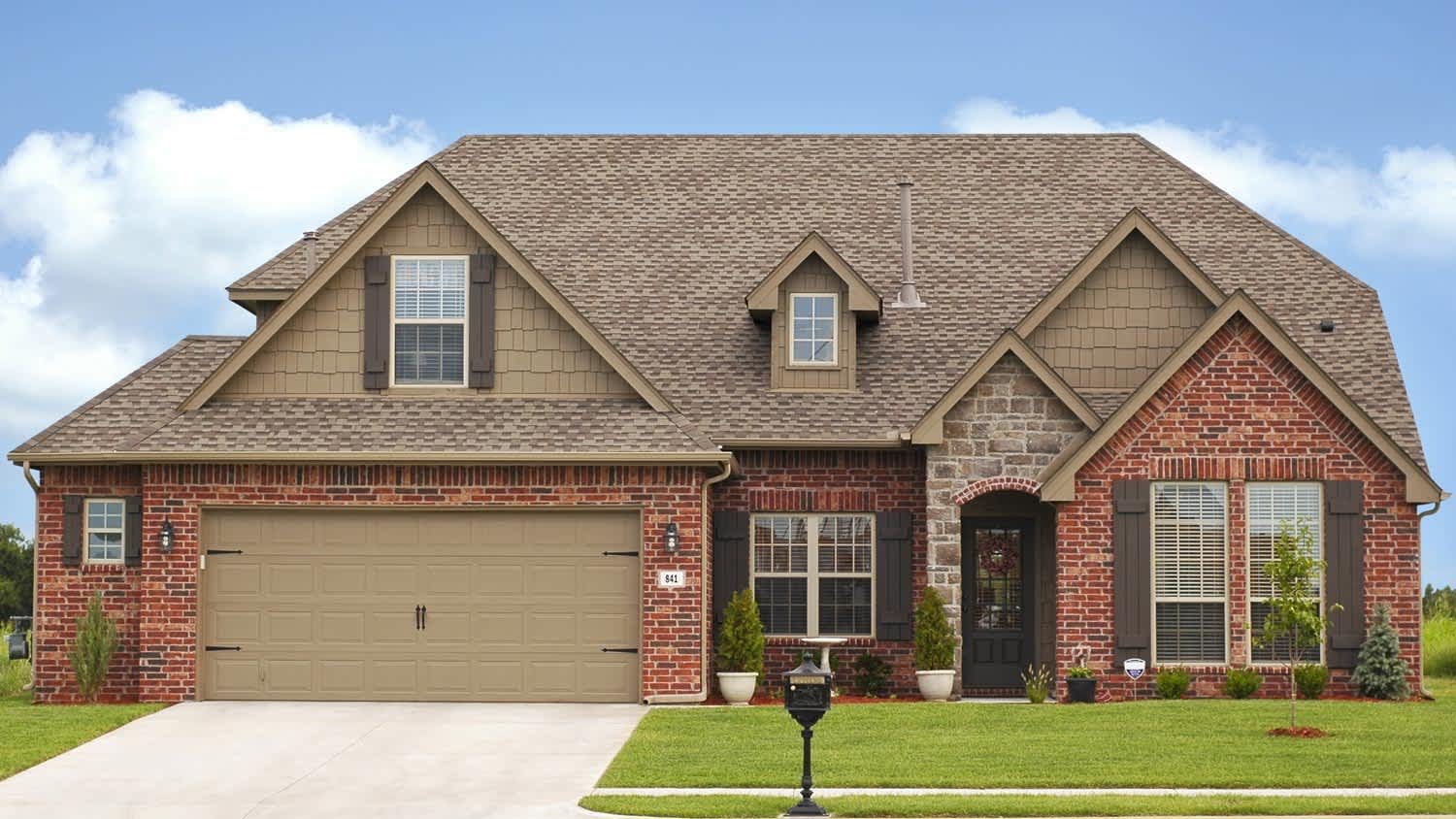
Discover how much garage door panel replacement costs in Washington, DC based on factors like the panel size, material, style, and local labor rates.
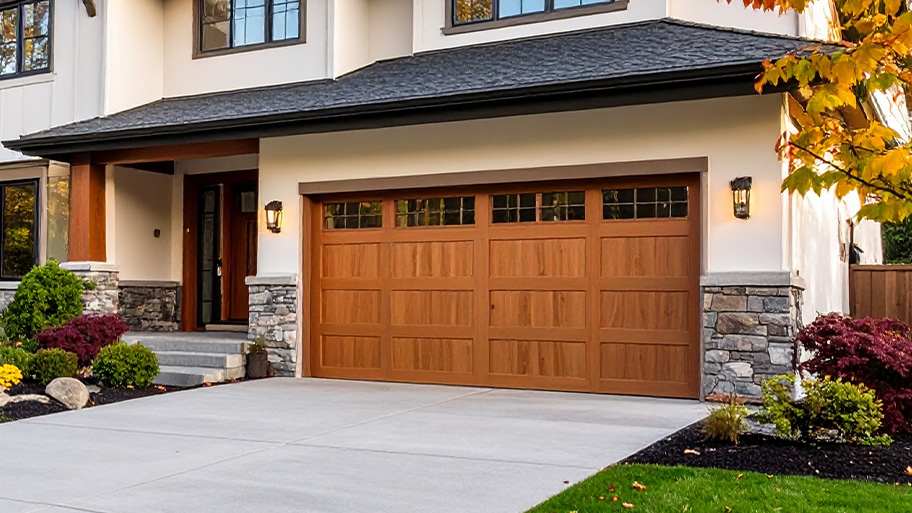
Replacing a garage door is necessary to add security and value to your home. Learn how each door type affects the total cost of this project in Washington, D.C.
Discover how much garage door panel replacement costs in Baltimore, MD based on factors like the panel size, material, style, and local labor rates.
Replacing a garage door is necessary to add security and value to your home. Learn how each door type affects the total cost of this project in Baltimore, MD.

A garage door repair in Washington, D.C. costs less than you might think, considering you can sometimes repair individual panels. However you can’t do many fixes yourself—learn why you need a pro.