
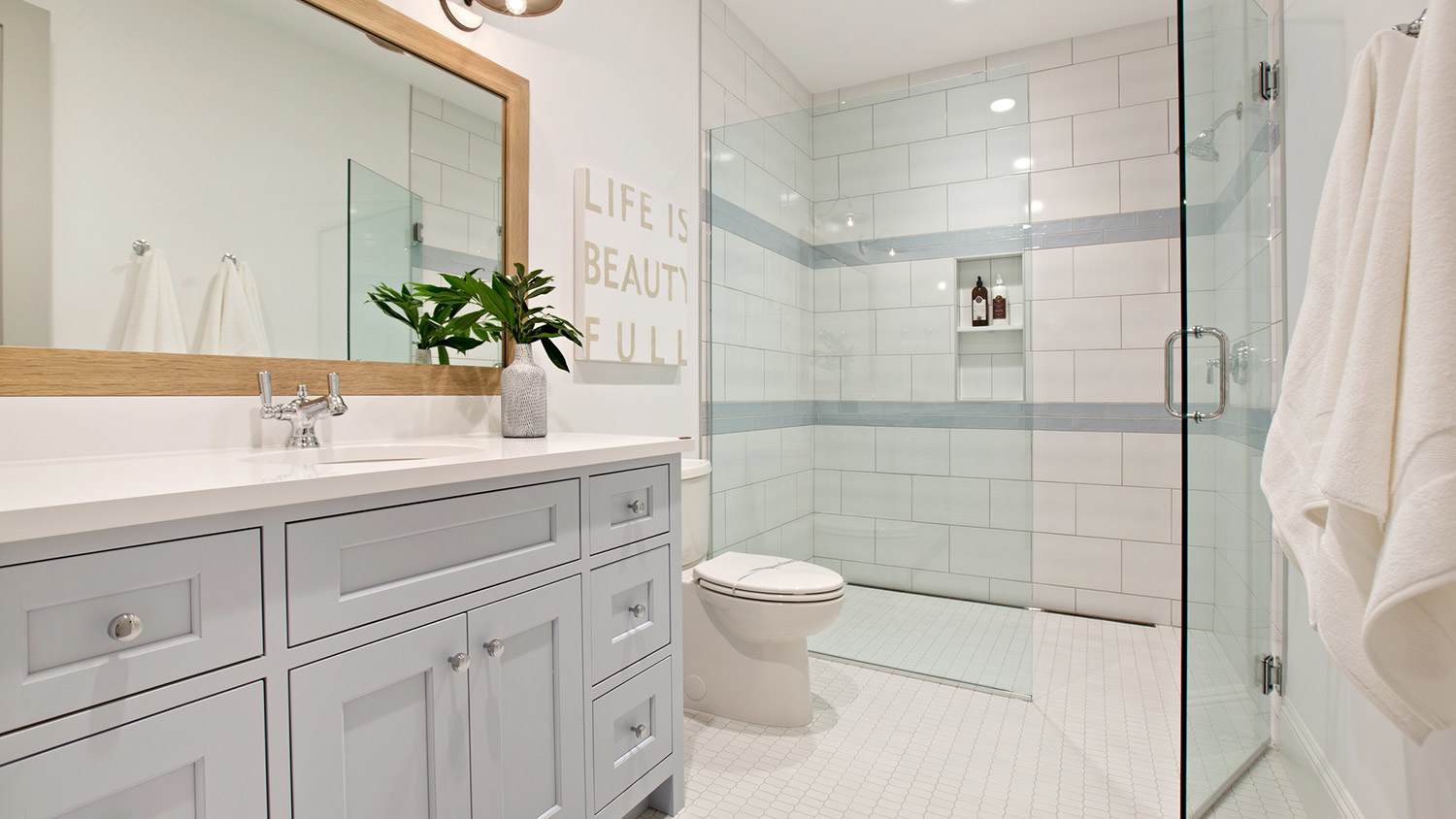
Shower installation costs in Columbus, OH, depend on size, style, and materials. This guide can help you plan your project and even save a few bucks.
Kitchen and bathroom remodel costs depend on your project and location. Check with a local pro for your specific job.

In Columbus, OH, a prefab walk-in shower costs an average of $300 per square foot.
Actual costs depend on the shower size and material selections. A custom shower will cost more than a prefab one.
Features like benches or niches will increase the cost, as will demolition and prep work.
Hiring a tub and shower conversion pro in Columbus, OH, will ensure your bathroom remodel is up to code.
Installing a walk-in shower in Columbus, OH, costs an average of $8,595, with homeowners often paying between $5,730 and $11,460. Owners of older homes with tighter layouts in historic districts like German Village and Olde Towne East may seek tub-to-shower conversions as a modern upgrade that can compete with newer builds throughout the metro area. Here’s what to consider when renovating your bathroom.
Actual walk-in shower installation costs in Columbus, OH, ultimately depend on the shower's size, the materials used, and whether it’s prefab or a custom build.
Like most projects, the larger your shower, the more it will cost. If you don’t choose a prefabricated shower, you’ll have to decide on dimensions. A snug shower is 32-by-32 inches, and the most common walk-in shower size is 36-by-36 inches (the minimum accessible walk-in shower size that complies with the Americans with Disabilities Act).
However, if you have the budget and available space, talk with your pro about designing a bigger, luxury walk-in shower. Homeowners here pay an average of $300 per square foot for a prefab shower and $600 per square foot for a custom one. Here’s what you might pay to install a walk-in shower of different sizes.
| Walk-In Shower Dimensions | Average Cost Range |
|---|---|
| 32-by-32 inches | $2,100–$4,300 |
| 36-by-36 inches | $2,700–$5,400 |
| 48-by-36 inches | $3,600–$7,200 |
| 60-by-30 inches | $3,750–$7,500 |
| 60-by-42 inches | $5,250–$10,500 |
Shower conversions can be complex and may require a contractor to remove a wall back to the studs to ensure the entire area is waterproof. This could reveal hidden, costly plumbing challenges, so make sure you have extra space in the budget if you're planning a shower conversion.

Higher-end materials will increase your walk-in shower installation cost. If you’re going with a custom shower, you have a larger range of options, but something like cultured marble will cost more than tile.
Here’s how your walk-in shower material will affect its price.
| Walk-In Shower Material | Average Cost Range |
|---|---|
| Acrylic insert | $480–$1,910 |
| Fiberglass insert | $380–$1,910 |
| Tile | $2–$16 per square foot |
| Marble | $10–$34 per square foot |
| Cultured granite, Corian, and other stones | $38–$62 per square foot |

Walk-in shower costs are largely dictated by the type of shower you choose. You’ll almost always spend less on a prefabricated kit than on a custom walk-in shower, which will often be larger and more complex in design. Which type works best for your home depends on your needs and budget.
| Walk-In Shower Type | Average Cost Range | Description |
|---|---|---|
| Prefabricated | $670–$2,870 | Lightweight and simple to install, budget-friendly installation, costly to repair |
| Custom | $4,010–$8,120 | Limitless options for size and layout, complex installation, expensive to install |
You’ll likely receive a walk-in shower installation quote on a per-project basis, but here’s a rundown of what the different contractors involved charge per hour:
Plumbers: $80–$120
Electricians: $80–$105
Interior designers: $90–$175
Painters: $20–$45
Handypeople: $80–$130
Don’t forget to discuss prep and demolition work with your contractor. If they’re not included in the project quote, know that they could add hundreds of dollars to the project bill. Always confirm what’s included in the project estimate before work begins so that you’re not surprised by the final bill.
You’ll need permits for most electrical, mechanical, and plumbing work in Columbus, OH. While homeowners can apply and pay for building permits through the City of Columbus website, it’s much easier to leave it in the hands of an experienced contractor who’s been through the process many times. You’ll have to wait for project approval, so be sure to add time to your project schedule.
Before hiring a shower installation pro in Columbus, OH, make sure they have general liability insurance and workers’ compensation so you can avoid costly liability for any on-site accidents and injuries.
Columbus, OH, has a sales tax of 8% for goods and services—in this case, materials and labor costs—that will be added to your total project bill.
A walk-in shower upgrades the look of your bathroom and offers easier accessibility, making it an attractive feature for homebuyers seeking to age in place. According to the Journal of Light Construction’s Cost vs. Value Report, Columbus, OH, homeowners often see a 63% ROI with a universal design bath remodel.
Installing a walk-in shower could be a good decision for resale, especially if your home has more than one bathroom. However, if it’s the only bathroom in your home, consider the local market: Some buyers, especially those with children, will prefer having at least one tub in the home.
To help homeowners plan their next project, Angi provides readers with carefully researched cost data and upholds strict editorial standards. We start with national average project costs, which we collect by analyzing competitor information, retailer material costs, and input from professional contractors. We then apply local price index data to calculate location-specific estimates that reflect what homeowners typically pay in their local area. To do that, we use data from the U.S. Bureau of Economic Analysis (BEA), including its Regional Price Parities (RPPs), which measure price differences across cities. This helps us account for differences in labor, materials, and overall cost of living, so estimates in higher- or lower-cost areas better reflect real-world local pricing.
Every estimate undergoes a thorough editorial review to verify accuracy, consistency, and alignment with observed market conditions.
Want to help us improve our cost data? Send us a recent project quote to [email protected]. Quotes and personal information will not be shared publicly.
I have and hired Nick to do my custom cabinets and kitchen remodel, flooring, the works and he is the greatest, He begins demo of my old cabinets in the next couple of days and I am so excited I will come back with an update with my PURTY kitchen Thank you for your time, honesty and kindness...
 Nick schmelzer
ARK Remodel gave my bathroom a new life. Jean Went the extra mile on every detail, daily. Very nice staff, neat and clean.Gives personal attention to job well done. A very good company. Would highly recommend.
 ARK REMODEL LLC
Leonard at Old American Cabinet built and installed my family’s kitchen cabinets. He also did the flooring and backsplash. The kitchen remodel is beautiful. The work has greatly improved the value of our home. The house is old and the kitchen is now the best looking room in the house. It is...
 Old American Cabinet
ImproveIt remodeled my guest bathroom in 2023. The whole process was remarkably smooth and quick. I plan to use them again to remodel the master bath here in a few months.
 ImproveIt! Home Remodeling, Inc.
From Dick, who provided the estimate and answered all our questions, to the crew who installed new cupboards and a quartz countertop, we were tremendously pleased with Kwik Kitchens. The cost was less than we expected, and Dick and his crew kept us informed as the installation proceeded. We...
I could not be happier with our bathroom remodel! The team was professional, punctual, and incredibly detail-oriented. They transformed our outdated bathroom into a modern, spa-like retreat that exceeded all our expectations. From the sleek tile work to the custom vanity and flawless...
 Fast Bath Makeover LLC
James did an amazing job on our kitchen and bathroom remodel as well as some other handyman jobs weâ ve needed help on. He is responsive and sets reasonable expectations as far as timing and availability of materials. He was a good manager of the subcontractors as well when that was needed....
We did a full first floor remodel several years ago, and did a bathroom remodel last year. Excellent work, including extra effort to quickly resolve any issues caused by subcontractors. Very high quality and reliable.
 Home Craft Remodeling Inc
Jim came when he said he would and cleaned up after himself. He also finished in the amount of time he said it would take. He used quality materials for the shower and sink and handcrafted Amish cabinets. I would hire him again for my next bathroom remodel in a minute!
The Baker Group made the process of a complete bathroom remodel as easy as possible. From initial planning, setting realistic expectations (timing, pricing, materials, etc.), excellent communication throughout the entire job, and finishing the work on time with superior quality work. Phil...
 Baker Group Remodeling
From average costs to expert advice, get all the answers you need to get your job done.
Shower installation costs in Columbus, OH, depend on size, style, and materials. This guide can help you plan your project and even save a few bucks.
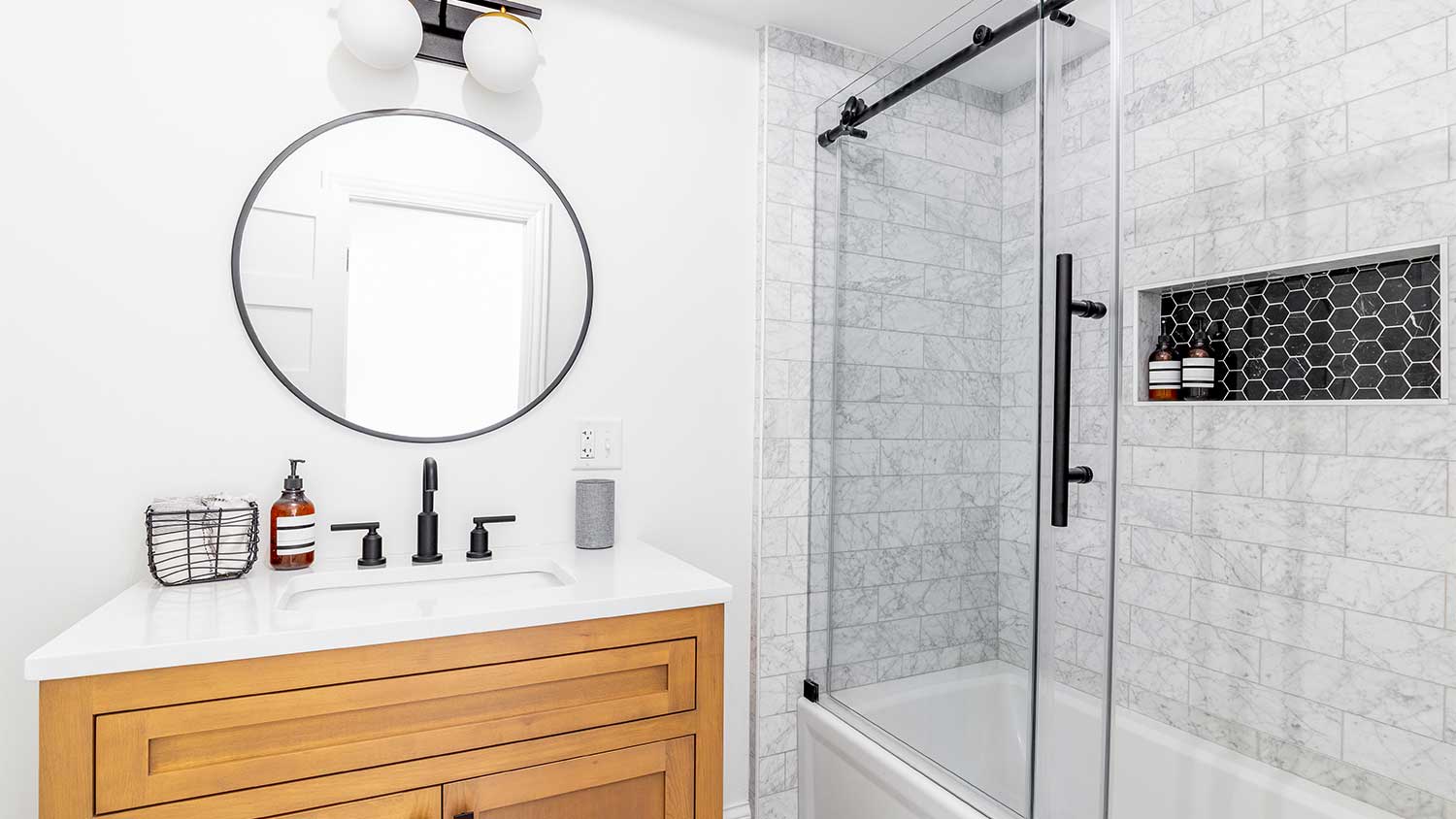
Tiling a shower is an investment in the look and function of your home. This guide explains the factors behind the cost to tile a shower in Columbus, OH.
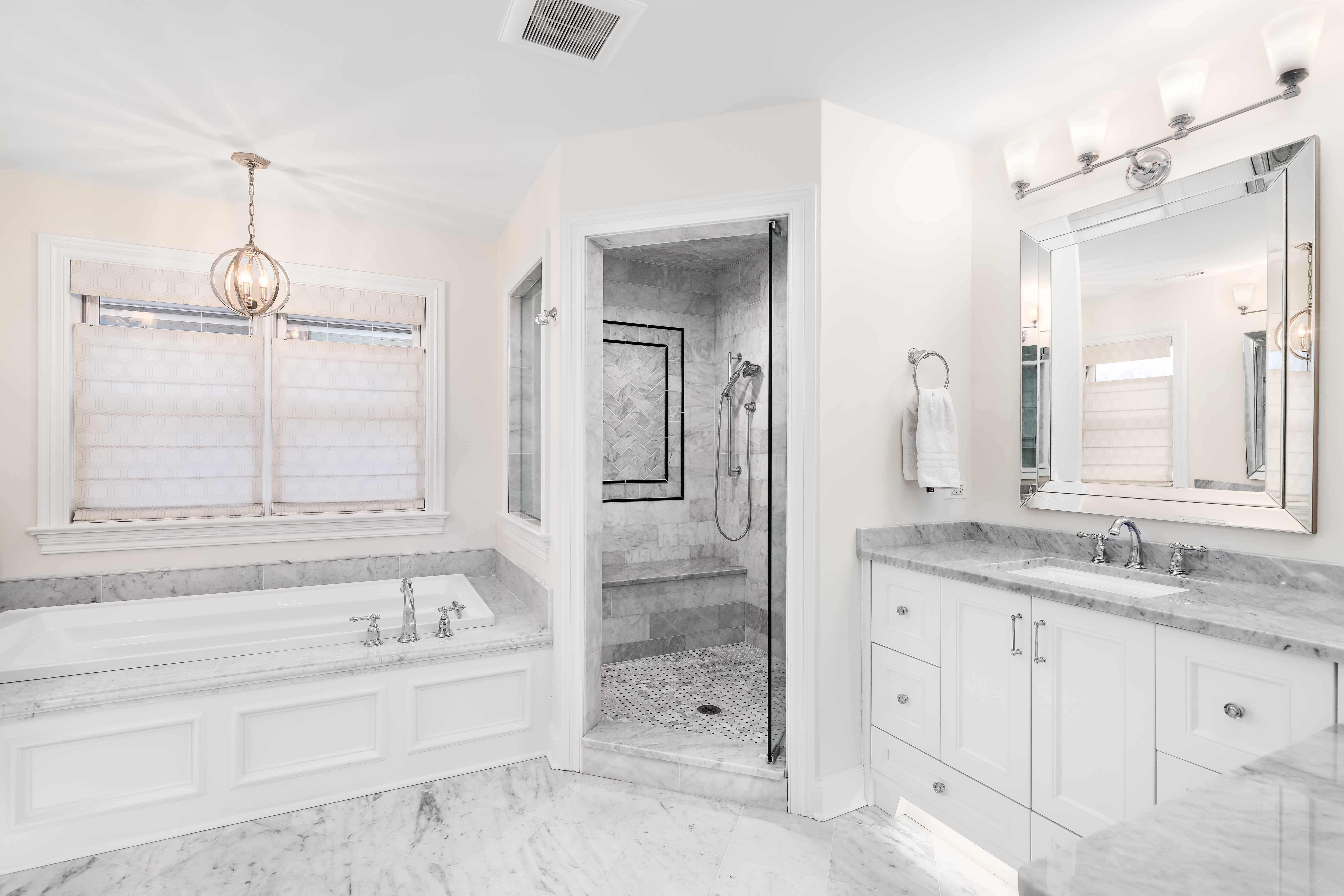
Curious how much a shower remodel costs in Columbus, OH? From new fixtures to full installations, we have the prices you need to know to establish a shower remodel budget.
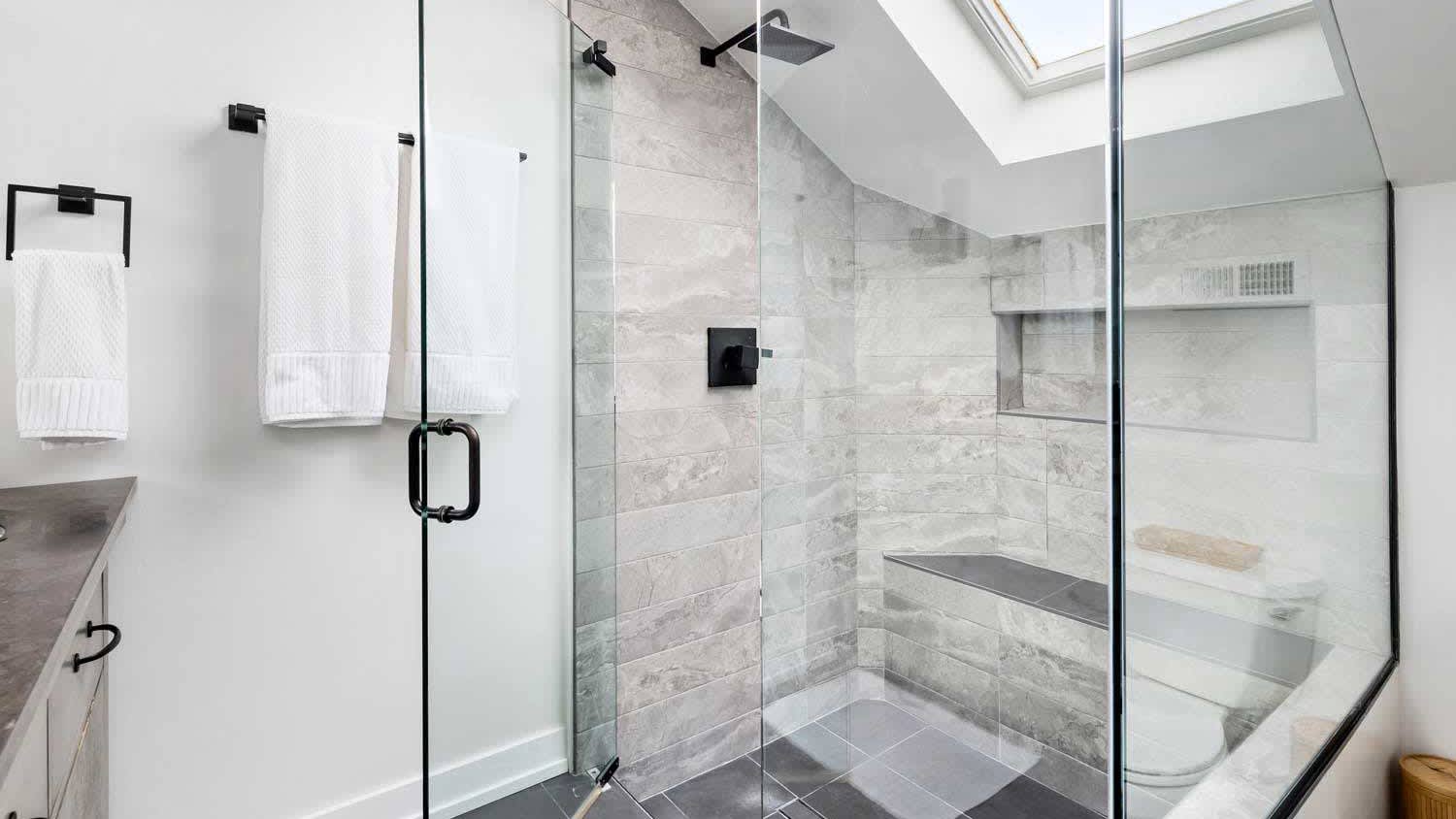
Walk-in showers offer plenty of benefits when compared to standard bathtubs, but are they right for you? Discover the pros and cons of walk-in showers.
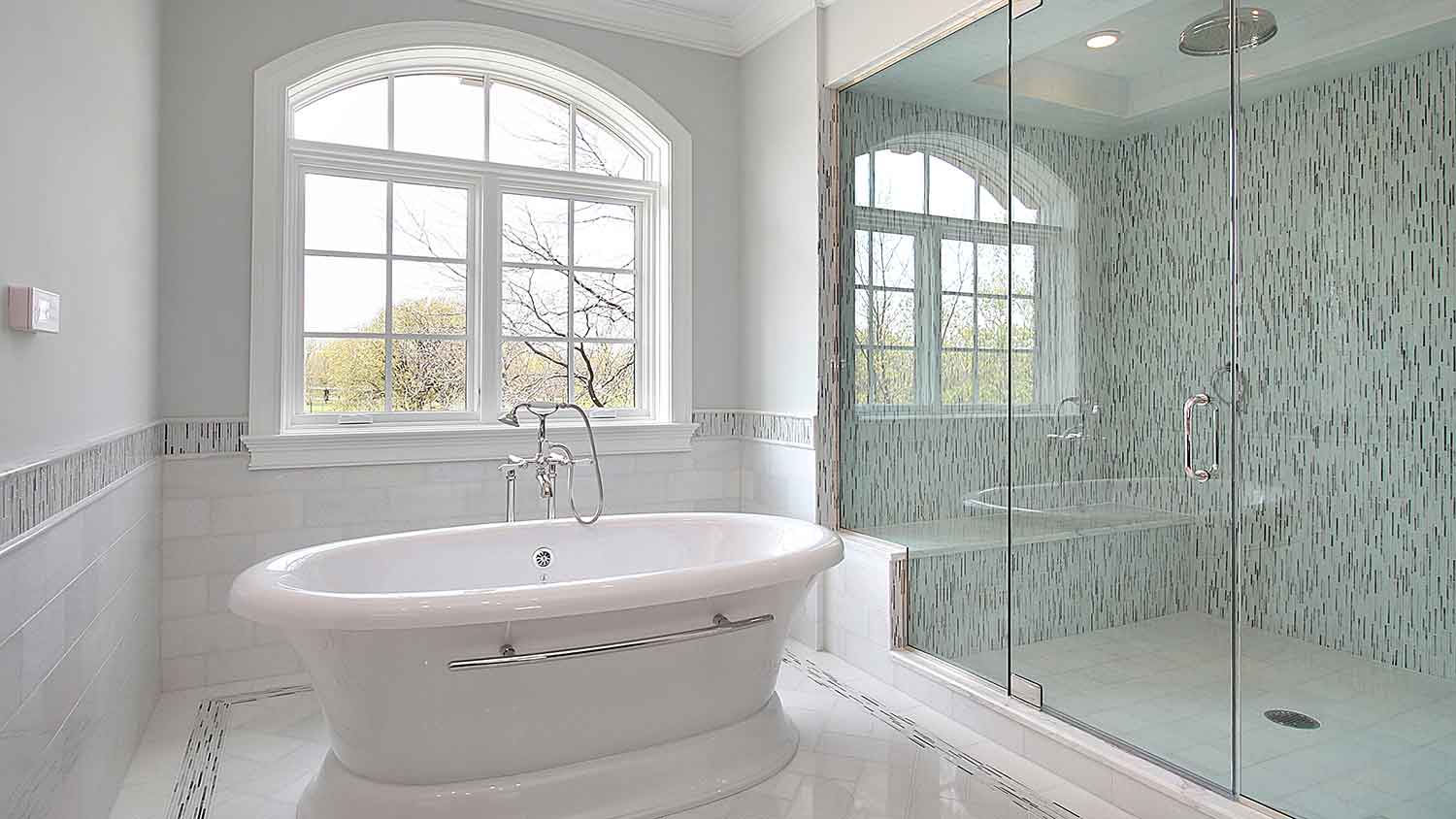
Not sure which bathroom fixture is right for your home? To create your dream bathing experience, learn the differences between a walk-in shower versus a tub.
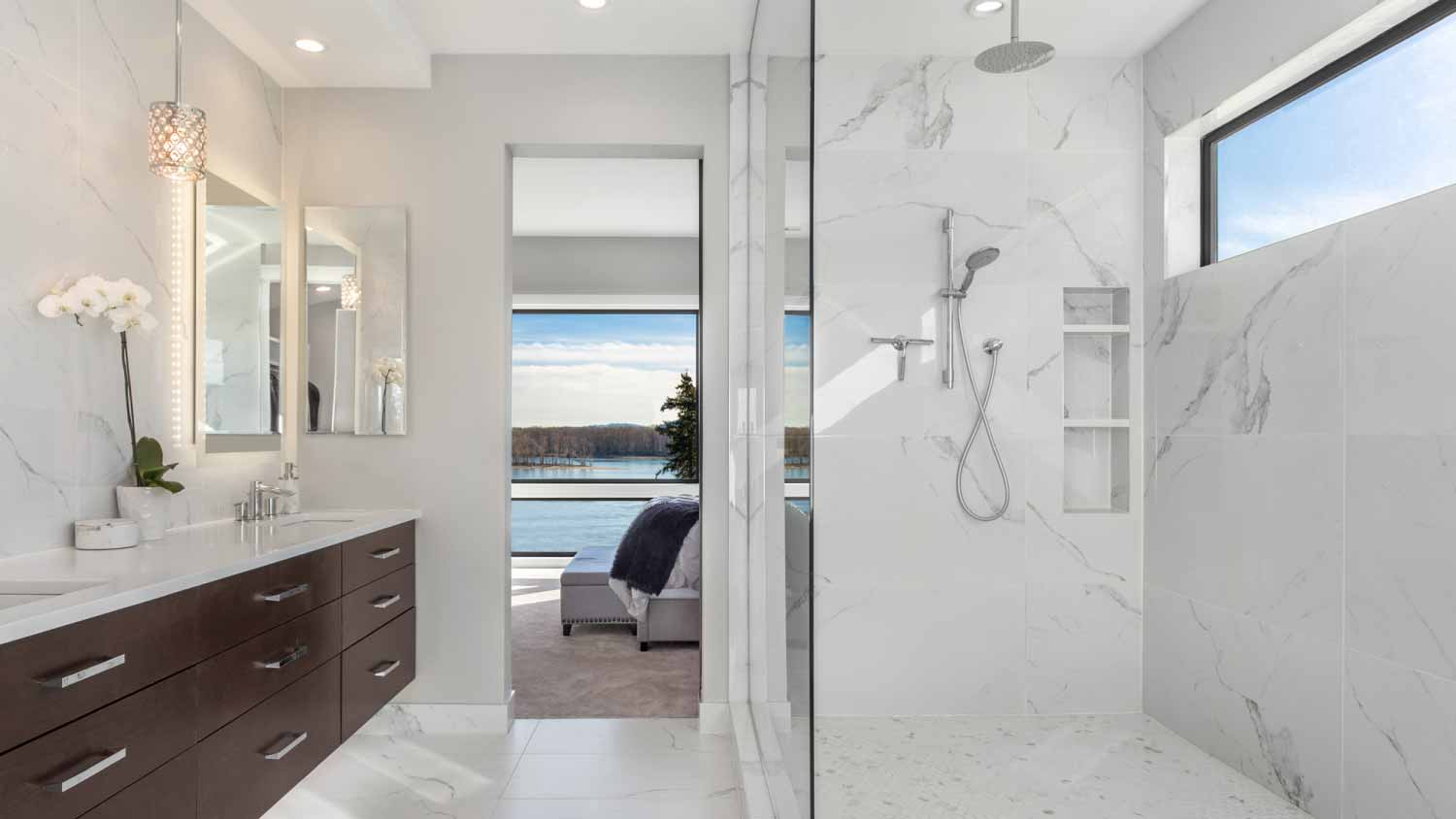
Dive into the ultimate bathroom transformation and discover how to build a walk-in shower that is stylish, spa-like, and functional.