
•
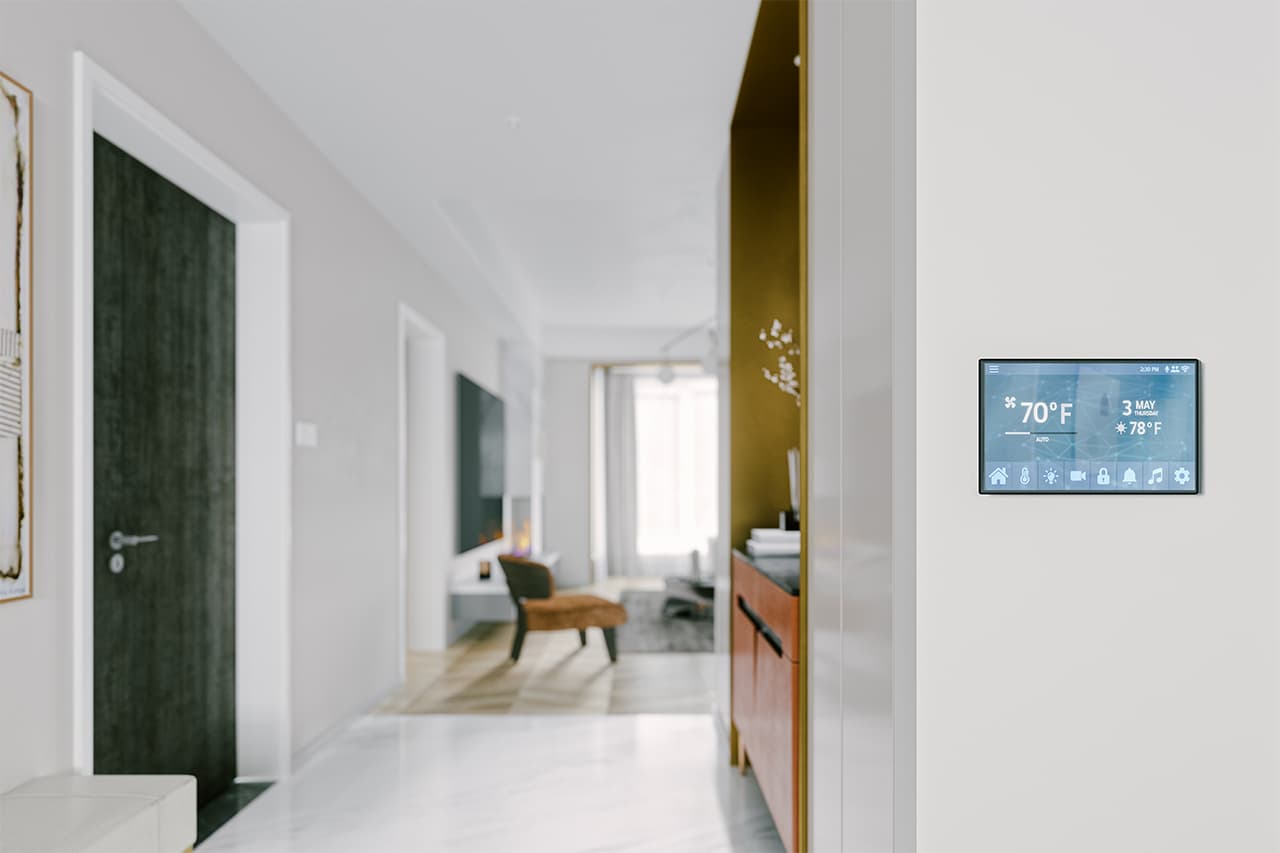
Discover the average smart home system cost, including key price factors and tips to save on installation, devices, and ongoing expenses.
Everything you need to know about budgeting for homeownership costs

Your home ownership costs extend beyond the Angi TRUE Cost Guide estimate, including closing costs of 3% to 6% and down payments up to 20%.
Expect to pay $1,700 to $10,000 for moving services, $300 to $400 for preventive inspections, and around $350 for electrical repairs when issues arise.
Your monthly budget needs to cover mortgage payments, property taxes, insurance, utilities, and potential HOA fees averaging $200 to $300 per month.
Hiring a local real estate agent provides valuable guidance through the purchase process and helps you understand all the costs involved in homeownership.
The first step to deciding whether you're ready to buy your first home is sitting down with your budget and running some serious numbers. After all, the cost of home ownership goes far beyond your monthly mortgage payment and closing costs. Use this helpful guide to determine the true cost of homeownership and how it fits into your budget.
Let's start at the beginning of the process. You've picked out your dream neighborhood, narrowed down a few mortgage lenders, and even reached out to a local real estate agent. How much money should you have set aside to acquire the house?
According to a January 2026 report from the U.S. Census Bureau and the U.S. Department of Housing and Urban Development, the median home sale price in the U.S. was $392,300 in October 2025. However, that cost varies widely based on size, location, age, and condition.
Several types of home loans are available to home buyers, many of which come with different down payment rates. The down payment is a percentage of the home price you pay at the closing of a home sale.
Down payments can range anywhere from 3% to 20%, depending on your loan type and the home’s sale price. There are low down payment mortgage options that make it possible to buy a home with less money down.
Closing costs are the additional fees and charges for buying a home and closing on a mortgage. These costs typically account for 3% to 6% of the home purchase price, depending on the specifics of your home sale. Based on the October 2025 median home price, closing costs range from about $11,769 to $23,538.
Every sale and state law is unique, but closing costs typically include fees for things like applications, attorneys, credit reports, property appraisal, and more. Closing costs may also include homeowner's insurance, private mortgage insurance, and a possible escrow deposit to cover the first few months of property insurance and mortgage payments.
Let's not forget that you need to get from point A to point B when you buy a new home. The average cost to hire movers for a local move is $1,700, whereas out-of-state moves can range from $2,700 to $10,000. You can also save a bit of money by moving yourself, which costs between $120 and $2,300 on average.

Once you've celebrated closing day, said goodbye to the movers, and unpacked the last box, it's time to start making the monthly payments. Here are some of the monthly expenses you can expect to pay as a homeowner.
Your monthly mortgage payment is established by your mortgage lender, and it varies widely based on your home’s purchase price, loan type, mortgage rate, and mortgage term.
Keep in mind that the money in your mortgage payments doesn't only go toward your loan's principal—or remaining—amount. Your lender often includes other necessary monthly charges in your monthly payment and pays these fees on your behalf.
Here’s how mortgage payments typically break down:
Principal: Money that goes directly to the balance of your loan.
Interest: Money toward the interest amount your bank charges for the loan.
Taxes: Property taxes are held in escrow and then collected by your local government.
Homeowner's insurance: Insurance that protects your home against damage.
Mortgage insurance: Insurance that protects the bank if you cannot pay your loan. Note that this is not necessary for all loans.
Property taxes vary by where you live. Each state sets a real estate tax rate, and the assessment of your home and property will determine the final amount. Annual property tax amounts often range from $600 to $5,500—though they can reach higher in certain locations.
The average cost of homeowner's insurance per year is $1,500, but the location, size, and condition of the home will play a large factor in the price. Above all, banks assess the risk of your home becoming damaged by things like wind, rain, and fire and will require additional flood insurance in some regions.
If you are required to pay private mortgage insurance (PMI) by your lender, you will also pay between 0.5% and 1% of your loan each year.
You’ll need to budget for utility expenses, including water, electricity, gas, and the internet. The average monthly cost of utilities for a home is about $314, though some states pay higher utility bills than others.
If you are part of a homeowner's association, you may pay between $200 and $300 per month in dues. These associations perform various duties, from providing community amenities to resolving legal disputes with neighbors.
Here are the most common maintenance costs to expect when you own a home.
Homeowners spend an average of $40 to $50 a month on cleaning supplies to maintain and clean the house themselves. Otherwise, the cost to hire a housekeeper is about $25 to $85 per hour.
Expect to pay about $3,600 on average to landscape your new yard, including new shrubs, trees, rock gardens, and more.
While you recently paid for a home inspection when you bought your house, regular preventive maintenance inspections can help you avoid future problems with high costs. The inspections cover everything from your roof and chimney to your HVAC system, costing $300 to $400 every three to five years.
Hire a chimney sweep for an inspection and cleaning at least once per year. Older homes may require a cleaning before and after the primary fire season. The chimney sweep visit will cost between $130 and $380.
Your roof is another part of your home that a professional should inspect at least once per year. Catching damage early is key, especially if your home experiences severe weather. Roof inspection costs average between $125 to $380, depending on the size and complexity of your roof.
It’s inevitable that, over time, systems and appliances in your home will need repairs. Here’s what you can expect to pay to repair items in your home.
HVAC: HVAC repairs cost between $120 and $1,200, depending on the type of system.
Foundation: Minor foundation repairs will cost about $500, while major repairs can reach over $8,000.
Insulation: Insulation that’s older than 10 years may no longer meet federal standards for regulating your home's heat. New insulation costs an average of $1,800.
Plumbing: From plugging a small leak to replacing old pipes, plumbing maintenance costs $180 to $500 on average, though larger projects can exceed $1,000.
Appliances: Kitchen appliances, washer, and dryer repairs cost around $180, depending on the severity of the issue.
Painting: Time for a new coat of paint? Interior painting will cost $2 to $6 per square foot, while painting the exterior costs around $3,000.
Electrical: Electrical repairs should always be managed by a professional. Expect to pay about $350 for the cost of hiring an electrician.
Pests: If you have an unfortunate encounter with a critter in your home, pest control specialists will cost between $100 and $250 on average.
One of the many homeownership benefits is being able to change the color of your kitchen cabinets or replace those wall-to-wall carpets. While costs widely vary, the most popular home renovation projects cost anywhere from a few hundred to several thousand dollars.
According to Angi’s latest State of Home Spending report, homeowners spent an average of $9,288 on home improvement projects in 2025.
Research the costs associated with completing your desired renovation or remodeling project before diving into it. For example, if you want to build a fence around your property, consider the cost of materials, installation, labor, and maintenance.
If you’re good people wanting to do business with good people, hire Matt. He is a consummate professional and utterly competent. He installed a water heater in my home at a price that beat competitors by hundreds of dollars with a promise to support the unit for its life (even after its 6 yr...
 Greene's Plumbing Services
This company does it right. Firstly, I want to say that Landan was a joy to work with. He was so kind, transparent, and had everything under control. His entire team showed up ready to work and they were all very respectful of the fact that we were in an office space. A little backstory – we...
 Krumlauf Floors
Great communication throughout from discussion of the project, and its options, to installation. They found a number of unforeseen challenges when mounting my TV and soundbar to, what was found as, an untraditional wall that didn’t allow for wires to be hidden behind the wall. The team was...
 Tether House
Professional and great to work with. Reliable, detail-oriented and knowledgeable. Will hire again in the future!
 P&P Painting, LLC
Custom Paint Jobs LLC took our exterior from drab to fab! We couldnt be happier.
 Custom Paint Jobs, LLC
The guys at PaveWay are top notch. From the estimate to the job being completed,all was done in a timely and professional manner. I myself was a DOT Engineer Inspector(know what to look for) and got to talking with Cameron and he himself was a Contract inspector for a few years,same job as...
 All Star Paving and Sealing
Before choosing a real estate agent, we conducted a lot of research to see who would be the best choice. Homes that Click stood out as the best Columbus has to offer: their rankings are excellent, their social media presence was strong, and I could tell they put a lot of work into their...
 Homes That Click Realtors
I have witnessed Mary Goodwin's knowledge, determination, and persistence in real estate and the way she professionally guides her clients throughout the home buying process. I am in the early stages of looking for a home, but already feel confident in the process with Mary leading the way.
 Ed Huck Team
Called Mark on a Thursday morning. Not really knowing if he could help me or not. I was having driveway, flooding issues due to a clogged channel drain and I was trying to figure out what direction to take. Heavy rains had come on Monday and again on Thursday leading to flooding in my garage...
 Mark Rodgers Construction
These guys are the real deal! Their pricing was definitely competitive and fair; nothing really to write home about. But when it came to attitude and installation they knocked it out of the park. I had 3 estimates and while one was similar $$ to Eco's, the can-do and professionalism Steve...
 Eco Glass Designs
From average costs to expert advice, get all the answers you need to get your job done.
Discover the average smart home system cost, including key price factors and tips to save on installation, devices, and ongoing expenses.
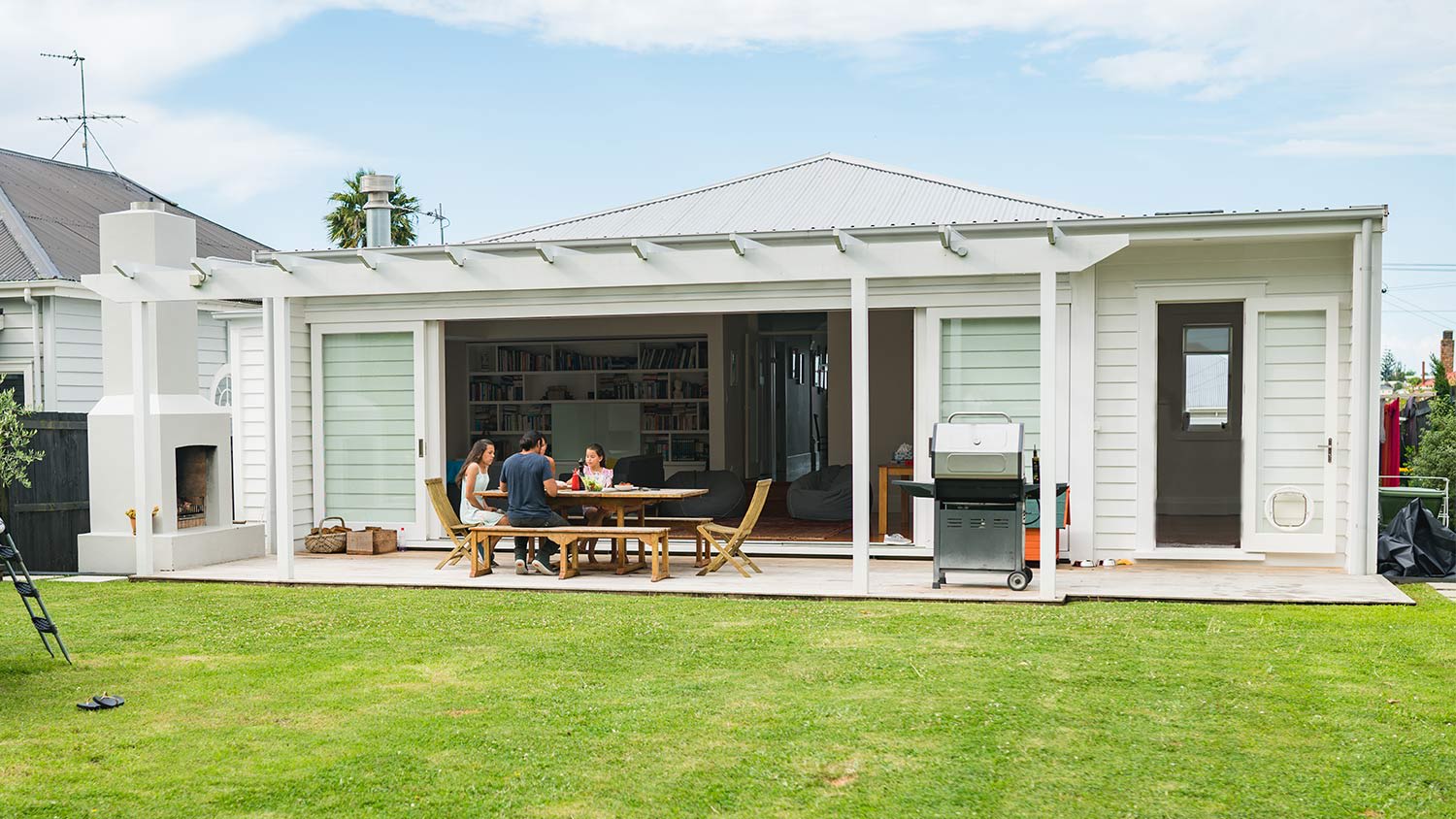
Dreaming of building your own home from the ground up? Learn how much it costs to build a house yourself and if it’s worth it to skip the pro on this project.

Home appraisals are an important part of buying or selling a home and getting a mortgage loan. Learn more about home appraisal costs and what they include.
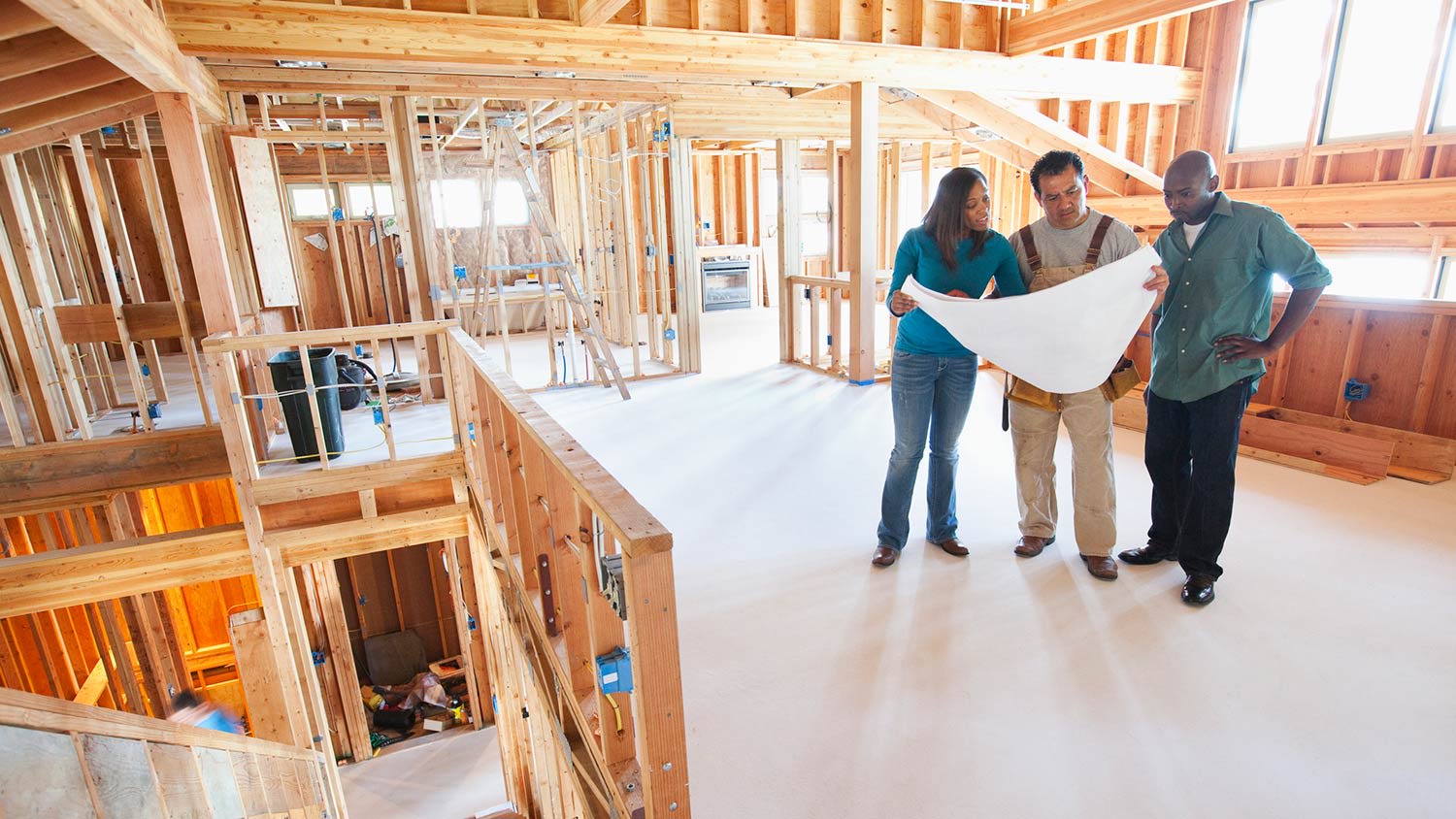
Building your dream home starts with hiring a builder. Here is how to find a builder who understands your needs and preferences for your brand-new home.

A sauna can be a fantastic source of health and relaxation. But how much electricity does it use? This guide gives the details of a home sauna’s energy usage.
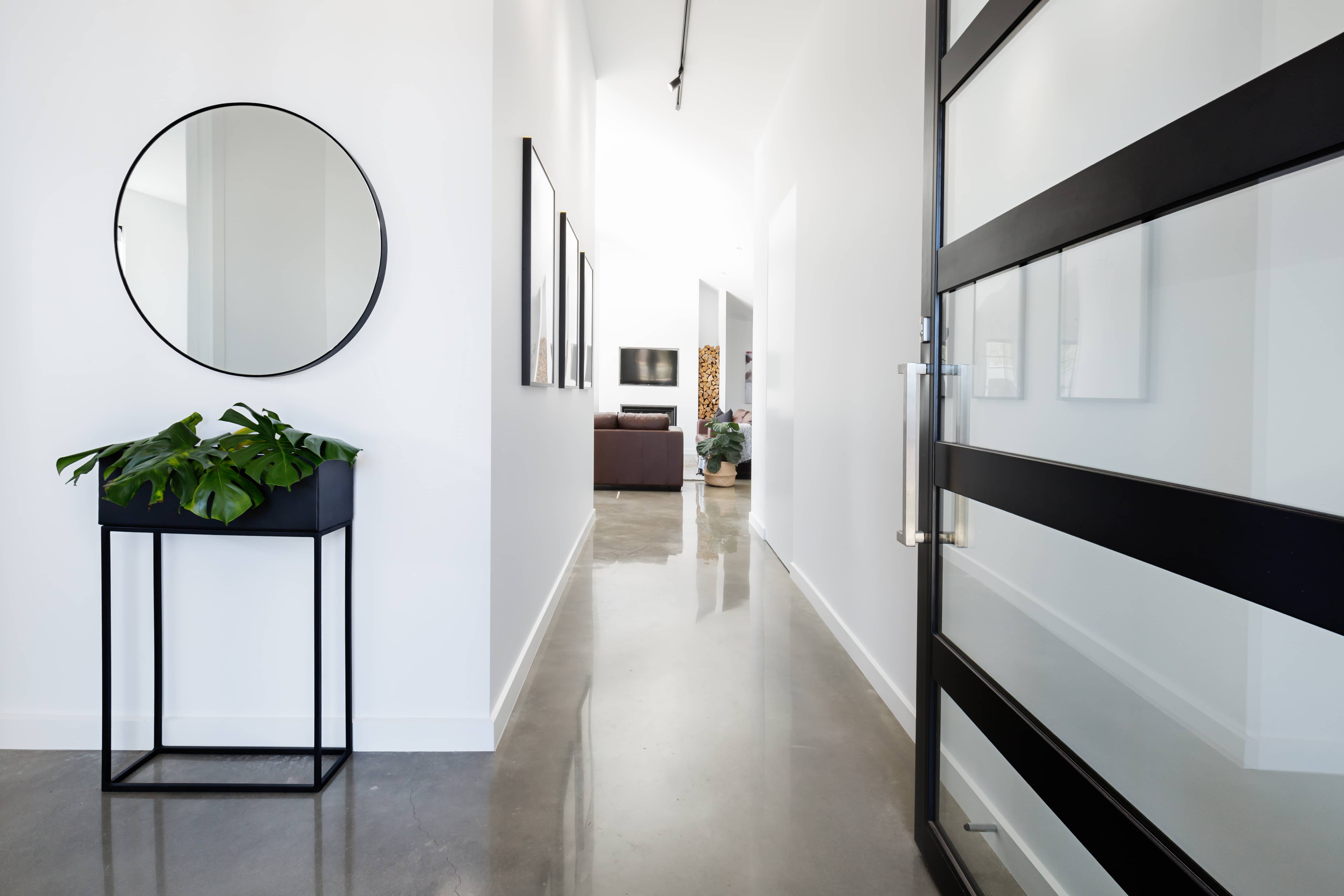
Discover the cost to build a modern-style home, including average prices, key factors, and tips to help you plan your project with confidence.