
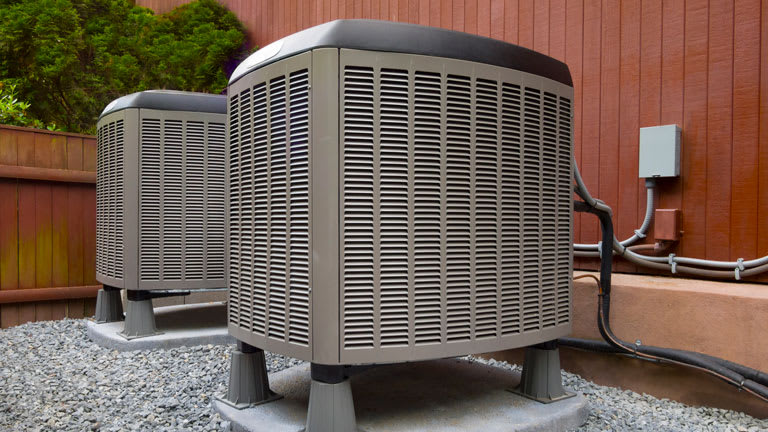
Heat pumps offer maximum efficiency and are more affordable than HVAC alternatives. Learn about heat pump costs in Houston, Texas, to set your budget.
Heating and air conditioning service costs depend on your project and location. Check with a local pro for your specific job.

Homeowners in Houston, TX, should expect to pay between $700 and $5,800 for a single-zone mini-split installation.
Larger properties may require additional mini-split zones, which have the biggest impact on project costs.
Local permits and required inspections also affect the budget, ranging between $350 and $1,100.
Hiring an HVAC specialist in Houston, TX, ensures a safe installation and offers a return on investment (ROI) of 55% to 75%.
In Houston, TX, homeowners looking to install a mini-split system can expect costs slightly higher than the national average due to the region’s high demand for cooling and the complexity of managing humidity in a hot climate. In Houston, TX, mini-split installation costs range from $1,972 to $4,930, with most homeowners paying an average of $2,958.
Several factors influence your budget, including the size of your home, the number of indoor units required, and the difficulty of installation. Optional upgrades, such as high-efficiency systems or enhanced humidity-control features, can raise initial costs but often provide better comfort and energy performance in Houston’s long, hot, and humid summers.
The final budget for a mini-split installation in Houston, TX, is determined by key factors, including the unit size, installation complexity, and the unit’s efficiency. Let’s break down how these affect your total.
You and your HVAC team will likely start by examining the correct mini-split configuration for your home. Tiny homes or those with an open floor plan may only require a single-zone system, while homes that need multiple thermostats will require more. The mini-split’s location will also determine the product's cost. Keep in mind that these prices do not include installation costs.
| Type | Average Cost |
|---|---|
| Single-zone | $700–$5,800 |
| Multi-zone | $1,800–$13,500 |
| Wall-mounted | $700–$9,800 |
| Ceiling-mounted | $1,500–$13,500 |
| Floor-mounted | $1,500–$4,500 |
| Ceiling cassette | $1,600–$10,200 |
Ductless mini-split installation is determined mainly by the system’s size.
| Unit Size (BTUs) | Average Cost |
|---|---|
| 6,000 | $550–$2,000 |
| 9,000 | $750–$2,900 |
| 12,000 | $900–$4,000 |
| 18,000 | $1,300–$5,200 |
| 24,000 | $1,500–$6,300 |
| 30,000 | $2,000–$6,900 |
| 36,000 | $2,200–$7,500 |
| 42,000 | $3,600–$9,500 |
The average 12,000 BTU unit will cost $2,450. Ductless cooling systems cost 30% more than new ductless systems and nearly twice as much as standalone window ACs, so consider your energy bill when budgeting for the long term.
The advantage of a multi-split or multi-zone system is that it allows you to have different cooling areas in your home. Up to five indoor units can be attached to each outdoor unit; most systems have at least one indoor unit. Additional units can cost between $500 and $2,200. More powerful condensers are needed to run more than five units at a time, which can increase costs.
When deciding how many rooms you need cooled in your home, you can choose between a single-zone and a multi-zone mini-split system. An HVAC professional can assess each room's square footage to ensure the right fit. More zones lead to higher costs, with single-zone units ranging from $700 to $6,000 and five-zone units from $5,200 to $14,200.
| Number of Zones | Average Cost |
|---|---|
| 1 | $700–$6,000 |
| 2 | $1,900–$9,000 |
| 3 | $2,400–$10,800 |
| 4 | $3,200–$12,500 |
| 5 | $5,200–$14,200 |
The efficiency of a mini-split unit significantly impacts its cost. A higher Seasonal Energy Efficiency Ratio (SEER) rating means lower monthly energy costs due to increased efficiency. You should factor this in when choosing a unit, especially in a region with extreme temperatures, where a higher SEER-rated system may be cost-effective.
Energy-efficient units save money in the long run and often even qualify for utility rebates and government tax credits. However, they may come with a higher upfront cost. Be sure to balance your budget with long-term savings when making a decision.
A ductless mini-split AC system comprises three main parts: an outdoor condensing unit, inside air units, and refrigerant coolant lines to connect everything. They can be bought as a kit, or each part can be purchased individually as needed.
The average prices below are for the parts only and don’t factor in the labor cost for professional HVAC installation, which can cost between $1,100 and $4,200.
| Part | Average Cost |
|---|---|
| Outdoor unit | $1,200–$6,500 |
| Indoor unit(s) | $500–$2,200 |
| Refrigerant lines | $6–$8 per foot |
| Installation kit | $375–$650 |
Homeowners in Houston, TX, should also factor in local labor pricing, permitting requirements, electrical work, and other region-specific costs when planning a mini-split installation. Below is a breakdown of expenses associated with hiring HVAC specialists in the Houston, TX area.
In Houston, TX, labor makes up 40% to 65% of the cost of a mini-split installation. HVAC technicians in the area charge between $130 and $260 per hour, or roughly $5,000 to $14,000 or more per project, depending on system size, installation difficulty, home layout, and the number of zones.
Licensed HVAC professionals in Houston, TX, can answer your mini-split questions and help you make the right decisions on specific cooling solutions for the Gulf Coast climate. With long, humid summers and heavy cooling loads, a knowledgeable local technician can properly size equipment, recommend humidity-control features, and handle installations that prioritize both efficiency and moisture management.
Depending on the complexity of the project, additional licensed professionals may be required:
General contractors handle jobs with structural modifications, attic or wall modifications, or coordination between multiple trades. In Houston, TX, general contractors charge between $125 and $240 per hour.
Electricians are required for panel upgrades, new dedicated circuits, or rewiring to support the outdoor condenser unit and multi-zone systems. Local electricians in Houston, TX, charge an average of $145 to $275 per hour.
In Houston, TX, permits are required for mini-split installations to ensure compliance with local mechanical, electrical, and building codes. Permit costs range from $350 to $1,100, depending on system size, complexity, and whether electrical upgrades are needed.
Most Houston, TX, homeowners have their HVAC contractor manage the permitting process, as local professionals are familiar with city inspection requirements, documentation standards, and energy code compliance needed to keep installations moving smoothly through the approval process.
In Houston, TX, installing a mini-split system can boost both comfort and home value, especially in older homes or properties without existing central air conditioning. Typical return on investment (ROI) ranges from 55% to 75%, depending on system efficiency, installation quality, and home condition.
Because the Houston, TX, climate is hot and humid for much of the year, buyers place a high value on effective, energy-efficient cooling. Ductless mini-splits are often seen as a desirable upgrade thanks to their zoned temperature control and strong humidity management.
To help homeowners plan their next project, Angi provides readers with carefully researched cost data and upholds strict editorial standards. We start with national average project costs, which we collect by analyzing competitor information, retailer material costs, and input from professional contractors. We then apply local price index data to calculate location-specific estimates that reflect what homeowners typically pay in their local area. To do that, we use data from the U.S. Bureau of Economic Analysis (BEA), including its Regional Price Parities (RPPs), which measure price differences across cities. This helps us account for differences in labor, materials, and overall cost of living, so estimates in higher- or lower-cost areas better reflect real-world local pricing.
Every estimate undergoes a thorough editorial review to verify accuracy, consistency, and alignment with observed market conditions.
Want to help us improve our cost data? Send us a recent project quote to [email protected]. Quotes and personal information will not be shared publicly.
I can’t recommend Gil Air highly enough. I’ve relied on them multiple times, both for regular HVAC maintenance and when my AC has gone out unexpectedly. They have never disappointed. They are incredibly professional, prompt, and honest with their pricing. What truly sets Gil apart is how...
 GIL Air LLC
Fred did a great job troubleshooting my A/C system and making the repairs needed. He took the time to explain the issues to me and listened to my concerns. Overall great customer service. I highly recommend Dynamic Air and will use them for my annual maintenance going forward.
 Dynamic Air Flow, LLC
Trust Green City Pros for air duct replacement! they guys who came out were meticulous and ensured every details was taken care of . to anyone seeking a dependable AC company, i'd direct them here. I'd vouch for this company to Anyone without hesitation.
 Green City Pros
They check my air conditioning and heating systems every 3 months
 One Hour Heating & Air Conditioning - Houston
It was obvious this company had experience. Communicated very well about the product. I had 3 companies present their products and the service the window film would provide. I needed heat reduction as I live in a high rise, corner unit, and the windows are single paned. The installation was...
My father-in-law recommended their air duct cleaning service and I m glad he did. Now I use it all the time. You should use it too!
 Safe House
I had an excellent experience with Comfort Air Solutions. It appears to be family-owned and operated, but service is clearly the priority. They now will be my new go-to provider for future HVAC in our home. I searched Angi for furnace repair, and received Comfort Air as one recommended...
 Wilson Fence & Iron Co.
Everything went smoothly and quickly, once we got going. They always responded time I called, and put the system in one day. I may be building an ADU soon, and will hire Comfort Air Solutions again.
 Comfort Air Solutions
Overall great experience with David Flores of Air Bourne. He provided the best up front experiences with his estimate and overall assessment of the hvac system. He and his team was top notch with installation. I will continue to use him in the future for my Houston area needs.
 Air Bourne Air AC & Heat, Inc.
Billy at Chilly Breeze has worked with our air conditioning systems for several years, and has always been a pleasure to work with. When he evaluated our system, he told us what as wrong, and gave us multiple options to fix the problem, including keeping our old system. Once we agreed to...
From average costs to expert advice, get all the answers you need to get your job done.
Heat pumps offer maximum efficiency and are more affordable than HVAC alternatives. Learn about heat pump costs in Houston, Texas, to set your budget.

If your air conditioning unit isn’t functioning properly, you might need an AC recharge. Our guide will detail what a typical AC recharge cost in Houston, TX looks like.
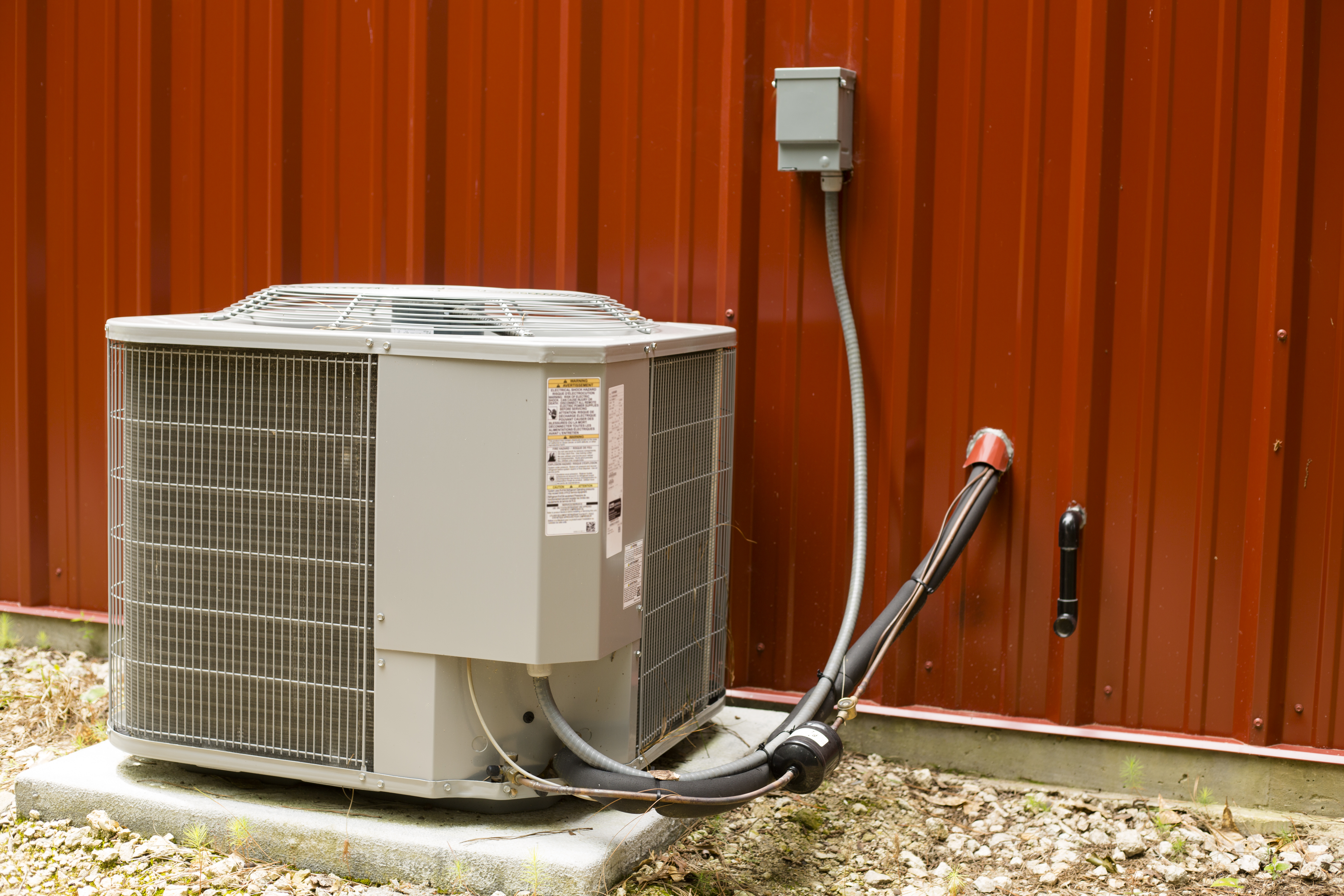
Houston is known for high temps, especially in the summer, so your AC needs to be in good condition. Find out AC replacement costs for Houston, Texas.

Review the disadvantages of mini-split systems as well as the benefits before buying. Review our breakdown of the mini-split pros and cons.

Thinking about a ductless mini-split heating installation? Learn about zoning options, costs to expect, and how to hire the right local HVAC pro.
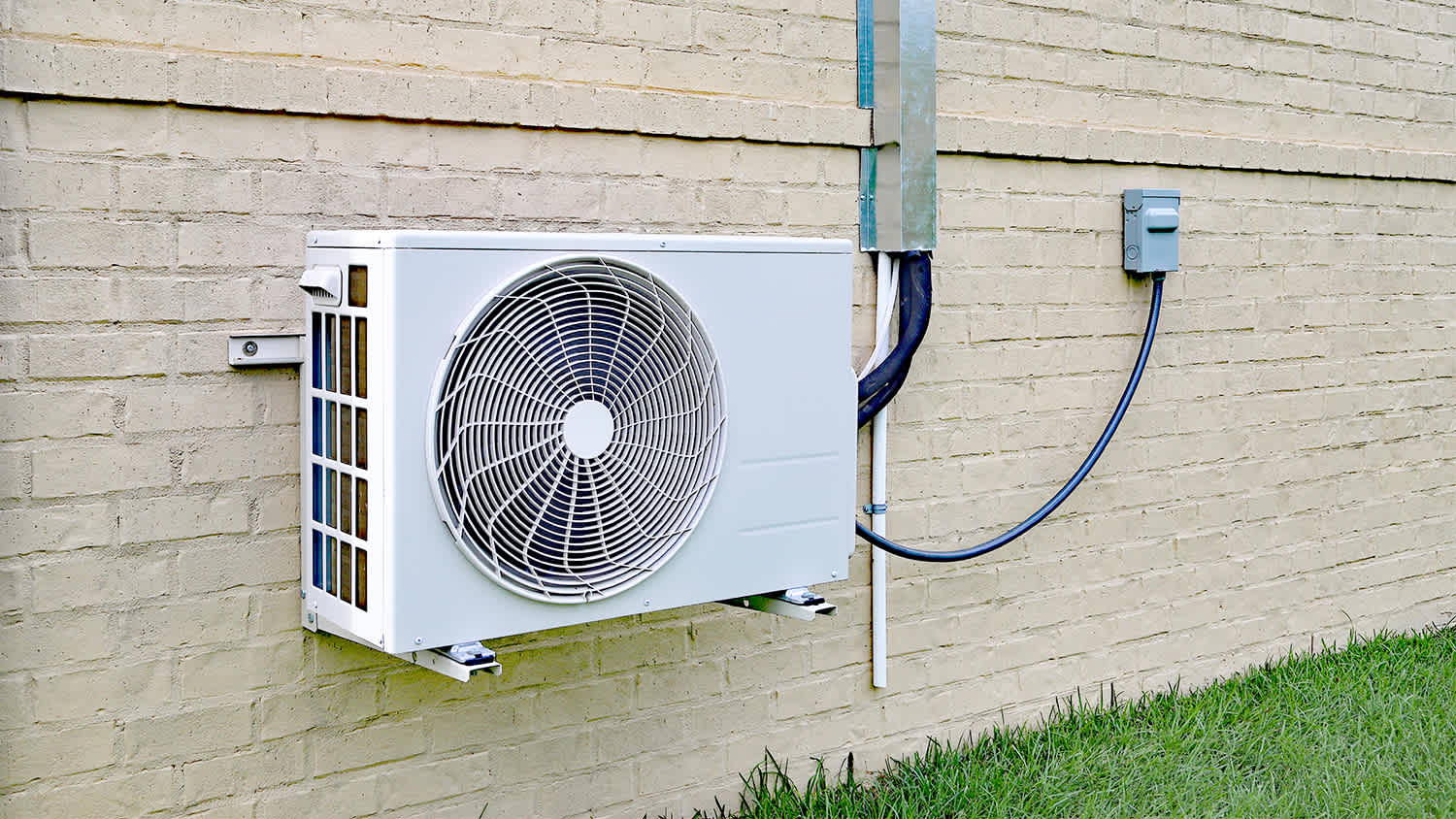
Adding a ductless mini split can be the right choice for a home addition or small space. Review these ductless mini split questions to prep for talking with a pro.