
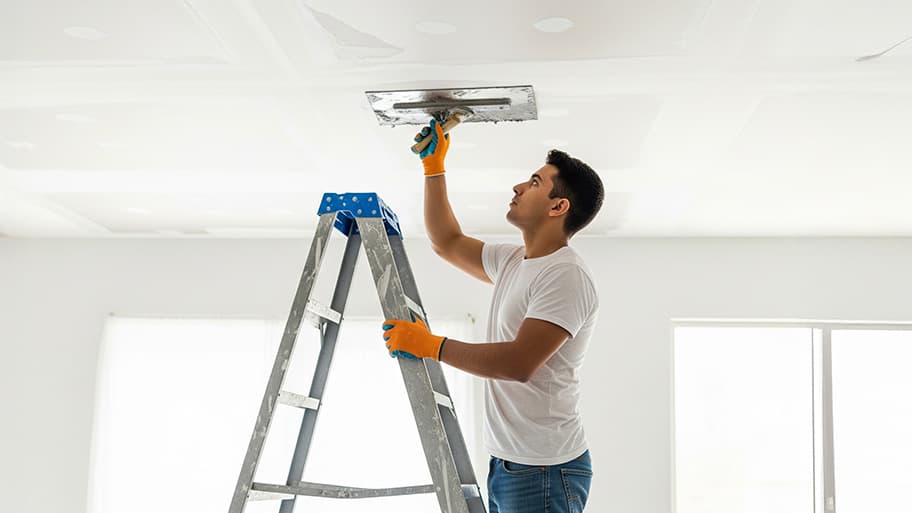
Repairing a ceiling in Washington, DC varies greatly based on several factors. Learn more about creating an accurate ceiling repair cost estimate with our tips.
Interior design and decorating costs depend on your project and location. Check with a local pro for your specific job.

A drop ceiling installation in Baltimore, MD, costs $2,197 on average for your materials and labor.
Your total project price depends heavily on the room size, ceiling height, and your chosen tile material.
Upgrading your materials to metal tiles costs between $15 and $25 locally, which increases your total project budget.
Hiring a drop ceiling contractor in Baltimore, MD provides reliable help with installation and saves you significant effort.
This article was created using automation technology and thoroughly fact-checked and edited by an Angi Editor in accordance with our AI policy.
Installing a drop ceiling in Baltimore, MD, runs $2,197 on average, but ranges from $1,073 to $3,328. Your final drop ceiling price depends heavily on the square footage of the room, the specific ceiling tiles you select, and local labor rates. Before starting your renovation, understanding the cost helps you confidently plan a project that fits your home and budget.
When hiring a local ceiling contractor in Baltimore, MD, several variables determine your final bill. The total price of your project depends heavily on the materials you choose, the size of the room, and the complexity of the installation.
The square footage of your room is the primary driver of your total drop ceiling budget. Larger spaces require more grid materials, tiles, and time from your installation pro, which increases the overall price. For a standard project in Baltimore, MD, homeowners pay an average of $2,197 per project, with most standard installations falling between $1,073 and $3,328 per project. If you are finishing a small bedroom, expect to spend around $945 to $1,360 per project, while a large basement runs $4,710 to $6,800 per project. If you are comparing this to other basement remodeling costs, a drop ceiling provides a highly accessible and practical option.
| Room Size (Sq. Ft.) | Description | Local Average Cost | National Average Cost |
|---|---|---|---|
| 100 | Small bedroom | $945–$1,360 | $900–$1,300 |
| 250 | Home office | $2,360–$3,400 | $2,250–$3,250 |
| 500 | Large basement | $4,710–$6,800 | $4,500–$6,500 |
| 1,000 | Commercial space | $9,410–$13,600 | $9,000–$13,000 |
The type of ceiling tile you select plays a significant role in your material expenses. Basic panels keep budgets low, while high-end or specialty finishes increase the price per square foot. Given the humid, muggy summers and potential for flooding in the local climate, we recommend investing in moisture-resistant or plastic tiles, which average $10 to $10 per square foot locally. On the other hand, standard fiberboard is a cost-effective choice at $5 to $10 per square foot.
| Tile Material | Local Average Cost | National Average Cost |
|---|---|---|
| Fiberboard | $5–$10 | $1–$7 |
| Black acoustic | $5–$10 | $2–$7 |
| Plastic | $10–$10 | $5–$9 |
| Metal | $15–$25 | $12–$20 |
| Wood | $15–$75 | $10–$70 |
The professionals you hire to install your drop ceiling charge labor rates based on their experience and the job's complexity. General contractors or specialized ceiling installers factor in the time it takes to measure, cut, and level the grid system perfectly. If your room has an irregular shape or requires working around existing ductwork, the extra time increases your labor fees. Homeowners weigh this against a drywall installation, but a drop ceiling is faster for a pro to put up and requires less finishing work.
Customizing your drop ceiling with extra features adds to your final project total. Upgrading to acoustic soundproofing, adding extra insulation, or integrating custom HVAC vents requires additional materials and specialized labor. If you plan to incorporate recessed lights or LED panels, you need to factor in the lighting installation cost to ensure everything is wired safely and correctly.
Beyond the basic materials and labor, the specific conditions of your home influence the final price. High ceilings or limited access points make the installation process more difficult, requiring special equipment and more time. Additionally, if your contractor needs to remove an old ceiling, haul away debris, or perform extensive site preparation before starting, these steps add to your total expenses.
Beyond the initial installation, homeowners in Baltimore, MD, should plan for ongoing and hidden expenses. Factoring in these long-term elements ensures your budget remains accurate over time.
Many manufacturers and installers offer warranties on drop ceilings, covering materials, labor, or defects. Standard warranties last one to 10 years, but terms and coverage vary, so ask your contractor for details.
A drop ceiling changes your heating or cooling efficiency by reducing room height, lowering energy costs. However, ongoing costs for lighting or integrated systems require consideration, as specialty lighting increases your electricity bills.
Routine cleaning is simple—just dust or wipe tiles and grids. Over time, you need to repaint grids or replace sagging panels, with mineral fiber requiring more frequent replacement than PVC or metal tiles.
Sales tax on materials and labor adds to your total drop ceiling cost, depending on your local tax rate. Check current regulations to calculate this exact addition to your budget.
Homeowners insurance does not cover standard drop ceiling installation, but it covers repairs if damage is caused by a covered event like a pipe burst. Upgrading to a safer or fire-rated ceiling reduces your insurance premium, so verify that your contractor carries proper liability insurance to protect your home during installation.
When hiring a ceiling specialist in Baltimore, MD, plan to spend between $40 to $100 per hour for labor. If your contractor charges by the size of the room, rates run from $2 to $5 per square foot. Your final bill depends on the complexity of the grid layout and obstacles like ductwork. Factor the 6% state sales tax on materials into your total budget. We recommend getting multiple quotes to find the best fit for your home.
Before starting drop ceiling installation, confirm whether your project requires permits in your area and who is responsible for obtaining them. Permit requirements and costs vary by location, but most drop ceiling installation permits range from $50 to $300, depending on the scope of work and your local municipality.
Working without the proper permits can lead to fines, project delays, or complications when selling your home. If you're hiring a drop ceiling contractor, review your contract to ensure they will handle the permitting process and inspections. To verify permit requirements, visit your city or county's official building department website for the most accurate and up-to-date information.
Hiring a drop ceiling professional in Baltimore, MD saves you valuable time while ensuring your ceiling adds long-lasting value and meets strict safety codes.
Contractors possess the exact laser levels and specialized cutting tools required to build a perfectly flat grid.
Experts easily navigate complex obstacles like overhead ductwork, wiring, and plumbing pipes.
They handle precise measurements, preventing wasted materials and misaligned acoustic tiles.
Professionals source high-quality materials that resist sagging better than standard retail options.
Home is the most important place on earth, which is why Angi has helped more than 150 million homeowners transform their houses into homes they adore. To help homeowners with their next project, Angi provides readers with the most accurate cost data and upholds strict editorial standards. We survey real Angi customers about their project costs to develop the pricing data you see, so you can make the best decisions for you and your home. We pair this data with research from reputable sources, including the U.S. Bureau of Labor Statistics, academic journals, market studies, and interviews with industry experts—all to ensure our prices reflect real-world projects.
Want to help us improve our cost data? Send us a recent project quote to [email protected]. Quotes and personal information will not be shared publicly.
Vadym was excellent! He cut in beautifully, especially considering the wall color was matte black and the ceiling was white: clean, crisp, straight lines, not a drip or waver. He was fast and pleasant, truly the best interior painter I've ever had. I would use him again in a heartbeat. ...
 Reno Revival Decor LLC
I have had a lot of remodeling done in my home and this was by far the best experience I have ever had. Experts on construction and design. Once they had an idea on the taste level, I didn’t have to monitor the project. I would highly recommend that you give them your much needed renovations....
 Jay and Mo Construction, LLC
Leo the installer and his guy were excellent and have amazing work ethic and the work was conducted in a professional manner. Omar came in and inspected everything and was kind and Iâ m so happy I got my insulation done
 Home Genius Exteriors
Very Professional, painted all my house interior (5 rooms) done the right way in a timely manner. Highly recommended.
Victor Liberatore is a talented, very capable interior designer. It was a pleasure watching the concepts that he developed for us evolve from early sketches, to computer generated images, to the finished product. He has turned our home into a comfortably beautiful residence that my wife and I...
 Victor Liberatore Interior Design
We are *extremely* pleased that we chose Leon's Custom Painting! We are truly thrilled with the results of the project Leon completed for us. He painted most of the exterior of our older home - a job of matching brick with vinyl siding and all the trim and gutters, etc. He is an outstanding...
 Leon's Custom Painting
We hired Simon Aluisy and his crew for a full interior paint job (walls, ceilings, trim, doors) in a 2400+ SF historic row house. Simon had a very fair and straightforward estimate, used high quality Sherwin Williams paints, and came highly recommended by a friend who had also used him to...
 Aluisy & Company
I was and am extremely pleased with the job this company did for us. I am calling them again to paint the interior.
Will and his company are absolutely phenomenal! Their landscape clean up was perfect, great pricing and Will kept me informed with texts and photos. Highly recommend WS Services and will work with them for interior projects as well.
 W S Services Unlimited
LaShae came on time and was very professional. I had a lot questions in person and prior to our appointment. She provided me with the kitchen design I asked for but she also gave me another option that we didn't even consider. I chose the other option because it was a better fit based on my...
 L.A.Design Collective LLC
From average costs to expert advice, get all the answers you need to get your job done.
Repairing a ceiling in Washington, DC varies greatly based on several factors. Learn more about creating an accurate ceiling repair cost estimate with our tips.
Popcorn ceiling removal costs in Washington, DC depend on the size of your ceiling and additional services, like asbestos removal. Learn all the costs here.
Find out the average cost to install a ceiling fan in Baltimore, MD. Learn what you can expect to pay for local ceiling fan installation and electrical work.
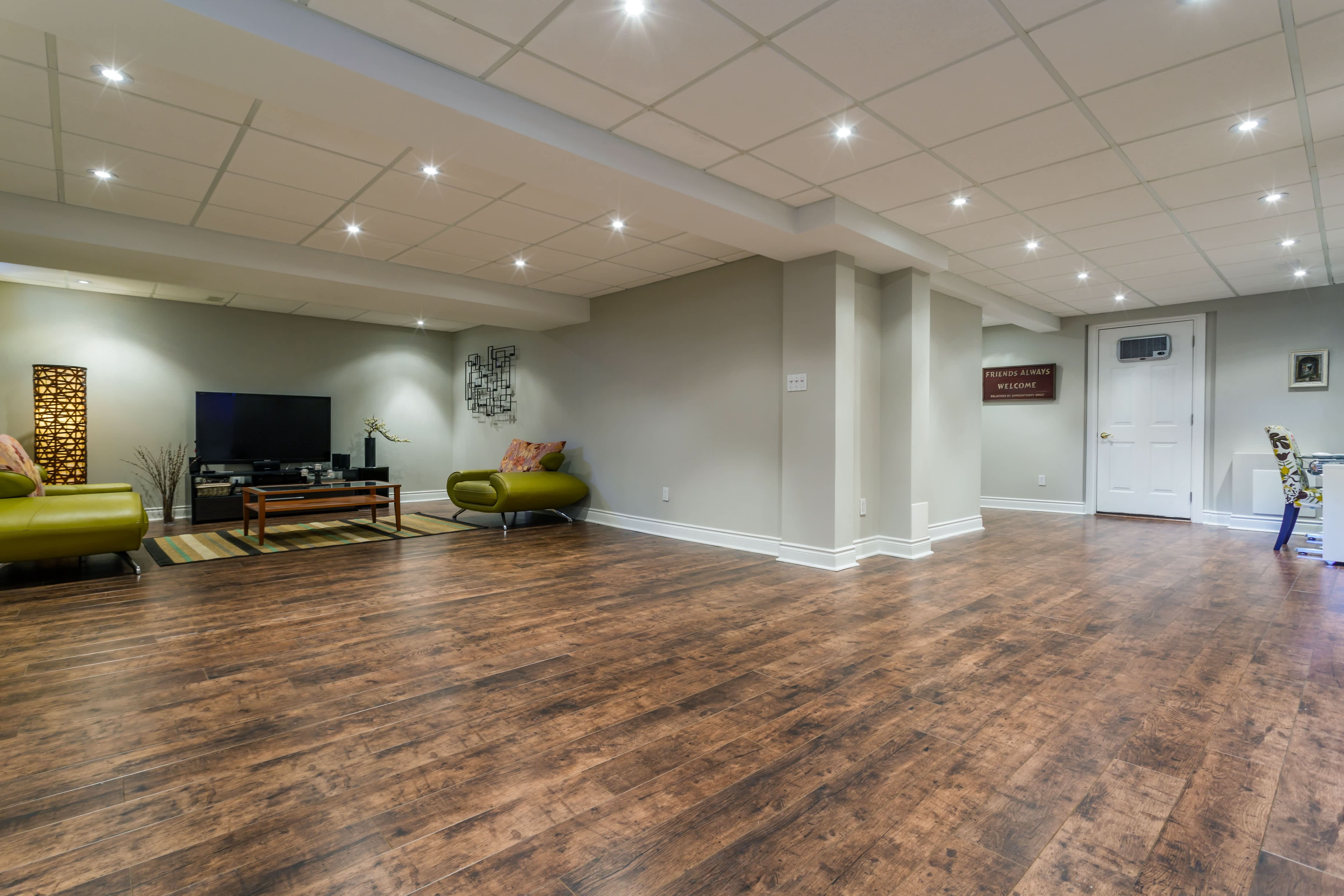
A drop ceiling is an easy way to cover unsightly drywall stains or exposed ductwork and plumbing. You can tackle this project with our how to do a drop ceiling step-by-step guide.

Drop ceilings are secondary ceilings of grids or suspended drywall. Learn more about how this ceiling type is used in residential and commercial buildings.
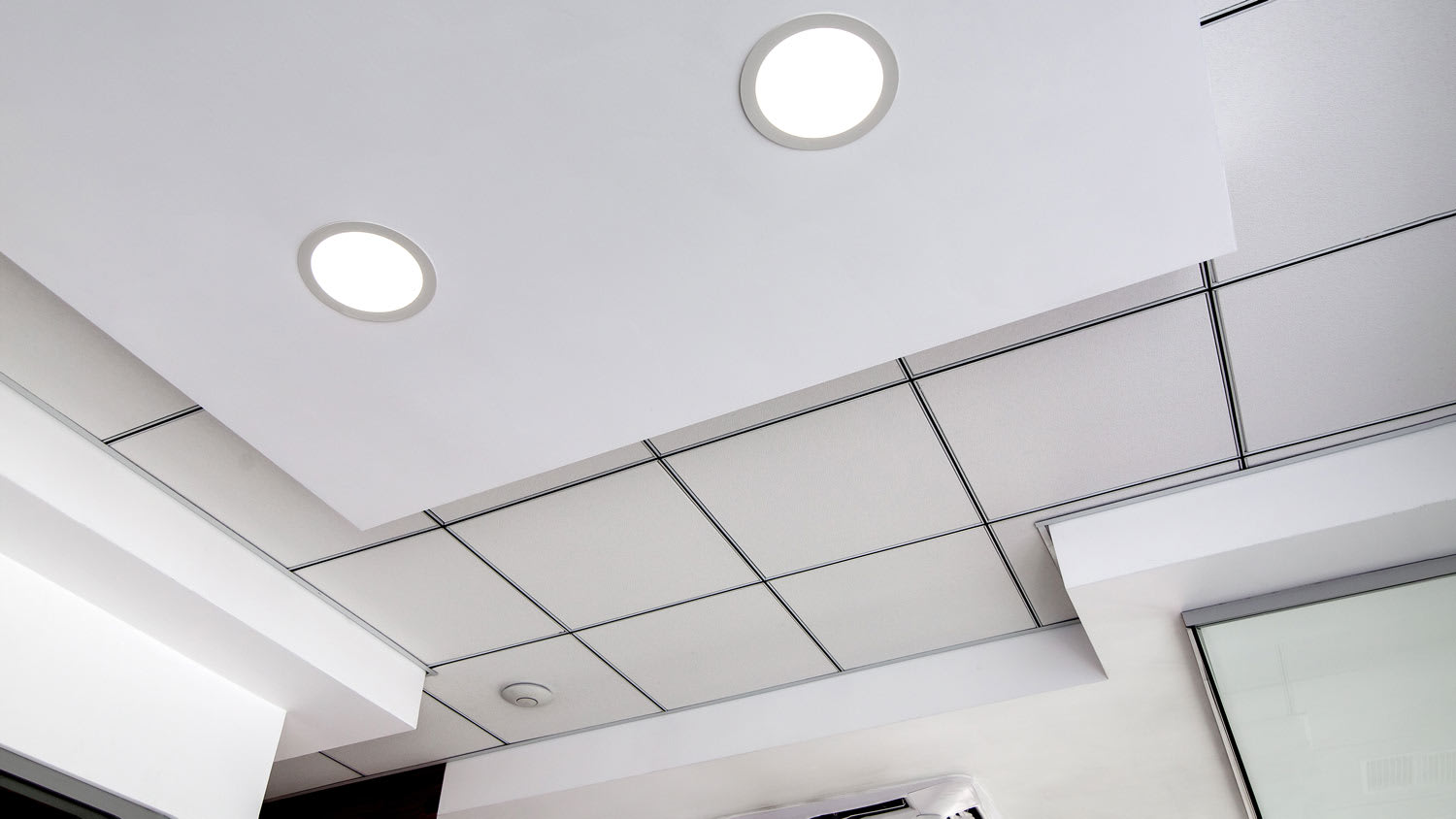
Learn how to figure drop ceiling grid and tile material for any room in your home using this calculator to minimize waste and maximize attractiveness.