
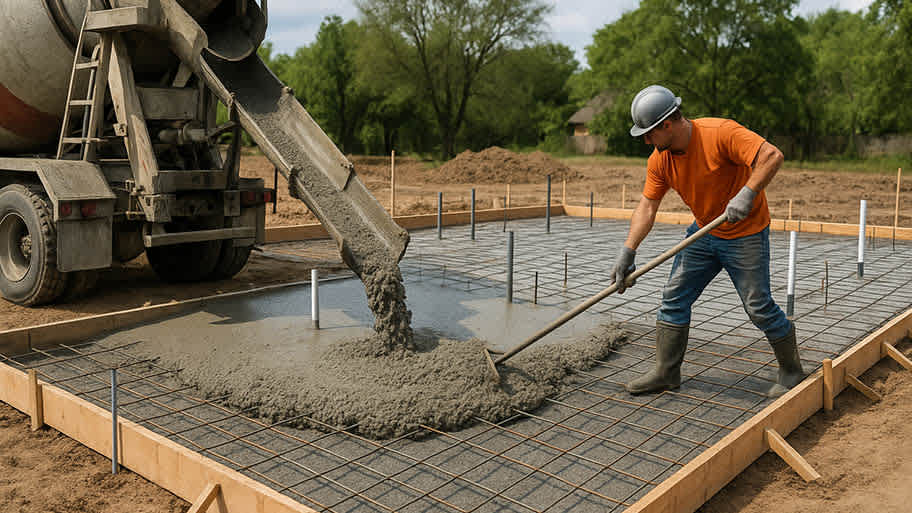
A foundation for a new-build home averages around $6,828. Find out all the factors that affect the cost of a foundation in Los Angeles, CA and how to save money.
Basement waterproofing costs depend on your project and location. Check with a local pro for your specific job.

Encapsulating a crawl space in Los Angeles, CA, usually costs between $2 and $11 per square foot, depending on the space's condition and the amount of repair work needed beforehand.
The city’s older homes, coastal air, and pest issues can all increase the amount of cleanup and repairs required before sealing can begin.
Additional upgrades like ductwork replacements ($510–$2,270) and foundation waterproofing ($1,705–$17,040) can significantly increase the final project cost.
Working with a Los Angeles, CA, crawl space encapsulation contractor can help you identify underlying issues early and build a more accurate budget for the project.
Crawl space encapsulation in Los Angeles, CA costs an average of $6,248, but most projects fall between $5,680 and $17,040. Although Southern California is relatively dry for much of the year, crawl spaces here can still develop issues due to coastal moisture, aging foundations, termite activity, and occasional heavy storms. This guide covers how much you can expect to pay based on the primary cost factors, so you can create an informed budget for this project.
The cost of encapsulating a crawl space in Los Angeles, CA, varies quite a bit depending on the space’s size and condition. But other factors, like whether any problems need to be addressed prior to encapsulation, can also significantly affect costs.
Basic crawl space encapsulation costs between $2 and $5 per square foot, while more extensive encapsulations can total between $3 and $11 per square foot. The latter normally involves more substantial cleaning, repairs, and requested features. No matter the extent of the work you need done, though, larger crawl spaces will cost more to encapsulate.
Here’s the average crawl space encapsulation cost based on size:
| Crawl Space Size (Sq. Ft.) | Encapsulation Cost |
|---|---|
| Small (1,000) | $2,270–$11,360 |
| Medium (2,000) | $4,540–$22,720 |
| Large (3,000) | $6,820–$34,080 |
If your crawl space has pests, mold, or other problems that your professional needs to address, you should expect to add costs for cleaning and inspection. Your prices will be lower if your crawl space is in good condition beforehand, and your expert can jump right into waterproofing rather than spending time on a thorough clean-up first. Here’s how repairs can affect your crawl space encapsulation costs:
| Type of Repair | Cost |
|---|---|
| Vent issues | $115–$570 |
| Sealing cracks | $225–$1,135 |
| Pests | $570–$11,360 |
| Mold issues | $1,135–$3,975 |
| Water damage | $1,135–$11,360 |
| Sagging floor | $1,705–$11,360 |
| Waterproofing | $1,705–$7,950 |
| Structural repairs | $1,705–$18,180 |
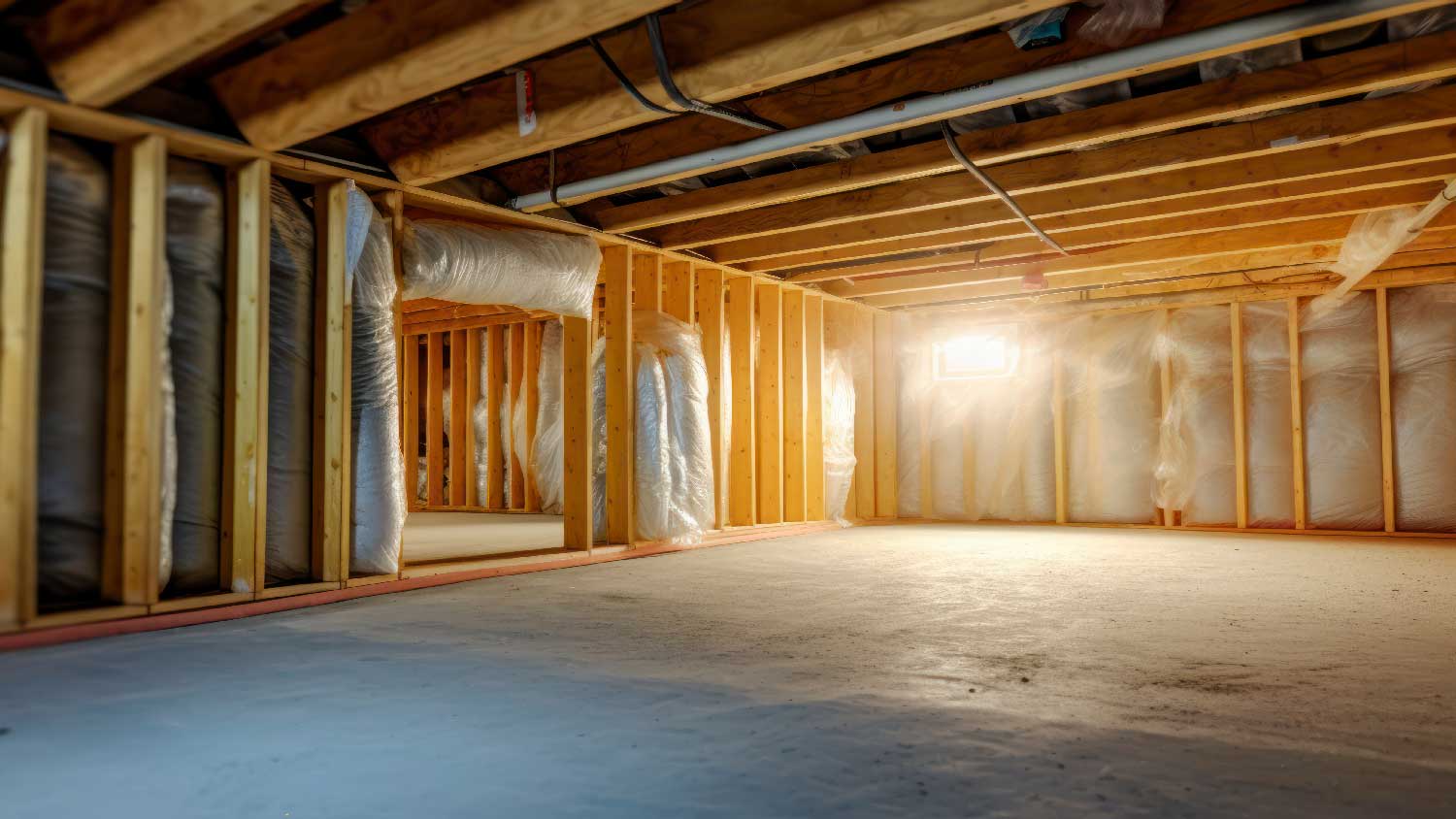
Basic encapsulations are usually limited to sealing vents and covering the crawl space with a vapor barrier to reduce moisture and outside exposure. Extensive encapsulations include more substantial work beforehand, such as repairing damaged framing, replacing insulation, correcting drainage problems, or treating mold and pest damage before the crawl space can be sealed. Although Los Angeles, CA, has a relatively dry climate, older homes, coastal moisture, and occasional heavy rain can still create crawl space conditions that require a more extensive approach. A crawl space professional in Los Angeles, CA, can inspect the area and determine which type of encapsulation makes the most sense for your home.
One of the main things that will influence the cost of crawl space encapsulation in Los Angeles is the materials you use. The materials you need will vary depending on what you need your professional to do as part of the encapsulation. Here’s a breakdown of cost estimates for different crawl space encapsulation materials, though your crawl space pro can explain in more detail:
| Material | Cost |
|---|---|
| Spray foam insulation | $1–$2 per sq. ft. |
| 20-millimeter vapor barrier | $1–$2 per sq. ft. |
| Vent covers | $45–$55 each |
| Insulation board (2-inch thick) | $30 each |
| 4-inch vapor bond tape | $55 per roll |
| Pedestal sump pump | $70–$195 |
| Submerged sump pump | $115–$455 |
| Dehumidifier | $910–$3,410 |
| Ductwork | $510–$2,270 |
Properly preparing for your crawl space encapsulation in Los Angeles will help ensure that your project is a success. Before contractors begin work, you should first make sure that they will be able to access the area easily. This might mean moving furniture pieces around or emptying out a closet, depending on where the entryway is located.
Next, your contractor will need to take care of any problems before tackling the actual encapsulation. If you have any issues like standing water, damage to electrical or plumbing systems, or rotting wood, you need to fix the source of the problem. Repairs can cost anywhere from $225 to seal a foundation crack or install an outlet for a sump pump or dehumidifier to over $11,360 if you need to bring in extra pros to make structural repairs, remove pests, and remediate mold in the space.
On average, homeowners pay $5,225 for foundation waterproofing, but the cost can range from $1,705 to $17,040, depending on the system's complexity and the home's size. You can figure out the best option for your home by contacting a local basement waterproofing contractor.
Sealing any vents and air leaks ensures the space is fully encapsulated and that you won’t have ongoing moisture and mold issues under your home. You can expect to pay $15 to $25 per vent cover if you install them yourself or between $45 and $55 each if you have your professional install and seal them.
It’s important to remember there are costs to consider beyond those up-front costs that come along with the encapsulation, and it’s wise to budget for them in advance to prevent any surprise charges from popping up. From maintenance to repairs, here are some ongoing costs to consider for a crawl space encapsulation.
Whether your crawl space encapsulation project is equipped with a sump pump, drainage pipes, or other methods of water removal, there will likely be ongoing costs for the system’s maintenance. Ensuring the drainage system is working properly is important to avoid any excess moisture from accumulating. Budgeting between $570 and $910 every five to ten years is a good way to ensure repairs are covered.
If there is a pest infestation in your crawl space prior to completing the encapsulation project, expect to spend an average of $430 to cover the cost of removing animals.
After that, regular check-ins with pest control specialists are something you’ll likely want to spend some money on down the line to ensure everything is clear. That’s especially true if you discover insects in your crawl space. Ongoing pest control can do wonders for keeping insects out of your crawl space, but the service costs $340 to $625 annually for around-the-clock protection.
If you have mold in your crawl space before encapsulating, you may need to pay for a mold inspection every so often to ensure the issue isn’t returning. A mold inspection will cost between $170 and $340. Luckily, your encapsulation should decrease the risk of mold growth in the area, so you could plan on an inspection every three to five years.
Routine inspections, aside from those for pests and mold, are an essential ongoing cost after a crawl space encapsulation in Los Angeles. Hiring a professional inspector to check for things like damaged insulation, ductwork issues, and moisture content will cost around $115 to $340 and can help keep your crawl space in tip-top shape.
Your encapsulation will often include a professional cleaning beforehand, but you should also budget for routine cleanings to keep your space neat and tidy. A one-off crawl space cleaning costs $4,540, on average, but after encapsulation, the cleaning process becomes a lot easier and should no longer include mold or pest removal. Budget for between $170 and $340 every few years for ongoing cleaning services.
Labor tends to make up the bulk of crawl space encapsulation costs, but permit fees can also increase your price depending on the scope of it.
Labor makes up between 50% and 70% of the total encapsulation costs in Los Angeles, or between $3,410 and $4,770. Labor costs will increase from there if you need extensive prep work done before the actual encapsulation. You’ll see the highest labor costs—up to $23,860—if you need structural repairs, mold remediation, and pest remediation before your professional can start the encapsulation.
Basic encapsulations in Los Angeles, CA, don’t typically require a permit, but you may need one for more extensive projects. Before you begin any work, it’s best to check with your local building department or ask your professional if you need permits. Permits for crawl space encapsulation will cost between $150 and $550.
It’s not uncommon for crawl space encapsulations to require additional contractors before the space can be sealed. Depending on the condition underneath your home, you may need to hire exterminators for pest problems, mold remediation crews, or structural engineers to assess and fix problems prior to the install.
Crawl space encapsulation generally won’t raise your home’s appraised value on its own, but it can make the property more appealing to prospective buyers. Buyers and inspectors often pay close attention to signs of moisture intrusion and wood deterioration under the home, and an encapsulated crawl space can help reassure them that those issues have been properly addressed or prevented.
To help homeowners plan their next project, Angi provides readers with carefully researched cost data and upholds strict editorial standards. We start with national average project costs, which we collect by analyzing competitor information, retailer material costs, and input from professional contractors. We then apply local price index data to calculate location-specific estimates that reflect what homeowners typically pay in their local area. To do that, we use data from the U.S. Bureau of Economic Analysis (BEA), including its Regional Price Parities (RPPs), which measure price differences across cities. This helps us account for differences in labor, materials, and overall cost of living, so estimates in higher- or lower-cost areas better reflect real-world local pricing.
Every estimate undergoes a thorough editorial review to verify accuracy, consistency, and alignment with observed market conditions.
Want to help us improve our cost data? Send us a recent project quote to [email protected]. Quotes and personal information will not be shared publicly.
Had to have a water leak detector installed for my home insurance. Kahuna came and quoted me almost half the price of the other guys that showed up. Came the next day and knocked out the project in a few hours. Highly recommend, will be using them for all my plumbing needs.
 Kahuna Comfort Plumbing Heating & Air
Their mitigation crew approached the project carefully and strategically. Instead of ripping apart half the kitchen unnecessarily, they isolated only the truly affected sections while preserving as much material as possible. Throughout the drying process they checked moisture levels daily and...
 LeakSafe Homes
Williams is amazing. He came out in a timely manner to install a handrail in my basement. He was extremely professional, nice, and proficient in his trade. After he analyzed the project, he made additional recommendations to make sure the rail was installed correctly, secure and safe to...
 Pro Handy Angels
We discovered mold in our basement and were stressed about the potential health risks. Madison Ave Construction responded quickly, explained everything clearly, and started remediation the next day. They sealed off the area, removed the mold safely, and treated the space thoroughly. Their...
 Wyn Living Collective
SJZ Construction fully transformed my home by converting unused basement space into an incredible in-law suite. Sammy handled even the smallest details like a true professional. His subs do fantastic work and the project stayed on schedule. I could not be happier with choosing SJZ.
Our basement transformation was seamless thanks to their skilled general contractors. Extremely satisfied with the outcome.
 24/7Locksmith
It gives me great pleasure to write this excellent review for Creative Construction because they recently finished a fantastic basement remodeling for my family. They went above and above our expectations in every manner from the beginning to the end.I heartily endorse this business.
 Creative Construction 360 Inc.
Had some water leaking into my basement and was unable to figure out why. I called Raja inquiring what an estimate for a foundation repair would be - he gave me an estimate but also offered to stop by for a free estimate to confirm. On the day of, he advise it was in fact not a foundation...
 Big Rose Construction, Corp.
R&B tile did a great job on replacing our outdoor silicone seal along the floor of our stucco walls, natural stone , and window frames during the rainy season. We have yet to see if the job will keep the water from further seeping into our indoor wood floors. Business was responsive and...
Integrity First, gave me excellent service and fair prices on installing new waterproof laminate floors and installing new retro fit windows.
 Integrity First Handyman Services
From average costs to expert advice, get all the answers you need to get your job done.
A foundation for a new-build home averages around $6,828. Find out all the factors that affect the cost of a foundation in Los Angeles, CA and how to save money.
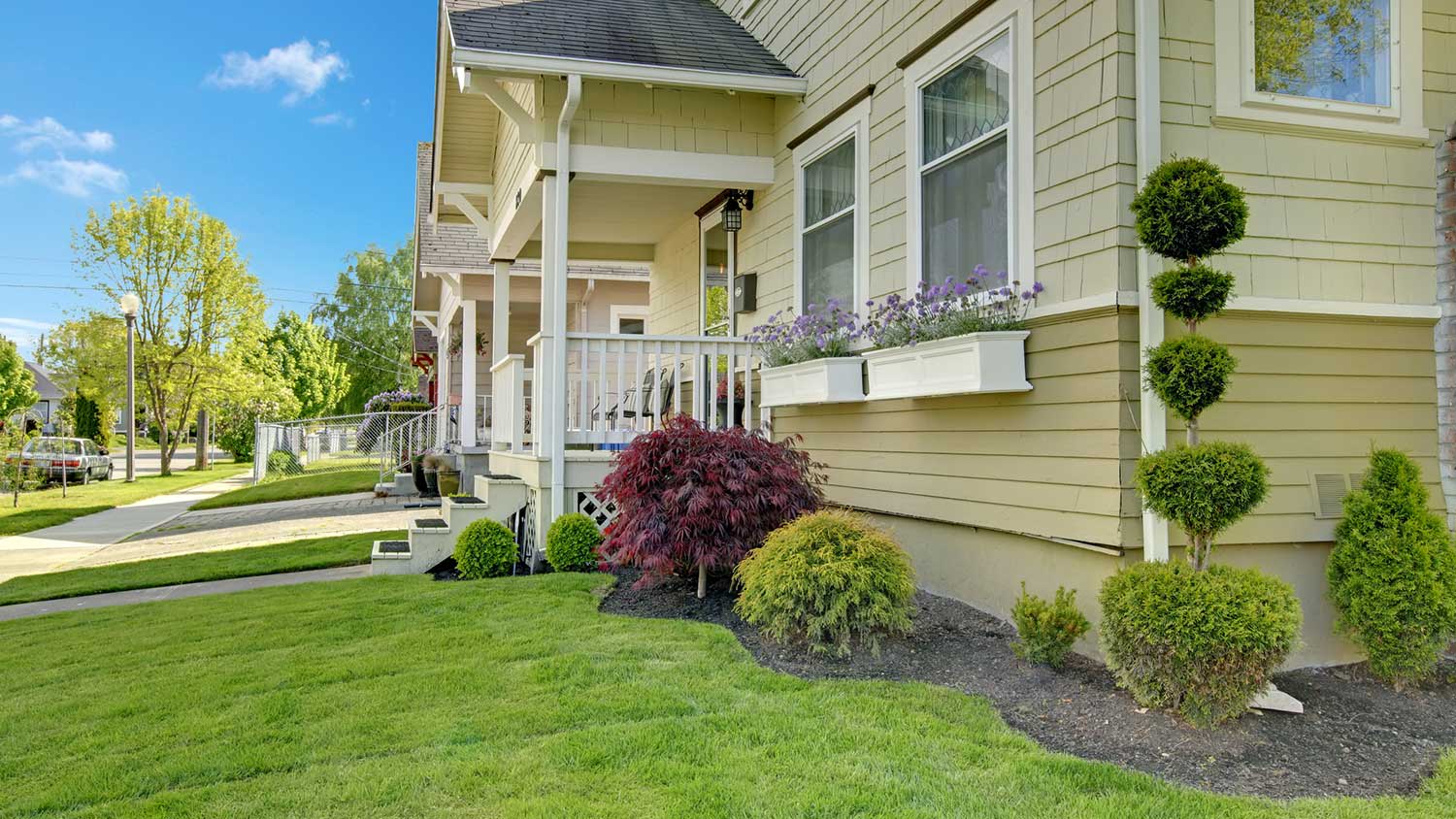
A variety of factors can affect your total crawl space encapsulation cost. Here’s a breakdown of the cost of this project, whether you hire a pro or DIY.
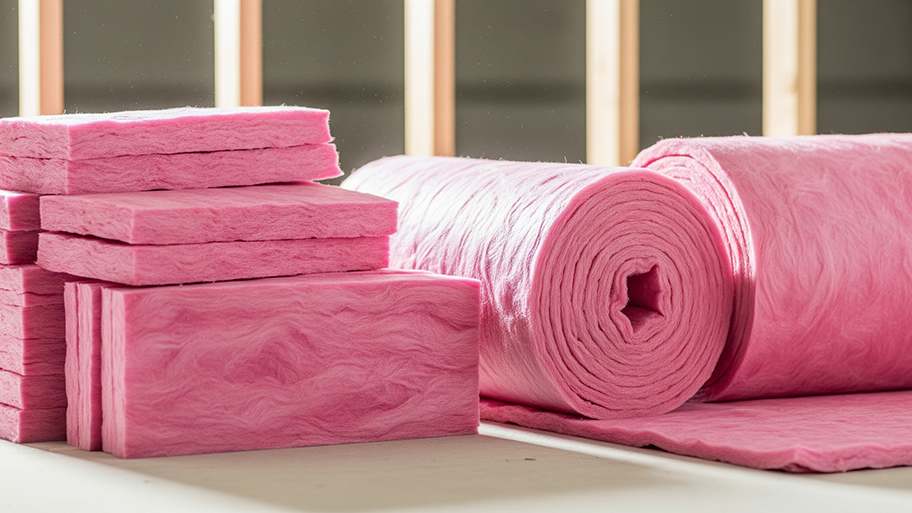
Crawl space insulation costs vary by size, insulation type, and material. Read this guide to learn how much your crawl space insulation could cost.

Crawl space encapsulation can make a big difference if you’re experiencing issues with mold, mildew, and pests. Here’s what you need to know.
Before investing in a pricey vapor barrier, does crawl space encapsulation add value to your home? The answer is a little more complicated than you expect.
Keeping your crawl space vents open or closed largely depends on the season, moisture, and existing ventilation. Learn why weather is a major factor.