
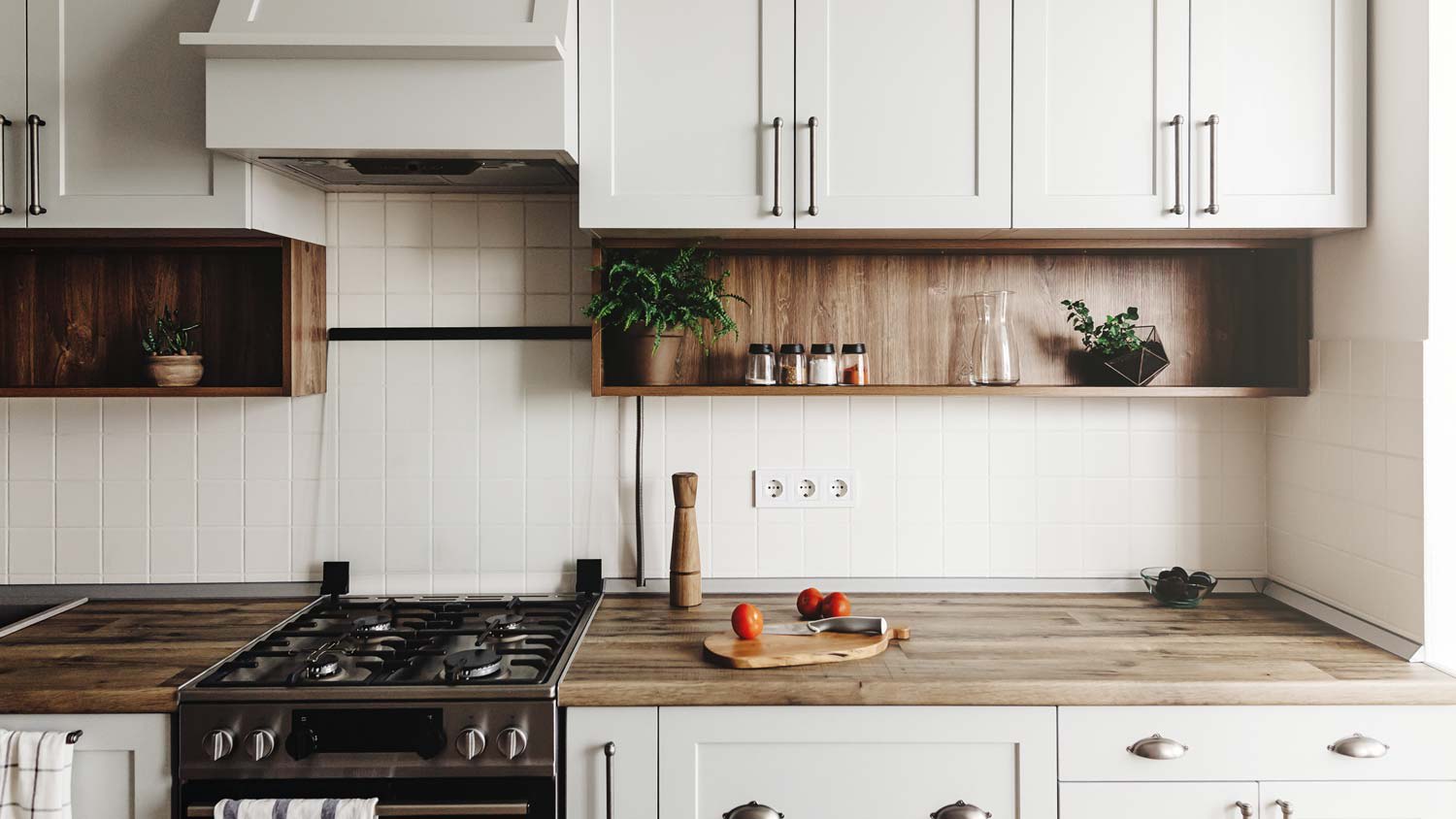
When refinishing your cabinets, you’ll need to consider the condition of your cabinets, budget, color, and stain preference. Find the cost to refinish cabinets in this guide.
Cabinet refacing and refinishing costs depend on your project and location. Check with a local pro for your specific job.


Professional cabinet resurfacing costs between $4,483 and $10,590 for your project, depending on materials, kitchen size, and labor rates.
Your resurfacing method drives cost, with refacing requiring more materials and labor than painting or refinishing.
Budget for your prep work, plus add-ons like soft-close hinges, new hardware, crown molding, or lighting.
Hiring a local kitchen cabinet refacing professional ensures your kitchen update is done well and boosts the overall home resale value.
This article was created using automation technology and thoroughly fact-checked and edited by an Angi Editor in accordance with our AI policy.
In 2026, the national average cost to resurface kitchen cabinets is $7,234, based on 7,355 verified projects from Angi Pros. Most homeowners pay between $4,483 and $10,590, or $150 to $450 per linear foot, with kitchen size, materials, and labor rates driving the spread.
Several factors shape the total cost of resurfacing kitchen cabinets, including the method you choose, the size of your kitchen, and the materials used. Understanding each element helps you plan a realistic budget and avoid surprises.

The three main approaches to resurfacing kitchen cabinets — refacing, painting, and refinishing — vary significantly in cost, with refacing being the most expensive because it requires new materials and hardware. Cabinet painting updates color and finish with paint, while refinishing cabinets involves sanding and applying a new stain or clear coat to existing surfaces — both more budget-friendly options. Refacing delivers the most dramatic transformation, replacing doors, drawer fronts, and veneer for a near-new appearance. Custom cabinets or unique layouts can raise costs above those of standard or stock configurations, regardless of the method chosen. Here is how the three resurfacing types compare:
| Type of Resurfacing | Description | Average Cost in 2026 |
|---|---|---|
| Refacing | New doors, drawer fronts, and veneer on boxes | $4,000–$13,500 |
| Painting | Sanding, priming, and painting existing surfaces | $180–$3,200 |
| Refinishing | Sanding and applying new stain/clear finish | $2,000–$7,000 |
Kitchen size is one of the most direct cost drivers for cabinet resurfacing, with homeowners paying $150 to $450 per linear foot depending on materials and labor. A small galley kitchen at around 10 linear feet will cost significantly less than a large kitchen with 30 or more linear feet of cabinetry. More cabinets mean more materials, more labor, and more time on the job. Here is how size and layout can impact costs:
| Kitchen Size | Linear Feet | Average Cost in 2026 |
|---|---|---|
| Small | 10 | $1,500–$3,000 |
| Medium | 20 | $3,000–$6,000 |
| Large | 30+ | $5,000–$10,000 |
Material selection is one of the biggest drivers of cabinet resurfacing costs, with options ranging from budget-friendly laminate and thermofoil to premium solid wood and plywood. Wood veneers — including oak, maple, cherry, and walnut — each carry their own price point, while laminate and thermofoil offer a more affordable and low-maintenance alternative. Hardware upgrades like new handles, pulls, hinges, or soft-close mechanisms add to the total, as do specialty finishes such as matte, gloss, or custom colors. Here is how common material types compare by cost per linear foot:
| Material Type | Description | Cost per Lin. Ft. in 2026 |
|---|---|---|
| Wood veneer | Oak, maple, cherry, walnut | $100–$250 |
| Laminate | Durable, easy-clean surface | $50–$125 |
| Thermofoil | Vinyl-wrapped, smooth finish | $60–$125 |
| Solid wood/plywood | Classic appearance, high durability | $200–$500 |
Labor is a significant portion of the total cost when you hire a cabinet resurfacing specialist, general contractor, carpenter, or painter to resurface your kitchen cabinets. Rates can be structured per hour, per project, or per linear foot, and they vary by region based on local demand and cost of living. Complex jobs involving custom work, intricate details, or specialty finishes require more skilled labor and additional time, which raises the overall cost. Most resurfacing projects take two to five days, though large or custom kitchens can take up to a week.
Preparation work is essential for a successful cabinet resurfacing project, covering tasks like removing old cabinet doors, cleaning, sanding, and making minor repairs. If cabinets need patching or leveling, those fixes add to your total cost, as does moving appliances or protecting countertops and floors during the process. Prep work can run a few hundred dollars, depending on the extent of cleaning, sanding, and repairs required. Handling some prep tasks yourself is one of the most effective ways to lower the overall price.
Tipping cabinet resurfacing professionals is not required, but it is a welcome gesture for exceptional work. If you choose to tip, $20 to $50 per worker at the end of the project is a reasonable amount. A positive online review or a personal thank-you note is an equally meaningful way to recognize quality craftsmanship.
A few additional costs can surface during a cabinet resurfacing project that are worth factoring into your budget from the start. These extras vary by project scope and contractor, so ask about them upfront when collecting quotes:
Demolition or removal of existing cabinet surfaces, if required, before new materials are added
Post-construction cleanup, or debris disposal, which can cost extra if not included in your contractor's bid
Permit fees, though rarely needed for cosmetic updates, may apply for extensive renovations
Structural repairs to fix water damage, mold, or warped cabinet boxes before resurfacing
Specialty finishes or custom color matching, which can raise the price
Cabinet refinishing is a method that involves applying a new paint or stain finish to existing cabinetry components. In refinishing, mechanical hardware is not typically replaced, although replacing door hinges is often requested or suggested. Cabinet refacing, on the other hand, involves replacing drawer fronts, cabinet doors, and some or most of the mechanical hardware, such as door hinges and drawer slides. In both cases, door and drawer pulls (handles and knobs) are almost always replaced.
Once your cabinets are resurfaced, a few ongoing costs are worth keeping in mind, though most are minor and manageable with routine care. Budgeting for maintenance, occasional repairs, and understanding your insurance coverage will help you protect your investment over the long term.
Regular cleaning with non-abrasive cleaners or mild soap and water is the foundation of maintaining resurfaced cabinets. Periodic touch-ups or a fresh coat of finish every five to 10 years may be needed to keep surfaces looking their best. Resurfaced cabinets have an expected lifespan of 10 to 20 years, depending on the materials and how often the kitchen is used.
After resurfacing, common kitchen cabinet repairs include fixing chips, scratches, and peeling veneer, as well as tightening loose hardware. Minor repairs typically cost $100 to $300, while more extensive work requiring partial or full resurfacing can reach $500 to $850. If you notice widespread damage, get a professional assessment before committing to a repair approach.
Most homeowners insurance policies do not cover cabinet resurfacing costs unless the work is part of restoration after a covered loss, such as fire or water damage. A routine kitchen update is unlikely to affect your premiums, but if resurfacing is part of a larger renovation, it is worth checking with your insurer. Always notify your provider before undertaking significant remodeling, since it can affect your policy's coverage.
For some homeowners, resurfacing kitchen cabinets can be a DIY project, but it requires time, skill, and the right tools. Let's compare the two approaches.
DIY costs include materials (such as veneer, paint, or stain), tools (sanders, sprayers, safety gear), and supplies (brushes, hardware, tape, drop cloths). You'll save on labor, but risk lower-quality results or mistakes that might require costly fixes. DIY resurfacing requires skills like sanding, painting, or applying veneers, as well as careful prep and installation of hardware. Risks include uneven finishes, improper prep, and voided warranties.
If you're unsure, hiring a pro is a safer bet for a high-impact area like your kitchen. Professional resurfacing costs more but offers expertise, efficiency, and often a warranty. Pros handle prep, repairs, and finishing for a seamless look. The time commitment is much less for you, but you'll pay for labor.
Many homeowners add upgrades during cabinet resurfacing to boost style or function, and these extras can meaningfully increase both the project cost and the overall value of your kitchen. Soft-close hinges and new hardware are among the most popular and affordable additions, while lighting and custom panels sit at the higher end. Prioritize add-ons that align with your needs and budget, since not every upgrade delivers equal return. Common add-ons and their costs include:
Soft-close hinges or drawer slides: $20–$50 per set
New cabinet hardware or pulls: $5–$60 per piece
Crown molding or decorative trim: $300–$570
Glass door inserts or custom panels: $150–$500 per door
Under-cabinet lighting installation: $200–$600
| Add-On | Cost in 2026 |
|---|---|
| Upgrading to soft-close hinges or drawer slides | $20–$50 |
| Installing new cabinet hardware or pulls | $5–$60 |
| Adding crown molding or decorative trim | $300–$570 |
| Glass door inserts or custom panels | $150–$500 |
| Under-cabinet lighting installation | $200–$600 |
Looking to save on the cost of resurfacing kitchen cabinets? Consider these strategies:
Get multiple quotes from local kitchen cabinet professionals to compare pricing and services.
Choose standard kitchen cabinet materials and finishes rather than custom or specialty options.
Handle prep work (like cleaning or sanding) or final cleanup yourself to reduce labor costs.
Reuse existing cabinet hardware if it's still in good condition and matches your new look.
Schedule your resurfacing project during slower seasons, when pros may offer better rates.
Limit add-ons or upgrades to essentials that add the most value.
Consider resurfacing only upper or lower cabinets, or focus on the most visible areas if your budget is tight.
Home is the most important place on earth, which is why Angi has helped more than 150 million homeowners transform their houses into homes they adore. To help homeowners with their next project, Angi provides readers with the most accurate cost data and upholds strict editorial standards. We’ve surveyed thousands of real Angi customers about their project costs to develop the pricing data you see, so you can make the best decisions for you and your home. We pair this data with research from reputable sources, including the U.S. Bureau of Labor Statistics, academic journals, market studies, and interviews with industry experts—all to ensure our prices reflect real-world projects.
Want to help us improve our cost data? Send us a recent project quote to [email protected]. Quotes and personal information will not be shared publicly.
This company does it right. Firstly, I want to say that Landan was a joy to work with. He was so kind, transparent, and had everything under control. His entire team showed up ready to work and they were all very respectful of the fact that we were in an office space. A little backstory – we...
 Krumlauf Floors
Terrible experience. Walls/trim/floors/cabinets/doors all have drip marks, overspray, etc. Tiling at the fireplace had to be redone by another vendor due to incorrect and shoddy install by Profect. Contractor had his children in our house while he was on site without prior authorization or...
 Profect painting & exteriors
Jason has helped me with multiple household projects, with the most recent being new door installation. He has always showed up on time and organized and has done an incredible job! Jason is very professional and he's now my go-to for anything around my house that needs to be fixed or...
 Huff Garage Rescue, LLC
Cole has been handling plumbing and general contracting for our four properties over the past three years, and he’s always done a great job. Most recently, he installed a sink and countertop in our retail store where none existed before, and it turned out exactly how we needed. He’s...
 ANB Renovations LLC
1st Choice Renew is simply the best! We hired them for a complete home renovation, and they transformed our space into something truly amazing. The team attention to detail and commitment to quality were evident throughout the project. They were easy to work with, very responsive, and always...
 Save A Dime
I am highly satisfied with the window replacement service I received; the professionals from Savvy Exteriors were punctual and did an amazing job that exceeded my expectations.
 Savvy Exteriors
This company is my go to resource for all my post renovation clean ups. They get the place spotless! All we have to do after is stage the place and sell, sell, sell! They are super professional and have some amazing scent that is left in every property. I highly recommend!
 The Royal Sanitation Group
My kitchen cabinets look brand new thanks to Custom Paint Jobs LLC. Their refinishing is exceptional.
 Custom Paint Jobs, LLC
On time, clean and finished fast. Windows seem sturdy and the finish is good. Caulking was done with no smudges. Would recommend.
 Window Depot USA of Central Ohio
Great job...edging and pre clean up went well with a great job with seal coat. Friendly, efficient and professional.
 All Star Paving and Sealing
From average costs to expert advice, get all the answers you need to get your job done.
When refinishing your cabinets, you’ll need to consider the condition of your cabinets, budget, color, and stain preference. Find the cost to refinish cabinets in this guide.
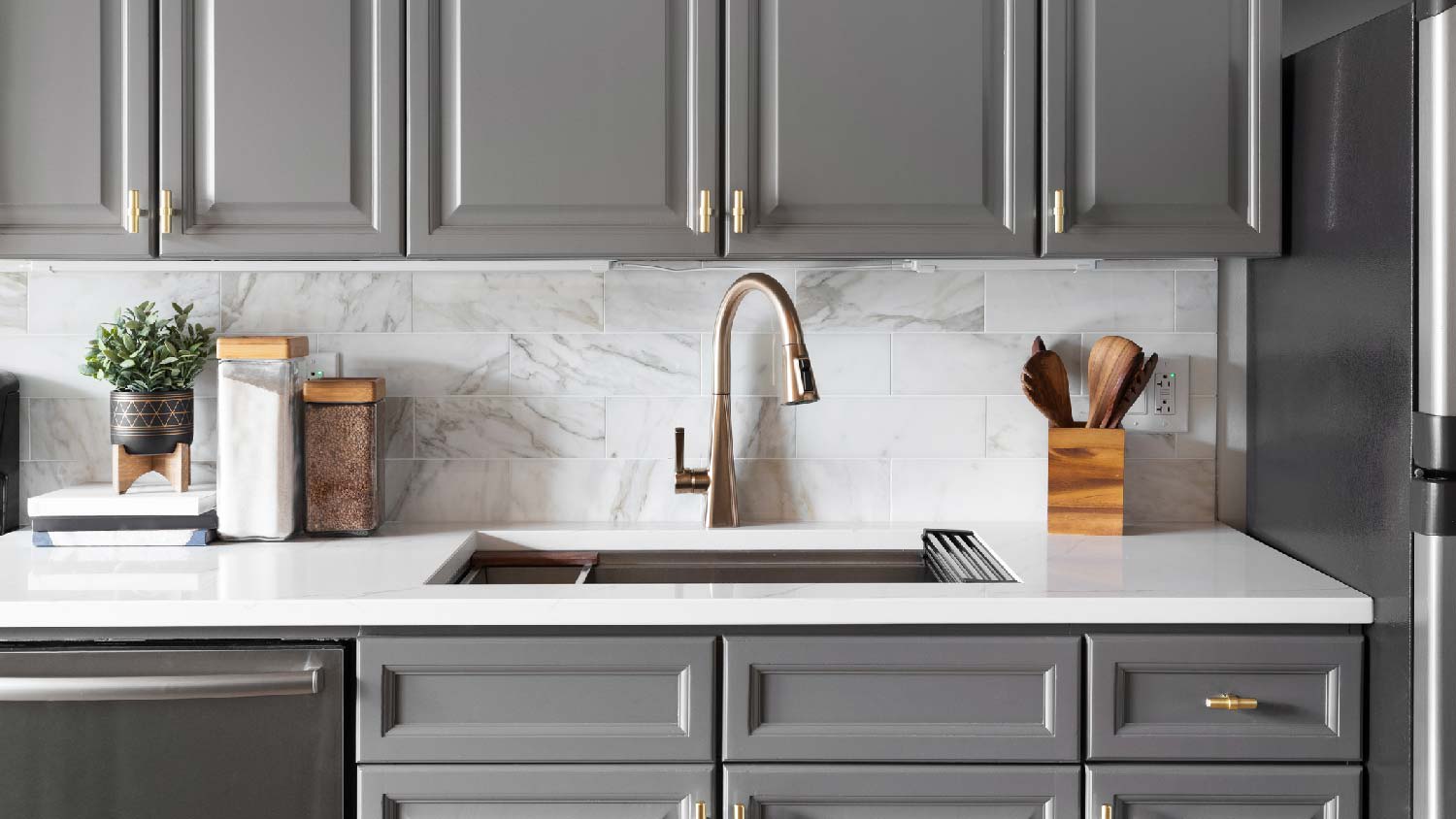
Get a clear estimate of cabinet repair costs. Learn what impacts pricing, compare repair types, and find ways to save on your next cabinet repair.
Discover the cost of glazing cabinets, including average prices, key cost factors, and tips to save on your cabinet glazing project.
Unsure who to hire for cabinet refacing? See which pros to call for cabinet reface, compare options, and learn the process before you book.
We share the pros and cons of refacing kitchen cabinets so you can make the most of your remodeling budget. We also reveal a few alternatives to refacing.
Cabinet refacing allows you to give your cabinets a makeover without using paint or replacing them altogether. Learn more about cabinet refacing.