

Looking to replace or upgrade your water heater? Use this water heater replacement cost guide to see what the work will cost and what factors affect your total.
Heavy enough that you don't want to lift it on your own

A 40-gallon water heater weighs around 105 pounds empty, and the 40 gallons of water weight adds 333 pounds when your tank fills completely.
A 50-gallon tank water heater weighs about 140 pounds empty and 557 pounds when full, so you need help moving it safely.
Your household size and hot water usage influence the capacity you need, with larger families requiring bigger tanks for peak demand times.
Hiring a local water heater installation professional takes the heavy lifting off your hands and ensures your new heater meets local codes perfectly.
Do you need to move a water heater? Then you're probably wondering: how much do water heaters weigh? There's no standard water heater weight, though they tend to range from between 40 pounds for a tankless version to 200 pounds for a large water heater. The capacity, type, and design of the water heater will all impact its weight.
There isn't a standard water heater weight for a few reasons. First, water heaters are available in a few different styles, notably tankless and tank heaters. A tank heater keeps a certain amount of water hot and ready to go. Since it needs to have enough space for all that water, it weighs considerably more than a more compact, tankless model. And, that's before it's full of water.
While there's no standard weight for water heaters, there is a common range. For example, you can expect a tank water heater to weigh at least 100 pounds if empty. Meanwhile, tankless heaters often weigh in under 50 pounds.

Your mileage may vary based on the water heater's brand and overall design, but the bigger the heater, the heavier it is.
| Water Heater Type | Capacity in Gallons | Weight (Empty) | Weight (Full) |
|---|---|---|---|
| 40-Gallon Tank | 40 | 105 pounds | 438 pounds |
| 50-Gallon Tank | 50 | 140 pounds | 557 pounds |
| 80-Gallon Tank | 80 | 200 pounds | 867 pounds |
| Tankless Water Heater | N/A | 30 pounds | N/A |
A few factors affect the weight of a tank water heater, such as its capacity and the materials it's made from. A water heater with a stainless steel tank is likely to weigh less than a copper tank, for instance.
The size of the tank also impacts the weight, as the bigger the tank, the more materials are needed overall.
One thing that doesn't change from one water heater to the next is the weight of the water itself. A gallon of water weighs 8.34 pounds. So if you fill up a 40-gallon tank, you'll add 333.6 pounds to the water heater's weight.
Tankless water heaters are much more compact than their tanked cousins, giving them a considerably smaller overall footprint. Some models are small enough to tuck in a cabinet beneath a sink.
Since tankless models don't store water, you don't have to account for any additional water weight.

If it's time to replace your water heater, weight is just one consideration. What matters most is the heater's capacity. The bigger your household and the higher your hot water demands, the bigger your water heater needs to be.
If you're considering the heater's weight because you're interested in installing a water heater yourself, remember that there's more to water heater installation than weight. You'll need to ensure the heater is installed correctly and that it aligns with local water heater installation codes. In most cases, your best bet is to hire a professional water heater installer near you rather than DIY.
Whether you go for a lighter-weight tankless water heater or a heavier tanked model, what matters most size-wise is how big your household is and how much hot water you'll need during peak usage times. Here's how to find the right size water heater.
The smaller your household, the smaller your water heater can be, at least for tanked models. For example, if just one or two people live in your home, you can most likely get by with a 40-gallon model. If five or six people call your place home, then a bigger, 80-gallon model will likely be the best fit.
Whether your water heater is tanked or tankless, the number of hot water-using devices, particularly if those devices will be used simultaneously, plays a role in determining the right size.
Tanked water heaters use what's called "first-hour rating" to determine the appropriate size.
Let's say it's a Saturday morning. You want to run a load of clothing through the washer, and your two teenagers both need to take a shower. The washing machine uses about 25 gallons of hot water per load, and the shower uses 20. That means you'll need at least 65 gallons of hot water to get through a peak hour of usage, so look for a water heater with a first-hour rating of at least 65.
In addition to the number of water heating devices your household uses, tankless water heaters rely on flow rate, or the number of gallons per minute used by your shower, washing machine, and so on.
Temperature rise is another essential consideration when sizing a tankless water heater. It calculates how quickly your water heater can get the hot water to the desired temperature. Often, a temperature rise of 70 degrees Fahrenheit is ideal, to get cold water (50 degrees F) up to 120 degrees F.
If you’re good people wanting to do business with good people, hire Matt. He is a consummate professional and utterly competent. He installed a water heater in my home at a price that beat competitors by hundreds of dollars with a promise to support the unit for its life (even after its 6 yr...
 Greene's Plumbing Services
As usual with ECO, tech Jordan was outstanding, very professional, very knowledgeable, and very thorough with repairs made to tankless water heaters. Very highly recommend ECO!!!
 Eco Plumbers, Electricians, and HVAC Technicians
Did a great job replacing the ice maker and water regulator on my refrigerator. He was quick and thorough, very friendly and professional. If I needed a heart transplant I'd want him to do it!!!
We had a gutter blockage that was causing water to sheet down the side of the house and ultimately it started to come in at a window (need mortar people next). Called around 7:30am, and he responded by 8am. He was able to come out the same morning and do a look over and clean out. He also...
Scott checked our large crawl space for mold and water infiltration and recommended a viable solution. The crew was efficient and they cleaned up well after the job. The job was expensive but I am confident that I won't have to deal with the problem again. Highly recommend.
 AdvantaClean of Dublin
They were the most through inspecting the water system in my house. Even going the extra mile to get the water professionally tested for contamination.
 Hague Water Conditioning, Inc.
Very well. Have already used them again to fix hot water heater
 Service Olympians
The Paul Davis team was very professional and went the extra mile to take care of my water damage. The work was very high quality and done in a timely manner. I would highly recommend their services.
 Paul Davis Restoration
Honesty is hard to find in business today. GBR met me today at a 3 story building regarding my being told that I needed to tuckpoint the brick because of water leaks. The owners took the time to evaluate the situation and advised me that I did not need their service at all. They pointed me...
 GBR Masonry Inc
They unclogged the drain and sent me a bill for more than 4 times what I paid before. I called the Water Works to ask why the bill was so high and that they should have gotten my authorization before assuming they could make expensive decisions like that on my behalf and for their benefit....
 The Waterworks
From average costs to expert advice, get all the answers you need to get your job done.
Looking to replace or upgrade your water heater? Use this water heater replacement cost guide to see what the work will cost and what factors affect your total.
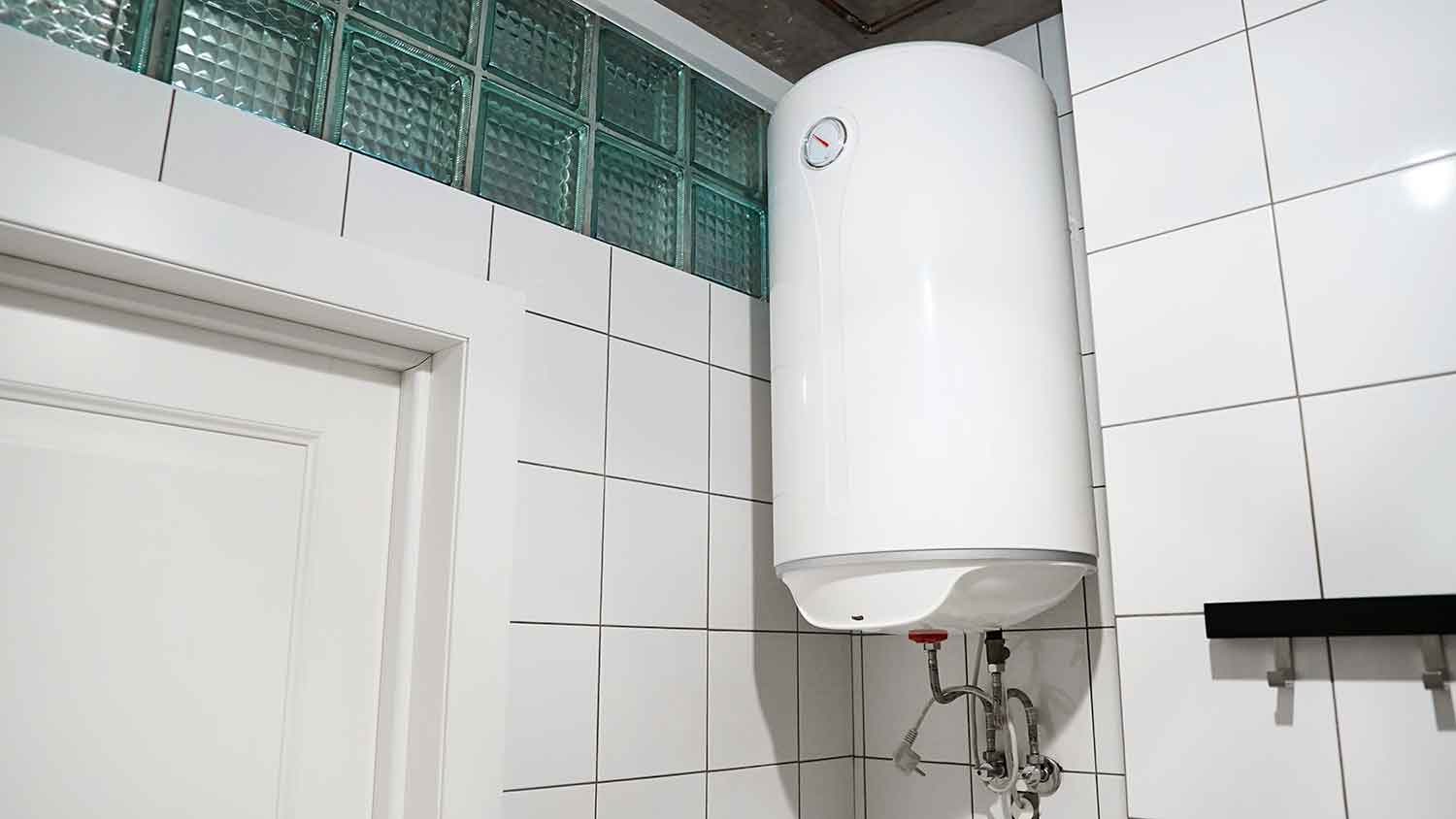
Running out of hot water too quickly or hearing strange noises when you call for hot water? Use this water heater repair cost guide to see what a fix will cost.
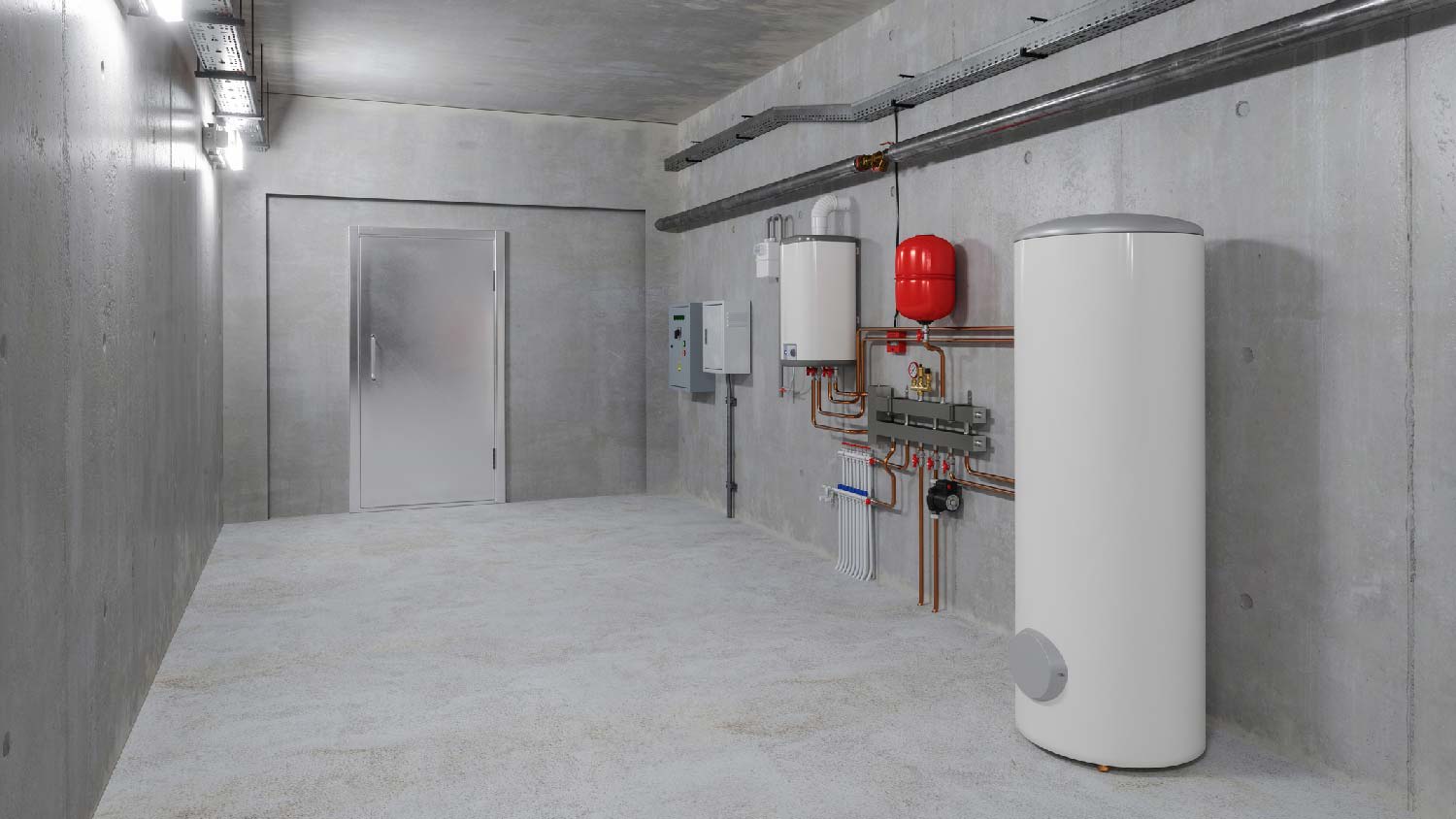
Learn all the factors that influence the cost to install a heat pump water heater at your home.
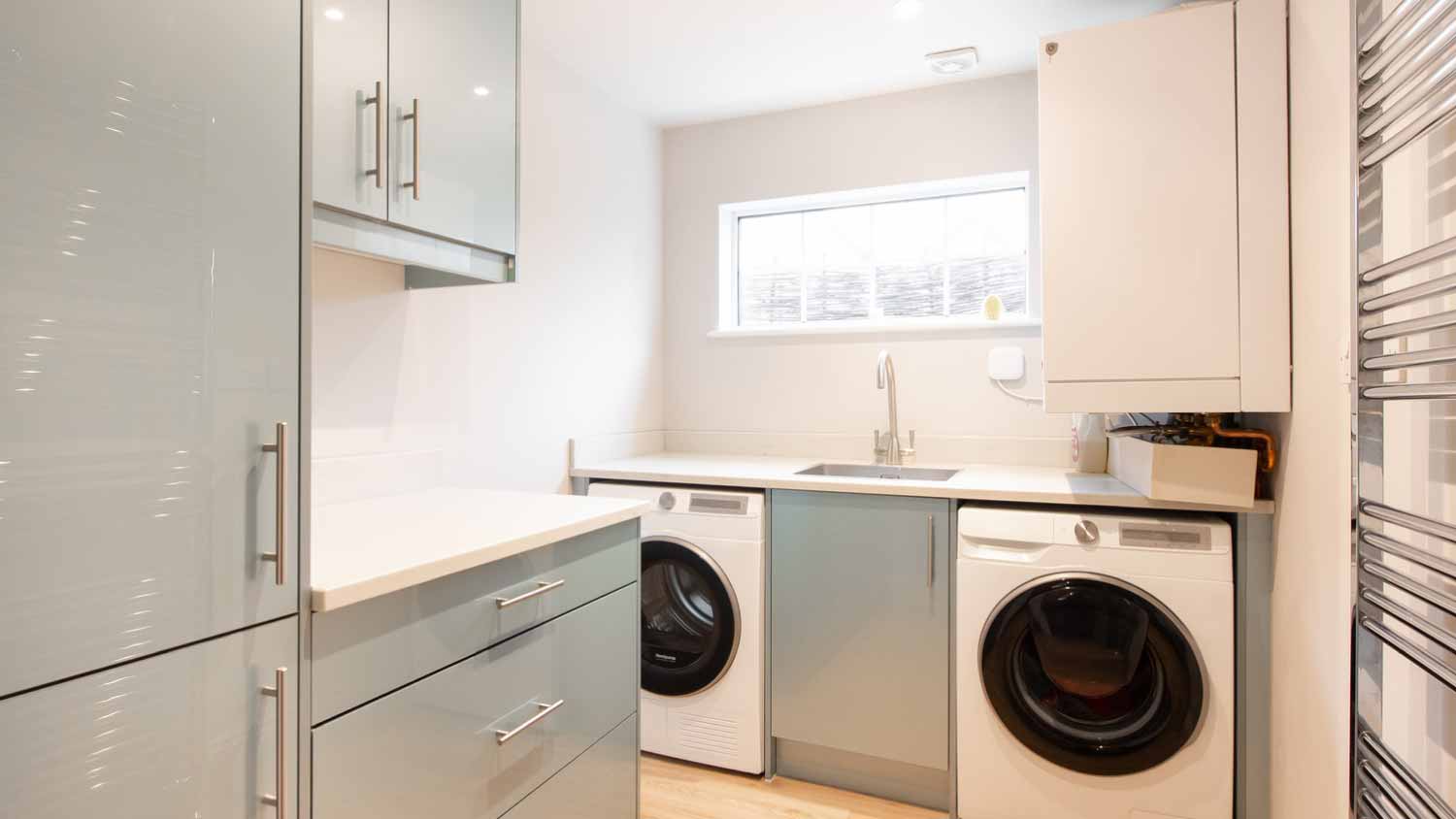
What size water heater you need depends on the number of people in your household and how much water you use. Keep reading to learn about water heater sizing.

Hybrid water heaters will have you weighing high initial costs versus long-term savings. Is it the right option for you? Explore the pros and cons of hybrid water heaters.
What are some signs you need a new water heater? Get a look at the common signs your water heater needs to be replaced because damage is beyond repair.