
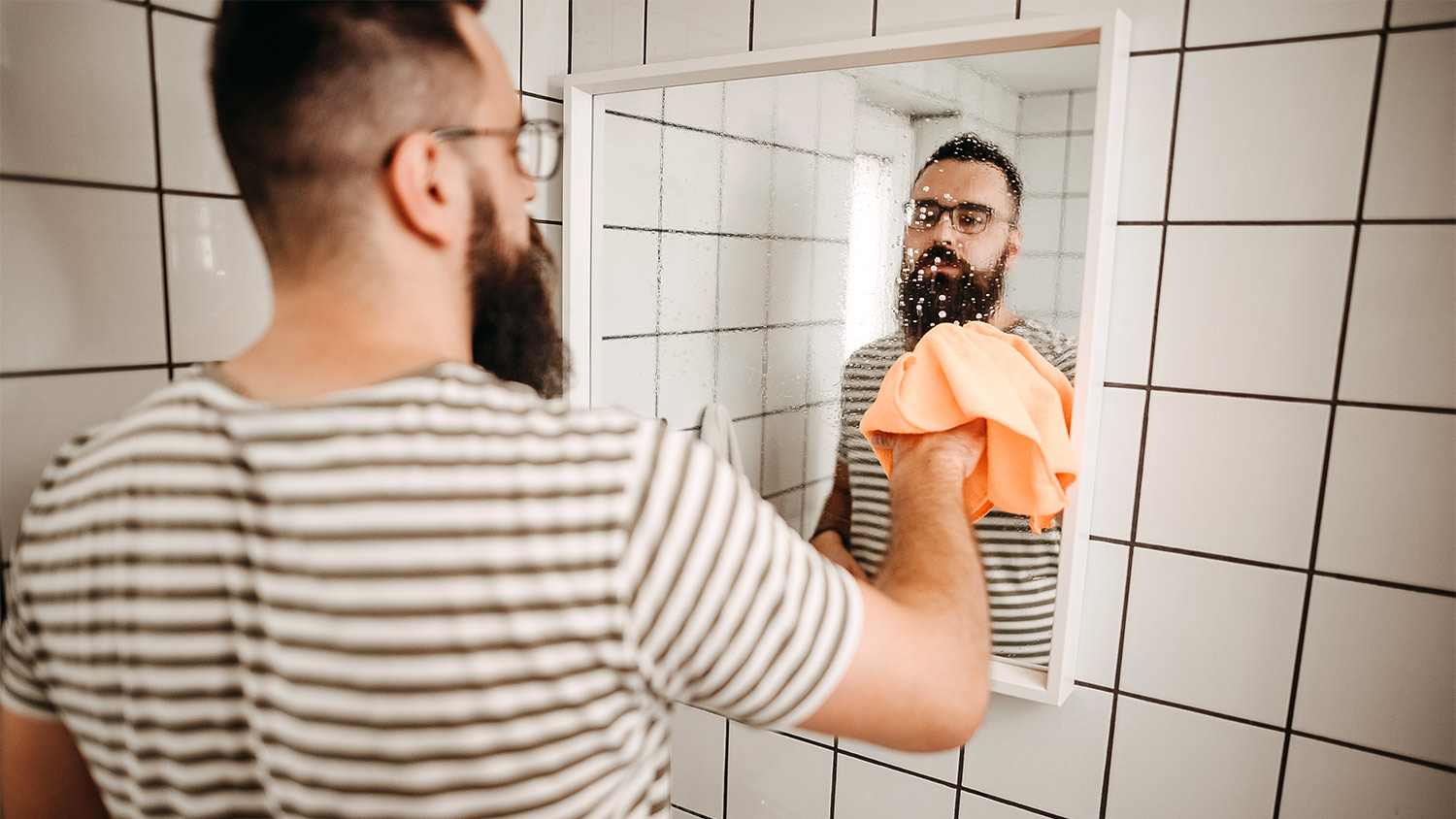
It's no secret that cleaning bathrooms can be a messy business, but these simple disinfecting tips make it a breeze to create the sparkling clean bathroom you deserve.
For homemade disinfectant sprays, try shopping your pantry

Making a homemade disinfectant spray with rubbing alcohol, hydrogen peroxide, or bleach gives you a healthier alternative to commercial cleaners for your high-touch surfaces.
Storing your DIY disinfectant spray properly keeps it effective for about three months, so you can clean confidently without worrying about reduced germ-fighting power.
Always test your homemade disinfectant spray on a hidden area first to protect surfaces like granite countertops or wood from potential damage caused by potent ingredients.
Hiring a local housekeeping professional provides expert guidance on selecting the right cleaning solutions for your home and handling tough disinfecting tasks safely.
If you’re looking for a healthier alternative to commercially available disinfectant sprays, homemade disinfectants are a great option. These cleaners offer a safe way to disinfect your child’s toys, countertops, faucet handles, and other high-touch surfaces and items, keeping your home germ-free without any adverse effects on your health. Bonus: In many cases, they’re significantly cheaper to boot. When stored properly, you can expect most DIY disinfectants to remain effective for about three months.
Before you begin making a disinfectant spray, there are a few things to keep in mind for safety’s sake and quality control.
For the most part, regular plastic spray bottles work fine for DIY disinfectant sprays. If you're using hydrogen peroxide, however, you will need an opaque or amber-colored spray bottle because hydrogen peroxide will degrade when exposed to light.
When making homemade cleaners, it's a good idea to do a spot test on a hidden area of any surface where you intend to use the spray. Homemade disinfecting sprays that use bleach, alcohol, and vinegar are pretty potent, and they could do irreparable harm to surfaces like granite countertops or wooden tables. Similarly, never use a DIY disinfecting spray with a bleach base on wood or stainless steel appliances.
While the methods outlined below show a variety of household substances to make safe DIY disinfectant sprays, you should avoid some chemical combinations at all costs. For example, never mix bleach and vinegar. The combination produces a toxic chlorine gas that attacks the body’s mucus membranes and the respiratory system, which can be fatal.
So, if your creative juices start flowing and you feel like developing your own recipe, do your research before you start pouring.
When making a disinfecting spray, do so in a well-ventilated area and consider wearing gloves. If you choose to forgo the gloves and get any of these chemicals on your hands, wash your hands immediately and don’t touch your eyes. While the dangers of bleach and vinegar might be obvious, it's important to note that essential oils are also pretty potent. Undiluted essential oils can cause skin irritation and burns, so you'll want to be careful with those as well.

Isopropyl alcohol is the main ingredient in hand sanitizers, so as you might have guessed, it also makes a great disinfectant spray.
1 ½ cups of 70% isopropyl or rubbing alcohol
¾ cup of water
15 drops of lemon essential oil
15 drops of lavender essential oil
Add the rubbing alcohol to the spray bottle, followed by water. Then, add the essential oils. Close the spray bottle tightly and give it a good shake to mix the solution thoroughly. Shake before each use.
Spray the disinfectant directly onto soft or hard surfaces and wipe with a microfiber cloth.
According to the , bleach kills 99.9% of germs and bacteria, so using it to make a DIY disinfectant spray is almost a no-brainer.
4 teaspoons of bleach
1 quart of water
Start by adding the water to a spray bottle, and then add the bleach. Close the spray bottle tightly and shake it to mix the solution thoroughly. Shake this disinfectant spray before each use.
Spray the bleach solution onto whatever surface you’re cleaning and let it sit for about five to 10 minutes. Use a clean cloth to wipe the surface down thoroughly when the time is up.
Keep in mind that undiluted bleach is fine for about six to 12 months. However, diluted bleach will start to break down after 24 hours and lose potency, so you may not want to mix a double batch of this particular disinfectant.

Hydrogen peroxide can effectively tackle a host of microorganisms, including bacteria, yeast, fungi, and viruses. According to the , it makes an excellent chemical disinfectant.
Opaque or amber-colored spray bottle
¼ cup of hydrogen peroxide (3%)
1 cup of water
1 teaspoon of your preferred essential oil
Pour all the ingredients into a spray bottle, secure the spray nozzle, and then give the solution a good shake.
Spray the hydrogen peroxide disinfectant liberally onto any hard surface and let it sit for a minute before wiping it up with a soft cloth.

Distilled white vinegar makes a powerful multipurpose cleaner that quickly cuts through dirt and grime, but it’s not the most powerful disinfectant. While it may kill some germs, it doesn’t kill 99.9% of germs, which is the U.S. Environmental Protection Agency standard for a solution to be labeled a disinfectant. So, this homemade cleaner might be best reserved for cleaning the areas where gunk tends to build up, like the tops of your kitchen cabinets. For high-touch areas in your home, opt for any of the other homemade disinfectants we’ve outlined.
½ cup of distilled white vinegar
2 cups of water
30 drops of your preferred essential oil (lemon, orange, or lavender are always a good bet for cleaning)
Mix all the ingredients in a spray bottle, close it tightly, and shake to combine. Remember to shake the spray before each use.
Spray the vinegar solution onto the surface you want to clean and let it sit for 10 minutes. After that, simply wipe down the surface with a clean cloth.
Vodka makes a great surface disinfectant, courtesy of its high alcohol content. When making this homemade disinfectant, it’s important to follow the recipe exactly as it’s written. Using a lower-proof vodka or diluting it with more water will make it less potent.
¾ cup of vodka (ideally, 60% alcohol or 120-proof)
¼ cup of water
About 30 drops of your preferred essential oil
Mix all ingredients into a spray bottle, close the cap tightly, and shake to mix.
Spray the vodka disinfectant onto the surface you wish to sanitize and let it sit for 10 minutes. When the time is up, wipe the surface with a clean cloth and let it air-dry.
I had FabClean 614 clean my apartment, and she did an outstanding job. She was so professional and efficient. My apartment looks absolutely spotless every surface, every corner, all cleaned to perfection. Definitely highly recommend FabClean 614 if you're looking for top-notch cleaning...
 Fab Clean 614
Best cleaning I've had at my property
Fantastic group, very communicative, and they really did a great job cleaning my condo. Will be hiring them for recurring cleaning!
 eMaids of Northern Columbus
Excellent the crew was great did what I ask cleaned up and the price was awesome
 All Star Paving and Sealing
On time, clean and finished fast. Windows seem sturdy and the finish is good. Caulking was done with no smudges. Would recommend.
 Window Depot USA of Central Ohio
I definitely recommend Ramonaâ s cleaning service! I have booked services with her many times and she arrives on time, ready to work and provides a great service.
 Your Cleaning Solutions LLC
Mary Cleaning Service is fantastic! The entire team is professional and pay a great deal of attention to detail. They do such a thorough job of cleaning my house. I would definitely recommend!
It was just fine. They did a good job. They cleaned what needed to be cleaned.
 Dezired Cleaners LLC
They cleaned my very dirty basement. They were prompts, quick, thorough and their price was fair.
 JDE House Cleaning LLC
Excellent! We were very satisfied with the service provided and the entire experience from start to finish. Very friendly and professional staff. I was able to instantly get in contact with them for a quote and the response time and overall communication remained quick and easy throughout the...
 Prime Cleaning Service
From average costs to expert advice, get all the answers you need to get your job done.
It's no secret that cleaning bathrooms can be a messy business, but these simple disinfecting tips make it a breeze to create the sparkling clean bathroom you deserve.

Find out how to make DIY mosquito repellent from common household ingredients. Avoid smelly, expensive sprays with our tried and tested mosquito repellents you can make quickly and easily at home.
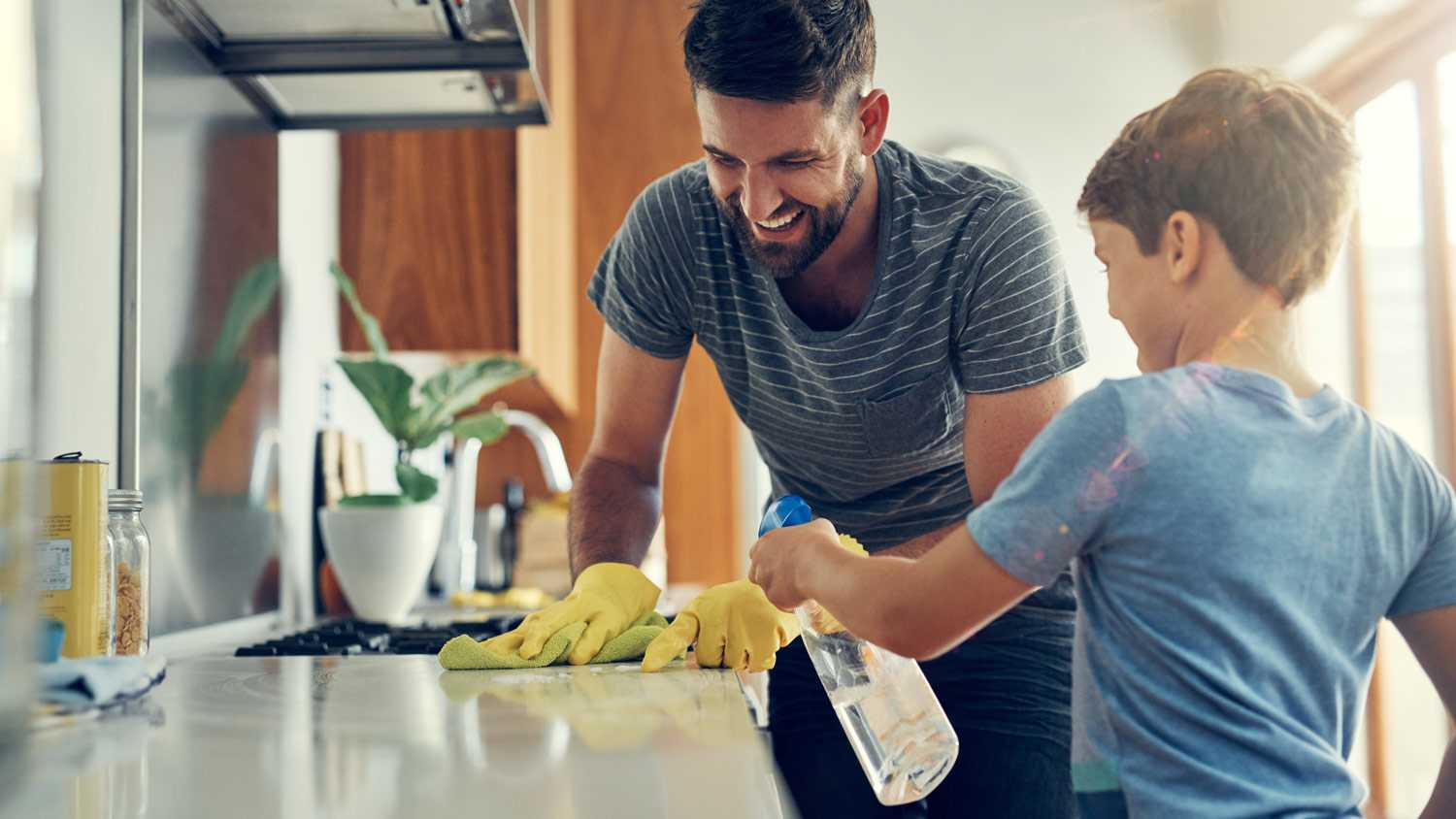
Whether you’re doing a deep clean after an illness or ensuring all your home’s surfaces are free from harmful germs and bacteria, disinfecting and cleaning can help. This guide breaks down how to disinfect your home’s surfaces.
The germiest places in your home aren’t where you’d think of first. These cleaning tips can help you disinfect high-touch surfaces and kitchenware.
Keeping your kids’ toys germ-free can feel stressful, but it doesn’t have to be. Whether you’ve always placed this task on the backburner or if you need a refresher, this guide will teach you how to clean and disinfect every toy type.
There are some serious benefits to choosing a homemade grass and weed killer over store-bought products. Here are some useful DIY formulations.