
•
Discover the cost to stucco a house in 2026, including average prices, key factors, and tips to help you budget and plan your stucco project with confidence.
With proper upkeep, this popular siding should last for decades

The lifespan of stucco on your house reaches 50 years on average, stretching to 80 years with proper care and favorable conditions.
Expect to pay $1,599 on average for stucco repairs and $2,193 to $9,061 for full stucco siding installation when addressing damage or replacement needs.
Your stucco lasts longer when you schedule annual inspections, clean it twice yearly with water or mild soap, and seal it every five to 10 years.
Hiring a local stucco service professional provides reliable support through proper installation techniques and annual inspections that catch moisture damage and cracking early.
Choosing the right siding for your home largely comes down to how good it looks and how long it lasts. Stucco has long been a favorite for its durability, versatility, and aesthetic appeal. Whether you’re considering stucco for a new build or wondering about the existing stucco on your house, here’s one of the questions you likely need answered: How long does stucco last? In this article, we’ll walk you through the steps you can take to make your stucco look great for as long as possible—ideally, 50 years or more.
Stucco is a type of siding that’s made from a cement-like mixture that’s applied in layers (usually three). In addition to its aesthetic value, stucco siding is a favorite among homeowners for its durability, flexibility, and resistance to fire. There are two types of stucco siding: traditional and synthetic.
Traditional stucco is comprised of Portland cement, sand, lime, and water. While it’s strong and resistant to water and fire, traditional stucco is susceptible to changes in temperature and humidity. As the weather changes, traditional stucco expands and contracts, making it more likely to form cracks as time goes on.
Synthetic stucco, also known as Exterior Insulation Finishing Systems (EIFS), is the more expensive alternative to traditional stucco. Instead of cement, it’s made of acrylic resins and polymers. Synthetic stucco may be better at keeping you and your family warm in the winter, but its higher price tag and limits in customization may have you sticking with traditional stucco.
On average, stucco can last upwards of 50 years. If you’re lucky, you can stretch the lifespan of stucco to 80 years or more with proper maintenance and under favorable conditions. The factors influencing stucco’s longevity include quality of installation, maintenance, climate, and whether or not you use traditional or synthetic stucco.

Stucco should last for many decades; however, several factors impact how long your stucco actually lasts. These factors include:
Stucco is a challenging substance to work with, especially with no prior experience. The installation requires an extremely involved process that includes creating the mixture, preparing your home’s surface, and allowing the stucco time to dry and cure. Curing alone is a long, intricate process that can take anywhere from 48 hours to a week for each of the three layers.
Shoddy installation can leave you susceptible to issues like cracking and trapped moisture, eventually requiring you to shell out for stucco repair costs, which cost an average of $1,599. Worst case scenario, you may end up footing the bill for an expensive stucco removal.
Stucco is durable, but it’s not indestructible. It fares well in both hot and cold climates, and it holds up well against wind, but the same can’t be said for moisture.
Stucco is a porous material and, like a sponge, it absorbs humidity from rain, snow, and ice. When this happens, it can lead to minor cosmetic cracks, which is relatively normal for stucco. If moisture gets trapped beneath the surface, however, it can cause bigger problems like bulging, damage to your finish, or mold.
These problems are more common in very humid climates as well as frigid, wet climates with frequent freeze-thaw cycles.
Should you install stucco or EIFS? The type of stucco you choose also determines how long it’ll last. While both materials are strong, synthetic stucco has a slight upper hand in lasting longer. EIFS has a fiberglass layer that makes it more durable than its traditional alternative. It’s also resistant to cracking and crumbling from freeze-thaw cycles or shifting foundations
Instead of letting your stucco fall victim to conditions like shoddy installation, weather, and regular wear and tear, take the extra steps to help it last longer.
Proper application is the best way to ensure your stucco lasts as long as possible. Stuccoing a house is a huge project, one you should consider removing from your DIY to-do list. Not only does it take weeks to apply, but it requires the knowledge, technique, and tools of a professional. Hiring a local stucco contractor can be expensive. The cost of stucco siding often ranges between $2,193 and $9,061; however, the price tag may be worth the guarantee of a job that’s done correctly.
Annual stucco inspections may seem excessive, but they go a long way in protecting your home from damage and your bank account from costly repairs. The recommended schedule varies for each homeowner and depends on where you live. If you live in a drier climate, you can get away with an inspection once every three years. For those who live in humid climates or areas with frequent freeze-thaw cycles, an annual inspection can help catch potential issues before they get worse.
While you can conduct your own visual inspection and check for cracks, discoloration, and gaps, a professional inspection will offer a more in-depth look into issues happening beyond the surface.
If you take the few steps needed for stucco maintenance, it can last well over 50 years. The following tips will help keep your stucco looking brand new.
Cleaning: Use water and a bristle brush for simple stains or dish soap or bleach for tough stains or mold.
Pressure washing: Deep clean your stucco siding with a pressure washer—between 1,500 psi and 2,800 psi—once or twice a year.
Repairing: Patch small stucco cracks or chips with caulk as they appear.
Resealing: Seal your stucco once every five to 10 years.
Repainting: Repaint your stucco every decade. Generally, the pigment in the finish is long-lasting, and you won’t need frequent repaints. The color can fade in areas of extreme sunlight, and painting can help it last longer and look as good as new.
You don’t have to worry about your stucco year-round, but committing yourself to twice-a-year upkeep will go a long way in making it last as long as possible.
I would recommend this company to anyone! He showed up on time, was friendly, completed a very difficult repair on our dryer vent cover, was responsive, and pricing was extremely fair and competitive. I would have him back to do any of our repairs or cleanings without hesitation!
 U.S.A. Dryer Vent, LLC
Supreme Brick & Chimney did a great job with a cleaning and inspection of the fireplace! He was efficient, on time, and very pleasant. The space was kept very clean, and the fireplace was spotless when he was done. He also performed a thorough inspection, and did a great job talking us...
 Supreme brick & chimney
Our exterior looks brand new thanks to Custom Paint Jobs LLC. Theyre the best in town!
 Custom Paint Jobs, LLC
Beginning with the estimate, Larry and Peyton were super helpful in getting my new condo's interior re-painted. Not only was the job well done, but also done in a super timely manner as promised.
 Five Star Painting of Plain City and Powell
Our stucco work is just finishing up today. We ended up going with Specialized Masonry Contractors LLC. The main guy we had was Jaime Quigley. He was really awesome, kept in touch a few times a day, etc. Originally we thought there was more damage than there was. They took off the old stucco...
 Specialized Masonry Contractors, LLC
I purchased the "Big Deal": $199.00 for exterior pressure-washing of one- or two-story home up to 2,000 square feet. They cleaned the siding only. I wasn't aware when I bought the Big Deal that they would not do any other surfaces other than the siding (i.e. sides of the gutters or stucco). I...
 Complete Home Services
Outstanding service. Dick Neff was prompt in estimating and added the chimney work overnight, even though it required use of a lift and color matching stucco. The plaster and stucco workers were courteous, careful, extremely competent in their craft, and cleaned up.
 George F Neff & Co. Plaster & Stucco
From average costs to expert advice, get all the answers you need to get your job done.
Discover the cost to stucco a house in 2026, including average prices, key factors, and tips to help you budget and plan your stucco project with confidence.

The cost to paint a stucco house depends on its size, the type of paint used, and any required repairs. This guide will help you budget for the painting project.
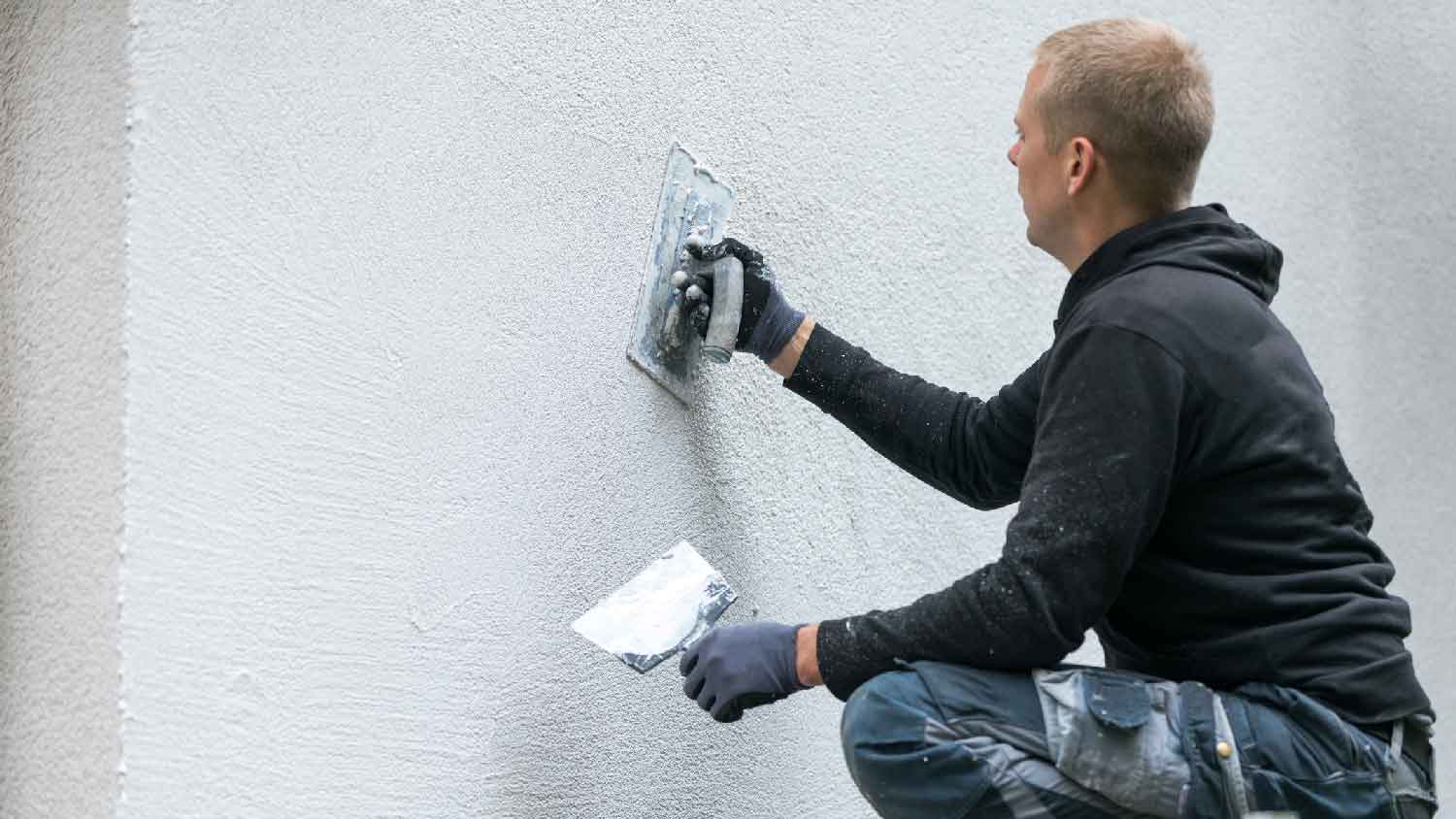
Discover the average stucco repair cost, key price factors, and ways to save. Get expert tips to budget your stucco repair project with confidence.
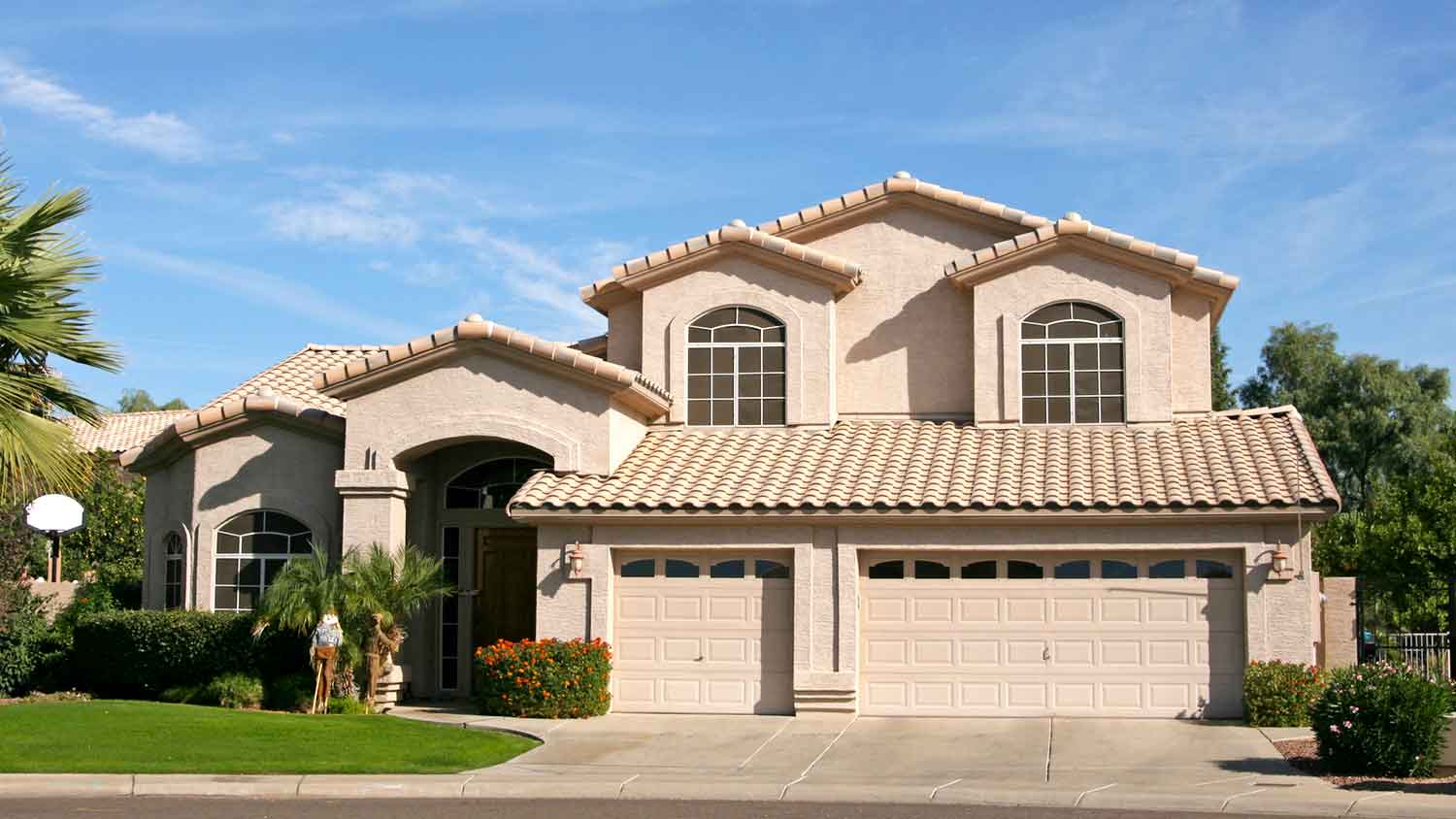
Knowing how long stucco takes to dry is crucial for project planning and longevity. Learn the average dry time and what affects it for the best results.

Stucco is a type of cement-based siding that’s durable, inexpensive, and designed to withstand the elements. Find out what makes it special, how much it will cost to install, and if it’s an addition that will be right for your home.
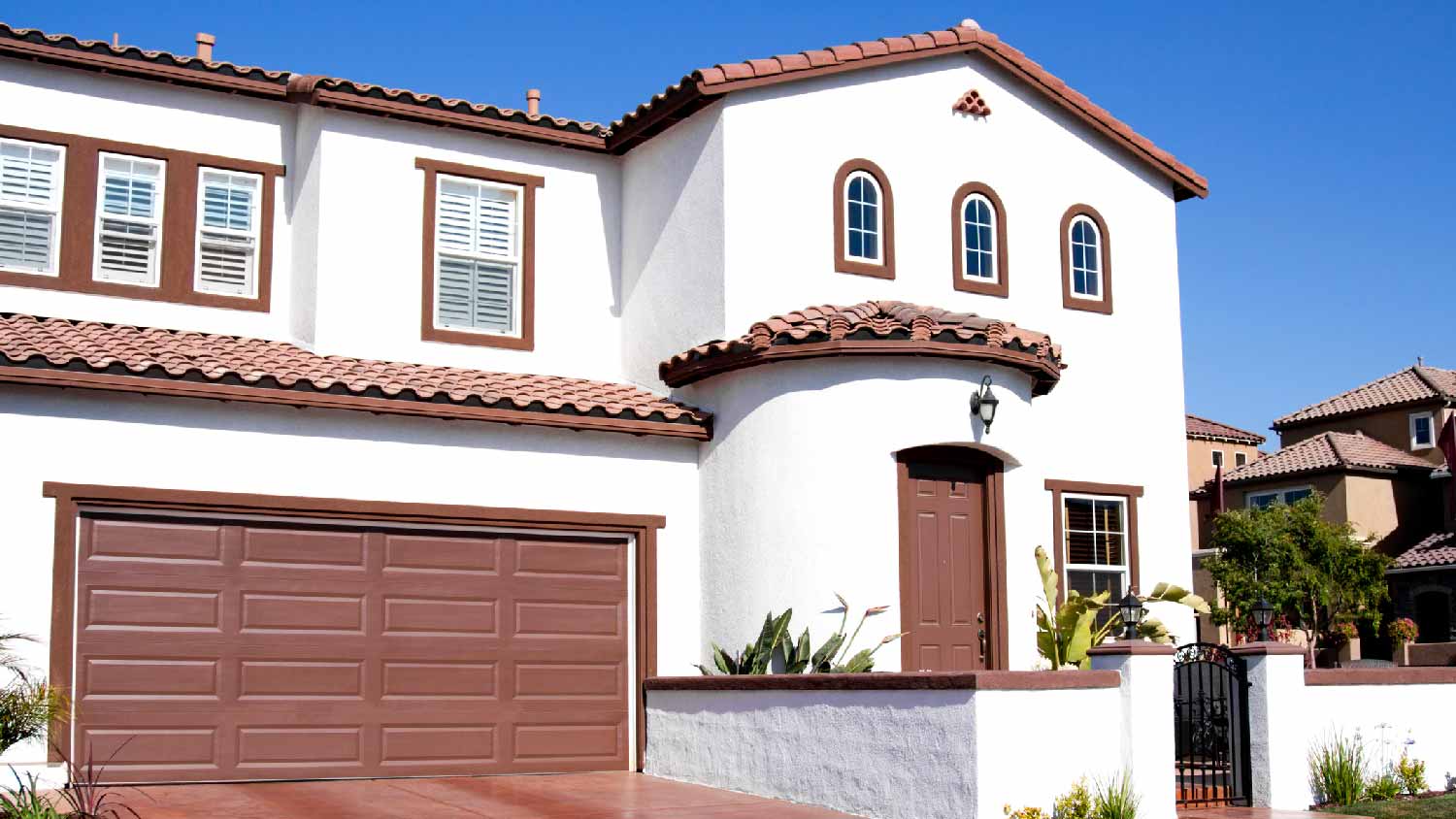
Understand the signs of stucco damage and whether to repair vs. replace your stucco so you can make informed decisions for your home's exterior.