
•
Discover the average stucco repair cost, key price factors, and ways to save. Get expert tips to budget your stucco repair project with confidence.
The choice comes down to the age of your stucco and the extent of the damage

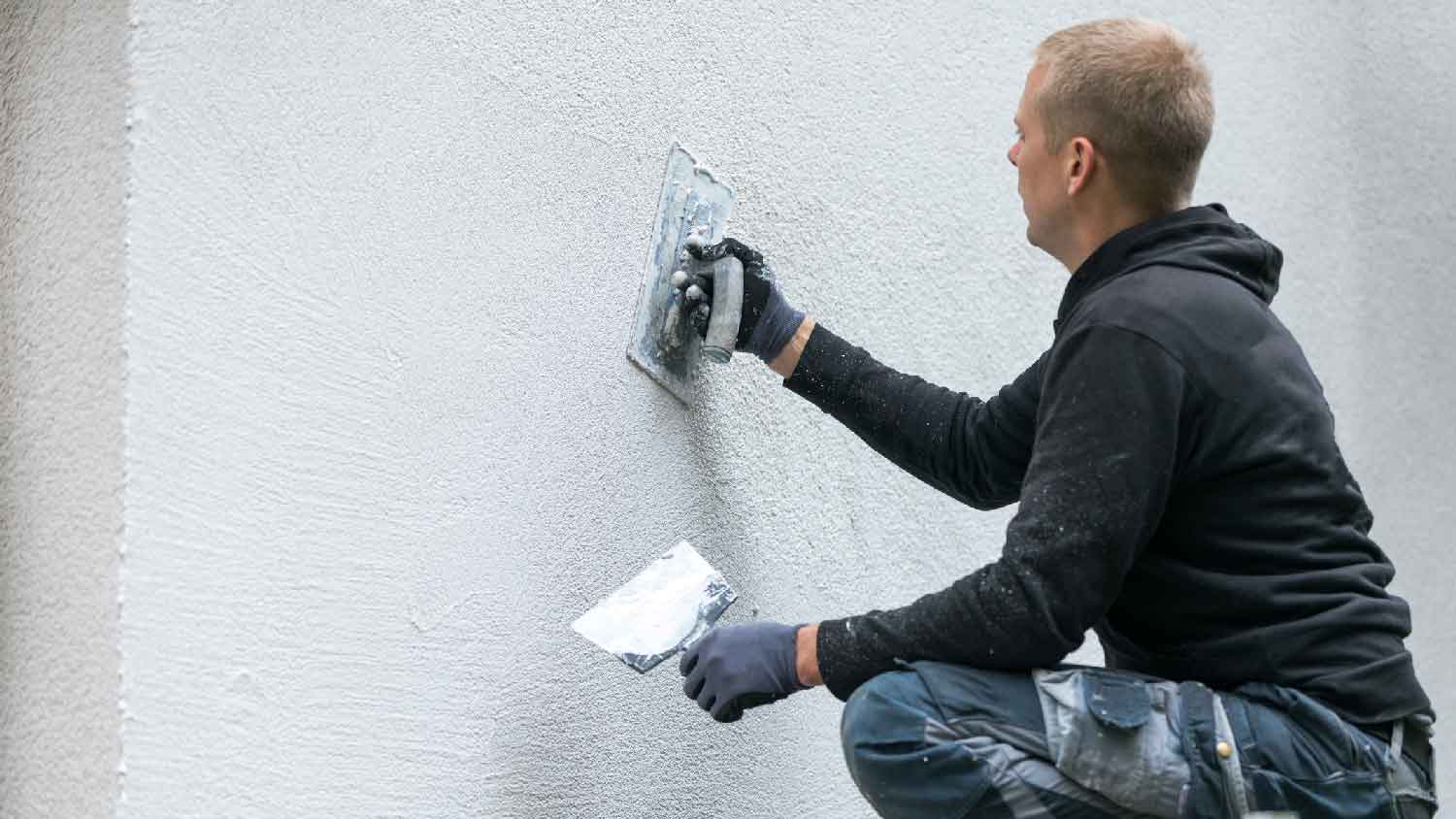
Hairline stucco cracks less than 1/16-inch wide need quick stucco repair to prevent moisture damage and protect your home from bigger problems.
Expect to pay $400 to $1,500 for professional stucco crack repair, while full replacement costs $9,000 to $13,000 depending on your home's size.
Signs you need stucco replacement include extensive cracking, visible moisture damage, mold growth, or stucco nearing its 50 to 70 year lifespan.
Hiring a local stucco service professional provides reliable help with moisture damage diagnosis and structural repairs, keeping your home protected and looking great.
Stucco is made from a highly durable blend of materials, including Portland cement, sand, and water. But it’s not invincible: Due to its porous nature, stucco can be prone to cracking. When cracks appear on your home, you might debate whether to repair versus replace the stucco. Here’s how to determine when it's appropriate to patch up stucco and when it's time for a complete overhaul.
Deciding whether to repair or replace can be difficult. With our network of local pros, you can have a specialized professional figure out the next steps.
Stucco is prone to cracking, and it’s a good idea to repair these cracks while they’re small and minor. Regularly inspecting your stucco and patching hairline cracks when you notice them can help prevent bigger problems such as moisture damage. On the flip side, if the cracking is extensive, you notice mold, or the stucco is in overall bad condition or close to the end of its life, it may be time to replace it.
| Repair | Replace |
|---|---|
| Minor cracks | If there is a widespread insect infestation |
| No moisture damage | Signs of moisture damage |
| No mold present | Mold is present |
| Stucco is still within its average lifespan | Stucco is 50+ years old |
| You want to improve your home’s ROI |

Stucco is a very durable material and can last 50–70 years with proper stucco maintenance. To ensure your stucco lasts as long as possible, be sure to:
Clean stucco two to three times per year
Regularly inspect stucco for signs of damage
Repair superficial cracks as soon as they appear to prevent more serious damage
Reseal your stucco every 5–10 years
Basic stucco repairs, such as patching a small crack, will cost between $8 and $20 per square foot; a local stucco repair professional might charge a flat rate to fix an entire wall’s worth of cracks. On average, homeowners spend between $400 and $1,500 to repair stucco cracks on a 1,500-square-foot home, including materials and labor.
For replacement, the cost to stucco your home will range between $9,000 and $13,000, or $3 to $9 per square foot, depending on the size of your home and the area needing replacement.
Note that once the old, damaged stucco is removed, it’s possible that you will uncover larger issues, such as water damage or a settling foundation. Fixing these issues will raise costs significantly.
There are only a handful of times when stucco repair is the better option over replacement.
If your stucco has very superficial hairline cracks that are less than 1/16-inch wide, you should consider a quick patch over these cracks to give your stucco a fresh look and prevent further damage.
Spider cracks are hairline cracks that take the shape of a spider web. They are often caused by improper curing, and don’t usually pose a structural threat. That said, because the cracks can allow moisture to penetrate the stucco, they should be repaired as soon as they appear.
It’s common for stucco to develop very small cracks within the first 30 days of installation. If your stucco is brand new and this is the case, you can repair the crack. If the crack is patched and reappears soon after, there could be a structural issue; call a stucco pro to investigate.
You can learn to patch stucco very easily; it’s a relatively straightforward DIY project. That said, it could be beneficial in the long run to hire a stucco repair professional. If the stucco damage is extensive, the cracks are deep, or the damage is in a hard-to-reach location (such as near your roof), you should consider hiring an expert. Improperly repaired stucco can lead to bigger problems in the future, such as structural damage or mold growth.

While stucco replacement is a big undertaking, it might be the necessary step to properly protect your home.
If there are signs of moisture damage—such as a wet patch or mold growth—you will need to remove your stucco to address these underlying issues, then have it replaced. The underlying issues could include broken pipes or other plumbing or structural damage.
If the cracks on your stucco are deep or there are many of them in many different places, you should consider replacing your stucco to improve your home’s appearance and energy efficiency. Cracks can lead to higher heat transfer, which can make your home hotter in summer and colder in winter.
Stucco lasts a very long time, but not forever. If your stucco is nearing the end of its life—50 years or more—it might be best to replace it so you don’t end up paying for an increasing number of repairs as the stucco continues to deteriorate from age.
If you are preparing to sell your home, replacing your old stucco could boost its curb appeal and overall value. New stucco has an ROI of about 70%.
Replacing stucco ranges between $9,000 and $13,000, depending on your home’s size and other factors. Because you’ll want to confirm there are no underlying issues—or have ones you know about addressed—replacing stucco is best left to a professional who has the proper experience and tools to get the job done right the first time.
I would recommend this company to anyone! He showed up on time, was friendly, completed a very difficult repair on our dryer vent cover, was responsive, and pricing was extremely fair and competitive. I would have him back to do any of our repairs or cleanings without hesitation!
 U.S.A. Dryer Vent, LLC
Supreme Brick & Chimney did a great job with a cleaning and inspection of the fireplace! He was efficient, on time, and very pleasant. The space was kept very clean, and the fireplace was spotless when he was done. He also performed a thorough inspection, and did a great job talking us...
 Supreme brick & chimney
Our exterior looks brand new thanks to Custom Paint Jobs LLC. Theyre the best in town!
 Custom Paint Jobs, LLC
Beginning with the estimate, Larry and Peyton were super helpful in getting my new condo's interior re-painted. Not only was the job well done, but also done in a super timely manner as promised.
 Five Star Painting of Plain City and Powell
Our stucco work is just finishing up today. We ended up going with Specialized Masonry Contractors LLC. The main guy we had was Jaime Quigley. He was really awesome, kept in touch a few times a day, etc. Originally we thought there was more damage than there was. They took off the old stucco...
 Specialized Masonry Contractors, LLC
I purchased the "Big Deal": $199.00 for exterior pressure-washing of one- or two-story home up to 2,000 square feet. They cleaned the siding only. I wasn't aware when I bought the Big Deal that they would not do any other surfaces other than the siding (i.e. sides of the gutters or stucco). I...
 Complete Home Services
Outstanding service. Dick Neff was prompt in estimating and added the chimney work overnight, even though it required use of a lift and color matching stucco. The plaster and stucco workers were courteous, careful, extremely competent in their craft, and cleaned up.
 George F Neff & Co. Plaster & Stucco
From average costs to expert advice, get all the answers you need to get your job done.
Discover the average stucco repair cost, key price factors, and ways to save. Get expert tips to budget your stucco repair project with confidence.

Wondering about the cost to remove stucco siding? Explore the cost breakdown, key factors, and money-saving tips for your stucco removal project.
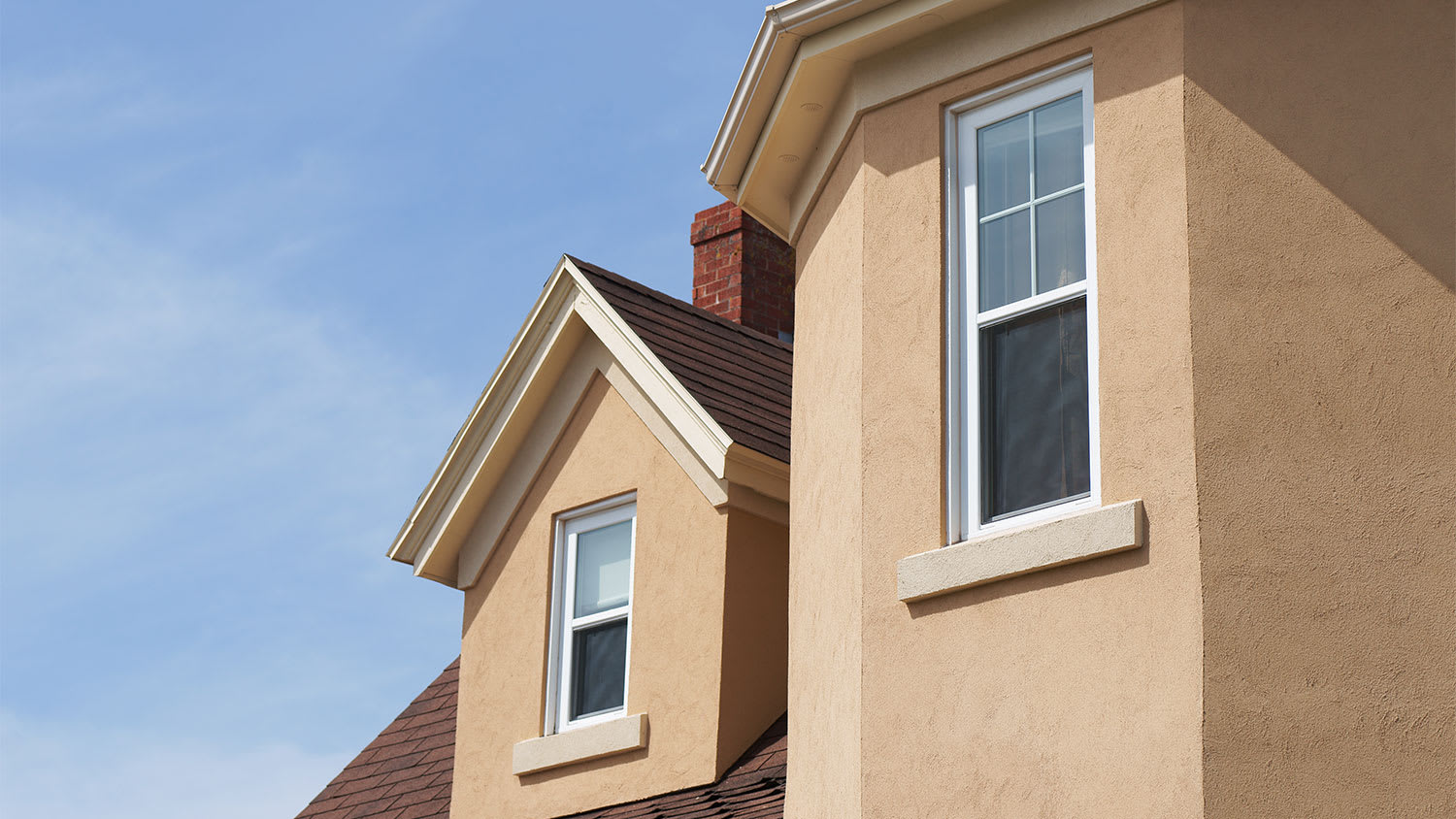
Discover the cost to stucco a house in 2026, including average prices, key factors, and tips to help you budget and plan your stucco project with confidence.
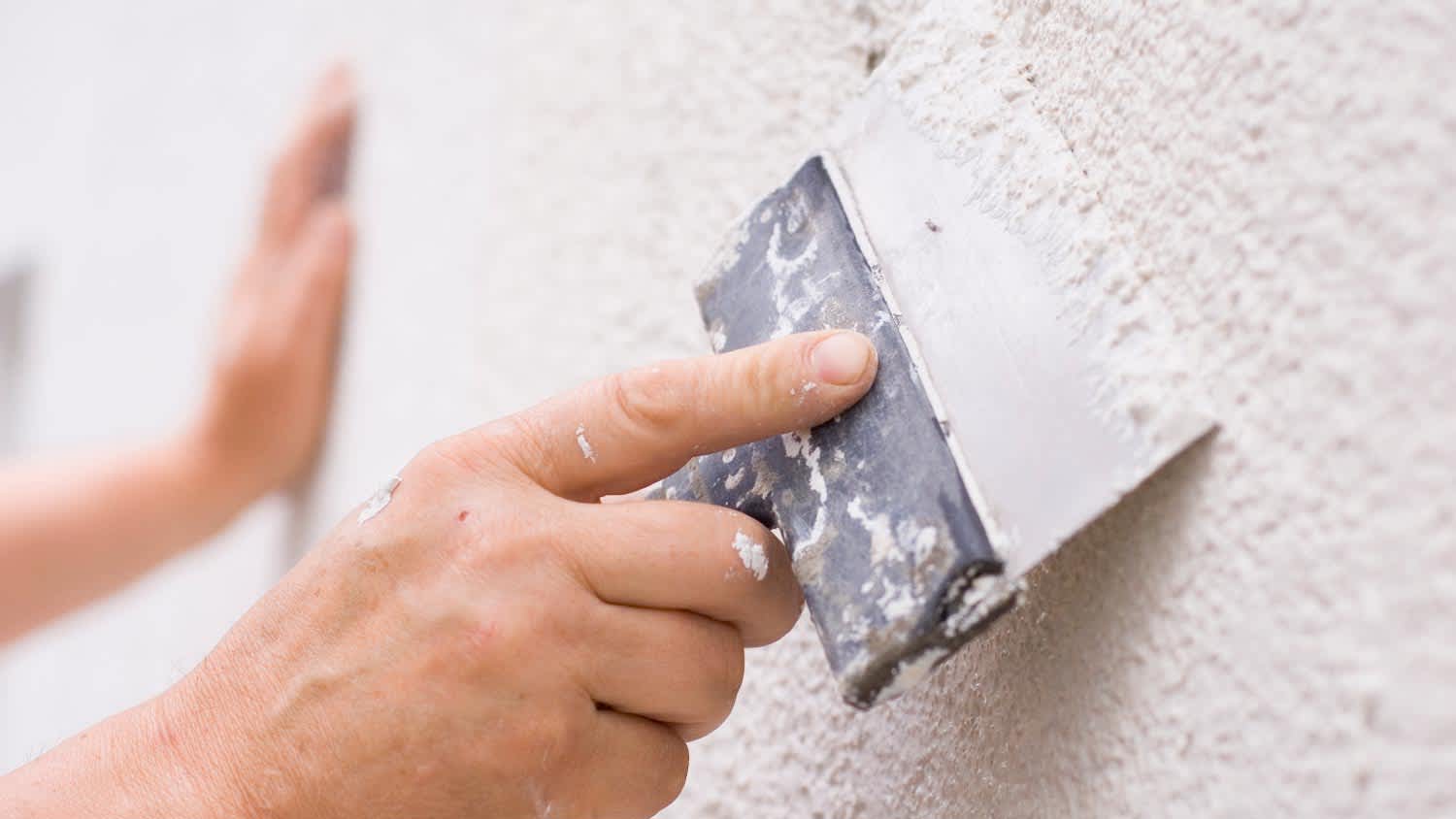
Learn how to hire a qualified stucco repair pro. Discover key questions to ask, credentials to verify, and tips for finding reputable contractors.

If your home's stucco is cracking or deteriorating, it's important to fix the issue right away to avoid structural damage or mold. Here's who to call for stucco repair.
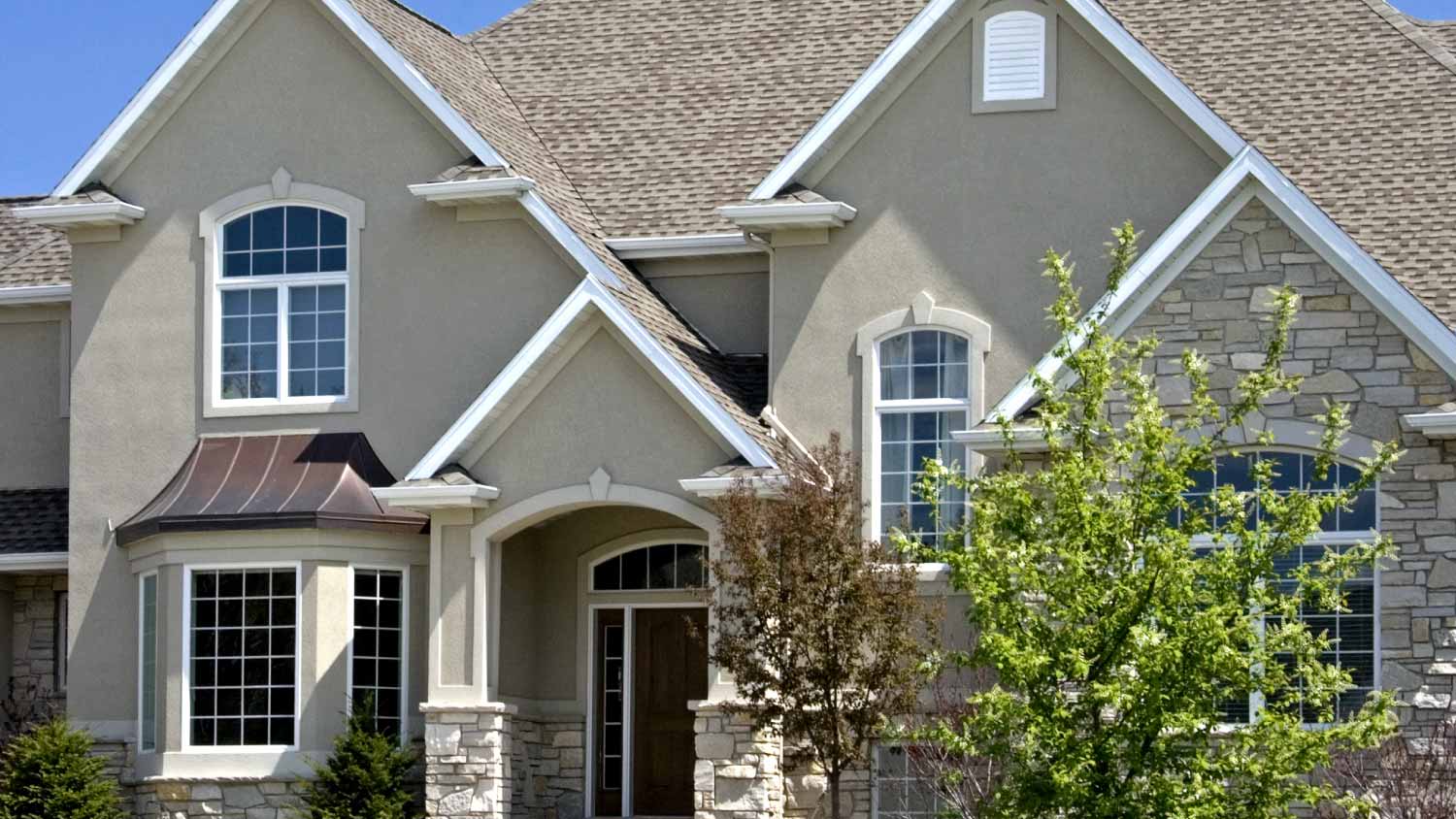
Traditional stucco and synthetic stucco are two excellent options for your home. Both materials can last 50 years or more, and can provide excellent protection for your home against the elements.