
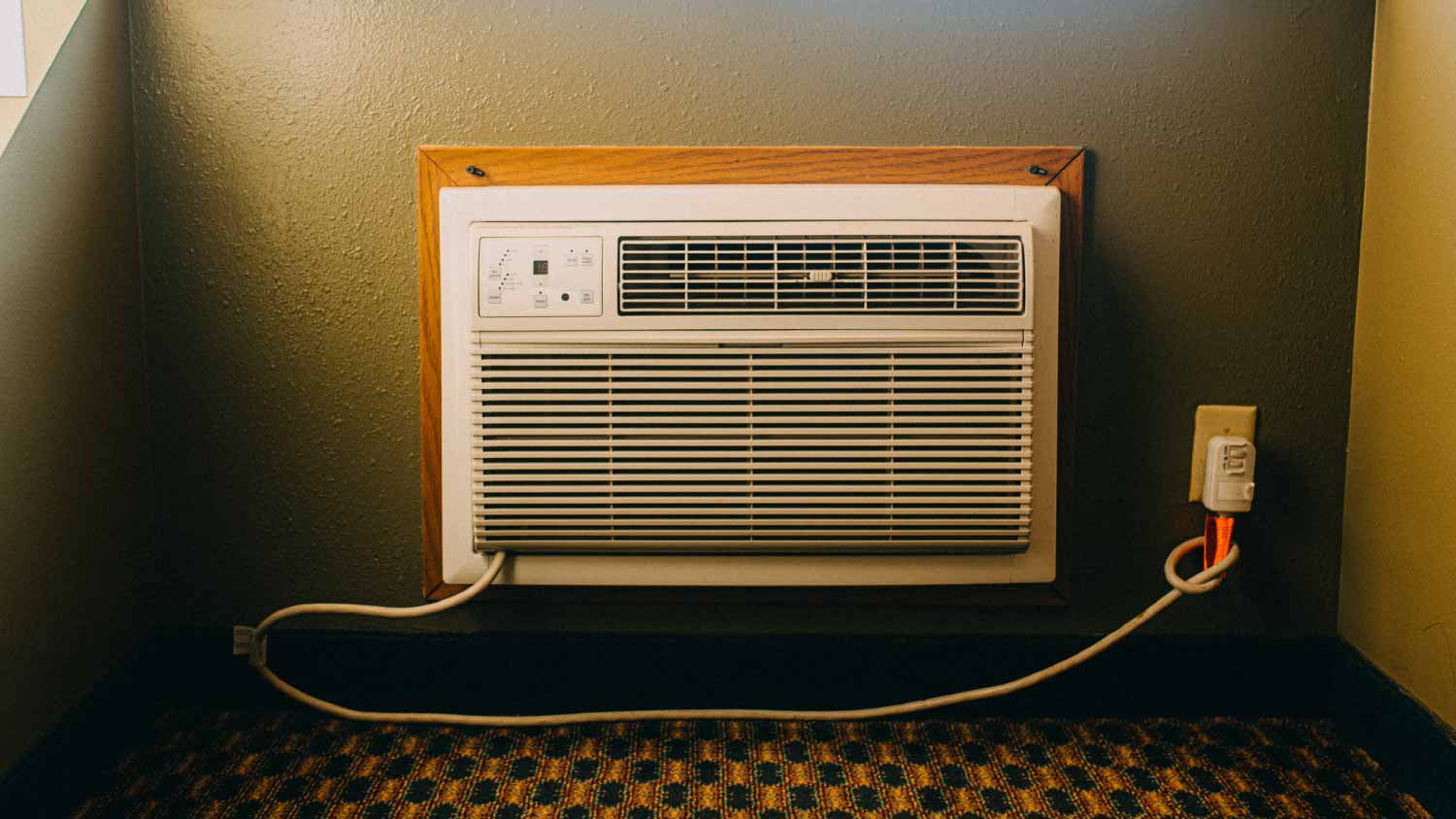
Factors such as labor and parts impact the final price of repairing a window AC unit. Learn all of the costs associated with window air conditioner repair.
When AC coils stop working, your AC unit stops working

Your AC condenser lifespan is 10 to 15 years, and the evaporator coil shares this range when you maintain proper airflow and keep debris clear.
Expect to pay $600 to $2,500 to replace an evaporator coil, with labor adding around $700, so catching problems early helps you avoid higher costs.
Your condenser coils need annual cleaning and a 2-foot clearance from plants to prevent debris buildup, overheating, and premature failure that shortens their working life.
Hiring a local air conditioning repair professional provides reliable help with refrigerant leak diagnosis, coil replacement, and annual inspections that keep your system running efficiently.
Condenser coils and evaporator coils are critical to the cooling process of an AC system, but sometimes they don’t last as long as the system. So, how long do air conditioner coils last?
And when should you consult an AC repair pro for assistance? Don’t worry; we’ve got you covered. Here’s what you can expect from the life expectancy of your AC’s evaporator and condenser coils.
The actual lifespan of air conditioner coils is 10 to 15 years, depending on a few factors. With proper care and maintenance, high-quality evaporator or condenser coils can last up to 20 years.

The longevity of air conditioner coils varies for different types of air conditioners and brands of coils. Here are some of the main factors that affect how long air conditioner coils last.
Climate can impact how long air conditioner coils last differently for an evaporator coil vs. condenser coil. Since condenser coils are located in the outside AC unit, exposure to the elements makes them more vulnerable to debris from windy weather or excessive precipitation. On the other hand, as an evaporator coil works to remove heat from the air, the hotter the climate, the harder it has to work. This process can contribute to wear and tear over time.
Debris can also affect evaporator coils and condenser coils differently. Condenser coils are designed to handle outdoor airflow and you can remove debris like leaves, dirt, and grass clippings more readily, which might otherwise impede airflow and lead to overheating. Since evaporator coils are indoors, they are more likely to accumulate dust and other indoor air particles that can clog the coils more subtly, leading to a decline in performance and potentially earlier failure if not regularly maintained.
Insufficient maintenance tends to affect the longevity of evaporator coils more than condenser coils because they are more difficult to access. Evaporator coils are also more challenging to clean as they require specialized cleaners, whereas you can usually clean condenser coils with a stiff spray from the garden hose.
Think it’s time to replace your AC conditioner coils? Before booking with an AC repair pro, check your manufacturer’s warranty to see if parts and repairs are covered. Here are the key signs that it may be time to replace air conditioner coils:
Your system is less than 5 years old and you notice a decline in cooling performance.
The fins on your condenser coil are dented or damaged.
Your monthly energy bills are substantially higher than average.
There are visible signs of rust or corrosion.

To keep your conditioner coils in tip-top shape, follow these maintenance tips.
Clean coils at least once a year.
Keep an eye out for refrigerant leaks, as these can erode your AC’s inner components and cause cracks or holes in your evaporator coil over time.
Ensure that nothing is blocking the airflow of the evaporator and condenser coil units.
Keep plants, shrubs, and trees at least 2 feet away from the condenser unit to ensure adequate airflow and prevent debris from blocking the unit.
If you’re not sure how to clean your coils, hire professional HVAC services to help you maintain them safely without damaging the equipment.
Hire a local HVAC technician to inspect your system annually.
When there’s an issue with your AC coils, your AC system might not run as efficiently or it may stop working altogether. Here are some troubleshooting steps to take on your own before calling a professional:
Ensure that air filters, vents, and ducts are open and blockage-free.
Check for ice buildup on the coil, which may indicate issues such as restricted airflow or low refrigerant levels.
If you’re wondering what to do if a heat pump freezes, check your evaporator coils to see if they’re dirty or clogged with debris.
If you hear a hissing sound near the evaporator coil, that may indicate a refrigerant leak, and you should call an AC repair technician as soon as possible.
A manufacturer’s warranty typically covers air conditioner coils against defects and premature breakdowns of equipment. However, it’s important to check the specifics of your AC’s warranty to learn what parts of the equipment are covered by your plan.
When facing problems with evaporator or condenser coils, a common dilemma is whether to replace AC coils or the entire system. In most cases, replacing the system is a better investment, especially for older units. While new evaporator coils are typically a universal fit, condenser coils must match the exact specifications of the unit, and they’re often difficult or impossible to find. Plus, only changing one coil can cause compatibility issues between the two coils, straining the system and causing it to break down sooner.
Additionally, for either part, there is considerable labor involved, averaging at roughly four hours or more, so that will add roughly $700 or more. The cost of replacing an evaporator coil ranges from $600 to $2,000, depending on the size, type, and brand. Due to the high-risk and complex nature of AC systems, you’ll need to hire an AC repair technician to ensure any repairs or replacements are done correctly and safely.
I have used Columbus Worthington Air for years and recommend them whenever I have a chance. The staff is quick, courteous, and well-trained.
 ARS Columbus Worthington Air
This service was great. My air conditioner went out during the heat spell that we had. My husband has health issues and they came out that night and at 9:30pm the air conditioner was fixed and running. We are sooo very thankful, this is the company I will be using from now on and would...
 Mr. Mechanical Ohio
I recently moved to another state and chose United Trust Van Lines after comparing several companies. Their team was punctual, professional, and extremely careful with my belongings. I was especially impressed with how they handled my home office setup and fragile items. Everything arrived on...
 United Trust Van Lines, LLC
Very professional, knowledgeable and helpful! Completed the install on time and as expected.
 Ward's Services
Cole has been handling plumbing and general contracting for our four properties over the past three years, and he’s always done a great job. Most recently, he installed a sink and countertop in our retail store where none existed before, and it turned out exactly how we needed. He’s...
 ANB Renovations LLC
We have bought and sold numerous times over the past 50 years. Sherman Hall and Top Line are top notch. Thorough and detailed, he explains every possibility, probability, and eventuality. High class and pleasant. The best.
 Top Line Home Inspections, LLC
Very easy to talk to, helped me enormously and will be back for more projects I have. Quick and knowledgeable, very professional and a high quality personality!
 Elwood's Mobile Welding
Couldn't ask for a better company. Josh and Dee were Very professional, efficient, courteous and takes major pride in their work. They will travel to come to your home and will still give you a fair price. They are honest and trust worthy. Their focus is on their work and their work is...
 Supreme brick & chimney
I had a tight deadline for a commercial painting project, and Custom Paint Jobs LLC delivered on time and within budget. Their efficiency and quality are top-notch.
 Custom Paint Jobs, LLC
Koby and Kyle are amazing!! They were super fast and friendly, highly recommen!
 All My Sons Moving & Storage
From average costs to expert advice, get all the answers you need to get your job done.
Factors such as labor and parts impact the final price of repairing a window AC unit. Learn all of the costs associated with window air conditioner repair.
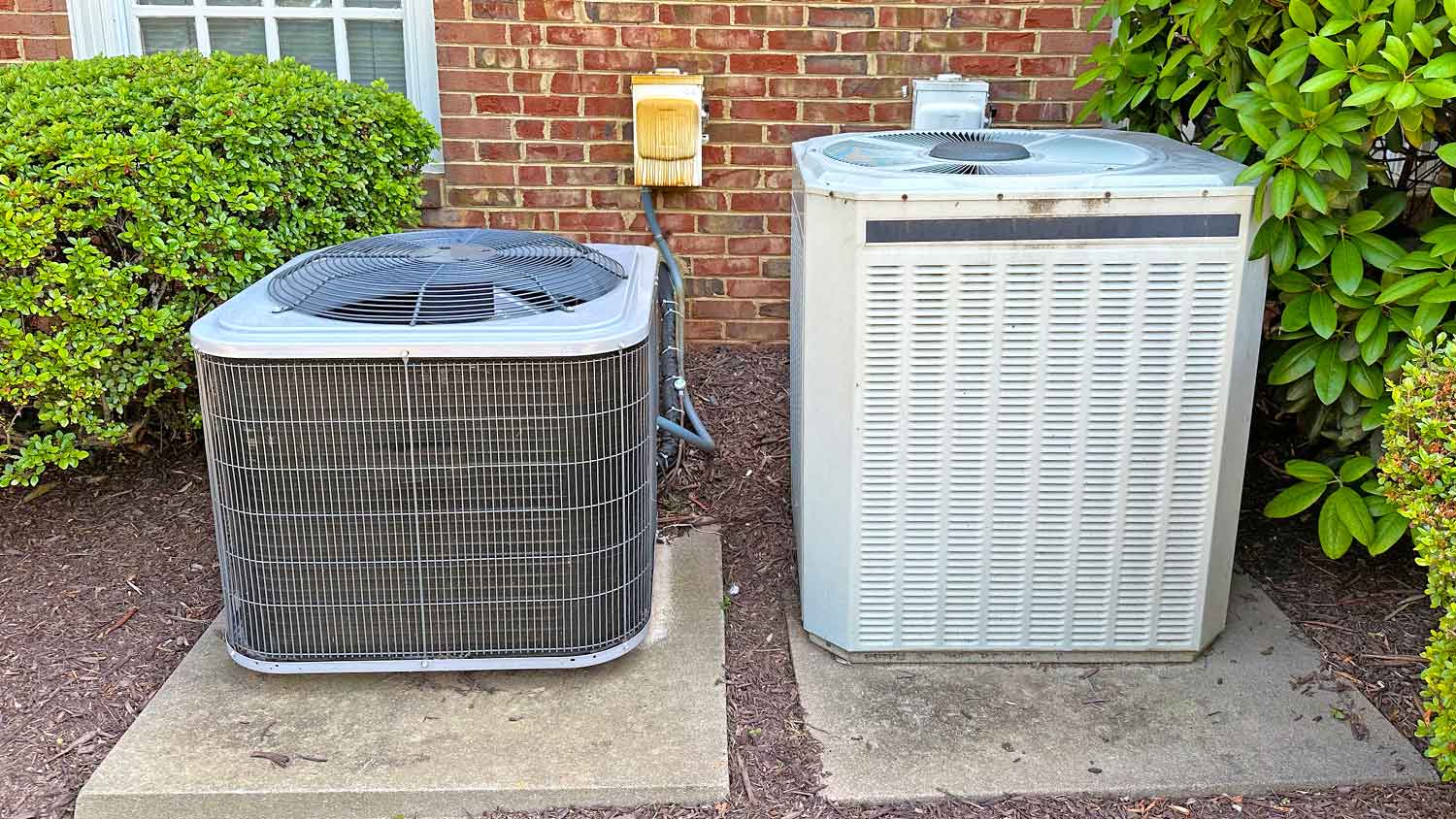
When determining your AC coil cleaning cost, you’ll need to factor in the type, cleaning method, and more. Our cost guide will show you what to expect.

Having dirty evaporator and condenser coils works your HVAC system harder than it needs to. Here’s how to clean your air conditioner coils like a pro.

Don’t ask yourself, “Why is my AC blowing hot air?” this summer. Follow along with our guide to find the most common AC issues so you can get back to being comfortable.

A two-stage air conditioner is an investment, but it’s one that will increase your home’s energy efficiency and comfort. Is it worth it? Let’s weigh the pros and cons.
Portable air conditioners might sound like a dream, but are they really worth the money? Here’s everything you need to know about portable AC units.