
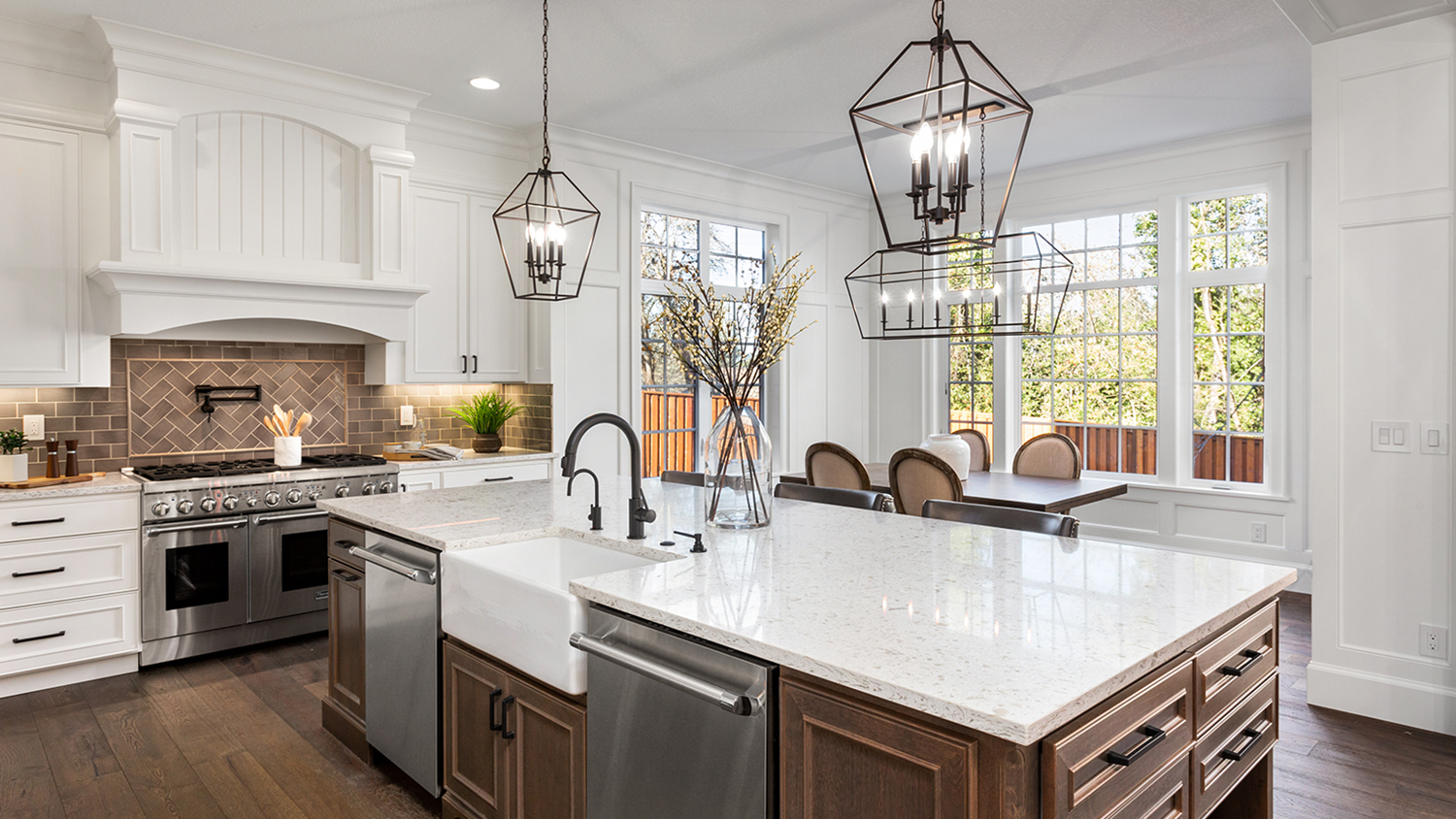
From luxurious marble to trendy slate, this guide will show you the best types of stone countertops for your kitchen. Let’s dive in.
With the right cleaning products and procedures, you’ll have sparkling surfaces in no time

Removing stains from white countertops depends on your countertop material, as granite, marble, quartz, and laminate each require different cleaning products and methods.
Professional counter resurfacing costs $200 to $500 on average, while DIY cleaning materials cost $1 to $20 when you address stains early.
You can prevent most countertop stains by wiping spills immediately, using coasters and cutting boards, and sealing porous surfaces like granite and concrete regularly.
Hiring a local housekeeping professional provides expert guidance when countertops have been damaged or when specialized cleaning techniques are needed for your specific material.
You can clean and remove stains on marble, tile, wood, stainless steel, granite, and other kitchen or bathroom countertop surfaces easily and safely. Knowing how to keep surfaces spotless and prevent stains helps countertops look better and last longer, and it keeps your kitchen or bath looking clean overall. This is a DIY project, unless countertops have been damaged, in which case bringing in a pro might be necessary.
Your countertops play a huge role in your kitchen or bathroom; it’s where you prep food, store useful tools and appliances, or get ready for the day. Not to mention, they can also add value to your home. Keep your countertops looking new and give them the TLC they need to last with these cleaning tips.
Each type of countertop requires a specific cleaning method, stain removal strategy, and sealing process to get your maintenance done. Get rid of stains and prevent marks and scratches to keep your kitchen and bathroom looking snazzy for years to come.
Knowing which types of counters you have is essential to identifying the best ways to clean them and avoiding damaging the material. Next, have the right cleaning supplies and tools on hand. For example, you can use lemon juice and baking soda to remove stains from stainless steel, but lemon juice can cause damage natural stones like marble.
If you’re unsure how to clean your countertop, ask the manufacturer or contractor who installed them. The following steps detail cleaning, removing stains, and sealing the most common countertops.
Granite is a popular countertop choice because it’s 100% natural, durable, and comes in hundreds of colors. With the proper maintenance, it will look great for many years.
Here’s how to clean granite countertops:
Wipe and rinse with warm, soapy water. Avoid abrasive cleansers that may cause scratches. Fixing bleach stains on granite can be tricky, so avoid this cleaning method as well.
To remove stains, apply a baking soda paste, cover it with plastic wrap, and then let it sit overnight. Wipe up with warm water and a soft cloth.
Use the water droplet test to determine when to reseal. Leave a few drops of water on your counter. If the droplet stays on the surface after 15 minutes, no resealing is needed. If the drops spread and leave a dark mark on the stone after you blot off the excess, apply a product formulated for stone.
Marble counters are unique, heat resistant, and durable. Once sealed, they are stain-resistant, and because marble is a natural stone, it’s resistant to scratching and cracking. However, spills still need to be wiped up quickly, especially if it’s a mislaid juice box or glass of wine, because marble is quite porous.
Here’s how to clean marble countertops:
Wipe with a damp, soft cloth and then dry with a clean cloth to prevent streaking and water spots from forming. Use pH-neutral dishwashing liquid mixed with warm water for deeper cleans.
To avoid stains, immediately blot acidic liquids such as wine, orange juice, tomato, or soft drinks, as they can permanently etch marble surfaces. Etched marble may require professional buffing.
Use the water droplet test as described for granite to determine if the counter needs to be resealed. If it fails, use a product formulated for marble’s porous surface.
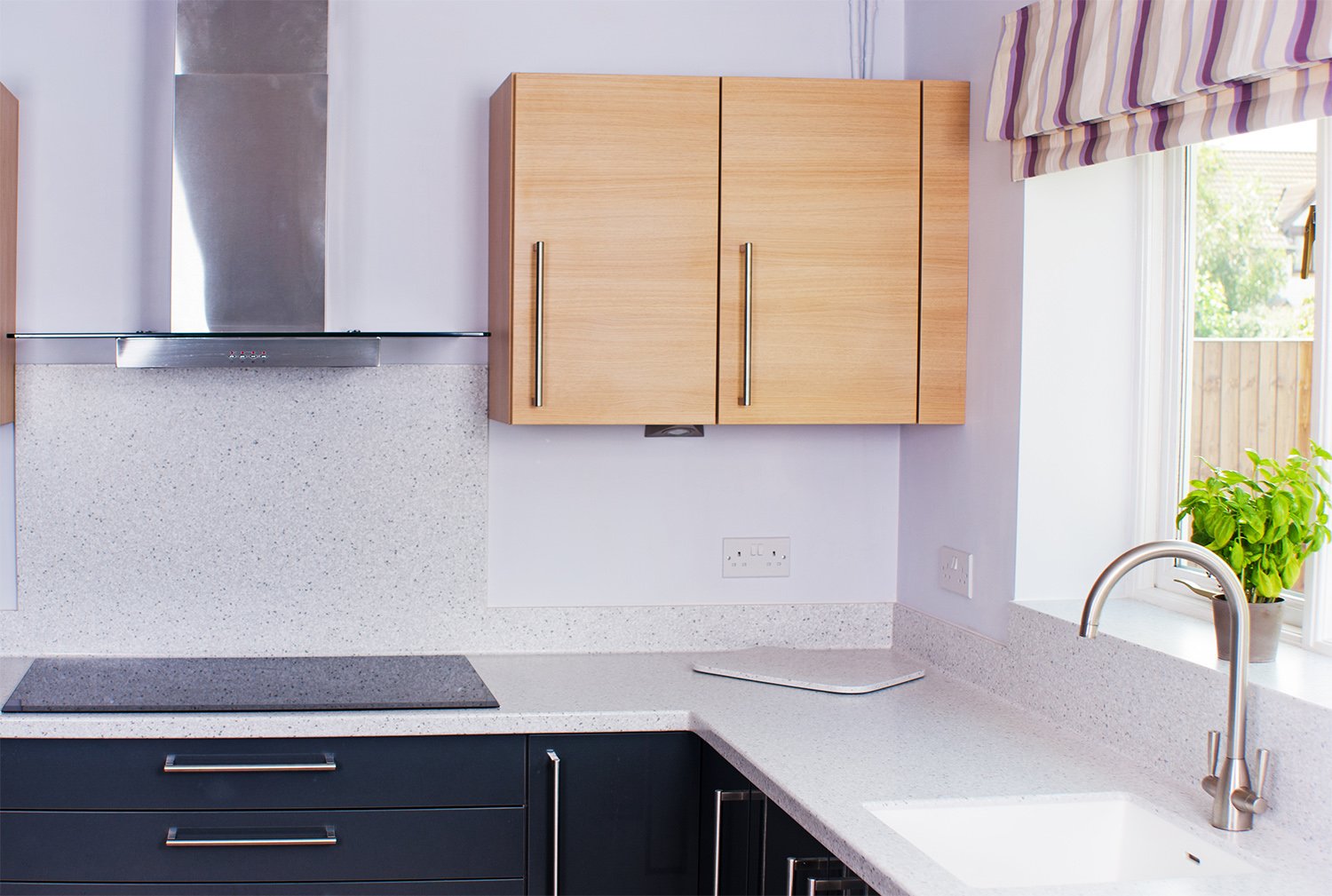
Laminate is a common countertop material found in homes because it’s so economical, and it comes in a wide variety of colors and patterns. It withstands stains and heat, but it is easily scratched by knives. It isn't repairable, so if you have laminate, always remember to use a cutting board. If your laminate countertops are damaged, just won’t get clean, or could benefit from a weekend renovation, you can DIY remove the countertop and start with a fresh design.
Here’s how to clean laminate countertops:
Wipe with warm soapy water, a mild bleach solution, or a non-abrasive kitchen cleaner. Remember to test bleach in an inconspicuous spot first, as it may stain or cause surface damage.
To remove stains, let a baking soda paste sit on a surface stain for a few minutes, then wipe it up and rinse with water. To remove grease buildup, use a kitchen cleaner or a 1:1 vinegar and water solution.
No sealing is needed.
Tile is versatile, allowing you to create a variety of patterns with different shapes and colors. It creates a whimsical look in a kitchen or bath. However, it can be a challenge to keep clean, especially the grout, which is porous.
Here’s how to clean tile countertops:
Use a non-abrasive multipurpose cleaner, as soap may leave behind a film, and a cotton cloth. Or use a combination of baking soda, liquid dish soap, water, and vinegar.
Tile is stain-resistant, but the grout used in between the tiles is susceptible to mold and staining. Clean stained grout using a toothbrush and mildew-fighting cleaner or bleach diluted with water at a 1:1 ratio. Allow the cleaner or bleach to sit for up to 10 minutes to penetrate tough stains.
Seal unglazed tile and grout and re-caulk with mildew-resistant silicone products at least every other year. Glazed ceramic tile doesn’t require sealing.
Butcher-block countertops are beautiful. They double as a cutting board, and the softer surface makes for a quieter kitchen. However, because it’s wood, it’s susceptible to scratches and stains.
Here’s how to clean butcher-block countertops:
Spray wood cleaner onto a sponge rather than applying it directly to the surface. Avoid using bleach and abrasive cleaners, as they can cause damage.
Use a sponge to apply a mixture of a teaspoon of vinegar per one-fourth cup of water. Sand out small burns, cuts, and scratches.
Rub with tung or mineral oil each month or at least quarterly to keep wood from drying out. Wipe up excess oil that doesn’t soak in to prevent the surface from becoming tacky and attracting dirt.
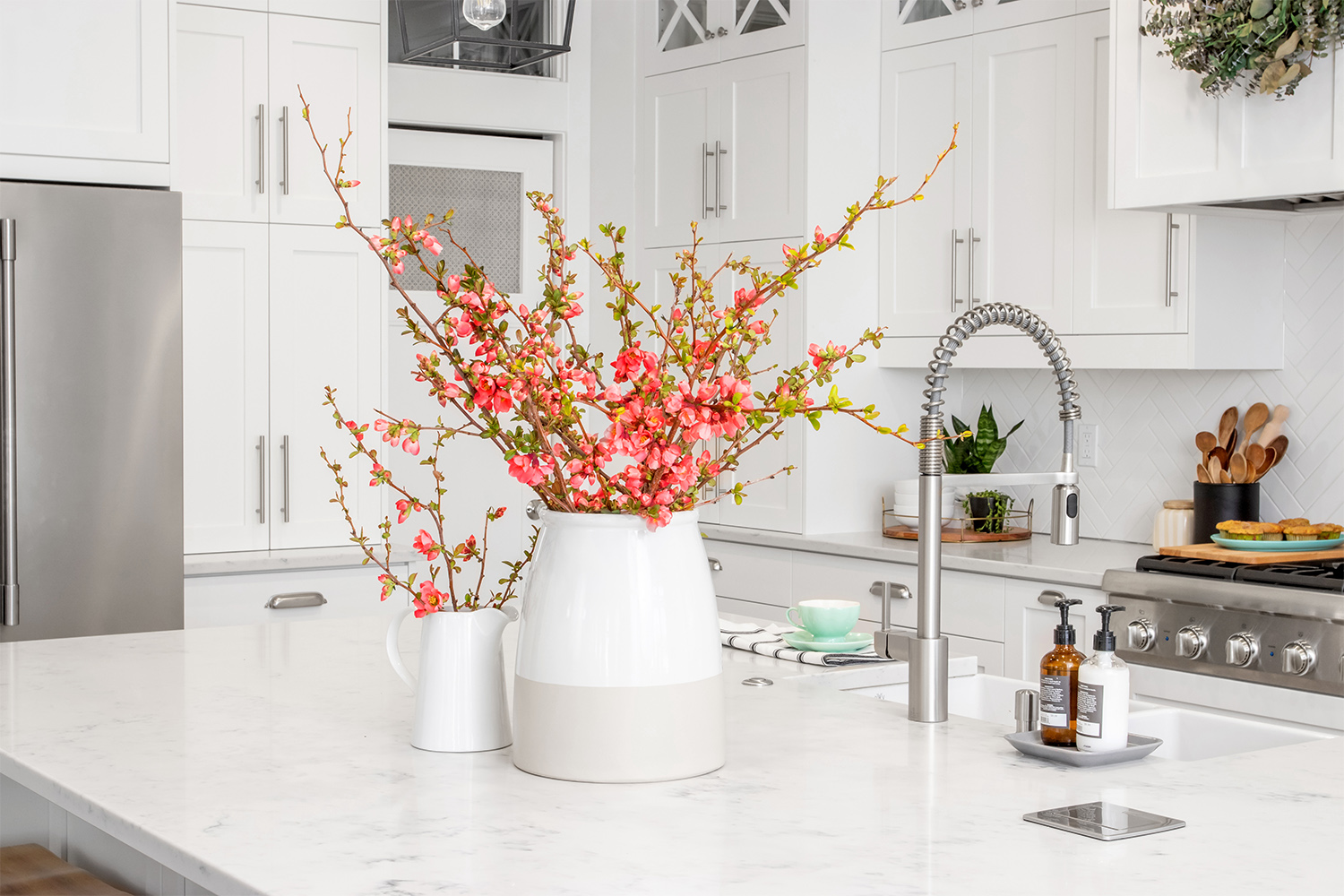
Quartz countertops are the most customizable and durable on the market. You have to try pretty hard to damage it. However, it comes with a price tag that reflects its growing popularity. Think of that as a motivator to keep it looking great for as long as possible.
Here’s how to clean quartz countertops:
Use a cloth with mild soap and warm water to clean—and you’re done!
Quartz is nonporous as well as scratch and stain-resistant.
No sealing is needed.
Crushed glass countertops are works of art. Because of the blend of glass used to make them, each is a unique addition to your home. Besides delicate corners, they are susceptible to staining by foods with high acid content.
Here’s how to clean glass countertops:
Spray glass or multipurpose cleaners onto a soft cloth or sponge rather than applying directly onto the surface to reduce dirt and grime buildup. Avoid using abrasive cleaners and scratchy cleaning tools.
Glass doesn’t stain, but you can scrub stuck-on grime with dishwashing detergent and hot water.
No sealing is needed.
Stainless steel countertops are sleek and modern. They are durable and nonporous, making them the go-to for the food industry. They can be scratched, though, so non-abrasive cleaners are a must.
Here’s how to clean stainless steel countertops:
Remove smudges with cleansers for stainless steel. Soap and water also works, but spots may appear if you let the water sit for too long.
Stainless steel resists stains, but it’s susceptible to rust marks from metal scouring pads, cast-iron pans, and other rust-prone objects. To remove rust marks, use a mild abrasive cleanser or a homemade lemon juice and baking soda paste.
No sealing is needed.

Concrete countertops don’t often pop into mind when you are planning a kitchen remodel. But high-end concrete is as durable as granite or slate and is completely customizable. It exudes a contemporary feel in a modern-industrial style. It’s also scratch and heat resistant.
Here’s how to clean concrete countertops:
Wipe counters with a soap-and-water mixture, or use a commercial concrete cleaner or pH-balanced wipes.
Try laundry detergent and stain remover for new stains. For old-stain removal, soak a cotton ball in bleach and press it on the stain for five to 10 minutes. Or make a paste from hydrogen peroxide, a cup of flour, and water.
Let the mixture soak into the stain for a few hours. Cover the area with plastic wrap if it dries out too quickly. Remove the paste with a wet cloth while scrubbing the stain. If you use these methods, test an inconspicuous area first to make sure the color stays fast.
Concrete is highly porous. Seal it with concrete sealant to prevent stains, scratches, and water absorption.
As mentioned above, countertop maintenance will depend on the specific type of material. For instance, butcher-block countertops require different care than quartz countertops. In general, though, there are some tips to help keep your countertops in good shape.
You can prevent scratches and stains by being careful with the countertop surface. Make sure to use coasters and cutting boards, and avoid putting any hot cookware on the kitchen countertop surface. For the bathroom, consider purchasing trays to store toiletries and keep your countertop clean.
Don’t hesitate to clean up any spills as soon as possible to avoid stains. For example, ketchup or coffee spills on a butcher-block counter can soak into the wood with time and leave a stain behind.
Protect your natural stone countertops, including limestone and marble, from etching—discoloration and surface damage. Acidic liquids like lemon juice, wine, tomato sauce, and vinegar can cause etching if you don’t wipe up a spill right away.
One of the best things you can do for your countertop is to stay on top of sealing (if the material requires it). Sealing will help protect the surface from stains and scratches and can help keep it looking shiny.
Now that you know how to clean different types of countertops, you should be set. Most of the time, the right materials and some elbow grease will get your countertops back to a pristine state. But if the countertop has been damaged, you might need to hire a local countertop repair pro.
Here is the cost difference for DIY vs. a professional:
Materials cost for DIY: $1–$20
Cost for a professional counter resurfacing: Average $200–$500
Knowing how to clean different types of countertops is essential to having a sparkling surface without damaging it. You should be able to have your counters looking new in no time using the above methods.
I had FabClean 614 clean my apartment, and she did an outstanding job. She was so professional and efficient. My apartment looks absolutely spotless every surface, every corner, all cleaned to perfection. Definitely highly recommend FabClean 614 if you're looking for top-notch cleaning...
 Fab Clean 614
Best cleaning I've had at my property
Fantastic group, very communicative, and they really did a great job cleaning my condo. Will be hiring them for recurring cleaning!
 eMaids of Northern Columbus
Excellent the crew was great did what I ask cleaned up and the price was awesome
 All Star Paving and Sealing
On time, clean and finished fast. Windows seem sturdy and the finish is good. Caulking was done with no smudges. Would recommend.
 Window Depot USA of Central Ohio
I definitely recommend Ramonaâ s cleaning service! I have booked services with her many times and she arrives on time, ready to work and provides a great service.
 Your Cleaning Solutions LLC
Mary Cleaning Service is fantastic! The entire team is professional and pay a great deal of attention to detail. They do such a thorough job of cleaning my house. I would definitely recommend!
It was just fine. They did a good job. They cleaned what needed to be cleaned.
 Dezired Cleaners LLC
They cleaned my very dirty basement. They were prompts, quick, thorough and their price was fair.
 JDE House Cleaning LLC
Excellent! We were very satisfied with the service provided and the entire experience from start to finish. Very friendly and professional staff. I was able to instantly get in contact with them for a quote and the response time and overall communication remained quick and easy throughout the...
 Prime Cleaning Service
From average costs to expert advice, get all the answers you need to get your job done.
From luxurious marble to trendy slate, this guide will show you the best types of stone countertops for your kitchen. Let’s dive in.
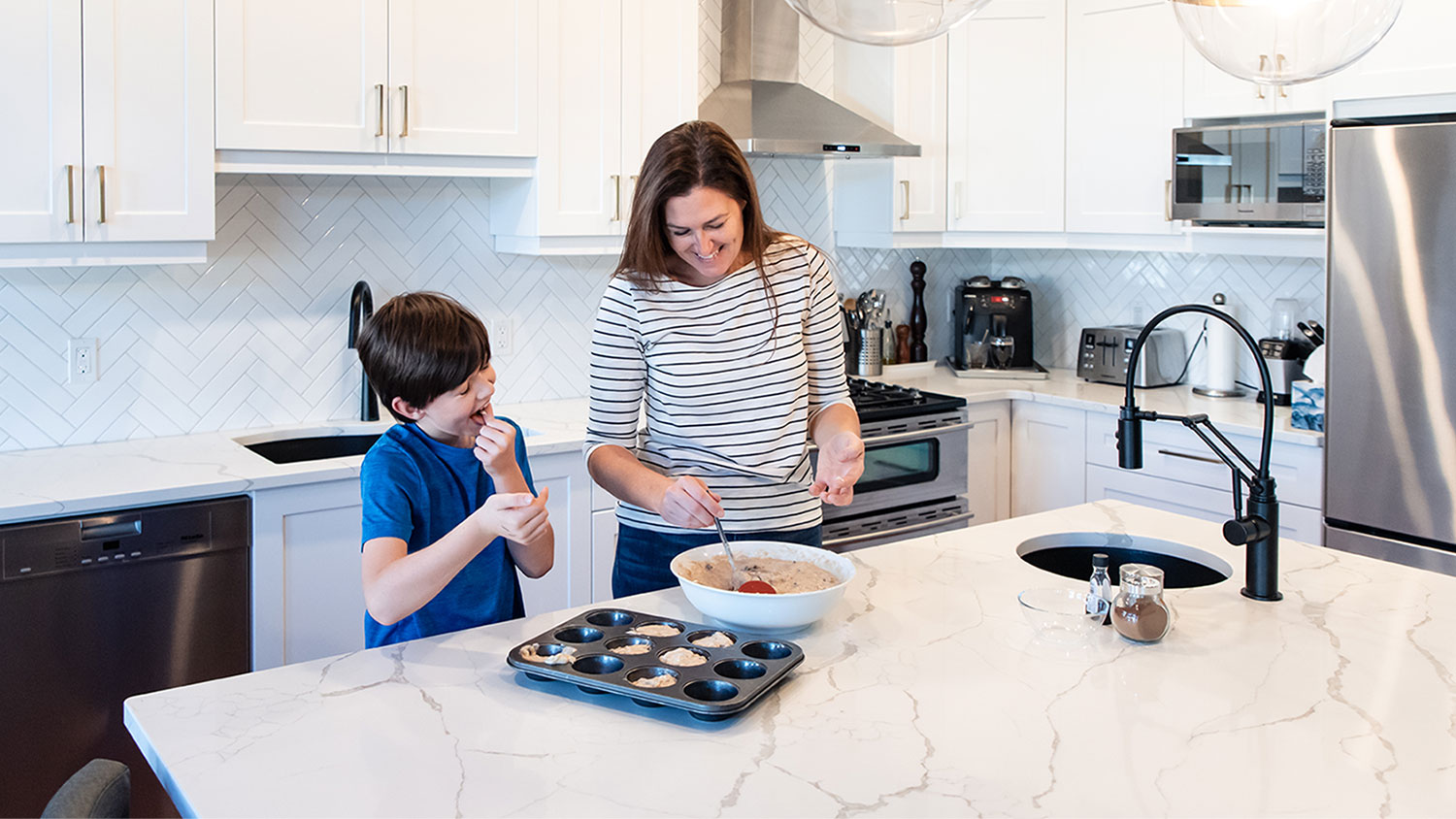
Quartz countertops are an elegant addition to your home. Learn how to clean quartz countertops to keep them looking great for years to come.
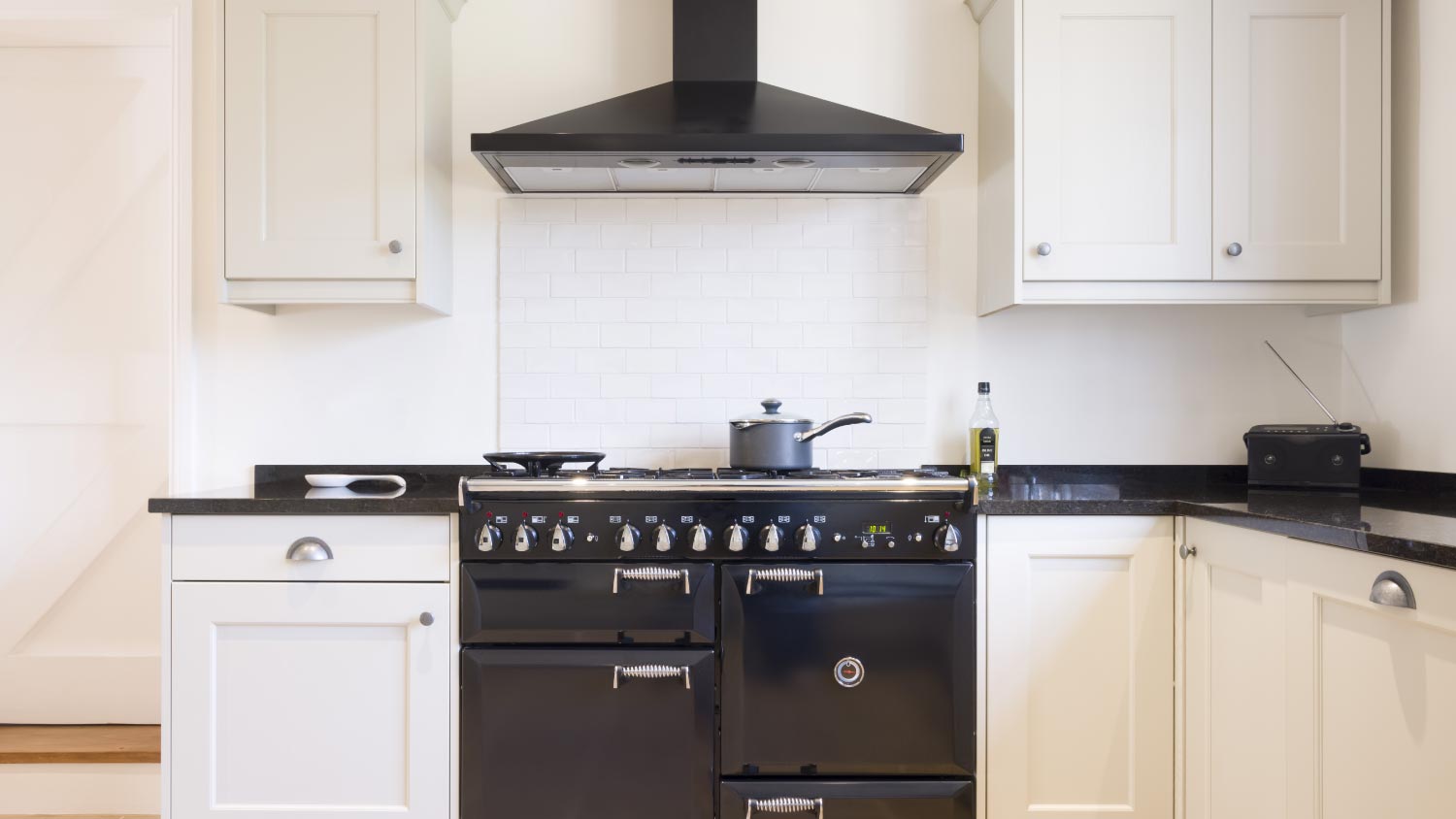
Spruce up your kitchen with a new look by giving your countertops a makeover. Learn how to paint countertops and the top tips to keep them looking pristine.
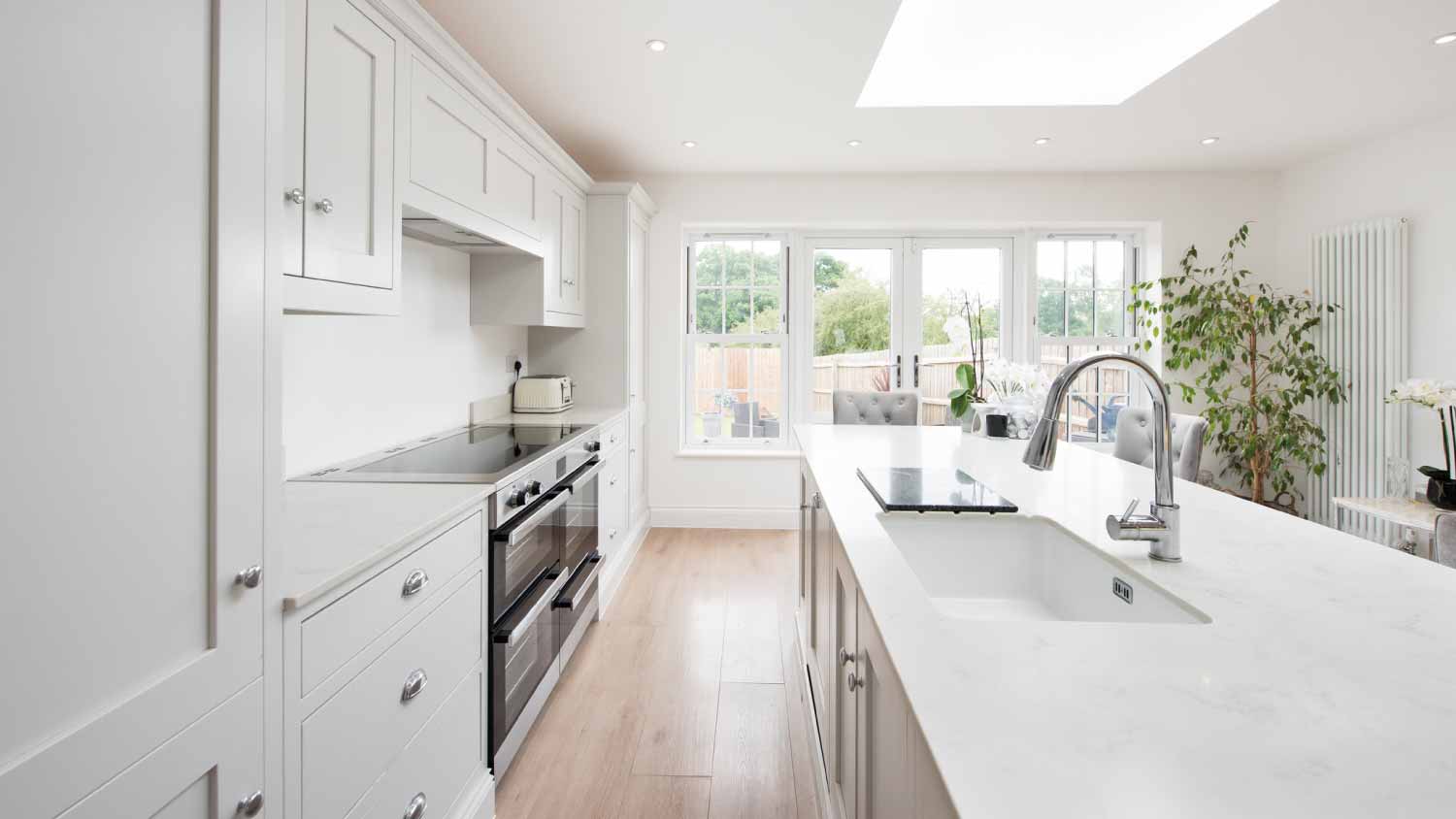
Solid surface countertops can elevate the look of a kitchen or bathroom while staying on a budget. Here are some pros and cons to consider.
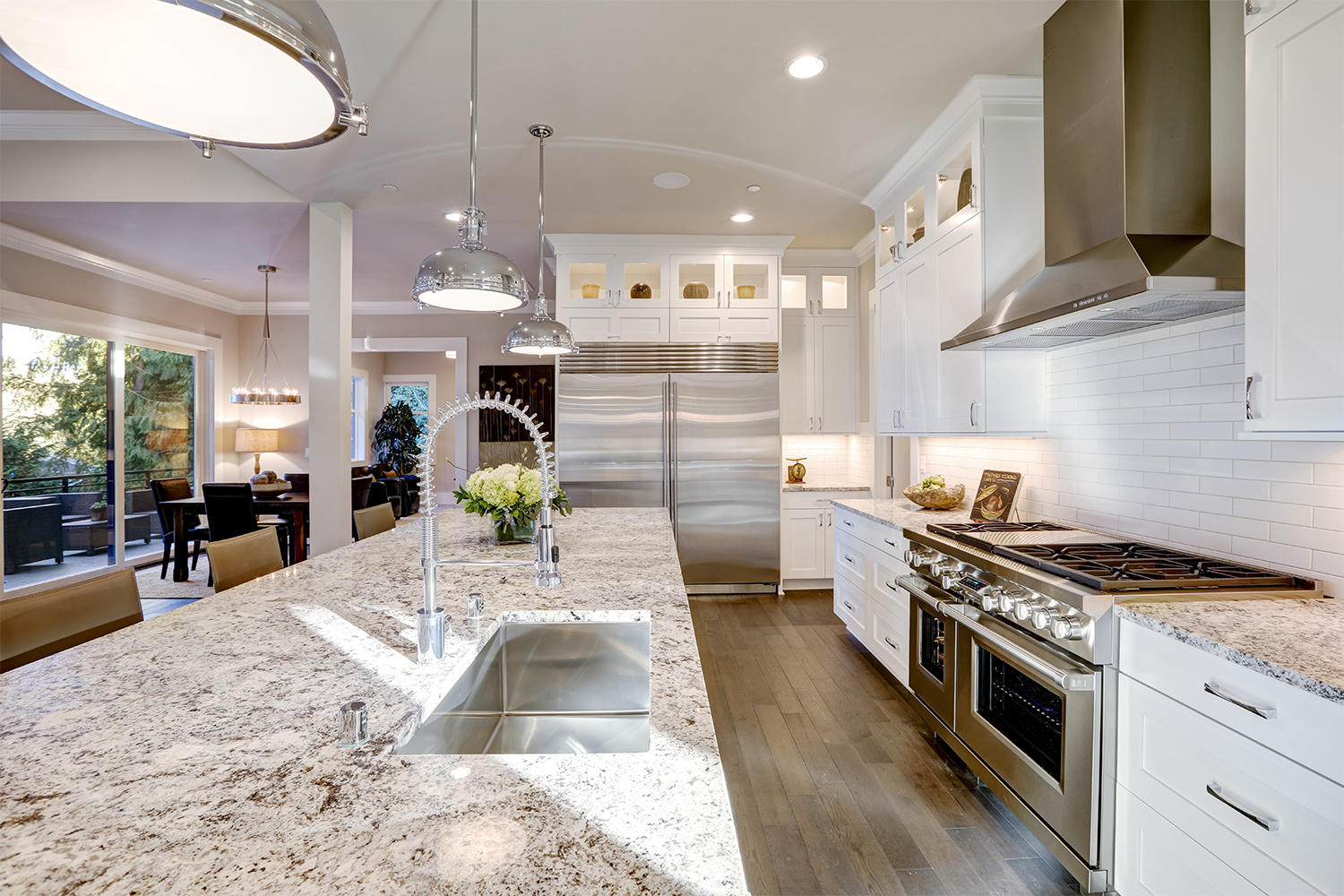
Do your granite countertops need a little TLC but you're unsure what’s the right way to clean them? Learn how to clean granite countertops properly here.
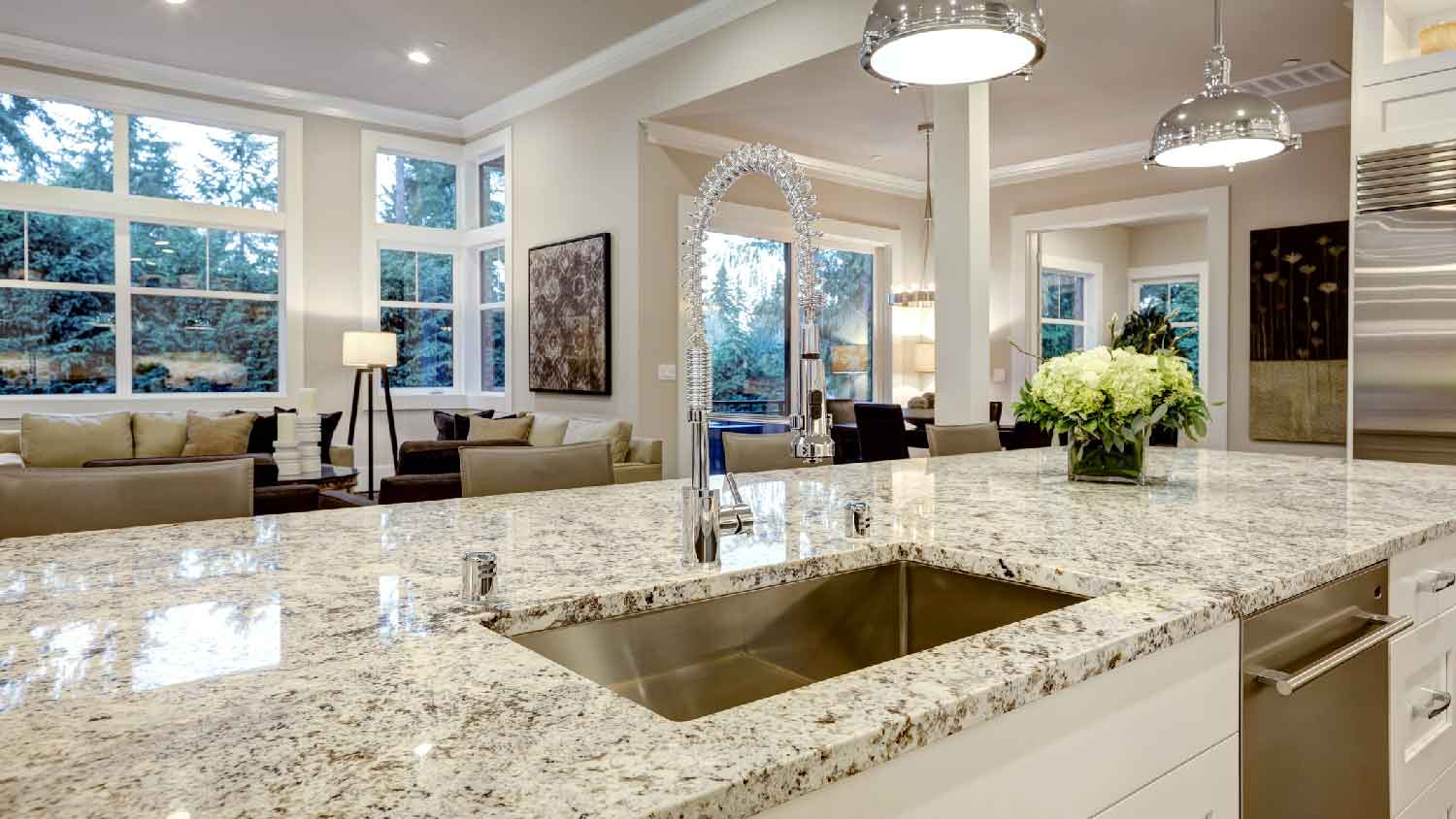
Find out the similarities and differences between epoxy versus granite countertops so you can make the best decision for your next kitchen remodel.