
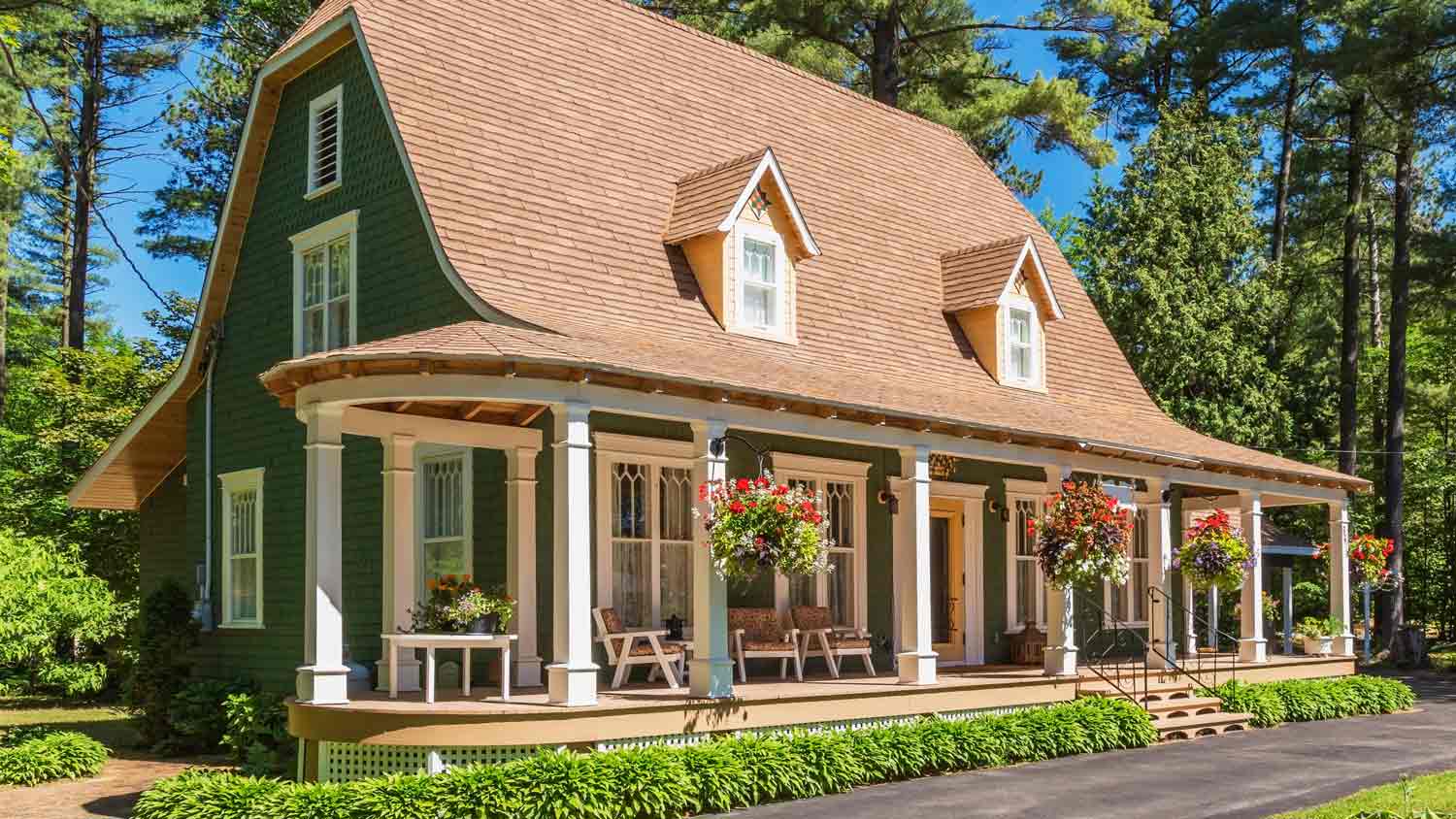
A porch can expand your living space and add curb appeal. Find out what to budget for the cost of a porch on your home with this guide.
Get the lemonade and rocking chairs ready

Building a porch requires obtaining proper permits from your local department and calling 811 to avoid hitting gas, water, or electric lines.
Expect to pay $1,000 to $3,000 for DIY materials and tools or around $10,500 for professional installation, helping you budget accurately.
Your porch design should match your home's architecture, and you'll need to pour concrete footers at the depth specified by your permit.
Hiring a local porch company handles the heavy lifting from foundation work to final flooring, keeping your project on schedule and built right.
There’s nothing like sitting outside your home with a cup of coffee and a good book, basking in the fresh air surrounding you. Decks, stoops, and patios are great for most relaxing activities. Building your own porch is a challenging project, but if you take your time and plan properly, you’ll create a masterpiece that could be the talk of the neighborhood. Read on for a step-by-step guide on how to build a front porch yourself.
Like most construction projects, you’ll need to obtain the correct permits before building your front porch. Some areas might not consider there to be a difference between porches and decks, but it’s good to tell your local permitting department which one you’re building. Make sure to have an outline of your project so they can give you information about the foundational depth of your new porch.
You’ll also have to call the Dig Safe number, 811, and contact your local utility company before you start digging. They’ll provide details to help you avoid hitting major gas, water, or electric lines.

Take the time to consider the porch’s style. It would be best to have something that matches your home’s architecture. If you have a farmhouse-style house, a front porch will enhance that rustic look.
Don’t forget, you can add additional features to your front porch. For example, building a screened porch can protect you from outdoor elements and give you that old-style cottage feel. The cost to build a screened porch starts at $2,000 with a DIY screened-in porch kit, which includes everything you’ll need.


Use the information provided by the permit department to dig three holes at the specified depth. Each hole should be at least six feet away from the house. The two end holes need to be 12 feet apart, and the third hole should be stationed in the middle, leaving a 6-foot difference on each side.
Lay the bags of gravel between each hole, creating a base that’s no more than six inches deep. Afterward, place the form tubes in each hole, mix the concrete, and pour it into the form tubes. Fix the metal column bases to the top of each tube.
Next, use your carpentry pencil to mark your desired porch height on the 6-by-6 board. These are helpful for attaching the column bases to the porch joists later on in the project.
Put on your protective eyewear, get your saw ready, and subtract 9 1/4 inches from each section to represent the actual height of the 2-by-10 joist bases. You’ll also need to cut away another 1 1/2 inches for the porch flooring.
Something else to consider is the drop from the main door to the porch flooring. Depending on the porch's height, it’s usually about 1 1/2 to 3 inches. Then add the three post sections to the footer base.
The ledger board’s importance can’t be understated because it runs the width of your porch and connects it to your house. Before attaching it at the desired height, use the level to ensure it’s even. Use a utility knife to remove some siding to help alignment.
Drill small holes and attach the ledger board with the 1/2-inch lags screws using a ratchet wrench. Afterward, attach two double joist hangers at the end of the ledger board.
To build the porch’s outer perimeter, attach two 12-foot 2-inch-by-10-inch boards to the metal column bases to create the rim joist. Then take the remaining two double joist hangers—remember the other two are attached to the ledger board—and attach each to the end of the rim joist.
Use your saw to cut two pieces of the 2-by-10 boards in half. Then you’ll have four 6-foot boards left. Run them from the double joist hangers on the ledger board to the hangers on the rim joist.
Attaching the joists requires knowledge of “on-center” spacing, a term used in most building plans. In layman's terms, it's the required spacing from one framing material to the next. And since you're working with materials of various lengths and widths, it creates an accurate layout throughout, simplifying installation.
So take your single joist hangers and attach each every 16 inches on-center to the ledger board and the 2-inch-by-10-inch board that’s parallel. Cut six 2-by-10 boards at six feet each using your saw and place them into the single joist hangers. Then secure them by drilling fasteners.
For the flooring, run the 12-foot-long pressure-treated boards the entire porch width. As you lay your boards down, leave about one-eighth of an inch in between each. Then secure the boards by face-nailing them to the joists with a hammer.
Since you haven’t installed the railing yet, now is the best time to reinforce the boards. For pressure-treated 2-by-6 boards, an exterior acrylic-latex paint with a solid color should do the trick.
Other types of wood such as ipe, redwood, or cedar should be finished with a penetrative oil or deck sealant to provide a natural look.
Railings are only necessary if your porch is a certain height—usually above 30 inches— and needs to follow specific building codes. They consist of a banister, balustrade, and baluster.
The banister is a handrail you hold as you walk down the stairs; balusters are the vertical pieces between the railing and flooring that provide additional support; balustrades are the combination of the railing and supporting posts.
The balusters need to be fastened to the structure underneath the floorboards and not only the boards themselves. Drill a post-hole into the concrete before securing the post for concrete foundations. Then measure the distance between the balustrades and connect them with brackets.
Installing a front porch yourself is a DIY that you can complete with basic construction skills. It might take you a little longer, but gathering the materials and tools will cost between $1,000 and $3,000, saving you money on professional labor. That price is in contrast to the average price to have a pro build a porch, which runs about $10,500.
If you want to build a larger, more elaborate porch, or you simply don’t want to take on the job yourself, you can hire a porch builder in your area.
One of my old tall evergreen trees was suddenly leaning toward the busy street in front of my house. I submitted a request for an emergency tree inspection, and Alejandro, owner of Cajete Tree Service, contacted me immediately and arrived to look at it just 20 minutes later. We agreed the...
 Cajete Tree Service LLC
Mitchell and the crew were top tier i am so happy with my new roof
 Home Genius Exteriors
1 tree was cut down and 5 others including a large willow tree were trimmed. The Grant Tree Service men were professional and cleaned up afterwards. The cost of the 6 trees were affordable. I am very happy with the results. I would hire them again.
 Grants Tree Service
Archie did a good job cleaning up the driveway before he laid down the sealer. It looks good. He was gracious and even helped me bring up my groceries. His rate was comparable to another company who came out to give me a quote and he talked to me personally rather than just text me a quote...
 Pro Seal Roofing & Paving
We have bought and sold numerous times over the past 50 years. Sherman Hall and Top Line are top notch. Thorough and detailed, he explains every possibility, probability, and eventuality. High class and pleasant. The best.
 Top Line Home Inspections, LLC
D1 Roofing delivers outstanding service from beginning to end, backed by a strong warranty and expert teams. I highly recommend them for their excellence in meeting and surpassing expectations with unmatched communication. Choosing D1 Roofing was flawless decision
 Division 1 Roofing LLC
Supreme Brick & Chimney did an excellent job restoring the brick and mortar joints on my home. Their team was professional, knowledgeable, and completed the work on time. I highly recommend them and will hire them again in the future! Thanks!
 Supreme brick & chimney
Window Depot did an amazing job on my deck. I wasnt sure what I wanted to do, but their composite decking was affordable and will last a long time. I am excited to have family over, and I am no longer embarrassed by my backyard. Jeff and the ground crew were polite, respectful, and caring for...
 Window Depot USA of Central Ohio
We were having 2”x 2” tile installed . There was a small installation error and the new additional replacement tile was from a different lot and the colors didn’t match. Joe assured us that he would rectify everything , which he did without hesitation. We decided to go with the 18” x 36” tile...
 CarifaTile
Maple Tree Service should serve as a mentor for other business! Customer service was superior and beyond expectation. Response to request was prompt. The representative was very courteous and proud of the company. Quote was given during initial visit and work date established. A follow up...
 Maplewood Tree Service
From average costs to expert advice, get all the answers you need to get your job done.
A porch can expand your living space and add curb appeal. Find out what to budget for the cost of a porch on your home with this guide.
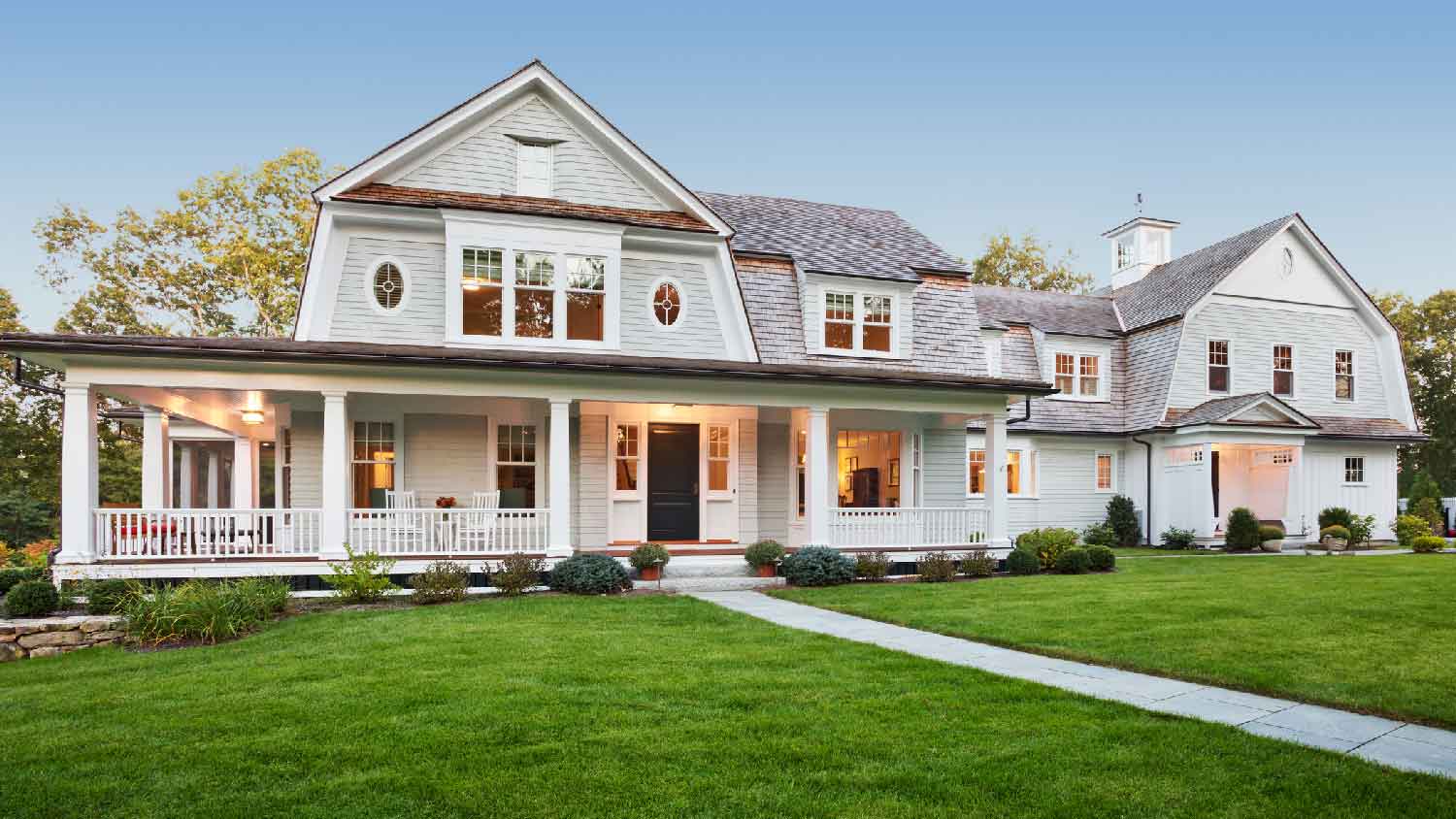
Are you wondering what factors might affect a wraparound porch’s cost? Budget for this rustic and charming addition with our cost guide.
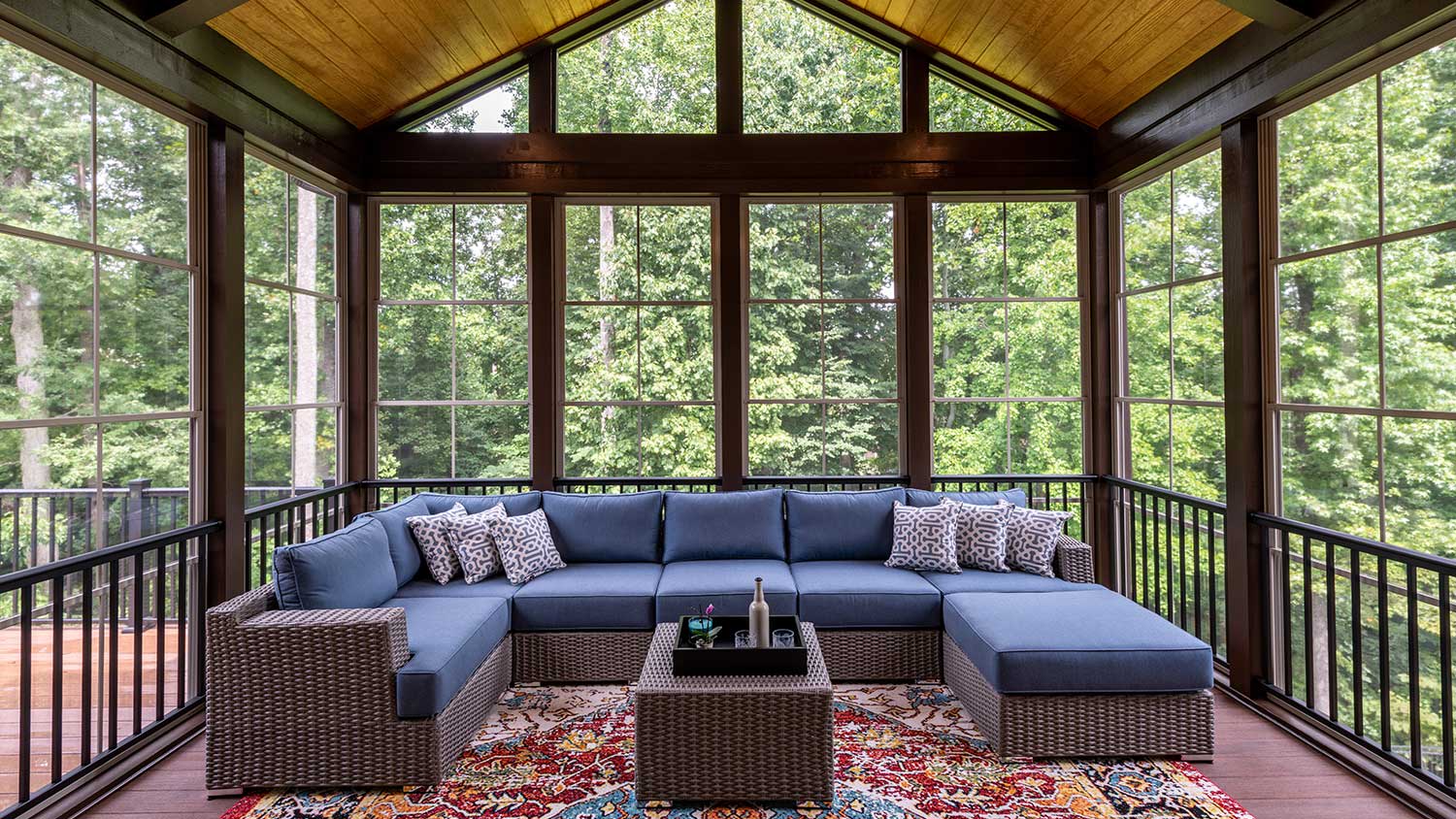
Considering adding a screened porch to your home? Discover the average cost of a screened-in porch, depending on its size, location, and more.
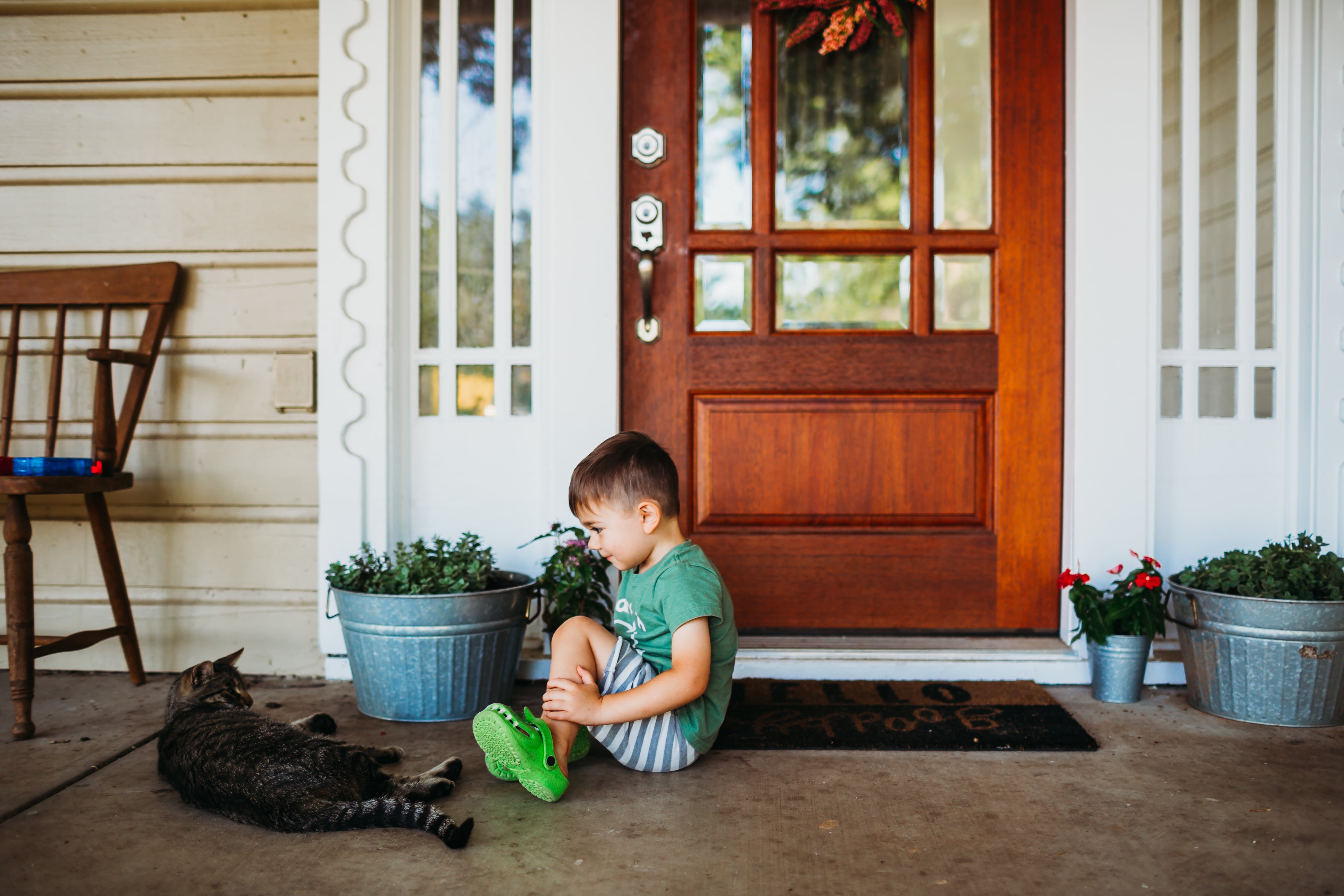
Want to add personality and character to your front porch? Discover some front porch decorating ideas to instantly boost the curb appeal of your outdoor space.
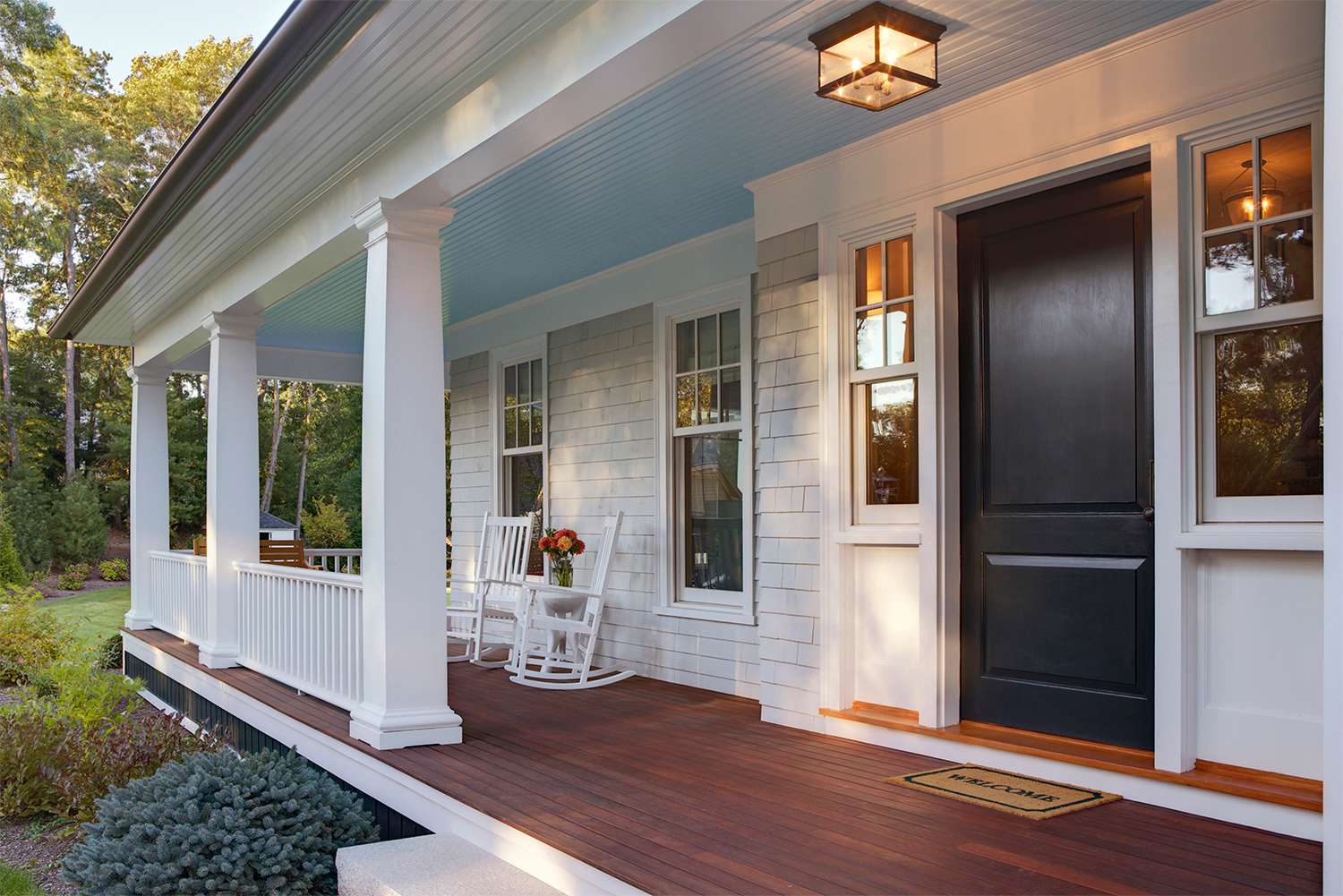
Porches, decks, and patios are similar, but they have a few key differences. Porches are covered areas attached to a house. If you love the feeling of outdoor living, it may be the perfect fit. This guide will help you determine your best porch style.
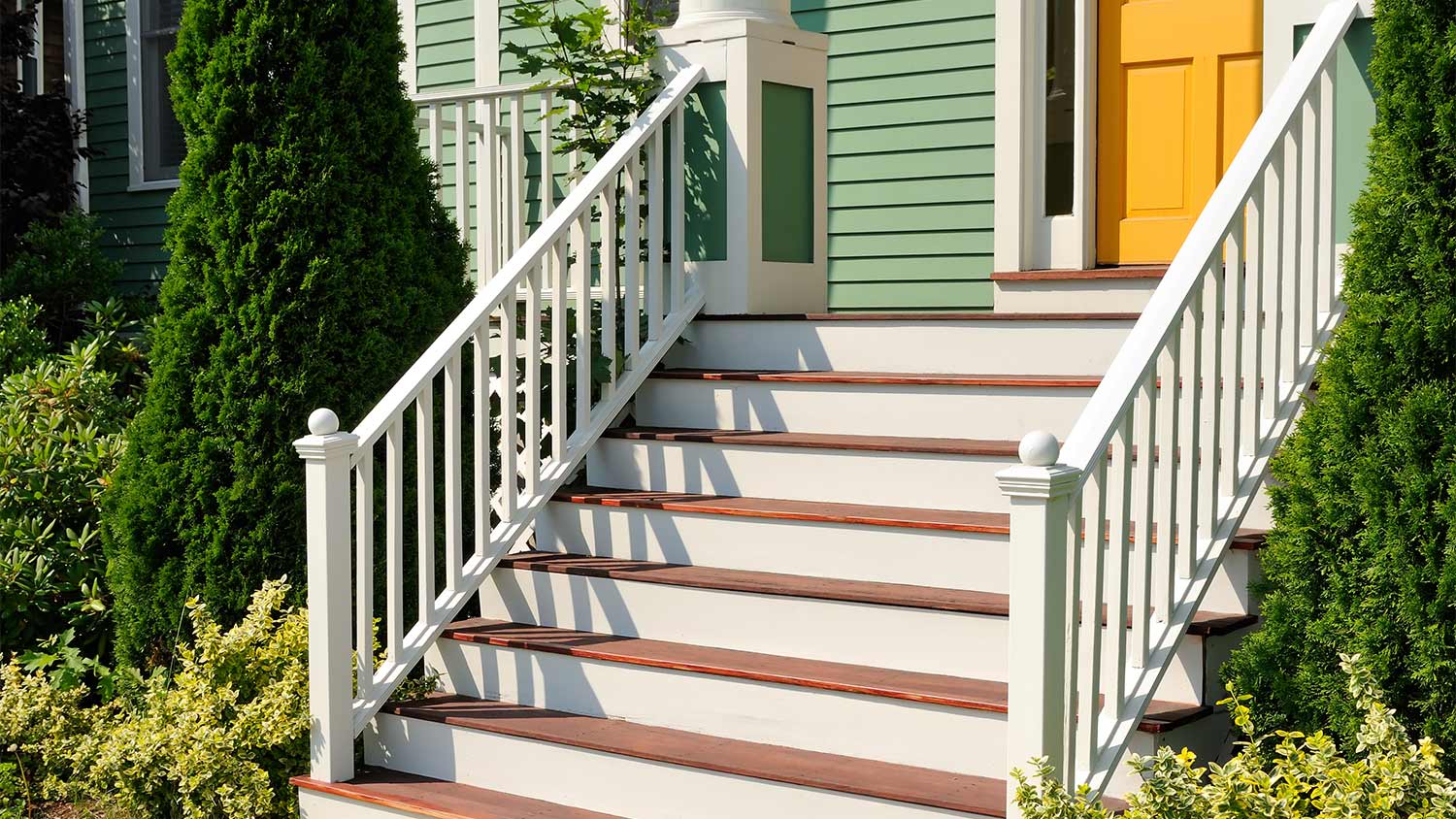
Take the mystery out of replacing old exterior stairs or installing new ones by learning how to build porch steps using this helpful guide.