
•
Discover the cost to install a home wind turbine, including average prices, key factors, and tips to help you budget for your renewable energy project.
Learn whether turbines are a practical energy alternative for your home

Home wind generators work best when your property's average wind speeds match the turbine's rated wind speed, so check local wind data before investing.
You need to place your turbine at least three times the height of nearby structures and 500 feet away from obstacles to maximize wind collection.
Standalone wind generator systems work independently from the utility grid, while grid-connected systems let you feed excess energy back and draw power when needed.
Hiring a local generator installation professional keeps placement decisions safe and ensures your turbine meets local zoning regulations and permit requirements.
As the hunt for renewable energy sources becomes more important than ever, even the small-scale practices individuals can make a difference. Wind generators for homes offer a promising solution for homeowners looking to generate clean, renewable energy and significantly reduce their carbon footprint. However, there are many important factors to consider, and they won’t be efficient in every setting. Here’s what you need to know about installing home wind turbines.
Wind turbines are devices that transform the kinetic energy of wind into usable electricity. When the wind blows, it sets the turbine’s blades into motion, which drives a rotor connected to a small generator within the system. As this generator operates, it generates electricity.
To integrate harvested energy into a home's electrical system, a wind turbine is linked to an inverter, which converts the turbine’s direct current (DC) power into alternating current (AC) power suitable for household use. Certain wind turbine models even feature a solar battery component, allowing them to store surplus wind energy for consumption during windless periods. In some instances, homeowners can acquire a separate solar battery to enhance energy storage capabilities in conjunction with their home turbine.
Wind energy is a clean, renewable resource that doesn’t produce harmful emissions, making it an environmentally friendly choice for powering homes. Plus, by generating your own electricity, you can reduce your reliance on traditional energy sources and gain energy independence. Along with that, wind generators can reduce the cost of the average electrical bill and contribute to a more sustainable and eco-conscious lifestyle.

While domestic wind turbines are notably smaller and less powerful than their commercial counterparts, they offer a practical means of producing clean energy in a small-scale setting such as a home, camper, or RV. However, it’s important to consider whether the property in question and the surrounding environmental conditions can accommodate a wind turbine. Consider these main factors:
Before installing wind generators for homes, it’s essential to analyze the amount of wind around your property. Check out your area’s average wind speeds and compare them to the generator’s rated wind speed to find the best fit. If your area doesn’t receive sufficient wind, it’s a good idea to consider other green energy alternatives, such as solar panels.
Large, open spaces like a big yard or field are ideal for standalone turbines. If you’re considering a rooftop turbine, ensure that trees don’t block the spot and can hold the turbine securely. Also, make sure your roof isn’t too steeply sloped, and can handle the weight of the turbine.
Structures, trees, natural rock formations, and other large objects can greatly impact a wind turbine’s ability to catch wind. To ensure optimal functionality of your turbine, place the system at least three times the height of anything sizable around it, and give it about 500 feet of space from those obstacles. Consult your wind turbine installer about its placement and surrounding obstacles to ensure it’s a safe spot to keep it.
Always check local zoning regulations and obtain necessary permits before installing a wind generator. Some areas have height restrictions and setback requirements. A qualified local home generator installation professional can help find the best solution based on your property’s setup.
While residential turbines aren’t as hazardous as big wind farms and commercial turbines, they can still potentially pose a threat to local birds and wildlife. Home wind turbines can harm or even kill birds, bats, and insects, and they might also disrupt the migration patterns of these creatures. While it's hard to completely prevent this impact, there are some steps you can take. For instance, you could paint your turbine in a dark, contrasting color or choose a location that's less likely to attract birds and bats.
Another important consideration when choosing wind generators for homes is whether to install a standalone or grid-connected system. Standalone or off-grid wind energy systems operate independently from the utility grid. These systems are ideal for remote locations where connecting to the grid may be expensive or impractical. They’re also a great choice for individuals seeking energy independence and reduced reliance on utility companies.
Grid-connected home wind generators, also known as grid-tied systems, allow you to use the generator’s energy while remaining connected to the grid. Any excess energy generated by the wind turbine can be fed back into the grid, earning homeowners credits or compensation from their utility company. If the turbine doesn’t produce enough energy, power can be drawn from the grid as needed.
If you’re good people wanting to do business with good people, hire Matt. He is a consummate professional and utterly competent. He installed a water heater in my home at a price that beat competitors by hundreds of dollars with a promise to support the unit for its life (even after its 6 yr...
 Greene's Plumbing Services
I recently had Mosby Electric perform an electrical installation on 8-14-2026, and I couldn’t be more satisfied with the service. From the moment I called, their team demonstrated fast arrival and professionalism. The electricians were highly knowledgeable, completing the installation...
 Mosby Electric
Joseph did a great job with the staircase and trim. Timely and efficient, clear communication about the work, very fair pricing. For the stairs in particular, done very skillfully in an old house (1893) in a tight spiral, and very creative with how to do the handrail. Did a nice job with...
 Vouis Trim Carpentry L.L.C.
Jason has helped me with multiple household projects, with the most recent being new door installation. He has always showed up on time and organized and has done an incredible job! Jason is very professional and he's now my go-to for anything around my house that needs to be fixed or...
 Huff Garage Rescue, LLC
Very professional, knowledgeable and helpful! Completed the install on time and as expected.
 Ward's Services
Excellent, Prompt, Courteous Service!!! They were super friendly and quite personable. I felt very comfortable with the gentlemen that did the installation. They installed it exactly where I asked them to and they did an excellent job!! I loved their service so much.
 Tether House
The Mosby team went above and beyond for my project. They not only installed my light fixture; they also worked through an old, wonky, and as it turns out incorrect wiring issue from the work of prior contractors. Professional, thorough, conscientious, and kind. Five star experience. Thank you!
 Mosby Electric
Window Depot did an amazing job installing the windows in my basement! The process from start to finish was by far more than what I expected. I would highly recommend Window Depot if you want professionalism from the the consultation to the installation. Dont settle for mediocre when you can...
 Window Depot USA of Central Ohio
The guys did an outstanding job and we had a great experience with CarifaTile. I appreciated that Joe reviewed the quotes with me and set expectations prior to the install. The crews showed up as scheduled and always left the areas clean upon leaving the house. We will definitely use...
 CarifaTile
Called ahead and worked quickly to install keyless locks on vintage wooden doors.
 Expert Lock and Key, LLC
From average costs to expert advice, get all the answers you need to get your job done.
Discover the cost to install a home wind turbine, including average prices, key factors, and tips to help you budget for your renewable energy project.

The average cost of a whole-house generator falls between $5,000 and $25,000. Keep reading to learn how much you can expect to spend.

The cost to install a generator transfer switch depends on several factors. Our guide will help you understand all of the costs.

Depending on your needs, many types of generators can power your home, RV, or campsite. Check out our guide for the best types of generators.
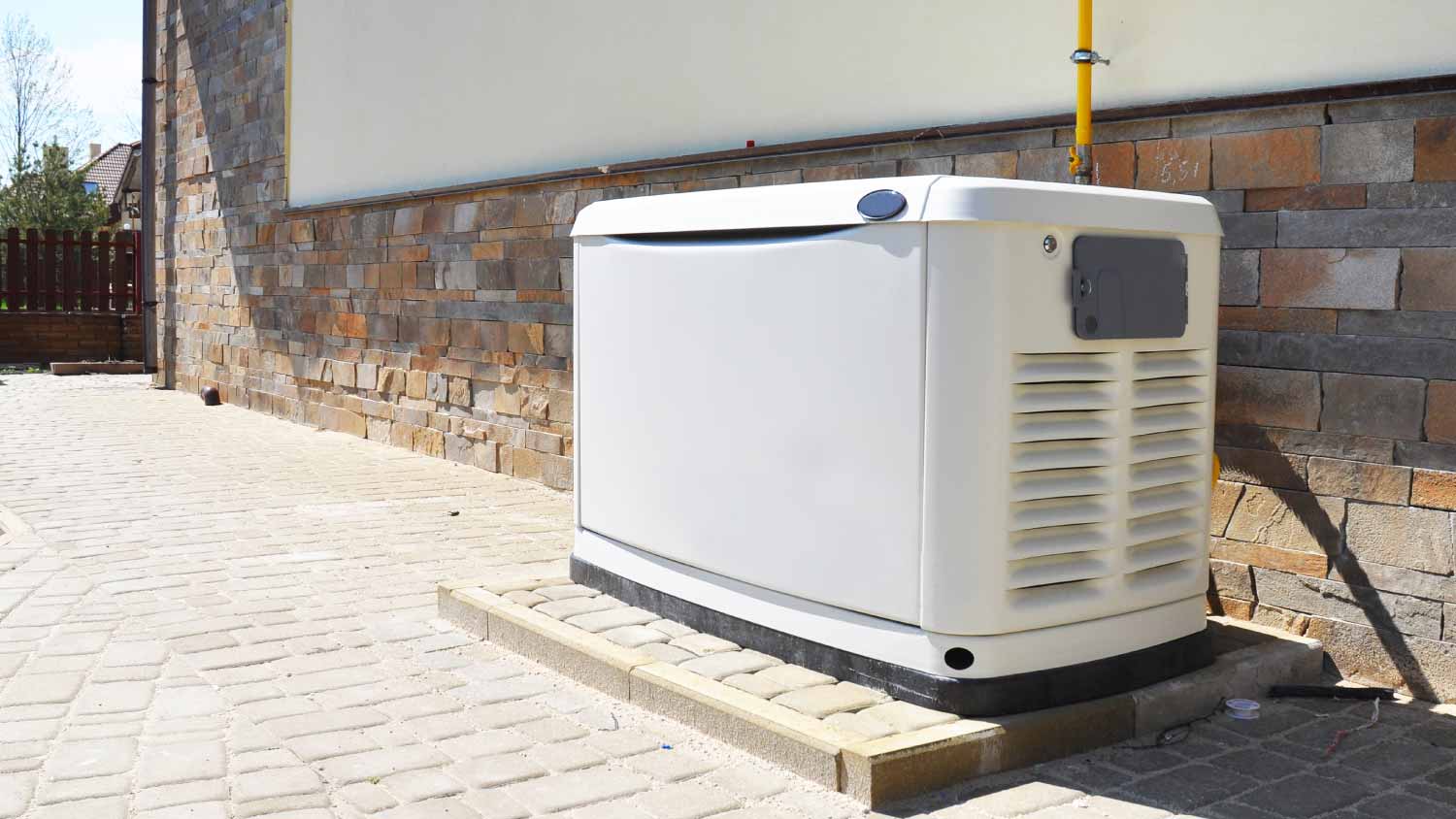
Generators are a home essential when a power outage strikes. Compare home standby generators vs backup battery systems to find the best one for you.
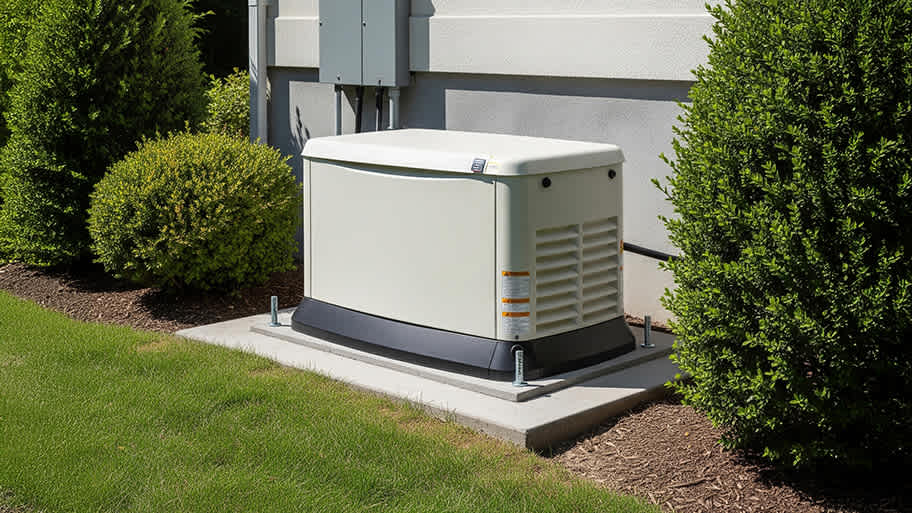
Using a generator during a power outage is a lifesaver. Our guide will show you how to connect a generator to your house without a transfer switch.