
When building a home, going custom gives you the freedom to create your dream house. Learn about the cost to build a custom home and the factors to consider.
Put money back in your wallet by making some small changes

Money-saving home projects like switching to LED bulbs, installing low-flow fixtures, and upgrading to Energy Star appliances reduce your utility costs over time.
Grouping multiple projects together saves you money because pros often offer discounts when you book several services at once or purchase multiple items.
Booking non-emergency projects during the off-season gives you flexibility and lower rates, as demand for your professional drops during slower months.
Hiring a local washing machine repair professional provides annual inspections and proactive maintenance, helping extend your appliance's lifespan and prevent costly replacements.
Whether you’re squirreling away money for the holiday season or want to cut costs in general, there are ways to improve your home's efficiency and save money simultaneously. Without you knowing it, your home could be costing you more money than it should be, which, over time, could be costly. We dive into just a few ways to save money throughout your home, and while this list isn’t all-encompassing, it does give a great place to start to make some changes year-round.
It doesn’t matter what space you live in—a modern build, an older Victorian-style house, an apartment, or anything in between—you can become energy efficient by making minor adjustments throughout your space. Why become energy efficient? Improving your home’s energy efficiency can save you money over time, and while you might not notice huge savings right away, your wallet will thank you in the future. Some ways to get started include:
Switching from incandescent to LED light bulbs in your home to reduce power usage.
Use power strips for your TV and computer to reduce the electricity used when turned off.
Regularly check for leaky pipes, toilets, and faucets to reduce water usage.
Upgrade your toilets to a low-flow or dual-flush system to reduce water waste.
Update your appliances, like refrigerator or dishwasher, with high Energy StarⓇ options.
Install low-flow faucets to decrease the water you use at the sink.
Upgrade your windows to insulated ones to keep the draft out and the heat in.
One thing is inevitable—laundry will always need to be done. You may not notice, but this chore that seems to never end might be eating away at your budget. A simple way to save money throughout the year in your home is to save money on your laundry, but how?
One significant way to reduce the money spent on laundry is to be mindful of how much detergent you use. It’s very common to assume that the more laundry you have (or the dirtier it is), the more detergent you need. In reality, using the right amount of detergent will not only save you from wasting your supply, but it will also keep your washing machine working in tip-top shape. Generally, you should only use two tablespoons of detergent for normal-to-large loads. If your detergent is more heavily concentrated, or you wash smaller loads, halve that amount.
Additionally, regular appliance cleaning and tune-ups help extend the lifespan of your washer and dryer, saving you money overall on needing to replace them too soon. Calling a local washing machine repair professional to inspect your machine every year is a proactive way to prevent money from going down the drain.
Do you have one window that constantly sticks that you want to replace? While you might think it’s most cost-effective to replace just one window, think again. The windows are likely around the same age; soon enough, you’ll need to replace the others. That’s why grouping projects together, like replacing all your windows at once, can be the best way to save money overall.
Many pros will offer discounts when you purchase multiples of something, like windows or cabinets. Additionally, many pros will provide you with discounts when you group projects together. For example, booking lawn mowing and leaf removal services together might benefit your wallet in the long run.
Sometimes, home projects need to be done quickly to ensure your family's safety, like a roof repair or purchasing a new furnace. However, if you’re considering a non-emergent home project, knowing the right time to book can be key in saving a few bucks on the project cost. Booking projects during the off-season gives you the freedom to have flexibility in your project while often getting a discounted rate since the demand for your professional is lower. Some common projects and their offseasons include:
Moving to a new residence, where the offseason is October through May.
Hiring an interior painter is best during the winter months.
Installing a pool in the fall is best for both the ground and your wallet.
Whether you live in a hot climate or experience all the seasons, chances are you like to cool down by running your AC when it’s hot. Depending on your home's size, that could get quite expensive—no one wants to spend their time indoors sweating up a storm or spending a fortune to stay cool. Thankfully, there are some tips to reduce air conditioning costs to keep your home comfortable without breaking the bank. These include:
Keeping your air filter clean by replacing it every three months or more frequently if needed.
Invest in a smart thermostat to remotely control your home's temperature when you’re not home.
Avoid unnecessary heat in your home by not running heat-producing appliances like the oven, dishwasher, and dryer until later (and cooler) hours of the day.
Plant trees or shrubs in your yard to add additional shade, therefore cutting down on direct sunlight.
Use fans throughout your home to circulate the airflow.
If you plan on moving anytime soon, listen up—it doesn’t need to cost you an arm and a leg. Believe it or not, there are ways to save on moving costs so that you can relocate and still stay financially comfortable. Of course, one way to save on the big move is to use boxes you accumulate throughout the year (especially if you tend to receive a lot of at-home deliveries) and ask your friends and neighbors to send any boxes they get your way. You can also:
Start packing early to declutter your home ahead of the move.
Consider renting a packing container for a DIY move, depending on the distance.
Make a list of projects to schedule after your move before the big day.
I recently had Mosby Electric perform an electrical installation on 8-14-2026, and I couldn’t be more satisfied with the service. From the moment I called, their team demonstrated fast arrival and professionalism. The electricians were highly knowledgeable, completing the installation...
 Mosby Electric
Great company! Price was competitive, technician showed up on time and completed the job (exterior electric Radon fan replacement) quickly. Would hire them again.
 MaGen Property Inspections and Radon Mitigation
I conferred with 2 other contractors before Armstrong Electric. Nick and his crew showed me that the project was not as convoluted as the other contractors made it appear to be. They completed the entire project on time. They were professional, friendly and cleaned up after at completion. I...
 ARMSTRONG ELECTRIC, LLC
The techs on my project, Shawn and Cliff, were great. They were prompt, courteous, and efficient. I am very happy with the results and would definitely contact Mr. Electric for any future electrical projects.
 Mr. Electric of Columbus
Victor was wonderful. He was on time, professional, and explained everything he was doing. He was thorough and figured out that the problem was electrical instead of with my HVAC system. Very knowledgeable. I will be using this company in the future for any HVAC needs. Thanks!
 Hubbs Heating & Air LLC
They were excellent. They did a great job. I was totally satisfied. They put tremendous effort in making sure the work was completed. They were great. They provided immediate response to any inquires I made. I would hire them again. I would recommend them to anyone who needs electrical work....
 JCB & Associates, LLC DBA Property-Tech Industries
Initially, the repairman could not find the problem. Apparently, there was some electrical shortage, but he could not find the definite problem. He left, but called back later to say he had a new idea. He returned and replaced the light switches on the doors. The refrigerator seemed to return...
 Appliance Pro LLC
The initial quoted price from a walk-through seemed high, but we discussed that the quote represented worst case scenario (re-wiring to two floors) and we were excited about the opportunity to have the work done in a timely manner with closing for fire safety reasons, etc. When the job was...
I have to tell you I am all about customer service - I will go out of my way and even pay more for it if you give me great customer service. <br> <br>In a world where this is hard to find, these guys were awesome! I can not sing their praises enough. They were prompt, personable, funny, got...
 Waibel Electric
When I challenged the markup on the generator, Bruder Electric withdrew its bid. They only want naïve customers.
From average costs to expert advice, get all the answers you need to get your job done.
When building a home, going custom gives you the freedom to create your dream house. Learn about the cost to build a custom home and the factors to consider.

Building a new home can be a money suck. But if you’re on a budget, you can still build your dream home with these tips to save money when building a house.

Uninterrupted weekend time makes it an attractive period to knock out do-it-yourself projects that only take a day or two to complete. Here are 52 DIY home improvement project ideas you and your family can wrap up within 48 hours.
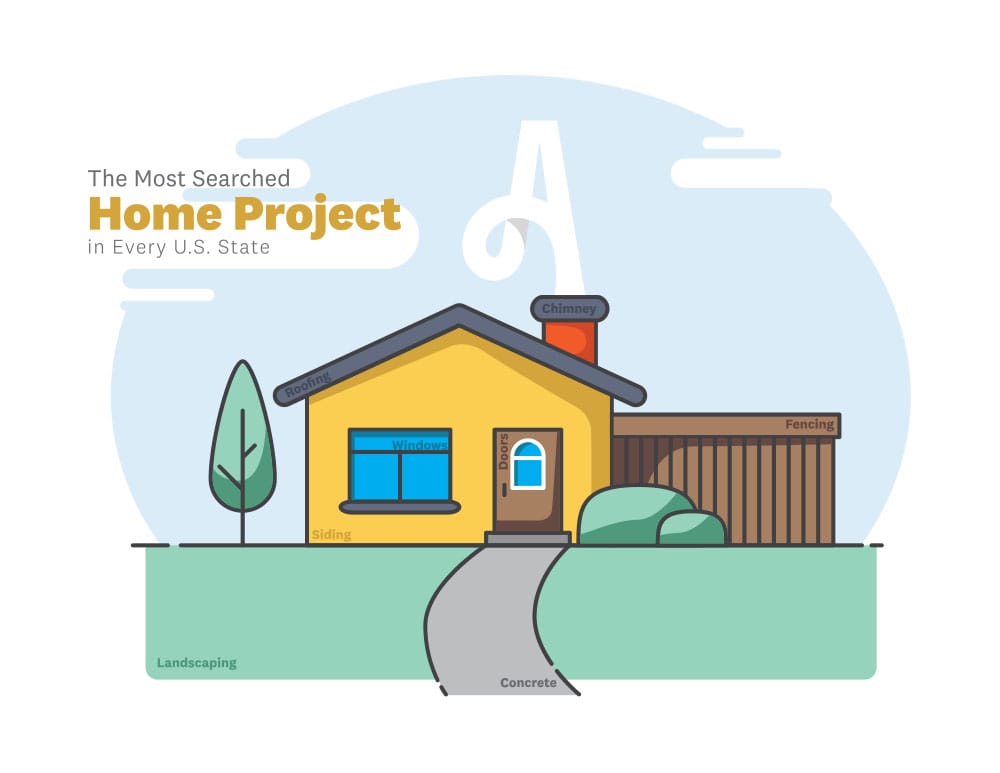
Find out which home-related project homeowners across the U.S. are interested in.

Find out how homeowners are using their tax return dollars to fund the home improvement projects they’ve been waiting on.

Which home improvement projects will be popular in the next five years? From bathroom remodels to solar panels and more, here are the top nine upgrades to expect.