
•
Discover the average gravel driveway cost, including price ranges, installation factors, and tips to help you budget for your new gravel driveway.
Choosing the right driveway material can be a rocky process

Gravel driveways cost between $1 and $3 per square foot, while concrete driveways range from $4 to $15 per square foot for your driveway installation.
Gravel driveways need frequent maintenance to replace lost stones, while concrete driveways require resealing every few years to stay protected and looking great.
Your choice between gravel and concrete driveway materials depends on budget, drainage needs, maintenance commitment, climate conditions, and how much curb appeal you want.
Hiring a local concrete driveway professional keeps your installation on track with proper site prep, level pouring, and compliance with local codes for lasting results.
If you’re installing or replacing a driveway, it’s important to choose the best driveway material for your home. Gravel and concrete are two of the most popular driveway materials, each with its own pros and cons. We’ve broken down the key differences between gravel and concrete driveways so you can make an informed decision about the right material for your driveway.
Gravel and concrete driveways differ based on cost, ease of installation, maintenance, and appearance. Gravel driveways are cost-effective and easy to install, while concrete driveways are highly durable and provide many options for customization. The right driveway material for your home will depend on your budget, climate considerations, how much maintenance you’re willing to commit to, and your aesthetic preferences.

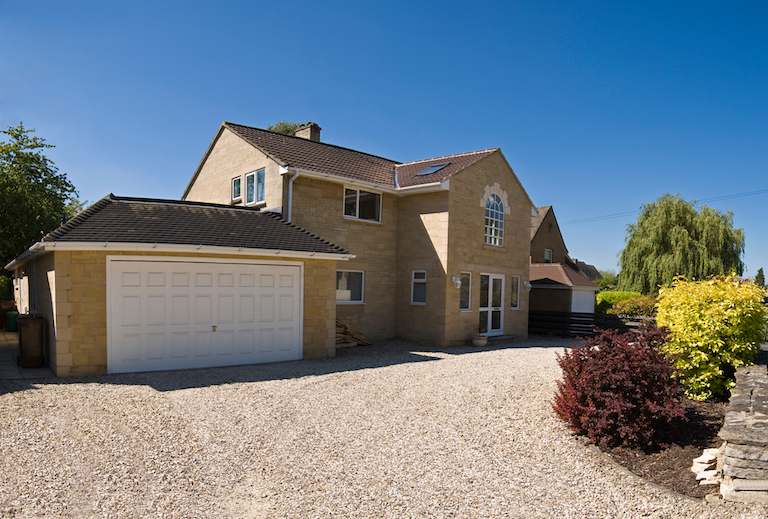
A gravel driveway is made up of small, loose stones, often set within barriers to prevent the stones from spreading out. Gravel driveways are popular in areas with poor drainage or for long driveways where other materials may be cost-prohibitive. Gravel is one of the most budget-friendly options for driveways, and it’s easy to install.
You’ll need to maintain a gravel driveway more often than other materials, but maintenance can be as simple as adding more gravel, so it can be an easy DIY. Gravel won’t crack, split, or be damaged by the freeze/thaw cycle.
| Pros | Cons |
|---|---|
| Cost-effective | Can wash away in heavy rain |
| Easy to install and maintain | Difficult to plow |
| Excellent drainage | Less curb appeal |
Best for:
Areas with poor drainage
Very long driveways
Areas with a significant freeze/thaw cycle
Budget-conscious homeowners
The biggest advantages of gravel driveways are that gravel costs less than other driveway materials and they’re easy to install. Homeowners who don’t mind picking up a shovel can install a gravel driveway as a straightforward DIY, saving big on labor costs. Maintaining a gravel driveway is as easy as installing one—just replace and level more gravel to fill in any ruts.
Gravel is also highly permeable—so much so that contractors often use gravel under a concrete slab for drainage—so water will drain through a gravel driveway rather than pooling on top. Gravel driveways are ideal for areas prone to erosion and can help prevent further damage from water runoff.
While gravel driveways have a lot going for them, there are also some drawbacks. The loose stones that make up a gravel driveway can wash away in heavy rain or flooding, so homeowners in areas with heavy rainfall may find they need to frequently replace gravel. Gravel can also be difficult to plow due to its uneven and loose surface, so it may not be ideal in areas with lots of snow.
Gravel driveways have a natural, rustic aesthetic but may offer less curb appeal than more professional and polished-looking materials. A gravel driveway may be less appealing to potential buyers than a concrete or asphalt driveway, so it’s something to consider if you plan to sell your home.

A concrete driveway is constructed by pouring concrete into a form to make a durable surface that can withstand heavy use. Concrete driveways are popular due to their longevity and curb appeal and can be highly customized using various finishes and colors.
Unless you have experience pouring concrete, you’ll want to leave this job to the pros. A local concrete driveway contractor will prep the site and install the driveway to ensure it’s level, long-lasting, and compliant with all local codes.
| Pros | Cons |
|---|---|
| Extremely durable | Prone to cracking |
| Appealing aesthetics | Needs to be regularly resealed |
| Customizable | Higher up-front cost |
Best for:
Improving home value
Driveways that see heavy use
Homeowners who want minimal maintenance
Due to their longevity and durability, a concrete driveway can increase your home’s value—so it’s a good investment, especially if you anticipate selling your house. Concrete driveways can endure a lot of wear and tear, so if your driveway sees a lot of heavy use, concrete is up for the challenge.
Concrete is also a great option for design-conscious homeowners. Concrete can be installed in a wide range of colors and finishes, from colored stains to stamped designs. No matter your design style, there’s a concrete driveway to complement it.
All that durability and longevity comes at a price—concrete is more expensive than gravel, so your up-front costs will be much higher. A crushed concrete driveway is more affordable than poured concrete, but you’ll lose the strength and stability that poured concrete offers.
While concrete doesn’t need maintenance as often as gravel, it does need to be resealed every two to five years. In areas with a significant freeze/thaw cycle, concrete can be prone to cracking as the ground underneath it shifts. Cracks need to be filled and sealed as they appear to prevent further damage to the driveway.
When choosing between a gravel or concrete driveway, the right option depends on what you’re looking for. Here’s how each driveway material stacks up.
At around $1 to $3 per square foot, gravel is a more wallet-friendly option than concrete, which averages about $4 to $15 per square foot. With a gravel driveway, you can also avoid paying for labor if you choose to install it yourself.
A gravel driveway doesn’t require specialized equipment to install and can be accomplished by a handy homeowner in a weekend. To install a concrete driveway, you’ll want to hire a concrete driveway contractor to ensure the concrete is poured and cured correctly and any local regulations are met.
With a gravel driveway, you’ll likely find yourself needing to replace lost gravel a few times a year, plus gravel needs to be re-leveled to smooth out ruts and uneven patches. Concrete is a more low-maintenance material—an annual cleaning and resealing every few years will keep it in great condition.
Concrete is well-known for its ability to stand up to heavy use. This material can endure heavy weights and plenty of movement, while gravel can be easily displaced.
A properly installed and maintained concrete driveway can last 20 to 30 years or more, making it a great choice for anyone who doesn’t want to think about replacement for a long time. Gravel driveways can last for decades but require frequent maintenance to replace lost gravel, which adds up to ongoing costs and effort.
Concrete driveways offer increased curb appeal and home value, offering a return on investment (ROI) between 50% and 80%. A gravel driveway can be less appealing to prospective buyers than concrete, so investing in a concrete driveway can set your home apart when it comes time to sell.
Archie did a good job cleaning up the driveway before he laid down the sealer. It looks good. He was gracious and even helped me bring up my groceries. His rate was comparable to another company who came out to give me a quote and he talked to me personally rather than just text me a quote...
 Pro Seal Roofing & Paving
Wonderful. I am going to have them remove and replace my driveway in the spring.
 All Star Paving and Sealing
Working with Peter and his crew was a breeze. They were exceptionally polite and did a neat job to repair and seal our driveway. I will definitely talk to them first for additional work.
 Central Paving
The preformed a really good job the staff is incredible never been so happy with my home, A brand new driveway is like a face lift!!
 Pristine Paving
We recently had our office sidewalk repaired and CT Concrete did an "Outstanding" job. They were quick, friendly and the job is "flawless". I would highly recommend CT Concrete for any of your concrete/sidewalk needs.
Called Mark on a Thursday morning. Not really knowing if he could help me or not. I was having driveway, flooding issues due to a clogged channel drain and I was trying to figure out what direction to take. Heavy rains had come on Monday and again on Thursday leading to flooding in my garage...
 Mark Rodgers Construction
It went really well! The concrete looks, they even did some patch work on my buildings parking lot. That was such a plus! <br />
 AmeriCoat Asphalt & Concrete
Jand J has provided services for clients of mine for 15 years or maybe longer. They are always honest with their recommendations, providing good advice to my clients and competitive pricing. All three of the structural engineers whom I have dealt with in recent years have Jand J on their...
We first had Mark fix the back patio and liked his work so much we had him make a brick patio on the side of the house. When we decided to change our concrete walkway to brick, we wanted Mark to do the job because his prices were fair and he did such good work on t he other two projects.
 Mark Monnette Masonry
Mr. Lewis was extraordinarily responsive. At the time we realized that the concrete could not be repaired, we had intended to put our house on the market. We were anxious to get the work complete so that we wouldn't delay marketing the house. Mr. Lewis promptly returned our calls, provided...
From average costs to expert advice, get all the answers you need to get your job done.
Discover the average gravel driveway cost, including price ranges, installation factors, and tips to help you budget for your new gravel driveway.
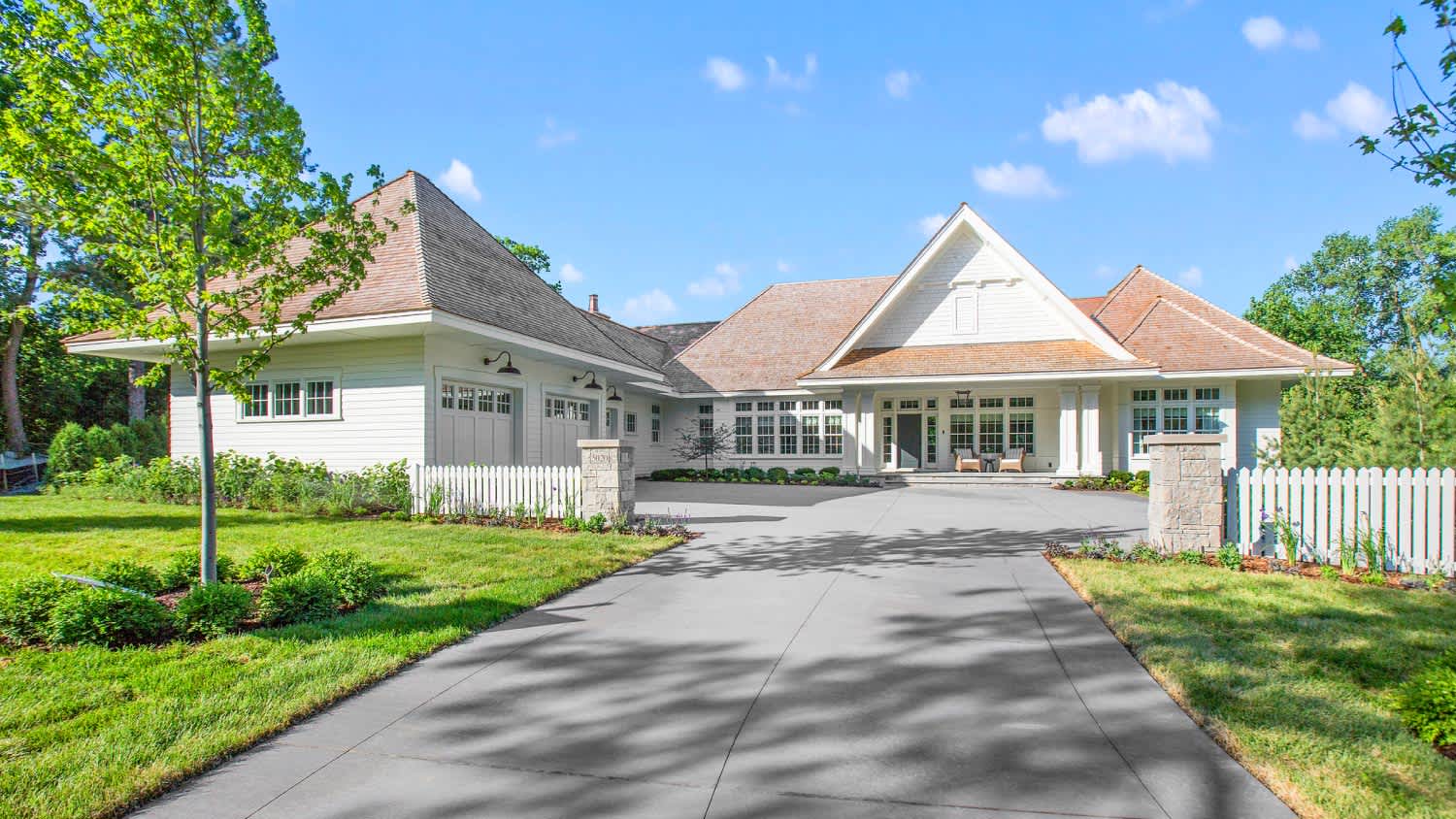
Between the endless customizations and decades of strength, the cost of a concrete driveway may be worth the investment. Let's break down your bottom line.

Gravel is a versatile material, making it a good choice for driveways. Read this guide to learn more about the best gravel driveway ideas for your home.

Our eight gravel driveway maintenance tips, including raking and spraying, make it easy to keep your gravel driveway looking good and functioning properly.
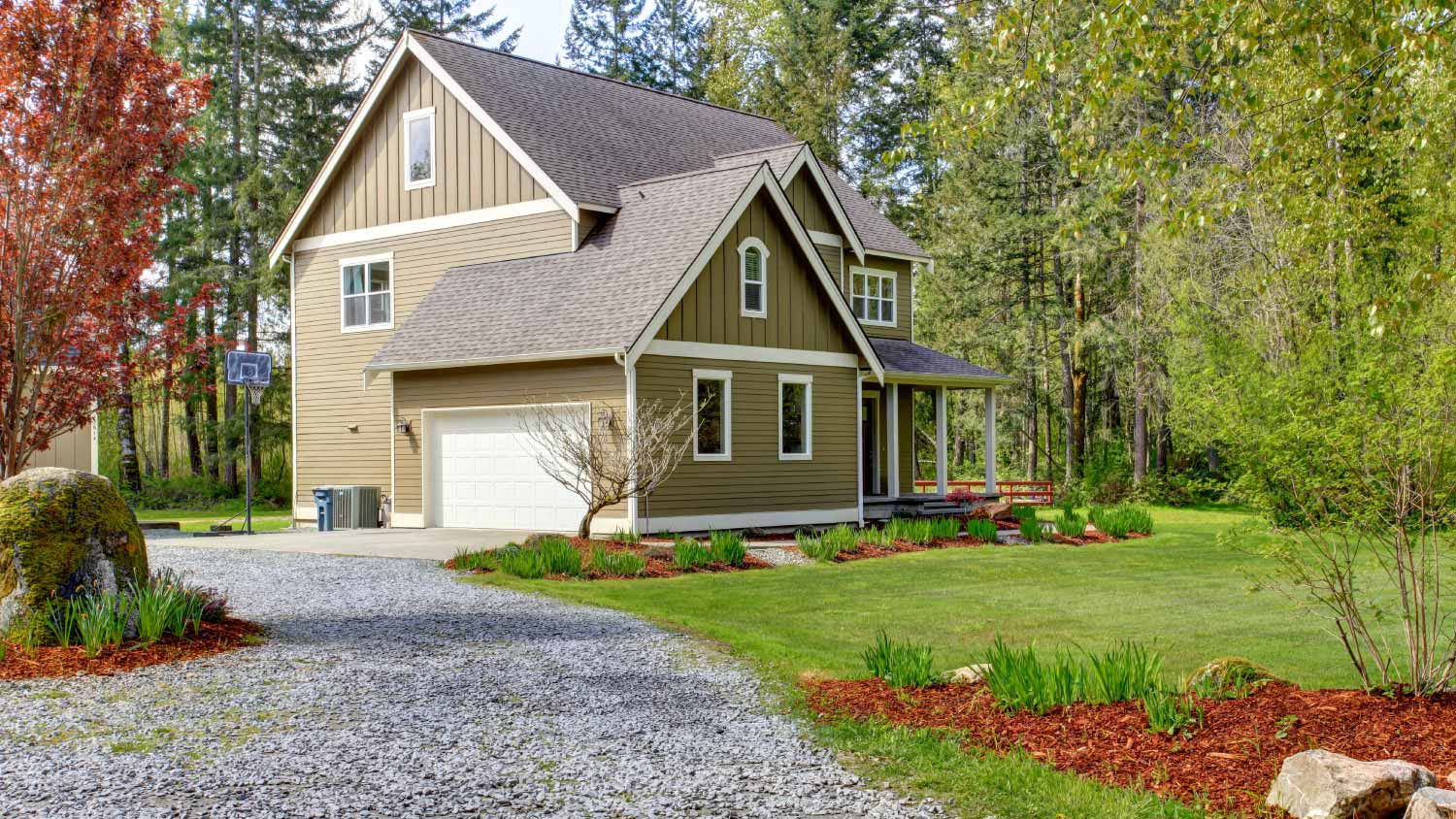
There are six types of gravel for driveways. This guide explains the pros and cons of each type so you can choose the best gravel for your driveway.

Before you start pouring, should you use sand or gravel under a concrete slab? Let's explore how the foundation below your concrete works.