
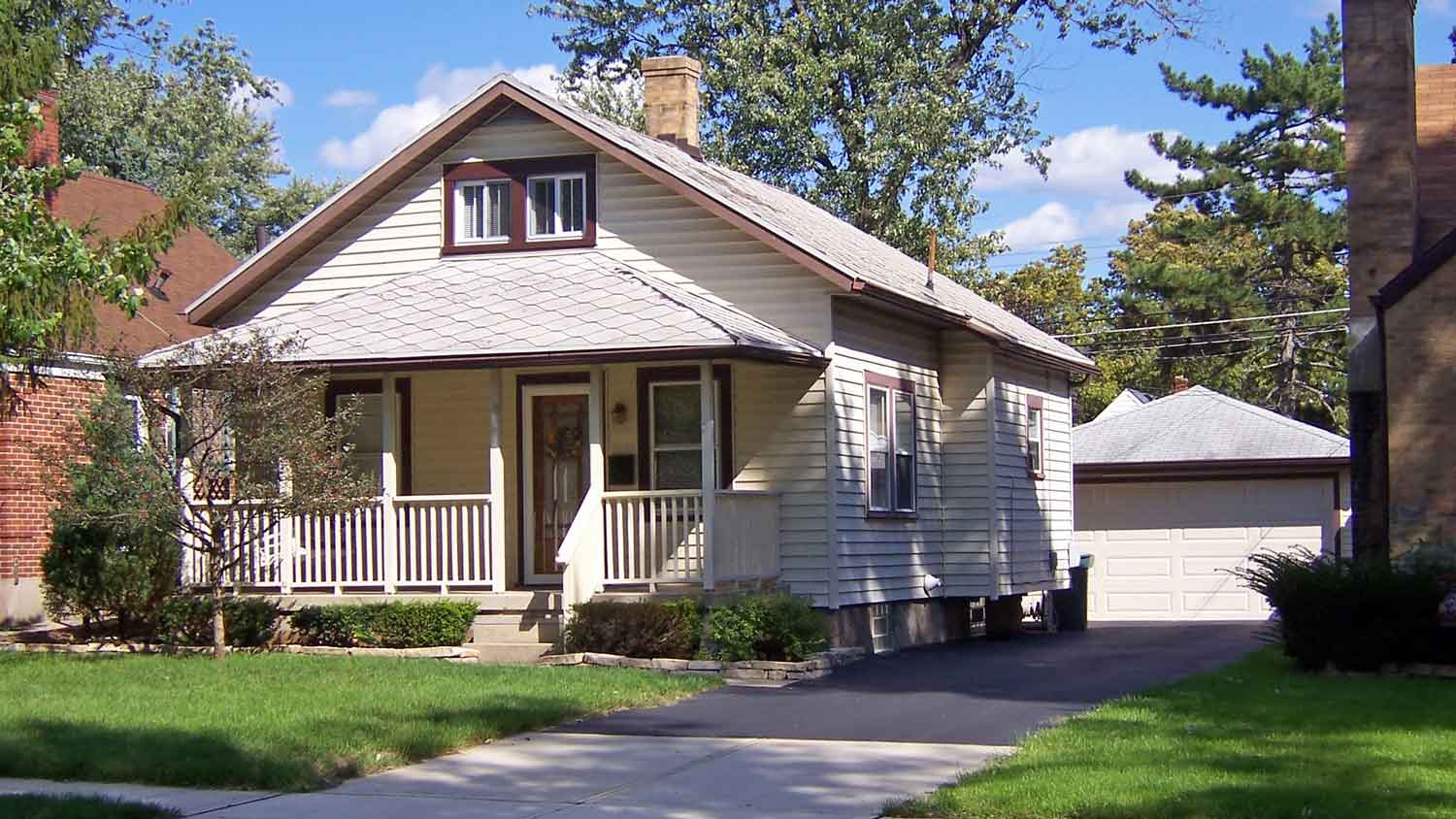
Fireproofing can protect your home from a devastating fire. Learn how to build a fireproof house inside and out with this DIY guide.
Don’t add fuel to a wildfire—opt for fire-smart landscaping instead

Lavender fire resistance improves when you keep the plants moist, as dry lavender burns faster and provides more fuel for spreading fires.
Fire-smart landscaping relies on proper plant spacing, since keeping fire-resistant plants several feet away from structures prevents them from fueling nearby fires.
You can create effective defensible space by combining low-flammable plants with regular watering, proper pruning, and strategic placement throughout your landscape design.
Hiring a local landscaping professional provides expert guidance on plant selection and placement, helping you design a fire-smart yard that protects your home.
Wildfires are an unfortunate reality for many homeowners, and they are only becoming more frequent. It’s important to minimize the risk to your home by planting low-flammable plants in your landscaping.
While no plants are truly fireproof, there are options that can better withstand a fire event and will provide little to no fuel for a growing fire when kept several feet away from flammable structures. These nine fire-resistant plants can help you create a fire-smart landscape.

Lavender offers a lot of benefits in addition to being a slow-burning plant (as long as you keep it moist). It offers bursts of purple and green color to your landscape, plus it has a fresh fragrance.
Although you should keep it moist for better fire resistance, lavender has low water needs and is a low-maintenance landscaping option. It is deer-resistant while also attracting birds, butterflies, and other pollinators to your lawn. When growing lavender, keep the following care tips in mind:
Soil: Lavender likes rocky, sandy, or otherwise well-draining soils with a pH of 6.5–8.
Water: Lavender has low water needs, but keep it moist for better fire resistance.
Sunlight: Full sunlight
Hardiness Zone: 4–8
Sage isn’t just good for seasoning your butternut squash for dinner. This perennial herb is a fire-resistant plant that can add bright blue, purple, or pink flowers, and it grows pretty tall and wide for good garden coverage. Sage is easy to care for, plus you can use the leaves for cooking.
Soil: To grow sage, make sure the soil is loamy and sandy with a pH of 6–7.
Water: Sage has low water requirements.
Sunlight: Partial sun
Hardiness Zone: 4–9

An ornamental grass, blue fescue works great as a decorative element in a unique flower bed or ground cover for a drought-resistant landscape. Although it does produce tall, flowering stems, this plant often looks best when the flowers are trimmed away. Blue fescue is an evergreen, but it usually only lives for about four years.
Soil: Blue fescue will thrive in any well-draining soil with a pH of 5.5–7.5.
Water: Blue fescue stores water well and needs little watering.
Sunlight: Full sunlight
Hardiness Zone: 4–9
A fire-resistant landscape doesn’t have to be a sea of concrete. The California native red monkey flower will offer bursts of color to your property nearly all year long. Plus, this shrub attracts pollinators, particularly hummingbirds. It needs little care, but be sure to lightly prune it in the summer for the best blooms.
Soil: Red monkey flowers need soil with moderate drainage and a pH of 5.5–8.
Water: You can water this plant as little as once a month once it is established.
Sunlight: Full sun to partial shade
Hardiness Zone: 6–11

Similar to the red monkey flower, the California fuschia, also known as the Hummingbird Trumpet, is a plant with bright red blooms, although rather than going dormant in summer, this plant is often at its peak bloom in the hotter months.
It is deer-resistant and attracts many pollinators with its tubular flowers. This plant likes to spread out, and it grows fast, so make sure it doesn’t grow too close to structures to maintain its low-flammability properties.
Soil: Give your California fuschia plants a spot with good soil drainage and a 6–8 pH.
Water: This is another low-water plant that can be watered about once a month once established.
Sunlight: Full sun to partial shade
Hardiness Zone: 8–11
Despite the name, this plant isn’t going to melt in the heat. In fact, ice plants are actually succulents that thrive in warm, sunny locations and are named after the short fibers on the plant that look like ice crystals.. Plant them in the garden or use them as ground cover for a fireproof landscape. This fire-resistant plant requires little watering.
Soil: Ice plants prefer sandy, dry soil with a pH of around 7.
Water: Ice plants have low water needs.
Sunlight: Full sunlight
Hardiness Zone: 6–10

With its broad, thick leaves, agave does a great job of storing water while also adding some drama to a landscape. Agave plants can grow over 10 feet tall, although you can find smaller options for your yard.
Soil: Agave needs dry soil with a pH of 6–7.
Water: Established agave plants need watering a few times per month in the summer, or about once per month in cooler seasons.
Sunlight: Full sunlight
Hardiness Zone: 5–11
Coreopsis, or tickseed, works well for fire-prone landscapes in a wide variety of climates. It has bright yellow, pink, or red flowers that bloom from early summer to fall. Most coreopsis grows about 1 foot tall, but for a fire-smart landscape, keep taller varieties that grow 2 feet or more about 30 feet away from any structures on your property.
Soil: Coreopsis tolerates many soil types with a pH of 5.5–6.5
Water: Coreopsis is drought-tolerant, but water it about once per week for the best blooms.
Sunlight: Full sunlight
Hardiness Zone: 3–9

This mounding perennial is popular for landscape borders and has yellowish-green flowers, and its leaves turn a reddish hue in the fall. It is resistant to many pests, including deer and rabbits, but keeps kids and pets away. Cushion spurge is toxic when ingested, and you’ll need to wear gloves when pruning it as it may cause skin irritation.
Soil: Cushion spurge prefers dry, well-draining soil with a pH of 6 to 8.
Water: Give this fire-resistant plant about 1/2-inch of water every 7 to 10 days.
Sunlight: Full sunlight to partial shade
Hardiness Zone: 4–8
Whether you DIY your landscaping design or want to hire a landscaping company near you, fire-resistant plants are a smart choice for any homeowner.
Custom Paint Jobs LLC made our home feel like a piece of art. Thank you for your creativity!
 Custom Paint Jobs, LLC
Window Depot did an amazing job on my deck. I wasnt sure what I wanted to do, but their composite decking was affordable and will last a long time. I am excited to have family over, and I am no longer embarrassed by my backyard. Jeff and the ground crew were polite, respectful, and caring for...
 Window Depot USA of Central Ohio
First of all, the gentleman I dealt with (Cam?) was very responsive to my many questions and concerns throughout the project, which is a huge plus to me. From the first time I met him for the estimate all the way til the completion of the job, he and his crew were professional and respectful....
 All Star Paving and Sealing
We had a 20+ year old landscape lighting system that needed replacement. Midwest Lightscapes worked with us to design a much improved lighting system, lighting the exterior of the house and the back yard. Installation of the 45 light system took one and one-half days, and went very smoothly....
 Midwest Lightscapes
Another great success for me on home advisor. This company did an awesome job on my landscaping and stayed within my budget. The best part, the work was complete within 2 days of my initial request. Professional and responsive. I highly recommend!
 Blue Ring Residential Services, LLC
The company no showed on me twice. The 2nd time was no call no show. They were responsive to set up the first appointment to perform the "landscape cleanup". 3 hours after their initial scheduled appointment time they called me to let me know they had some "problem" with the truck and their...
 Ruby Home and Hauling Services
Received ideas for future landscape plans...quote to do the work seemed a bit high but I did not have any other quotes to compare it to, so perhaps that is the going rates. <br />
 Landscapes By Terra, Inc
All around they have done a really great job. <br /> I have used JL Landscapes for the past 8 years. I own and operate my own commercial/residential real estate company where we own, operate, and maintain our own properties. JL Landscapes has been our exclusive landscaper for both our...
 J.L. Landscapes
Bought a half a cord of firewood from Pitzer with stacking last month. I waited to report so I could see how the wood burned. <br /> <br /> I have three pet peeves regarding landscapers, but Pitzer scored "A"s regarding all three. First, rather than having customers "leave a message" and...
 Pitzer Landscaping
I left a message on Sunday requesting to schedule a time to obtain an estimate/walk-through and received a return call in the morning of the following Monday. Mark worked with me and agreed to schedule the estimate/walk-through for the following Saturday. When Mark arrived for the...
From average costs to expert advice, get all the answers you need to get your job done.
Fireproofing can protect your home from a devastating fire. Learn how to build a fireproof house inside and out with this DIY guide.
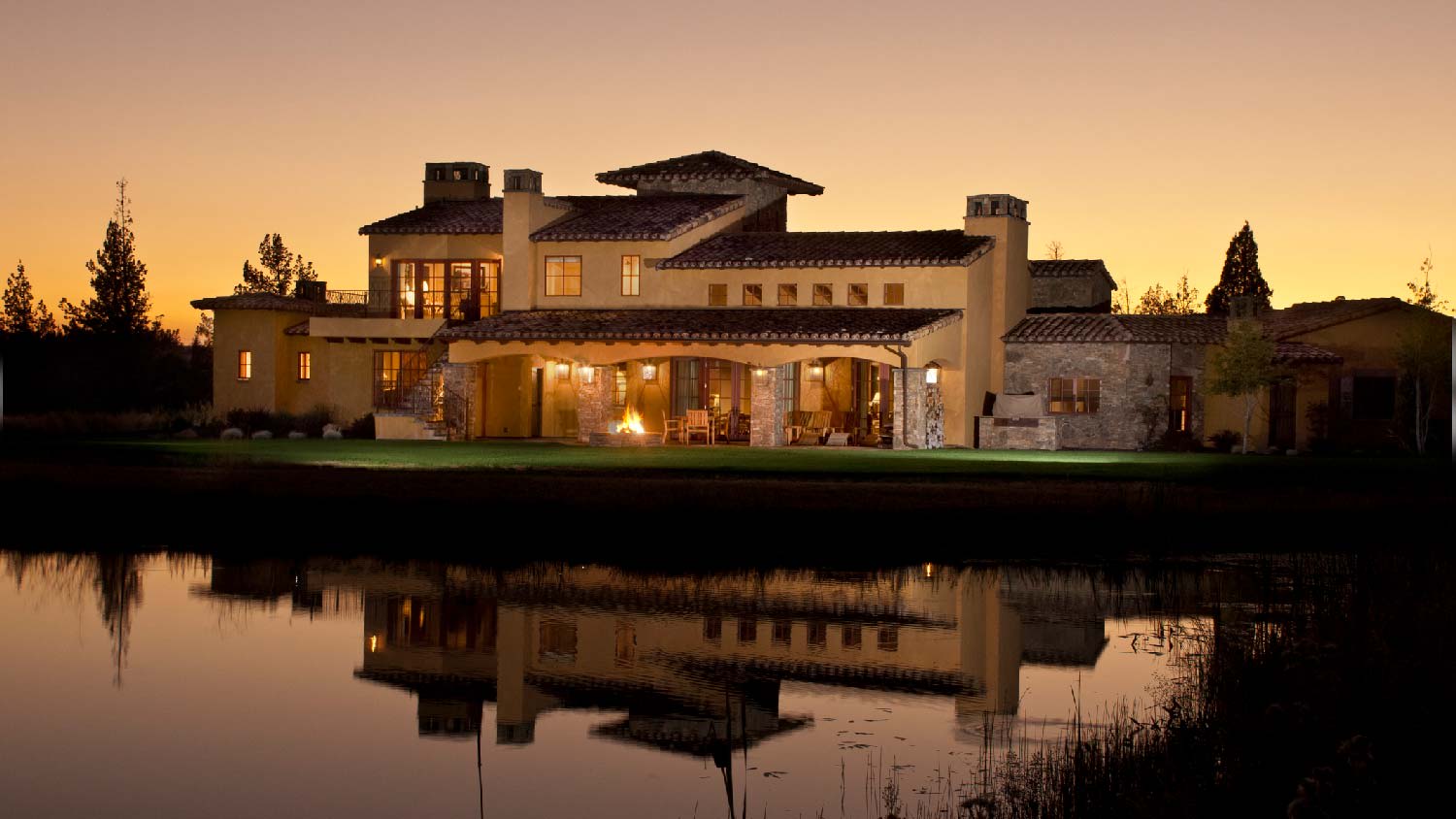
Fire-resistant siding can protect you and your home in the event of a wildfire. Learn if stucco is fire-resistant and how it compares to other materials.

Every home has a unique set of fire hazards, including yours. Discover a variety of ways you can fireproof your home, putting you and your family’s safety first.
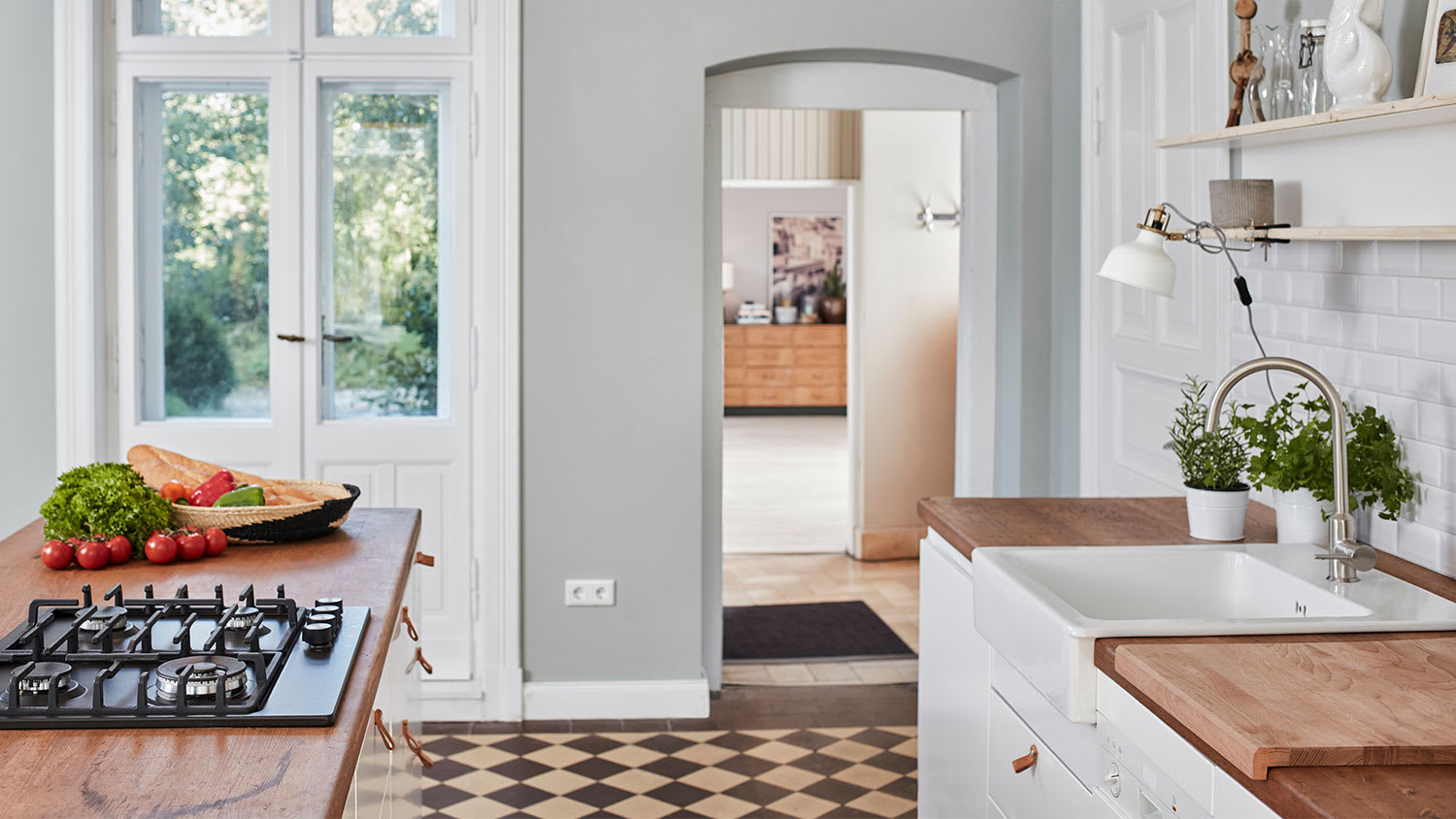
All drywall is fire-resistant, but the fire rating tells you how resistant. Use this guide on drywall fire rating to make sure you use the right product.
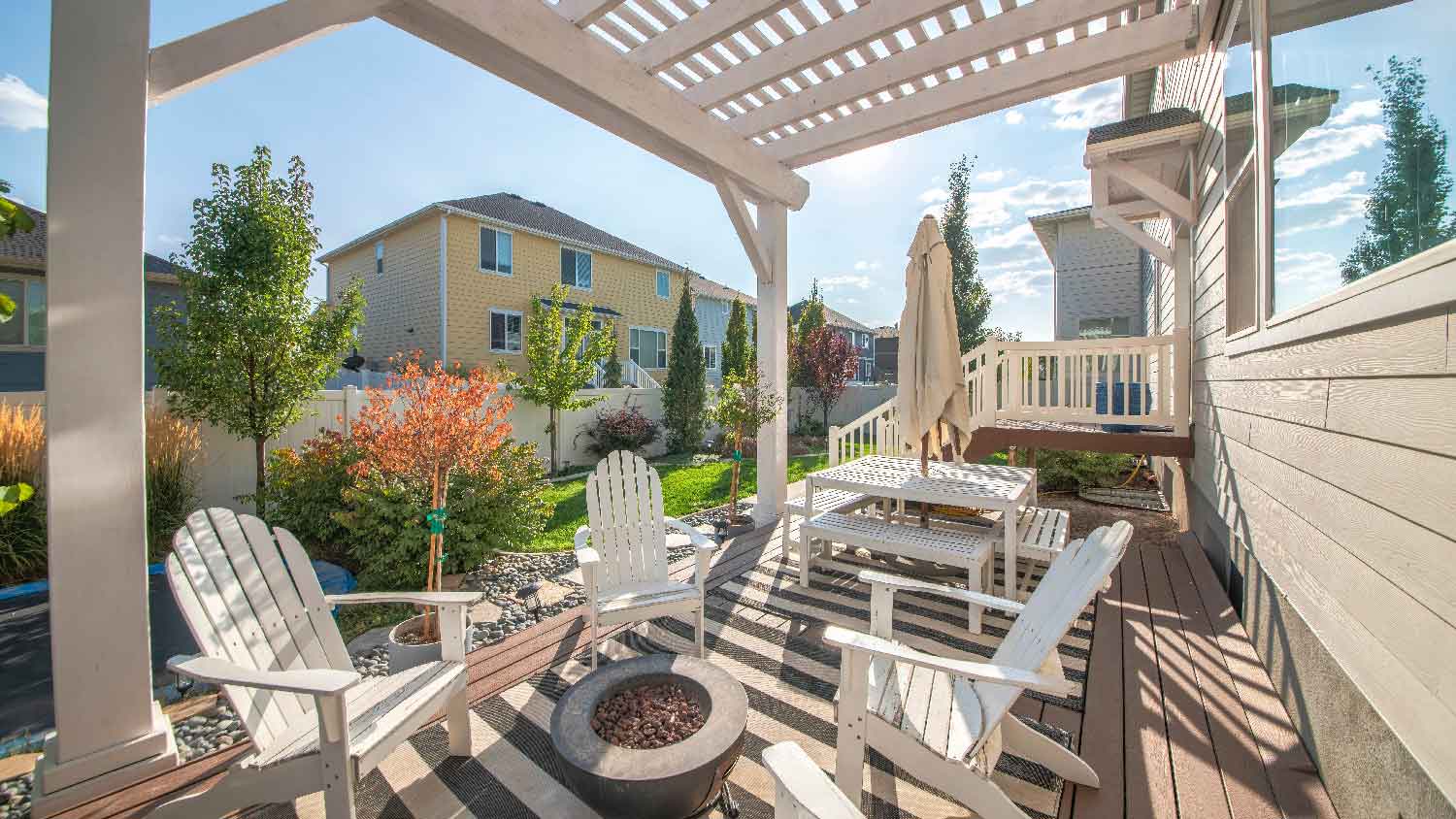
A fire pit may be just what your backyard space needs to feel complete, but can you put it under a pergola? Find out whether a fire pit under a pergola is safe.
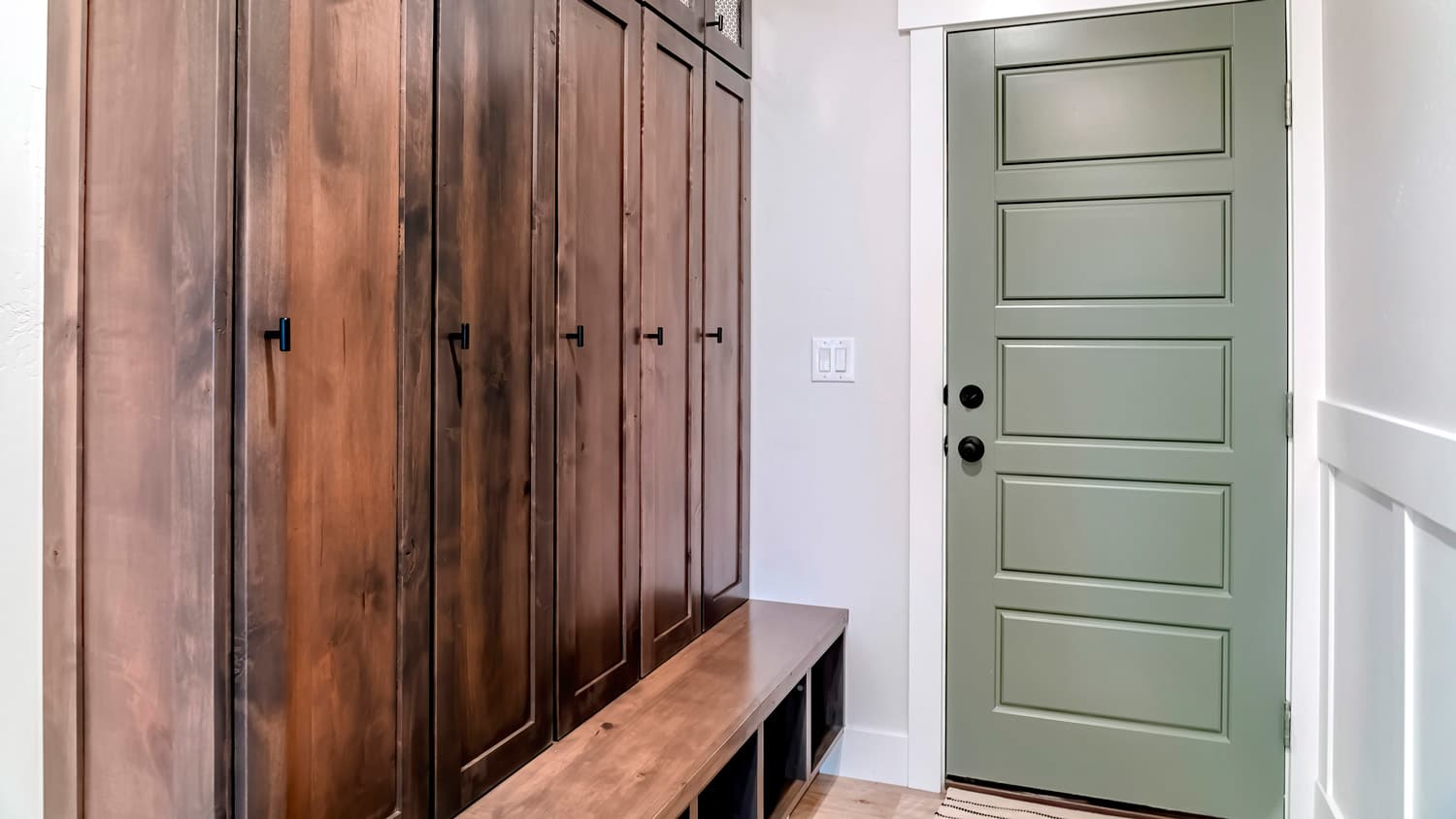
If you’ve ever wondered, “What is a fire door, and do I need one?” check out our all-encompassing guide on fire doors and their pros and cons.